REVIEW · AQABA
3-Day Open Water Scuba Diving Course in Aqaba
Book on Viator →Operated by Waves diving center · Bookable on Viator
Red Sea training starts with real coaching. Over three days in Aqaba, you’ll go from confined-water practice to open-water checkouts with a PADI-style program built around safety and confidence.
I really like how the instructors focus on clear teaching and calm support, with names like Coach Thaer, Naseem, and Yusef showing up again and again in accounts of what makes the course feel easy to follow. The gear also gets called out as clean and well maintained, which matters once you’re using the same equipment for multiple sessions.
Second, I like the human touches: the vibe is friendly, the staff take time to explain, and there’s even a strong note about encouraging Arabian girls to get into scuba with a first female instructor in Jordan.
One possible drawback: the schedule depends on conditions. The experience requires good weather, and you’re starting early at 8:30 am, so don’t plan to roll out of bed late.
In This Review
- Key things to know before you go
- Aqaba’s open-water course: how the training actually builds
- Instructors who explain, correct, and keep you calm
- Confined-water sessions: where confidence gets built
- Open-water checkouts in Aqaba: applying skills where it counts
- Gear quality and sanitation: the comfort you can actually feel
- Group size (max 6) and the practical value of small coaching
- Pricing: does $500 feel fair for what’s included?
- Timing, weather, and why the schedule can shift
- Who this course is best for in Aqaba
- Should you book this Aqaba course?
- FAQ
- What does the course include during the 3 days?
- Is the theory done online or with paper materials?
- What time does the experience start, and is pickup available?
- How large is the group?
- Is equipment included, and is it cleaned?
- What happens if the weather is bad, and can I cancel?
Key things to know before you go
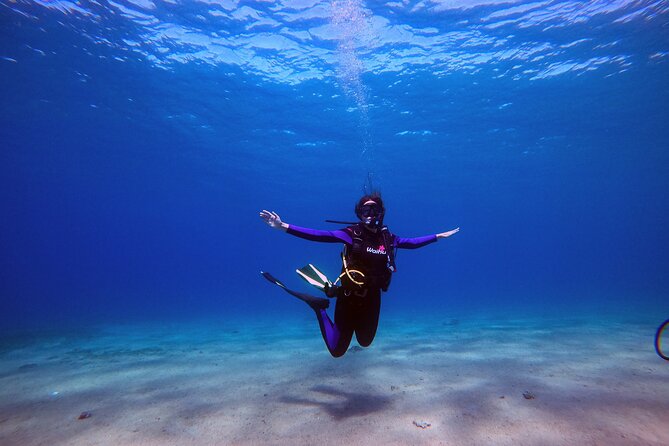
- 9 practical sessions total: 5 in confined water and 4 in open-water checkouts
- Early start (8:30 am) means you’ll want a solid breakfast routine
- Small group size (max 6) keeps feedback direct and personal
- Clean, sanitized equipment is part of the day-to-day setup
- Theory is online or manual, so you can match your learning style
- Free cancellation up to 24 hours and weather-based rescheduling when needed
Aqaba’s open-water course: how the training actually builds
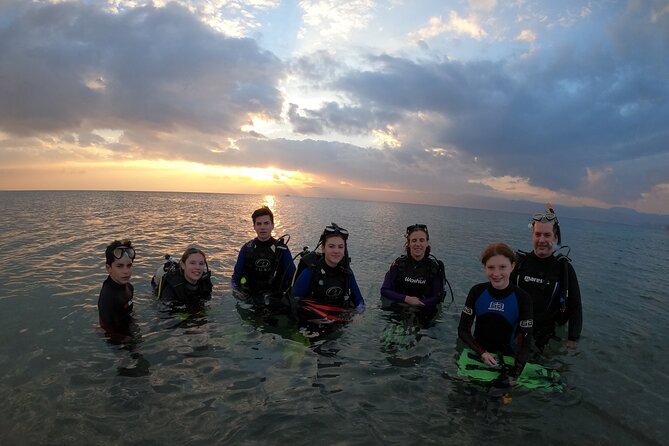
This 3-day course is structured to take you from basics to open-water comfort without throwing you into the deep end of the day. You’ll do 9 practical sessions across the training, with 5 in confined water (think easier, controlled conditions) and 4 in open-water checkouts once you’re ready to apply skills outside the calmer setup.
That progression is the big value. Confined water helps you learn how everything feels together: breathing rhythm, buoyancy, hand signals, and how to stay calm even when your brain is doing a lot. Then open-water checkouts test those exact skills in a bigger space, where you can’t hide behind simple walls and the water has a mind of its own.
And it’s not just “show up and follow.” The course is paired with theoretical work, and you’ll handle that part through online or manual materials. That split matters because it lets you get the concepts in your head before you’re expected to perform them underwater.
You can also read our reviews of more tours and experiences in Aqaba.
Instructors who explain, correct, and keep you calm
What consistently comes through is teaching style. Multiple accounts mention instructors with strong English and a patient approach, including Naseem and Yusef for first-time experiences, and Coach Thaer for a full, supportive course experience.
I like that because the hardest part of scuba training usually isn’t the gear. It’s learning under pressure: remembering steps, controlling nerves, and understanding what your instructor needs from you. If your coaching is clear, you spend less energy guessing and more energy relaxing.
There’s also a clear pattern: people feel safe not because nothing goes wrong, but because the team actively reduces uncertainty. Instructors are described as attentive throughout, and staff are friendly from the first moment—helpful when you’re trying to focus on the basics like equalization, buoyancy, and controlled breathing.
Confined-water sessions: where confidence gets built
Your first phase is confined-water practice. Even without knowing every exact drill, the goal is predictable: you practice the core skills until they feel automatic. This is where you learn to manage your breathing, maintain control, and respond to instructions without panic.
Confined water is also where you learn the small-but-important stuff that makes open-water so much smoother later on. You get time to understand your equipment setup, to feel comfortable moving as a unit with your coach/guide, and to practice basic communication underwater (especially hand signals and simple check-ins).
A practical tip for this part: treat it like training time, not sightseeing. If you’re tense, say it early. The whole point of the confined phase is to correct your technique while things are still manageable.
Open-water checkouts in Aqaba: applying skills where it counts
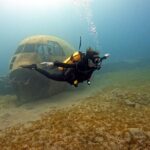
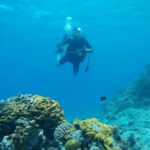
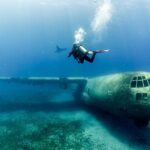
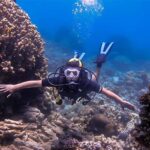
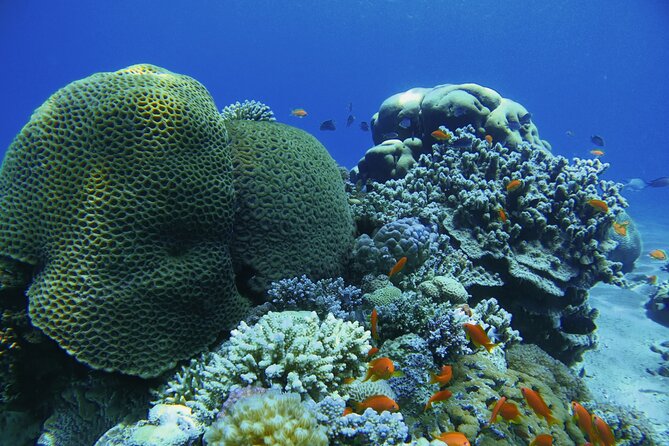
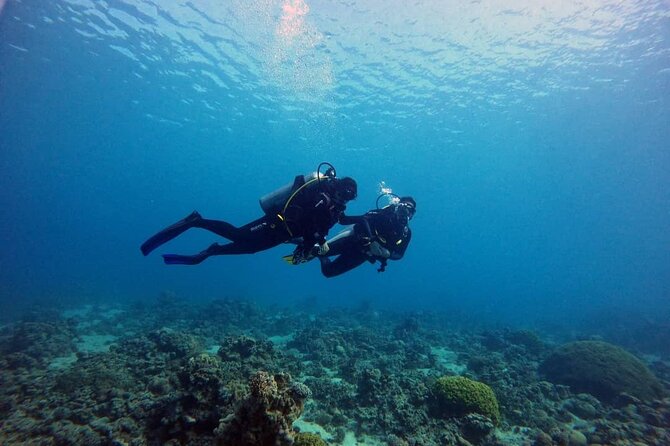
Once you’ve built a base, you move into the 4 open-water checkouts. Aqaba sits in the Gulf of Aqaba along the Red Sea, which is exactly why people choose this region: the underwater experience can feel like a different world compared with closed pools.
Accounts mention conditions can change, including mention of changing visibility and water that can be very still. That’s normal. What matters is how your team handles it. A well-run course keeps your focus on skills, not on chasing the perfect water conditions.
This is where you learn what “staying in control” looks like when you’re not in a simple environment. Buoyancy matters more. Breathing matters more. And your ability to follow cues without getting overwhelmed becomes the difference between feeling awkward and feeling proud.
And yes, the fun is real here. People mention memorable moments, even playful surprises like dancing under the sea—those stories usually happen when the training is safe enough that you can enjoy the moment without fear taking over.
Gear quality and sanitation: the comfort you can actually feel
This center’s equipment is described as highly maintained, clean, and sanitized. That might sound like boring paperwork, but it’s not. In training, you’ll wear gear for multiple sessions, sometimes across consecutive days. Clean gear makes you feel better on day one, and it helps you stay focused rather than distracted by discomfort.
I also like that the course is set up to feel organized. People mention the staff being well organized and the overall experience feeling professional, including for first-timers who were stressed at the start. When the gear and setup are handled well, you waste less time and you start the water session ready to learn.
If you have sensitive skin or you’re picky about fit, this is the moment to speak up. A small adjustment early can save you from a frustrating training session.

Group size (max 6) and the practical value of small coaching
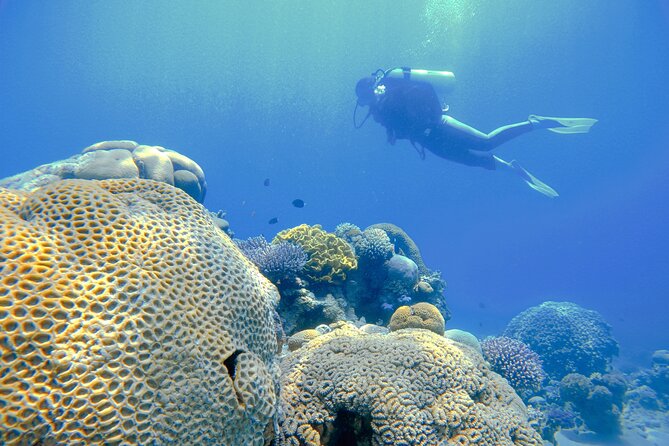
The group is capped at 6 travelers, which is a big deal for training. Scuba learning works best when feedback is direct. Smaller groups also tend to reduce waiting time and keep the day from stretching out too long.
In practice, this kind of group size helps instructors manage attention: you can get corrections faster, ask questions in real time, and build trust with the people around you. That shows up in accounts where first-timers feel taken care of and veterans feel the experience still has structure and support.
A useful mindset: in a small group, you’re not just doing tasks—you’re learning how the team communicates. You’ll pick up the routines that help you stay calm later if you do more underwater outings.
Pricing: does $500 feel fair for what’s included?
The price is $500 per person for a 3-day open-water course. What makes it feel more than just a number is what you’re buying with it: multiple coaching sessions (9 practical sessions), a theory component (online or manual), sanitized equipment, and a small-group limit.
You’re also getting pickup offered, which can reduce friction in a new city. And the start time at 8:30 am tells you the day is organized around training windows, not random free time.
The best value check is simple: can you realistically use the training time to progress? If you show up ready to learn and you follow the coaching, this course format is built to get you from basics to real open-water checkouts. If you expect a purely casual outing where you don’t want to practice, you may end up frustrated by how much learning is actually involved.
Timing, weather, and why the schedule can shift
You start at 8:30 am. That’s early enough that I’d plan breakfast the night before: sleep matters on training days, and so does hydration.
The experience requires good weather. If conditions are poor, the course can be canceled and you’ll be offered a different date or a full refund. That’s important because the value of an open-water checkout depends on safe conditions.
How to handle this as a traveler: keep your plans flexible for these three days. If you’ve got tight connections, day tours booked back-to-back, or a train you can’t miss, build in buffer time.
Who this course is best for in Aqaba
This course works for a wide range of people because the format supports both first-timers and those with previous experience. Accounts specifically mention feeling safe for first-time participants, while others describe it as great for veterans too.
If you’re nervous before your first open-water session, this is the kind of course that addresses that fear directly—through explanation, patience, and a coaching team that stays attentive. If you already know how scuba feels, you’ll still benefit from structured practice and guided check-ins.
Also, if representation matters to you, the note about promoting scuba for Arabian girls and having a first female instructor in Jordan is a meaningful detail. It signals a culture that cares about who gets the opportunity, not just who shows up with a license.
Should you book this Aqaba course?
Yes, I’d consider booking it if you want a structured program, small-group attention, and coaching that aims to reduce stress. The combination of sanitized equipment, clearly organized instruction, and a progression from confined water to open-water checkouts is the kind of setup that helps you actually learn instead of just going through the motions.
I’d hesitate only if you’re hard-locked on a rigid schedule or you hate early starts. Weather can affect what happens on the water, and with an 8:30 am start you’ll do best if you plan your days around the course, not around sightseeing first.
If you want a course where people mention feeling safe, supported, and well explained—this one looks like a strong match for Aqaba.
FAQ
What does the course include during the 3 days?
The practical part includes 9 sessions: 5 in confined water and 4 in open water. Theoretical learning is part of the course as well.
Is the theory done online or with paper materials?
You’ll complete the theory part either online or using manual materials, depending on how the course is delivered for you.
What time does the experience start, and is pickup available?
The start time is 8:30 am. Pickup is offered, and the provider is near public transportation.
How large is the group?
The experience has a maximum of 6 travelers, so instruction stays relatively focused.
Is equipment included, and is it cleaned?
Yes. The equipment is described as highly maintained and clean and sanitized.
What happens if the weather is bad, and can I cancel?
The course requires good weather. If it’s canceled due to poor weather, you’ll be offered a different date or a full refund. There’s also free cancellation up to 24 hours in advance for a full refund.