REVIEW · KUTA
PADI Open Water Course
Book on Viator →Operated by Neptune Scuba Diving · Bookable on Viator
Bali underwater starts with day-one calm. This PADI Open Water Course with Neptune Scuba in Kuta is built for real beginners: knowledge lessons, pool skills, and open-water training sessions around Padang Bai and Tulamben.
I love the practical logistics—hotel pickup and drop-off by air-conditioned minivan means you spend less time coordinating and more time preparing. I also love the instructor support; I’ve seen names like Gede Ariawan and Muli praised for patience, especially when students are still getting comfortable with buoyancy and the basics.
One key consideration: you’ll complete a health questionnaire before any training, and certain conditions (like asthma or current colds/congestion) can rule out participation. They also warn you not to do scuba training within 18 hours of flying.
In This Review
- Key highlights worth planning for
- Kuta base, with training days shaped by Padang Bai and Tulamben
- The 3-day flow: Knowledge, pool training, then open-water sessions
- Day 1: Knowledge Development
- Day 2: Pool Training
- Days 2–3: Four open-water training sessions
- Neptune Scuba in Sanur: pickup, small groups, and instructors who slow down
- Hotel pickup and drop-off removes friction
- Max 3 participants helps learning quality
- You may notice a “team” approach
- Open-water sessions: turning skills into confidence at 18m
- Why practicing in both Padang Bai and Tulamben helps
- What I’d take from the best feedback
- Price and value: what $530 covers (and what it doesn’t)
- What’s included
- What’s not included
- Is it good value for you?
- Health, safety, and the questionnaire you should take seriously
- Health questionnaire and medical limits
- Flying timing matters
- Who this PADI Open Water Course fits best
- Should you book Neptune’s PADI Open Water Course in Kuta?
- FAQ
- Where is the PADI Open Water Course meeting point?
- How long is the course?
- What is the price per person?
- Is hotel pickup and drop-off included?
- Does the course include open-water sessions?
- What locations are used for the open-water training?
- What is the maximum depth for this certification?
- What is the minimum age?
- How many people are in the group?
- Can I cancel for a full refund?
Key highlights worth planning for
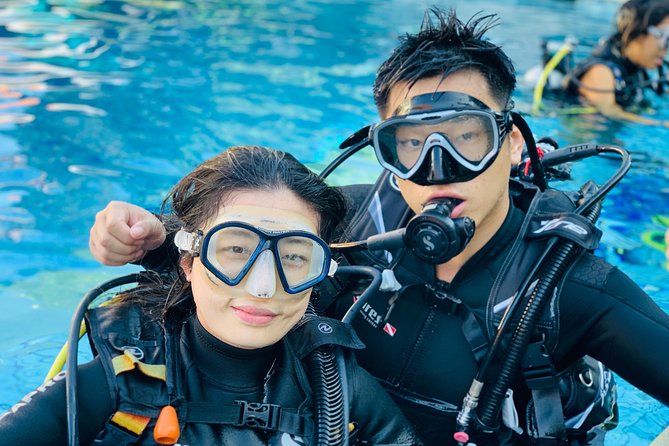
- Max depth of 18m sets a clear, achievable finish line for your certification
- 3-day structure covers Knowledge Development, pool training, then 4 open-water sessions
- Small group size (max 3 people) tends to mean more direct feedback time
- Neptune’s coaching team includes instructors such as Gede Ariawan, Muli, Julian, and Sia, plus underwater guide Agus
- Meals and drinks included (lunch, snacks, bottled water, coffee/tea) cut down on day-of surprises
- Souvenir photos are extra, so decide ahead of time if you want them
Kuta base, with training days shaped by Padang Bai and Tulamben
If you’re staying around Kuta, this course feels like a convenient on-ramp into Bali’s underwater world. You’ll meet at Neptune’s center in Sanur (Jl. Suka Merta), then you’ll move through the training days with organized transport.
What I like about this setup is that it keeps the course focused. You’re not trying to figure out where to go each day or which location makes the most sense. Instead, the schedule centers on the core PADI path: learn what you need, practice it on land and in a pool, then apply it during open-water sessions.
The course also has a built-in “finish line.” You’re working toward certification with a maximum depth of 18m, which helps you stay grounded (pun intended) when day-one feels like a lot of information.
One more smart practical detail: the activity includes a mobile ticket, so you’re not scrambling for printed paperwork.
You can also read our reviews of more tours and experiences in Kuta.
The 3-day flow: Knowledge, pool training, then open-water sessions
This isn’t just a one-day experience. The structure runs over about three days, and it’s split into the phases you’d expect from a proper Open Water program:
Day 1: Knowledge Development
This phase is where you get the background you need for the rest of the course. The goal is simple: understand the fundamentals so the water work doesn’t feel like random exercises.
For beginners, this part matters because it reduces panic. If you understand what’s happening and why, you can focus on staying calm, breathing normally, and following instructions instead of guessing.
Day 2: Pool Training
Then you move into the pool. This is where skills get repeated until they feel more automatic. One of the most consistent themes from praised experiences is the coaching quality, including help with buoyancy control.
Pool time is also psychologically important. You learn how your body behaves in the water environment before you’re dealing with open-water conditions.
Days 2–3: Four open-water training sessions
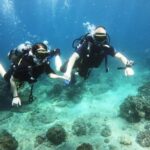
The course wraps with four open-water training sessions. Your training sites include Padang Bai and Tulamben, which gives you more than one environment to adjust to.
If you want one practical way to think about those sessions: treat them like your “rehearsal for independence.” The program is designed so that once certified, you can act as a confident diver able to dive safely to 18m.
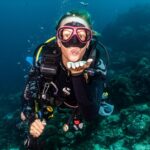
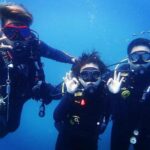
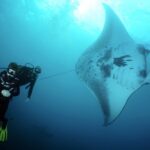
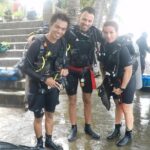
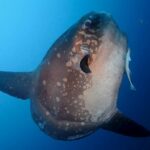
Neptune Scuba in Sanur: pickup, small groups, and instructors who slow down
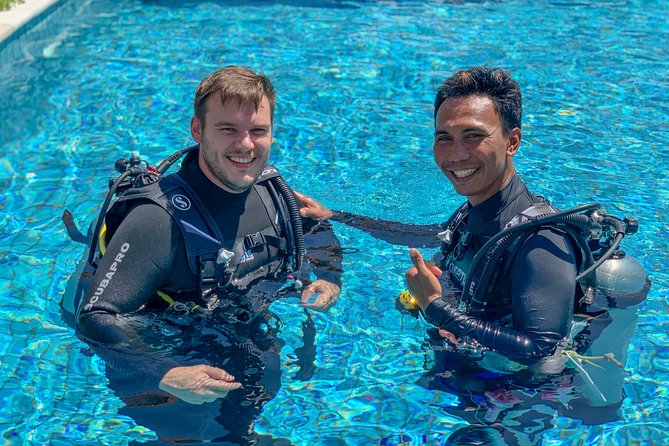
The operator behind this course is Neptune Scuba, and the way the training is set up gives it a real “learn at your pace” vibe.
Hotel pickup and drop-off removes friction
Pickup is included, and transport is by air-conditioned minivan. That matters in Bali because traffic and heat can turn a training day into a headache. Having the schedule handled for you keeps the course rhythm steady.
It also reduces stress if you’re trying to balance other plans in Kuta. You’re not playing taxi roulette.
Max 3 participants helps learning quality
A maximum group size of 3 people changes the feel of the class. With smaller groups, you’re more likely to get direct feedback when you need it, not just general guidance.
That’s especially helpful for people who are nervous at first or still building confidence. Several accounts highlight the patience of instructors and support staff, including names such as Gede Ariawan and Muli.
You may notice a “team” approach
Neptune’s support shows up in different roles: instructors and an underwater guide named Agus appear in positive experiences. Some programs feel like a handoff between staff. Here, the feedback suggests the support team keeps things organized across the full three days, from training to day-of logistics.
Open-water sessions: turning skills into confidence at 18m
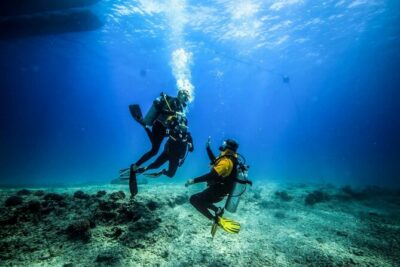
Open water is where everything becomes real. In a pool, you’re protected by distance and predictability. In open water, you’re learning to coordinate buoyancy, breathing, and attention while you’re surrounded by the sea.
The course’s depth ceiling of 18m is a big deal. It’s high enough to feel like proper progress, but it’s not an outlandish leap for new students. That clarity helps you understand your goal: you’re learning to function safely inside a defined range.
Why practicing in both Padang Bai and Tulamben helps
You’re not doing all four sessions in one single spot. Splitting your open-water training across Padang Bai and Tulamben is a practical way to build adaptability.
Even if the water conditions aren’t identical, your job stays the same: follow instruction, stay calm, and execute the skills you practiced earlier. Different locations force you to adjust your attention without changing the core checklist.
What I’d take from the best feedback
The most praised aspect is the way instructors handle beginners. Several positive experiences emphasize patience, professionalism, and clear encouragement. Names that show up include Gede Ariawan, Julian, and Muli, and one account calls out instructor Sia for support during the course.
If you’re someone who needs a slower pace, this is where that matters most. You’re not being rushed through “just to finish.” The tone described in strong experiences is about getting you competent and comfortable.
Price and value: what $530 covers (and what it doesn’t)
At $530 per person, this course sits in the mid-to-upper range for Bali certification programs. The key question is what you’re paying for, and the inclusions are fairly strong.
What’s included
You get a lot of the “day-of” costs handled:
- All taxes, fees, and handling charges
- Bottled water
- Lunch
- Coffee and/or tea
- Snacks
- Professional guide and driver/guide
- Hotel pickup and drop-off
- Transport by air-conditioned minivan
That list matters because certification courses can otherwise surprise you with add-ons. Here, the base package covers the core comfort and logistics.
What’s not included
- Souvenir photos are available to purchase, but they’re not part of the price.
So if photos are important to you, ask at the center how pricing works and when you can view them.
Is it good value for you?
It’s a good deal if you want:
- a structured 3-day format,
- small-group support (max 3 people),
- and a team that handles the moving pieces.
If you already plan to add extra underwater sessions around Bali after certification, completing a solid Open Water course becomes even more valuable.
Health, safety, and the questionnaire you should take seriously
Scuba training is not a “wing it” activity. The course includes safety requirements that you should plan around.
Health questionnaire and medical limits
You’ll be required to complete a health questionnaire prior to any water training. They specifically note that pre-existing medical conditions (including asthma and heart conditions) may prevent you from participating, so you should talk to your doctor if you have concerns.
They also flag situations like:
- coronary disease
- current cold or congestion
- epilepsy
- severe medical problems
- alcohol or drugs
Flying timing matters
They also advise that scuba training within 18 hours of flying is not recommended. This is a smart rule because travel can change your body state in ways that don’t mix with underwater activities.
If you’re flying into Bali, try to build a buffer day if your schedule allows it.
Who this PADI Open Water Course fits best
This is aimed at people who want real certification, not just a fun trial. The program is designed so that once you finish, you’re able to dive safely to 18m and continue building your skills.
Based on the course rules and the way it’s described by people who received good support, it’s especially suitable if you:
- want hotel pickup and clear transport,
- prefer small-group learning,
- are a beginner who appreciates patient coaching.
Minimum age is 10 years, and most people can participate as long as they meet the health requirements.
Should you book Neptune’s PADI Open Water Course in Kuta?
I’d book it if you value a structured path, good organization, and instructor patience. The combination of pickup, included meals, and a small max group size (3 people) makes the course feel manageable rather than chaotic.
I’d pause and plan carefully if any health issues are on your list, because the health questionnaire can block participation. Also, if you’re the type who wants photo souvenirs, budget for that separately.
If you’re ready for certification and want a course that takes new students seriously, this is a practical choice for Bali.
FAQ
Where is the PADI Open Water Course meeting point?
The start point is Neptune Scuba Diving Bali, Jl. Suka Merta, Sanur Kauh, Denpasar Selatan, Kota Denpasar, Bali 80228, Indonesia.
How long is the course?
It runs for 3 days on average.
What is the price per person?
The price is $530 per person.
Is hotel pickup and drop-off included?
Yes, hotel pickup and drop-off are included.
Does the course include open-water sessions?
Yes. The program includes open-water sessions, with a total of four open-water training sessions.
What locations are used for the open-water training?
The open-water training sessions take place in Padang Bai and Tulamben.
What is the maximum depth for this certification?
The course certification is designed for safe diving up to a maximum depth of 18m.
What is the minimum age?
The minimum age is 10 years.
How many people are in the group?
The maximum group size is 3 travelers.
Can I cancel for a full refund?
Yes. Free cancellation is available up to 24 hours in advance for a full refund. If you cancel less than 24 hours before the experience starts, you won’t get a refund.