REVIEW · ISLA MUJERES
Open Water Certification Course-PADI
Book on Viator →Operated by Aqua Adventures Eco Divers, 5 STAR PADI · Bookable on Viator
Scuba training that feels like a real vacation. This 3-day PADI Open Water course in Isla Mujeres mixes e-learning, in-water skills, and four guided underwater sessions, all organized around clear timing and a small group. You’ll be working with instructors face-to-face, then heading out when conditions are right.
What I especially like is how the course keeps structure without feeling rigid. You get all the SCUBA equipment included, so you’re not hunting rentals on vacation. I also like that it caps at 8 travelers, which means you’re more likely to get close attention when you’re learning buoyancy and safety basics.
One consideration: plan for ocean conditions. Currents can affect the schedule, and there’s a real chance your boat days or session order could shift if conditions aren’t cooperating.
In This Review
- Key Points You’ll Care About
- Why Isla Mujeres Works So Well for PADI Open Water
- Day 1 at the Center: E-Learning Review and Confined Water Skills
- Day 2 on the Boat: Two Underwater Sessions Where Skills Get Tested
- Day 3 in the Marine National Park: Final Two Sessions and Graduation
- The Team Style: Calm, Clear Coaching (With Real Personalities)
- Equipment, Timing, and How to Prep Without Stress
- Price and Value: What the $520 Includes (and What Could Shift)
- Should You Book This Course in Isla Mujeres?
- FAQ
- How long is the PADI Open Water course in Isla Mujeres?
- What’s included in the course?
- How many underwater sessions are there?
- Where do the sessions take place?
- What time does the course start?
- Is the course offered in English?
- How large is the group?
- Do I need prior scuba experience?
- What fitness level do I need?
- What happens if weather affects the schedule?
- Are service animals allowed?
Key Points You’ll Care About
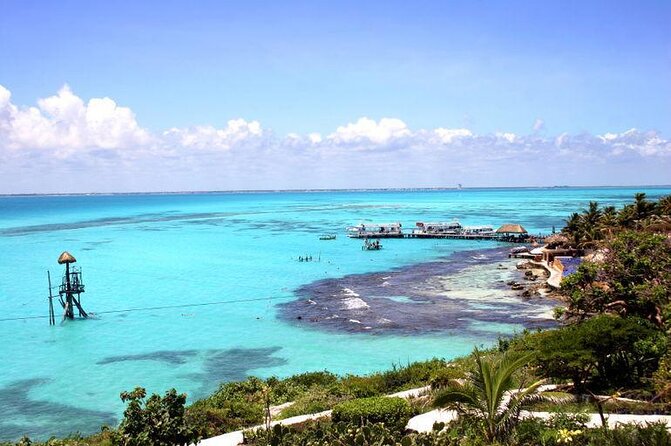
- PADI Open Water in 3 days with classroom review plus in-water skill training
- E-learning included, then reviewed with your instructor on site
- Two boat trips for four underwater sessions, using your new skills
- All gear included, so you just show up with what you need personally
- Small group (max 8), which helps when you’re still building confidence
- Isla Mujeres Marine National Park is part of the final day
Why Isla Mujeres Works So Well for PADI Open Water
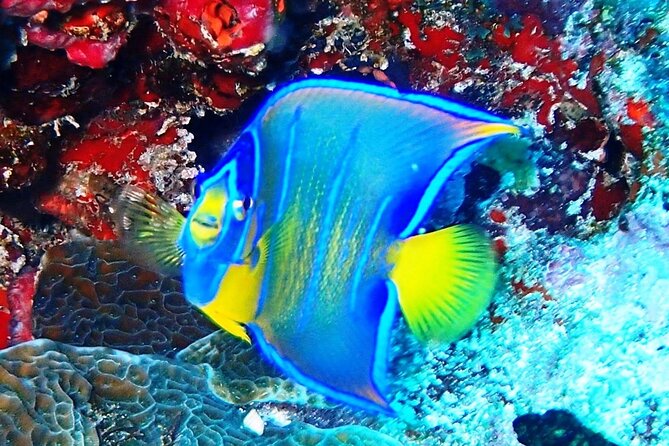
Isla Mujeres is a smart choice for a first certification because the whole experience is built around water time. You’re not just sitting through theory. You’re learning scuba basics, then proving them in controlled settings, then applying them on guided underwater sessions.
The other advantage is variety. You’ll move from indoor-style academic work into confined water skills, and then into open-water conditions. That progression matters because you don’t learn safety rules as something abstract. You learn them as actions you can repeat: equalize, control breathing, manage buoyancy, and check systems with a partner.
From a value angle, the $520 price is easier to judge when you look at what’s included: e-learning + knowledge development + confined water practice + two boat trips + four underwater sessions + equipment. For many first-timers, the big hidden costs are gear rental and boat time. Here, those are folded into the package, which makes planning simpler and usually less stressful.
You can also read our reviews of more tours and experiences in Isla Mujeres.
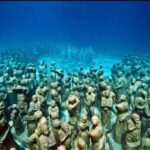
Day 1 at the Center: E-Learning Review and Confined Water Skills
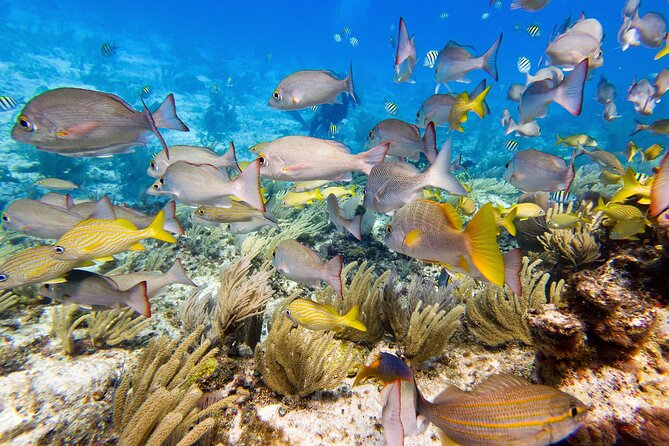
Day 1 starts with your academic work—through the included E-learning—then you review it in person with your instructor. The key idea is that you’re not left alone with a screen. You get a guided check of the principles of scuba and how the equipment works.
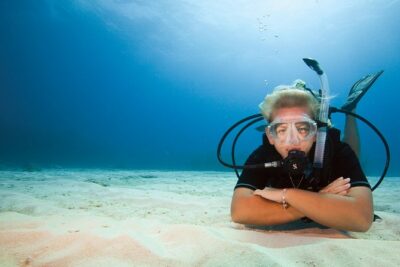
After that, you shift into confined water practice at the center. This is where your training becomes muscle memory. You’ll work on core skills with an instructor nearby, using a controlled space where you can repeat steps until they feel normal.
One practical benefit I love in this setup: it helps you get over the first-day fear factor. Your brain often worries about the unknown when you go underwater for the first time. Confined water takes that unknown and shrinks it. You can focus on technique—like breathing rhythm and stable body position—without the added pressure of open-water variables.
Also, you’ll want to arrive ready to move and learn. This course starts early, with start time listed at 8:00 am, while the day’s review is described as starting around 9:00 am. In other words: bring energy for a full learning morning, not just a quick stop.
Day 2 on the Boat: Two Underwater Sessions Where Skills Get Tested
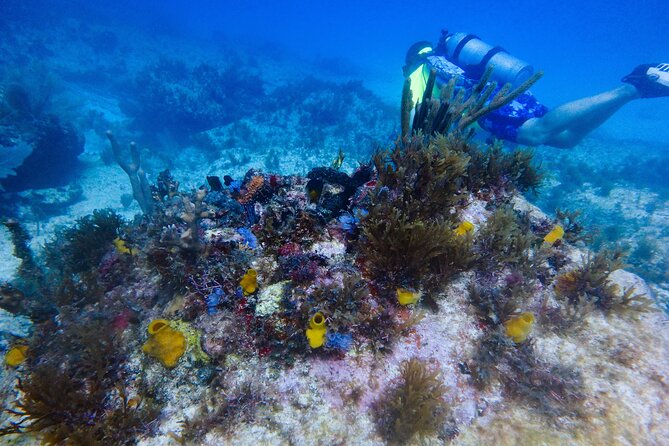
Day 2 begins back at the center, with another skills and knowledge review. This matters because by now, you’ve seen how the lessons translate to your body. The instructor reinforces what you must get right before you head out.
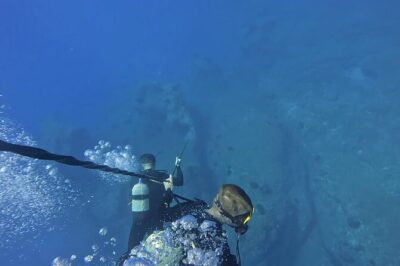
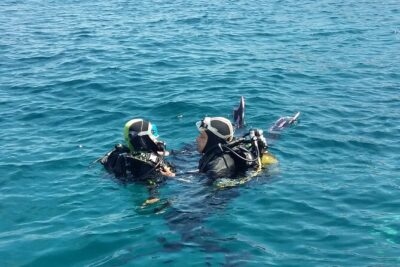
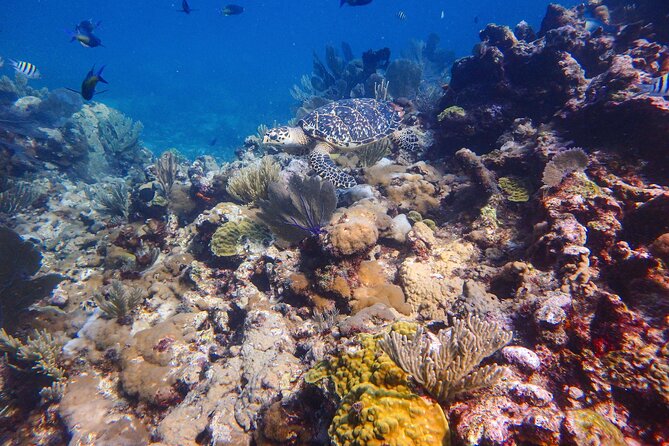
Then you take a boat trip for your first two open-water underwater sessions. This is where it turns into a real experience: you practice the skills you learned, but you also get to look around and enjoy the island’s clear water, coral, and sea life.
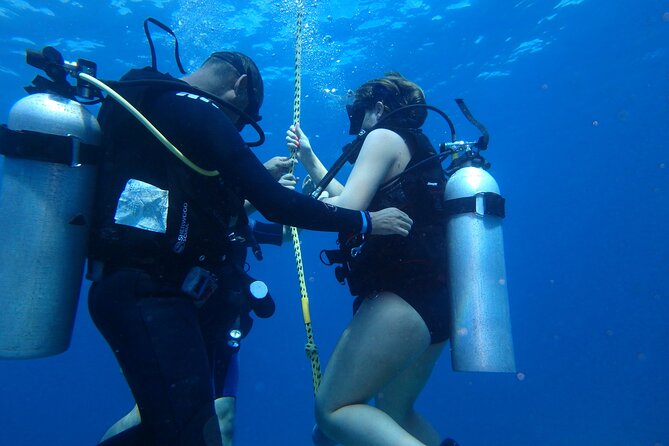
A tip for first-timers: don’t try to “perform.” Your job is to focus on the basics while you’re still getting used to the sensation of being underwater. If you treat the sessions like a checklist of skills—breathing control, buoyancy, and calm communication—you’ll get more out of it and you’ll feel less overwhelmed.
And because it’s a small group (up to 8 people), you’re more likely to get the kind of coaching that makes the difference between struggling and leveling up quickly. In multiple accounts from the team, instructors are described as patient and firm in a way that keeps safety tight without killing the fun.
Day 3 in the Marine National Park: Final Two Sessions and Graduation
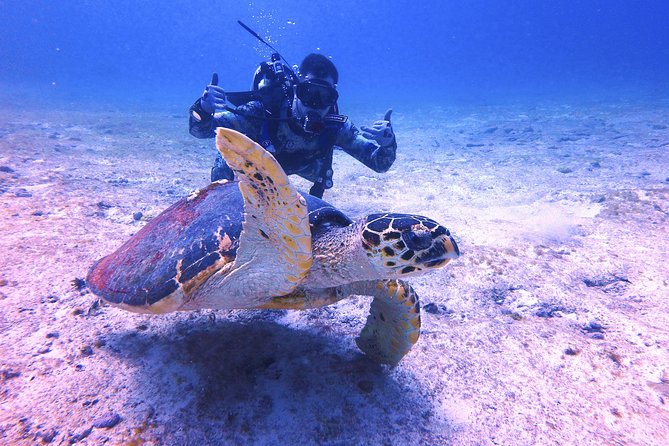
Day 3 is both review and celebration. You’ll do another at-the-center check-in with your instructor, then you head out again on a boat ride of about 20 minutes to a scuba site in the Marine National Park.
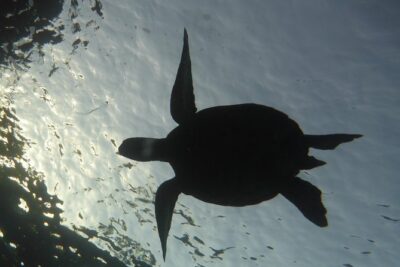
You’ll complete your remaining two-tank underwater sessions, using what you’ve built over the first two days. This is the day most people feel it clicking. The buoyancy work you were concentrating on becomes less chaotic, and you can spend more attention on the surroundings—underwater creatures, coral, and the satisfying rhythm of moving through open water while staying controlled.
The course ends with graduation back at the meeting point. That makes planning easier on your last day. You’re not wondering where you’ll end up or how to get yourself back after a late boat return.
Also, since this is an official PADI Open Water pathway, there’s a strong value in the pacing: two days of learning and practicing, then a full day of applying it in the most rewarding setting you have access to as a new certification holder.
The Team Style: Calm, Clear Coaching (With Real Personalities)
What makes this course feel good isn’t just the lesson plan. It’s the instructor approach. In the accounts tied to this shop, certain names show up repeatedly, and the pattern is consistent: instructors are patient, attentive, and clearly focused on safety.
For example, Sebastian is praised for patience and professionalism, and for training that stays calm even when skills get more demanding. Nina is described as listening closely, supportive, and very effective at keeping things organized underwater, including playing a strong “back of group” safety role on some sessions. Pedro is highlighted for making students feel safe, especially while working through challenges like stronger current conditions.
On the staff side, Jessica and Jason are often mentioned for smooth coordination and communication, especially when plans need to adapt. If you’re someone who gets anxious about logistics while traveling, that kind of office support is a big plus.
Even the way different instructors interact seems to matter. Some are described as thorough and encouraging for first-timers, while others are described as firm but clear—essential when you’re learning how to do skills independently and safely.
Equipment, Timing, and How to Prep Without Stress
You’ll travel lighter than you might expect because the course includes the SCUBA equipment you need. That’s not a small detail. For many first-timers, the hassle is less about money and more about time spent figuring out rentals, sizes, and what’s compatible with your gear needs.
Because the schedule is focused (three mornings starting early), you should also think about your day-to-day comfort on the island:
- Bring a change of clothes for after training.
- Plan for a full morning. You’re not done after a quick lesson.
- Be ready for some physical activity. The activity notes moderate physical fitness.
Group size helps here too. With a maximum of 8 travelers, the training tends to feel more like a coached class than a crowded assembly line. That matters when you’re learning something technical like equalization timing, buoyancy control, and situational awareness underwater.
Finally, you’ll receive a mobile ticket, and confirmation is provided at booking. So once you lock in your dates, you can focus on packing and travel—rather than chasing paperwork.
Price and Value: What the $520 Includes (and What Could Shift)
At $520 per person for about three days, the value depends on what else you’d pay if you tried to DIY this. Here’s the big picture of what’s included: E-learning + knowledge development + confined water practice + two boat trips + four underwater sessions + all SCUBA equipment.
That package structure is what makes the price feel fair. You’re not only paying for instruction. You’re paying for the whole training pathway and the in-water practice time that actually produces certification.
Where value meets reality: the ocean doesn’t always cooperate. One course experience described delays due to current and port closure, and the team coordinated a referral so the student could complete the remaining sessions elsewhere without extra fees. That’s not something you can count on, but it’s a useful signal: the shop appears willing to solve problems when conditions change.
If you’re traveling with tight timing, I’d still build in a little flexibility. PADI open-water training is usually doable, but sea conditions can force adjustments. Treat this as a learning course first, and a perfect-photo vacation second. You’ll get more out of it that way.
Should You Book This Course in Isla Mujeres?
If you want a structured path to PADI Open Water with equipment included, small-group coaching, and real open-water practice in Isla Mujeres, this is a strong pick. It’s especially well-suited if you’re:
- getting certified for the first time and want clear, patient instruction
- someone who doesn’t want to manage rental gear or complicated logistics
- planning a short trip where you want certification to happen quickly and cleanly
I’d think twice if you absolutely cannot adjust your schedule due to boat-day timing. Conditions and currents can affect session timing, and while support seems strong, you may need flexibility.
FAQ
How long is the PADI Open Water course in Isla Mujeres?
It’s listed as approximately 3 days.
What’s included in the course?
It includes E-learning, knowledge development, confined water practice, and two boat trips for a total of four underwater sessions. SCUBA equipment and gear are included.
How many underwater sessions are there?
There are four underwater sessions total across the course.
Where do the sessions take place?
It’s in Isla Mujeres, starting at Aqua Adventures Eco Divers, a 5 Star PADI center across from Javi’s Cantina in Centro. The activity ends back at the meeting point.
What time does the course start?
The start time is listed as 8:00 am, with day reviews described as starting around 9:00 am.
Is the course offered in English?
Yes, the course is offered in English.
How large is the group?
The maximum group size is 8 travelers.
Do I need prior scuba experience?
No prior experience is stated. It’s a PADI Open Water certification course that includes training steps from e-learning to confined and open-water practice.
What fitness level do I need?
The activity notes travelers should have a moderate physical fitness level.
What happens if weather affects the schedule?
The experience requires good weather. If canceled due to poor weather, you’ll be offered a different date or a full refund.
Are service animals allowed?
Yes, service animals are allowed.