REVIEW · SETUBAL DISTRICT
Lisbon Eco-Try Dive – Diving Baptism
Book on Viator →Operated by Anthia Diving Center · Bookable on Viator
First time underwater in Portugal, I felt safe fast. This Lisbon-area eco try session takes you to Professor Luíz Saldanha Marine Park via a short, friendly introduction that’s designed for people who want the underwater world without committing to a full certification program. You also get the added feel-good angle of eco-diving, with a goal tied to helping clean and preserve the sea floor.
Two things I really liked: you’re treated as a small group with one instructor for every two people in the water, and you finish with an SSI-recognized program certificate called Mission Deep Blue. The one caution: it asks for moderate physical fitness and it depends on good weather, so your plan has a bit of nature built in.
In This Review
- Key Things to Know Before You Go
- Scuba Isn’t the Point. The Reef Mission Is.
- Where You Start: Sesimbra’s Easy Meeting Point
- Stop 1 in Real Life: Sesimbra Before Going Under
- Stop 2: Parque Natural da Arrábida’s Coastal Setting
- Eco-Diving: What Helping the Sea Floor Actually Means
- Safety and the Instructor Ratio That Changes Everything
- Certification That Counts: SSI and Wild Sea Europe Recognition
- Timing and What to Plan Around (1:00 pm Start)
- Price and Value: Is $117.21 Fair for a Try Session?
- Who This Trip Is Best For
- Should You Book This Eco Try Scuba in Sesimbra?
- FAQ
- How long is the Lisbon Eco-Try Scuba experience?
- Where do I meet for the activity?
- What time does the session start?
- Is this activity private?
- Is instruction available in English?
- Do I need scuba certification to participate?
- What fitness level is required?
- Does weather affect the experience?
- What is the cancellation policy?
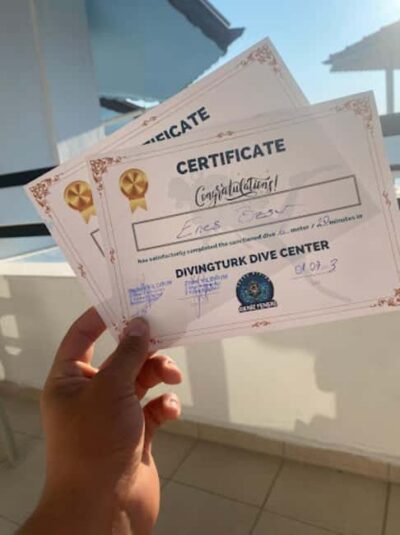
- What certificate will I get at the end?
Key Things to Know Before You Go
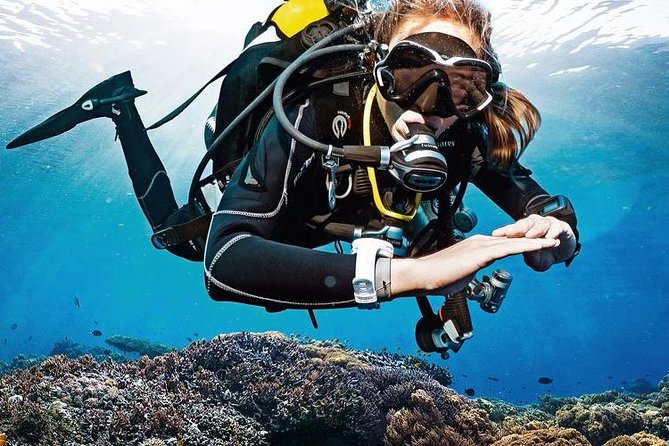
- Professor Luíz Saldanha Marine Park: the underwater stop is aimed at showcasing major biodiversity in Europe.
- Mission Deep Blue certificate: you leave with a formal completion piece, not just a memory.
- 1 instructor per 2 participants: hands-on attention is built into the safety approach.
- Eco mission mindset: the day includes the idea of helping clean and preserve the sea floor.
- Private by group: only your group participates, which usually means less waiting and more direct coaching.
Scuba Isn’t the Point. The Reef Mission Is.
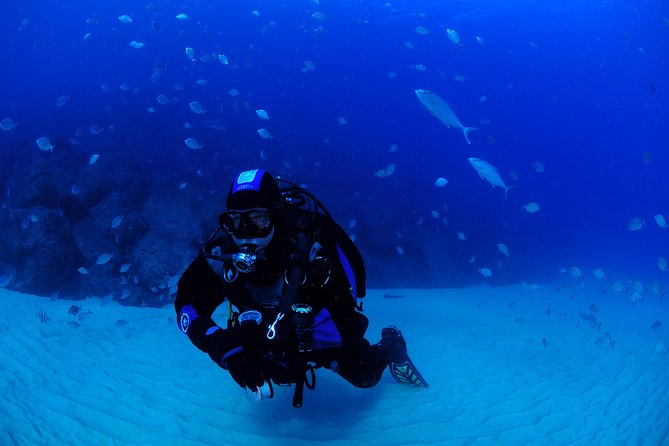
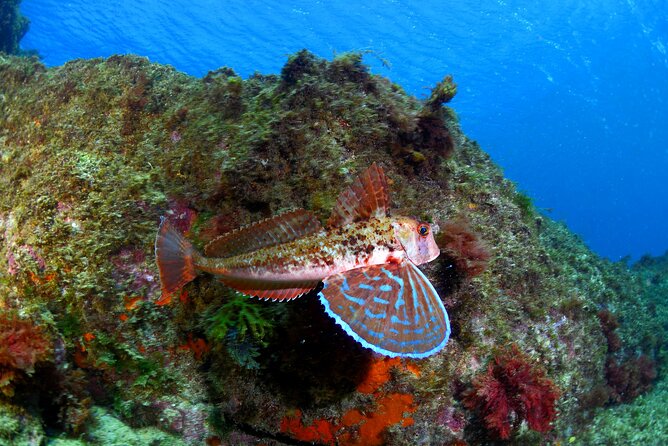
This experience is built around an underwater introduction, but the real hook is the eco focus. You’re going to Professor Luíz Saldanha Marine Park with the promise of seeing a lot of marine life, and you’re doing it through an approach that aims to reduce harm and support preservation.
I like that it’s not framed as a “just come watch” moment. The program philosophy is eco-diving, and you’re given an opportunity to help clean and preserve the sea floor. That means you’re not only learning how to be comfortable underwater. You’re also learning what to do (and what to avoid) so the experience doesn’t cost the ocean.
This is also a practical route if your goal is curiosity plus confidence. The try format is meant to let you get to know the underwater world without going all-in on a larger certification process. If you already know you want a full, long-form course, you might feel this is too short for that goal. But if you want a first taste with structure, it’s a good fit.
You can also read our reviews of more tours and experiences in Setubal District.
Where You Start: Sesimbra’s Easy Meeting Point
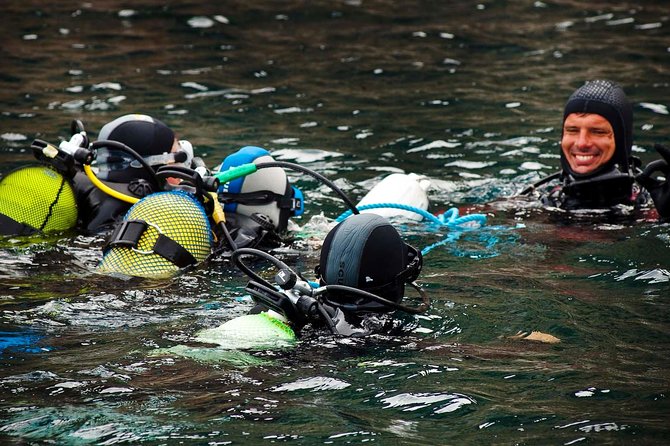
You meet at the Anthia center at Porto de Abrigo, Loja 1, 2970-152 Sesimbra, Portugal. The start time is 1:00 pm, and the whole experience runs about 3 hours (approx.), ending back where you started.
That “back at the meeting point” part matters more than people think. You don’t need to coordinate a separate return plan or figure out transport for an endpoint far from where you began. It’s a straightforward, half-morning/afternoon chunk that’s easier to plug into a day in the Setúbal area.
You’ll also receive a confirmation at booking time, and you’ll use a mobile ticket. If you like showing up with less paper and fewer steps, that’s a win.
Stop 1 in Real Life: Sesimbra Before Going Under
Sesimbra isn’t just a name on a map here. It’s the staging area for your whole program, and it sets the tone for how the day feels. You’ll be with the team at the center, and from there you move into the natural “training flow” you need for a try session.
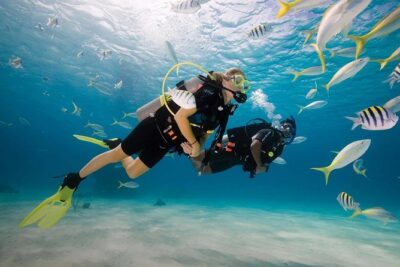
What I like is the safety design. The program states that they assign an instructor to every two people in the water. Even if you’re new, that ratio changes the whole experience. It’s not you floating off somewhere and hoping someone notices. You have a clear point of contact, and your instructor can correct small habits quickly.
This is also where you’ll feel the “baptism-style” idea: a guided introduction rather than a strict, formal course. Your time is planned, and the coaching is meant to help you feel competent enough to enjoy the underwater world instead of simply surviving it.
A possible drawback for some: a try session still requires you to follow instructions closely. If you’re the type who gets stressed by new equipment or new rules, give yourself a little extra patience. The structure is there to support you, but it won’t be hands-off.
Stop 2: Parque Natural da Arrábida’s Coastal Setting
After Sesimbra, the day includes Parque Natural da Arrábida. Even if you’re focused on what happens underwater, the coastal setting is part of why this experience feels special.
The park is included as a stop in the day’s plan, which suggests you’re not just doing a quick check-in and then vanishing. You get time connected to the natural area, and that context helps you understand why the eco mission matters.
This is the kind of setting where you’ll likely appreciate the “do no harm” mindset. If you care about responsible travel, seeing a protected natural park as part of the schedule reinforces that you’re stepping into a real ecosystem, not a theme park imitation.
One caution: since the activity depends on good weather, outdoor time and underwater timing can shift with conditions. If your schedule is rigid, build in buffer. Weather can mean the difference between a smooth session and a reschedule offer.
Eco-Diving: What Helping the Sea Floor Actually Means
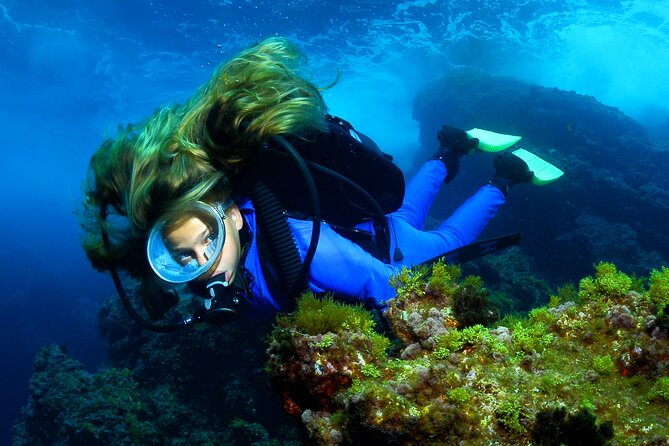
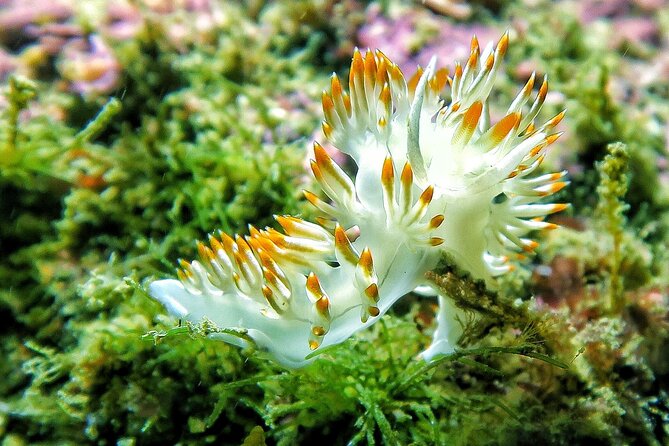
The program’s eco-diving philosophy is one of its biggest strengths. You’re given the opportunity to help clean and preserve the sea floor. That matters because underwater wildlife relies on stable habitats, and careless interactions can damage fragile bottom areas.
What to take from that, as a traveler: you should expect the team to set clear guidelines for how you move underwater. When an eco mission is part of the structure, behavior isn’t optional. You’ll likely be coached on how to avoid stirring up sediment, how not to touch wildlife, and how to follow the instructor’s route and timing.
I also like that the eco element isn’t just marketing language. The day ends with an actual certificate: Mission Deep Blue. That gives the mission a concrete finish line, which can help you feel like you contributed, not just watched.
Important reality check: you won’t be turning into a marine conservation hero in one afternoon. But you can still leave with the right habits. And that’s what keeps eco experiences meaningful: learning how to act responsibly so the next visit costs the ocean less.
Safety and the Instructor Ratio That Changes Everything
This is where the program earns its high marks. The information is very specific: they assign an instructor to every 2 people in the water.
For you, that ratio usually means:
- More attention when you’re learning basic control and buoyancy.
- Quicker corrections if something feels off.
- Less time spent guessing what’s expected.
A scuba try experience can be intimidating, mostly because it’s new. With this staffing structure, the stress drops. The day becomes an instructor-guided experience rather than a group of strangers struggling together.
You’ll also feel better because the program emphasizes never neglecting safety. When a company puts safety in plain terms like that, it signals that the team has a system, not just good intentions.
From the reviews, the human side shows up too. People describe the team as friendly and the overall day as unforgettable. That combination—safety systems plus approachable instructors—is exactly what you want on day one in open water.
Certification That Counts: SSI and Wild Sea Europe Recognition
The try program is described as internationally recognized by SSI (Scuba Schools International) and Wild Sea Europe. That matters even if you never plan to pursue a full certification path, because it suggests the training framework has credibility.
It also affects the kind of structure you can expect. Recognized programs usually have consistent standards for how they teach, how they assess basic readiness, and how they document completion.
And at the end, you receive the Mission Deep Blue certificate. That’s a meaningful souvenir with an actual program behind it. It’s not just a photo moment where you wonder what you did next.
If your main goal is bragging rights, the certificate is handy. If your main goal is building confidence for future underwater time, it also helps you track what you completed in a way you can reference later.
Timing and What to Plan Around (1:00 pm Start)
The start is 1:00 pm, and the total duration is about 3 hours. Because it’s a short, planned session, it’s easier to build your day around it than longer courses.
Still, remember two weather-related facts:
- The experience requires good weather.
- If it’s canceled due to poor weather, you’ll be offered a different date or a full refund.
So plan like a pro: keep the rest of your afternoon flexible, and try not to stack another tight activity right after. If weather is borderline, the timing may change.
Also keep an eye on the physical side. The tour calls for moderate physical fitness. That doesn’t mean you need to be an athlete. But you should be comfortable with some physical effort and following instructions without hesitation.
Price and Value: Is $117.21 Fair for a Try Session?
At $117.21 per person, this is not a bargain-basement “one-time experience,” but it’s also not priced like a full certification course. The value comes from the mix of elements you get in about three hours:
- Access to Professor Luíz Saldanha Marine Park for an underwater-focused introduction.
- The eco-diving mission element (helping clean and preserve the sea floor).
- Safety structure (instructor for every two people).
- An end certificate tied to Mission Deep Blue.
- International program recognition (SSI and Wild Sea Europe).
When I look at value, I think about risk and attention. A try experience without strong coaching can turn into wasted money or a stressful day. Here, the instructor ratio and safety emphasis make the pricing feel more reasonable. You’re paying for guided competence, not just equipment and access.
It also helps that this is private for your group. Private usually means less downtime and a calmer experience, especially for first-timers.
Who This Trip Is Best For
This is a great match if you:
- Want an underwater introduction without signing up for a bigger certification program.
- Care about responsible marine travel and like the idea of a real eco mission.
- Prefer a guided experience where safety and attention are clearly prioritized.
You might not love it if you:
- Want a long, multi-session certification journey.
- Know you’re uncomfortable with new gear and following close instructions in real time.
- Are traveling on a schedule so tight that a weather reschedule would be painful.
But for most curious first-timers, this hits a sweet spot: structured, short, and eco-focused, with safety built into the staffing.
Should You Book This Eco Try Scuba in Sesimbra?
If you’re looking for a first underwater experience that feels responsible and well-run, I think it’s worth booking. The combination of Mission Deep Blue, eco mission framing, and the two-to-one instructor ratio is exactly what makes a try session feel like a real activity instead of a gamble.
Book it if your body can handle a moderate fitness level and you’re okay with the fact that good weather is required. If you’re flexible and want an experience you’ll remember as more than a one-off photo, this is the kind of trip that leaves you feeling good for a reason.
FAQ
How long is the Lisbon Eco-Try Scuba experience?
It’s about 3 hours (approx.).
Where do I meet for the activity?
You start at Anthia center at Porto de Abrigo, Loja 1, 2970-152 Sesimbra, Portugal.
What time does the session start?
The start time is 1:00 pm.
Is this activity private?
Yes. It’s listed as a private tour/activity, and only your group participates.
Is instruction available in English?
Yes, the experience is offered in English.
Do I need scuba certification to participate?
No full certification is required for this try program. It’s designed to let you get to know the underwater world without committing to a more extensive certification program.
What fitness level is required?
Travelers should have a moderate physical fitness level.
Does weather affect the experience?
Yes. The activity requires good weather. If it’s canceled due to poor weather, you’ll be offered a different date or a full refund.
What is the cancellation policy?
You can cancel for a full refund if you cancel up to 24 hours in advance of the experience’s start time. If you cancel less than 24 hours before, the amount paid isn’t refunded.
What certificate will I get at the end?
You receive a certificate of Mission Deep Blue.