REVIEW · SETUBAL DISTRICT
Eco – Try Dive
Book on Viator →Operated by Anthia Diving Center · Bookable on Viator
Your first time underwater, without the guesswork. I like that this Try Scuba program in Sesimbra is built for beginners, with safety-first guidance and an instructor for every two people in the water.
What I also love is the eco angle: you don’t just learn equipment and breathing—you help with an underwater seabed cleanup and qualify for the Mission Deep Blue certificate in the Arrábida region near the Luíz Saldanha Marine Reserve.
One thing to consider: it depends on good weather, and lunch isn’t included, so you’ll want to plan your afternoon food and be ready for a schedule shift if conditions aren’t right.
In This Review
- Key highlights before you go
- Sesimbra intro scuba, with real eco purpose
- Where to meet and how the afternoon works
- What’s included (and what you’ll pay for separately)
- The eco mission that earns your Mission Deep Blue certificate
- Safety setup that keeps the experience calm
- Confined water vs open water: what you’re actually training for
- What the underwater time feels like in this area
- Group size matters more than you think
- Price and value: what $103.18 buys you
- Practical tips so you feel confident on arrival
- Who this Try Scuba program fits best
- Should you book? My straight answer
- FAQ
- Where is the meeting point for the Try Scuba program?
- What time does the experience start?
- How long does the activity take?
- What’s included in the price?
- Is lunch included?
- Do I get a certificate at the end?
- What’s the maximum group size?
- How many instructors are in the water with participants?
- What if weather is bad, or I need to cancel?
Key highlights before you go
- Instructor-to-student ratio: one instructor for every two people in the water
- Mission Deep Blue certificate: you finish with a real credential from the eco mission
- Eco cleanup focus: part of the experience is helping preserve the seabed
- Small max group size: up to 15 travelers
- Good-weather operation: plans can change if the sea isn’t cooperative
- Equipment included: scuba gear use is part of the price
Sesimbra intro scuba, with real eco purpose
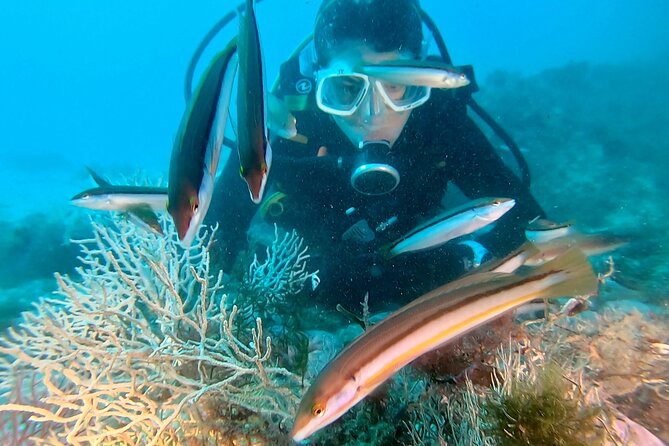
If you’re curious about what’s under the water in Portugal but you don’t want a full certification path yet, this Try Scuba program is designed for exactly that first step. It’s an introduction to scuba in either confined water or open water, depending on conditions and what you’re ready for. The goal is simple: you learn the basics, you experience real underwater time, and you leave with the Mission Deep Blue certificate tied to an eco mission.
The setting matters. This runs in the Setúbal District area, specifically around Sesimbra in the Arrábida region. The program highlights the Luíz Saldanha Marine Reserve and notes more than 1,500 different species in the area. Even if you’re brand new, that context helps make the experience feel like more than a short activity. You’re not only trying out gear—you’re joining an effort to protect the place you’re visiting.
You can also read our reviews of more tours and experiences in Setubal District.
Where to meet and how the afternoon works
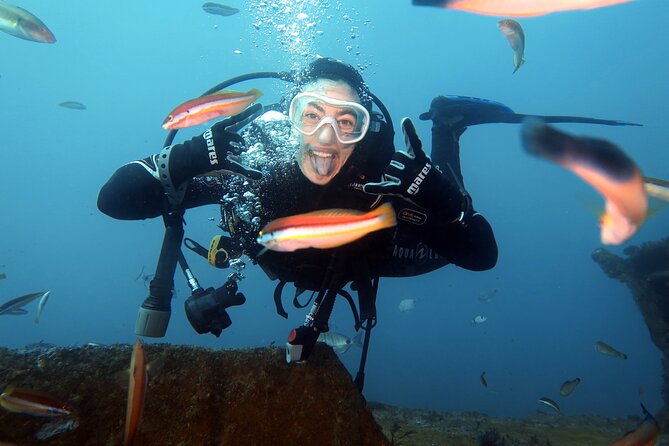
You start at Anthia in Sesimbra, at Porto de Abrigo, Loja 1, 2970-152 Sesimbra, Portugal. The start time is 2:30 pm, and the whole activity is about 4 hours (approx.). It ends back at the same meeting point.
That timing is practical. A 2:30 pm start gives you time in the morning for sightseeing, a late lunch, or beach time in Sesimbra. Then you’re done in the afternoon/evening window—perfect if you want to keep the rest of your trip flexible. Since it ends at the starting point, you’re not stuck with extra logistics afterward.
One small plus for day-planning: the listing uses a mobile ticket, so you’re not juggling printed paperwork. And it’s near public transportation, which helps if you’re not driving.
What’s included (and what you’ll pay for separately)
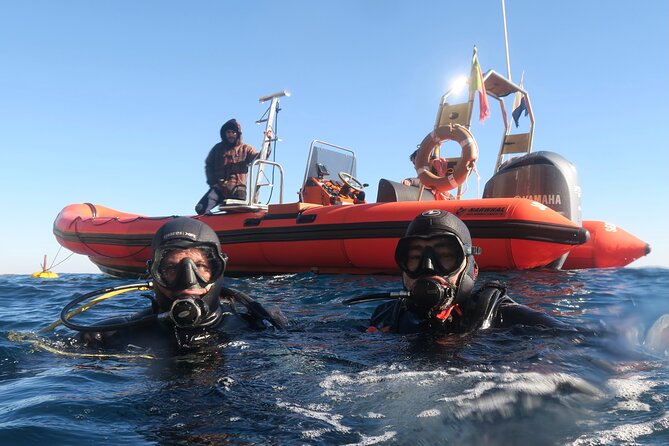
The included item is straightforward: use of scuba equipment. That’s a big deal for beginners. You’re not trying to source or rent gear on your own, and you can focus on the training part—learning how everything works while someone helps you stay comfortable.
Lunch is not included. With a 4-hour block starting at 2:30 pm, you’ll likely want a plan for food either before you arrive or after you return. If you’re the type who hates making decisions mid-day, grab a snack or meal earlier so you’re not thinking about hunger while you’re learning something brand new.
Also keep in mind the program is aimed at people with moderate physical fitness. You don’t need athlete-level stamina, but you should be comfortable moving through the water and following instruction carefully.
The eco mission that earns your Mission Deep Blue certificate
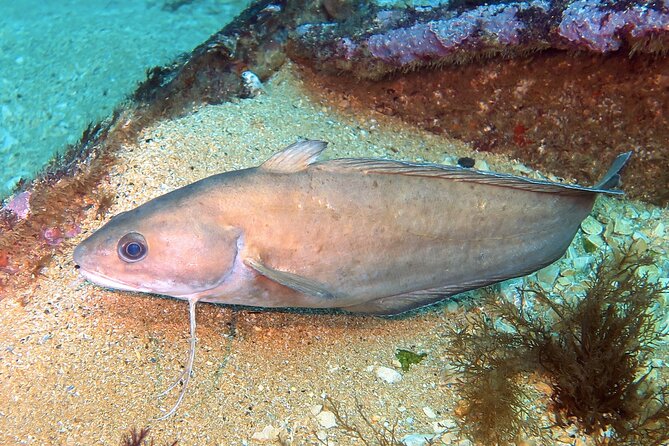
This is where the program becomes more memorable than a standard intro session. In addition to the underwater learning component, it includes an eco experience focused on helping preserve the seabed. The program specifically mentions cleaning up the bottom of the sea as part of the experience.
At the end, you qualify to receive a Mission Deep Blue certificate. That matters because it gives your day structure and a sense of purpose beyond the novelty of being underwater. You’re participating in a mission linked to the Arrábida area and the Luíz Saldanha Marine Reserve, which is why the certificate exists in the first place.
One helpful way to think about it: you’re not only learning scuba basics. You’re learning how to behave underwater in a way that supports the ecosystem. If you’re the kind of traveler who likes experiences with a mission—and not just a checkmark—you’ll probably click with this format.
Safety setup that keeps the experience calm
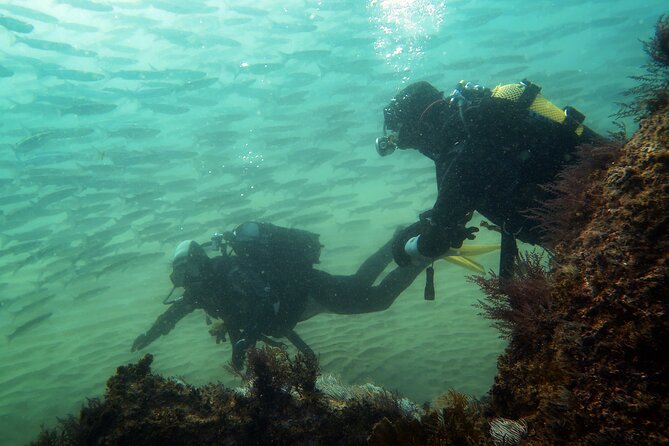
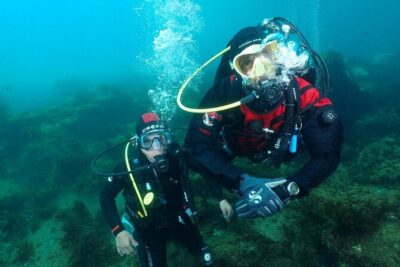
Safety is a major emphasis here, and you can feel it in the staffing model. The program states that they promote training continuously and, during the water time, place an instructor for every 2 people in the water.
That ratio is what you want for a first-time experience. It means you’re not getting lost in a group. It also reduces the chances that you’re left to figure things out on your own while everyone else is moving on. When you’re learning buoyancy, breathing rhythm, and basic handling, having close support keeps stress low.
The reviews back up the same theme: people highlighted how professional and kind the team was, how safe they felt at every stage, and how instructors balanced competence with fun. One reviewer even described this as perfect for first-time scuba for both kids and adults, which is exactly what you’d hope for in an intro program.
Confined water vs open water: what you’re actually training for
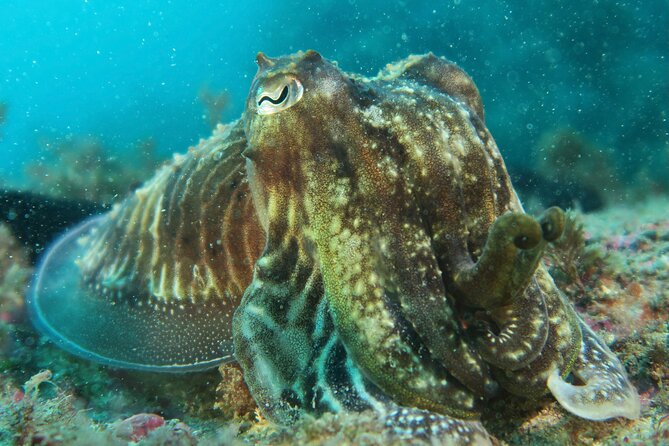
The Try Scuba program is designed as an introduction that doesn’t force you into a longer certification commitment. You may practice in confined water first, or move into open water. The idea is to help you build comfort step-by-step.
Here’s what that usually means in practical terms (and what you should watch for when you arrive):
- You’ll get an orientation before any real time underwater, so you understand how the gear works and what to expect.
- The training focuses on the basics you need to feel in control, not complicated skills you don’t yet want.
- The shift between confined water and open water depends on conditions and your comfort level.
The program specifically says it can be in confined or open water, so you shouldn’t expect a single fixed pathway. If the sea and visibility aren’t cooperating, you might spend more time in the controlled environment. If conditions are good, you’ll likely get open-water experience too.
What the underwater time feels like in this area
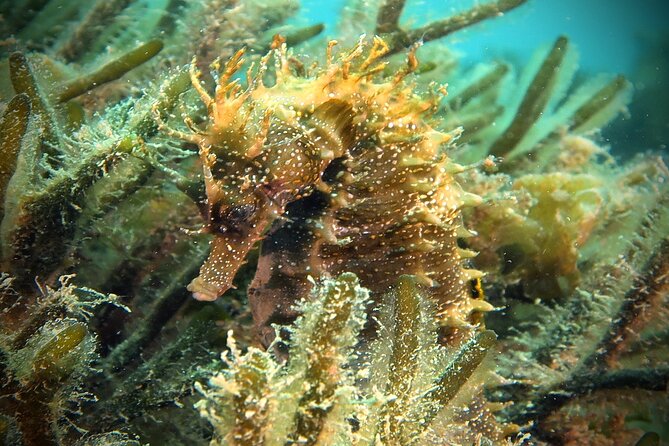
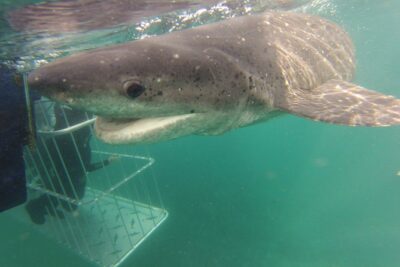
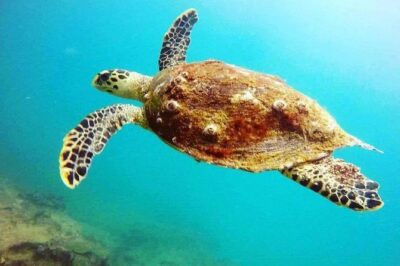
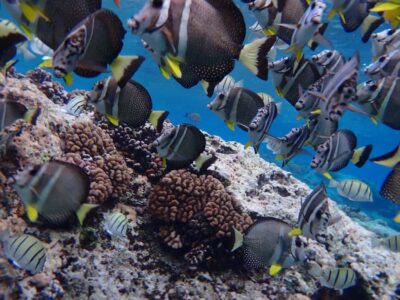
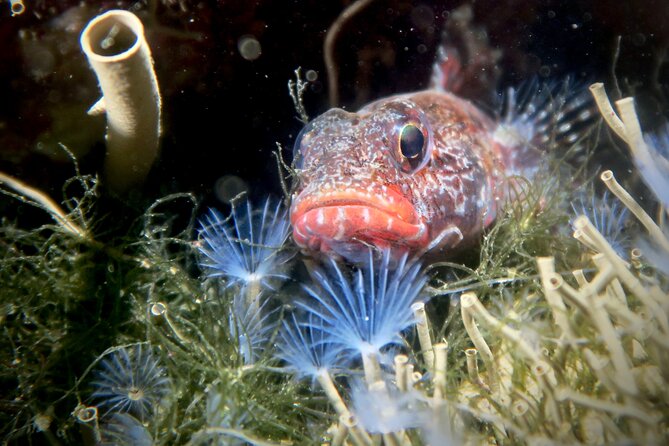
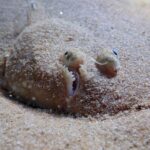
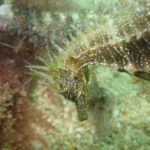
The program highlights the Arrábida region and the Luíz Saldanha Marine Reserve, and it notes more than 1,500 species. While you can’t guarantee you’ll see every type of marine life in one short session, the whole point of operating in this zone is that there’s likely plenty to observe—especially for beginners seeing a world they’ve never experienced directly.
Some reviews specifically mention clear water and lots of sea life, which is the kind of detail that makes a difference. Clear visibility turns the experience from instructional into genuinely exciting. Even if you come for the intro training, the “wow” moments often come from the moment you realize you can actually see what’s around you.
And the eco cleanup adds a different kind of attention. You’re not just looking; you’re also contributing. That combination tends to make the day feel purposeful rather than passive.
Group size matters more than you think
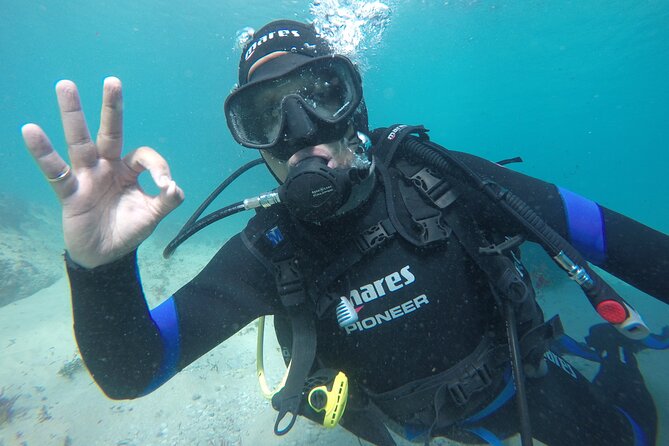
The maximum group size is 15 travelers. On paper, that doesn’t sound huge. In practice, it can affect how crowded things feel at the center and how much time you get for questions.
The best sign here is the way water-time safety is handled: instructor coverage is based on one instructor per two people in the water, not just overall group size. That means even with up to 15 people on the day, the underwater experience should still feel controlled and personal.
If you don’t love big-group activities—especially ones where you have to wait around for your turn—this small-group limit is a good sign.
Price and value: what $103.18 buys you
The price is $103.18 per person, with the program duration around 4 hours. It’s usually booked about 12 days in advance on average, so you may find availability if you plan ahead, especially during busy periods.
Here’s why the value can be strong:
- You get scuba equipment included, which reduces extra rental costs.
- You get an intro experience that can be in confined or open water, without committing to a full certification pathway.
- You also get the eco mission element and qualify for the Mission Deep Blue certificate.
What you should account for:
- Lunch isn’t included, so you’ll need to cover your own meal.
- The experience depends on good weather. If conditions are rough, the day might shift or you might need a different date.
If you compare this to paying separately for gear plus lessons plus a guided underwater activity, the included equipment and the structured eco component help it feel more like a complete package than a bare-bones trial.
Practical tips so you feel confident on arrival
Since this is a beginner-friendly program, your number-one job is to show up ready to listen and follow instruction. Beyond that, a few practical points can help:
- Arrive a bit early so you have time to settle in at the meeting point at Porto de Abrigo.
- Wear something that works for a day that includes time in swimwear and time on land (you’ll be coordinated on-site).
- If you’re traveling with kids or you have language barriers, don’t panic: the program’s reviews mention attention to needs and help when language differs, which suggests they handle communication well.
- Since it’s near public transportation, you can plan without renting a car—especially useful if you want an easy beach-and-water day in Sesimbra.
And because this is tied to an eco cleanup, treat the day like you’re joining a shared responsibility. The more relaxed and attentive you are, the smoother the mission part feels.
Who this Try Scuba program fits best
I think this works best if you’re one of these types of travelers:
- First-timers who want real coaching and safety support.
- People who like experiences with an eco mission, not just sightseeing.
- Families (including teens) who want a structured program with instructors who manage both safety and fun.
- Anyone who wants a certificate after a single organized outing, through the Mission Deep Blue pathway.
It might be less ideal if you:
- Have difficulty meeting the stated moderate physical fitness level.
- Hate weather-dependent plans. The program requires good weather, and if canceled, you’ll be offered another date or a full refund.
Should you book? My straight answer
Book it if you want a first underwater experience that’s built for beginners and doesn’t treat safety like an afterthought. The instructor model, the small max group, and the eco cleanup mission all point to a well-structured day. Add in equipment included and a Mission Deep Blue certificate, and you’ve got real value for a single afternoon.
Don’t book it on a day you can’t change plans around. Weather can affect the schedule, and you should be ready to be flexible. If you can do that, this is the kind of intro scuba session that leaves you with more than just photos—it leaves you with a sense of having contributed.
FAQ
Where is the meeting point for the Try Scuba program?
You’ll meet at Anthia in Porto de Abrigo, Loja 1, 2970-152 Sesimbra, Portugal. The activity also ends back at the same meeting point.
What time does the experience start?
The start time is 2:30 pm.
How long does the activity take?
It’s about 4 hours (approx.).
What’s included in the price?
The price includes use of scuba equipment.
Is lunch included?
No. Lunch is not included.
Do I get a certificate at the end?
Yes. You qualify to receive a Mission Deep Blue certificate after completing the eco experience.
What’s the maximum group size?
The experience has a maximum of 15 travelers.
How many instructors are in the water with participants?
The program states there is one instructor for every 2 people in the water.
What if weather is bad, or I need to cancel?
This experience requires good weather. If it’s canceled due to poor weather, you’ll be offered a different date or a full refund. You can cancel for free up to 24 hours in advance for a full refund.