REVIEW · RHODES
(Full day)Scuba Diving in Rhodes
Book on Viator →Operated by The Waterhoppers Diving School · Bookable on Viator
Hooked by the idea of underwater class time? This try-scuba outing in Rhodes is built for first-timers, with all gear handled and a full boat day wrapped around one guided underwater session.
What I like most is how it’s designed to build confidence fast. You get a real coaching setup with a professional instructor, then you’re in the water with close supervision, not left to guess. The second thing I really appreciate is the flexibility: you can snorkel, swim, and enjoy the sea time while others are gearing up, and you can add an optional second underwater session if you want more.
The main consideration is timing and expectations. It’s not a full day of underwater time. Plan for a short first session (often around 10–20 minutes underwater), plus a lot of boat time that’s best used for swimming and snorkeling (or for relaxing in the sun).
In This Review
- Key Things That Make This Rhodes Scuba Day Work Well
- Getting Oriented at Waterhoppers in Rhodes
- The Boat Ride and the Safety Briefing That Really Helps
- Your First Underwater Session: What to Expect (and What to Ignore)
- How to Get the Most Out of Your Short Underwater Time
- Optional Second Underwater Session and Photo Packages
- A Note About the Day’s Flow
- Snorkeling, Swimming, and What You Can Do Between Sessions
- Where Lunch Fits (and Where It Doesn’t)
- Timing, Group Size, and the Reality of an 8-Hour Day
- Transfers and Getting There Without Stress
- Who This Experience Is Best For (and Who Might Want a Different Plan)
- Health and Safety Rules You Should Know Up Front
- Price and Value: Is It Worth €84.65?
- Should You Book This Rhodes Try-Scuba Day?
- FAQ
- What’s included in the price?
- How long is the underwater session?
- Can I do more than one underwater session?
- Is lunch included?
- Are photos available to purchase?
- Where do I meet, and what time does it start?
- Are there any rules about flying after the activity?
- Who can participate, and who can’t?
Key Things That Make This Rhodes Scuba Day Work Well
- Beginner-first coaching with professional instructor support and step-by-step guidance
- Gear included, so you can show up and just focus on the experience
- Boat time matters: snorkeling and swimming fill the gaps between underwater sessions
- Optional second underwater session for those who want more time in the water (€35 per person)
- Photo add-ons are available after the trip (costs vary by package)
- Seasonal format: full day May–October, half day in March/April/November with a Ladiko beach session
Getting Oriented at Waterhoppers in Rhodes
The day starts at Waterhoppers, Pl. Eleftherias in Rhodes (start time listed as 8:30am). If you’re the type who likes calm mornings, this is a good setup. You arrive, you get your bearings, and then the crew moves things along so you’re not stuck waiting forever with no plan.
This is also where the vibe sets expectations: this isn’t just a quick “watch me do it” moment. The whole operation is built around training quality. The school runs as a PADI 5 Star IDC center on Rhodes, with roots in Greece dating back to 1978 and operations on Rhodes since 1990. That history matters because it usually translates to consistent routines: paperwork, gear fitting, briefings, and safety checks that aren’t improvised.
One more practical point: the outing caps at up to 70 people. That’s big enough for a lively boat day, but it also means you’ll likely be split into groups. Expect some waiting between steps, especially for the underwater session slots.
You can also read our reviews of more tours and experiences in Rhodes.
The Boat Ride and the Safety Briefing That Really Helps
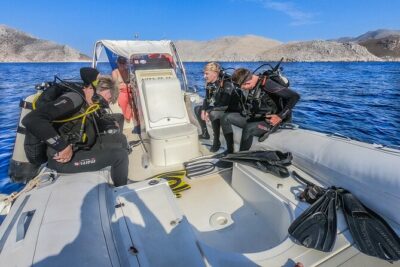
After meeting, you’ll head out by boat. The day is timed so you have a proper lead-in: you’re not just thrown into cold water with a mouthpiece and hope. You’ll get an on-board explanation of what to expect, including how the underwater session will work and what sea conditions to anticipate.
This part is surprisingly important for first-timers. Many people arrive nervous. The best crews handle that by doing two things at once:
1) repeating the fundamentals clearly, and
2) making the process feel predictable.
People in the feedback repeatedly praised instructors for being patient when nervous. Names that come up include Mike (often mentioned as a main instructor), Chris, and Michael (who delivered briefing-style guidance on the water). Others mentioned welcome support from Sharon and reassurance from Lou, which tells me the staff attention is not only about equipment—it’s also about nerves.
You’ll also see how the operation handles planning for different comfort levels. Some days include extra options:
- free snorkeling equipment for people not doing the underwater session, or who want extra sea time
- the chance to add a second underwater session after the first
Your First Underwater Session: What to Expect (and What to Ignore)
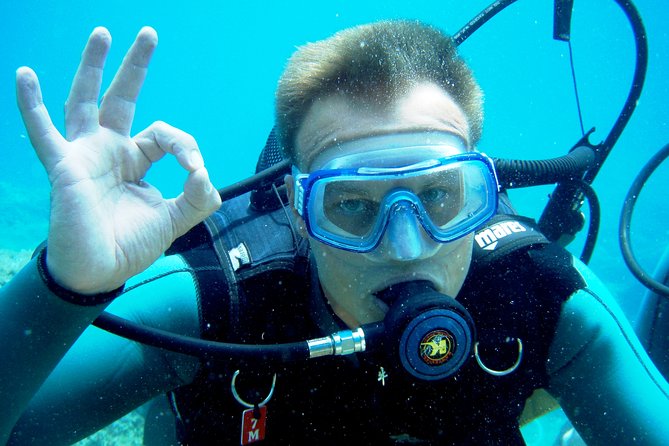
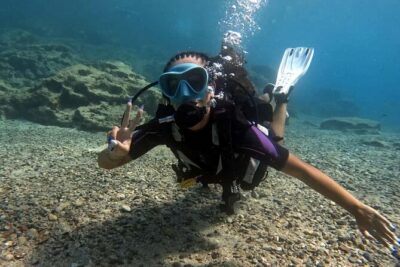
Here’s the key expectation to lock in: the underwater part is short. Multiple accounts describe it as roughly 10–20 minutes underwater for the first attempt. That means your success depends less on “powering through” and more on listening, following signals, and getting comfortable in small stages.
Before you’re put in the water, you’ll typically:
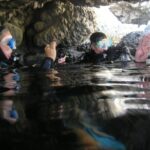
- fit your scuba equipment (gear sizing is handled)
- practice basic steps at the surface / in shallow conditions
- then go underwater while instructors monitor your group closely
The good news: if you’re a complete beginner, this is exactly what you want. A short, guided window keeps stress manageable and helps you learn without feeling like you’re trapped underwater for hours.
The not-so-fun part: because the underwater window is limited, the crew’s primary job is safety and control, not a slow “look at everything” tour. Some people came away wanting more pointing out of specific sea life. If you’re the type who needs constant narration while underwater, you might find the time gets filled by essentials (buoyancy, breathing practice, and positioning).
How to Get the Most Out of Your Short Underwater Time
- Treat it like a skills moment. Your goal is comfort and calm breathing.
- Pay attention to instructor signals and spacing. Close supervision is part of why this works for beginners.
- If you want a longer underwater experience, plan for the optional second session (more on that next).
Optional Second Underwater Session and Photo Packages
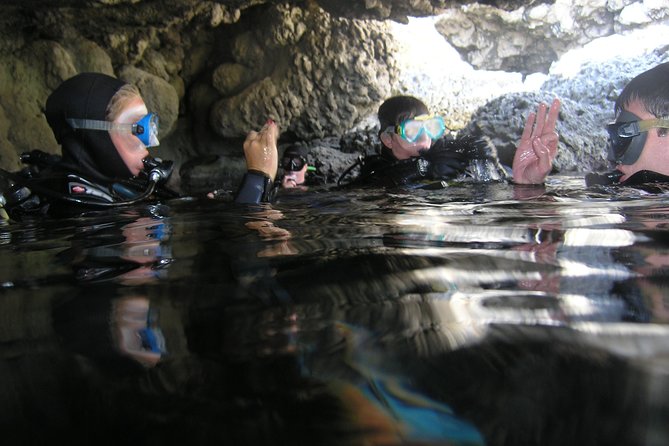
After the first try, you’ll have a decision point. If you want more water time, there’s an optional second underwater session. The add-on is listed in feedback as €35 per person. People who took it often say it’s worth it, mainly because it lets you relax more the second time and enjoy the surroundings with less “first-time pressure.”
This is where the trip becomes easier on your budget if you think ahead. The base price covers equipment use and professional instruction, but underwater extras are priced separately. That doesn’t mean the trip is a rip-off—just that you should map out your preferences before you board.
Photos are another add-on. Underwater and above-water photos are offered for purchase after the session, with pricing mentioned as €20 per group or €15 if you’re alone (packages vary by situation). If you love souvenirs, it’s a reasonable way to capture the moment without dealing with your own camera skills underwater.
A Note About the Day’s Flow
One thing to be prepared for: if not everyone books the second underwater session, the boat schedule can feel uneven. Some people end up spending more time snorkeling or floating before returning to shore. If you’re okay with that—great. If you expected nonstop underwater time, you may feel boxed in.
Snorkeling, Swimming, and What You Can Do Between Sessions
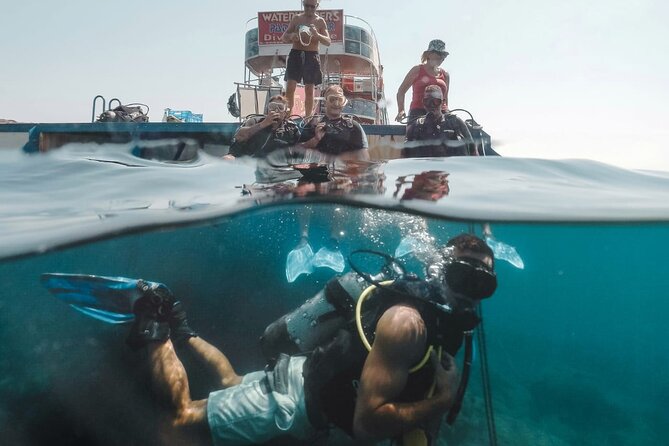
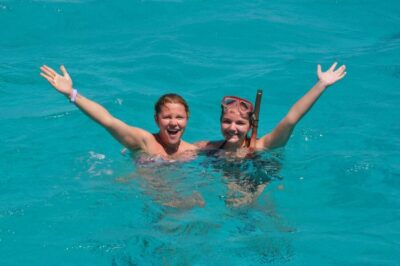
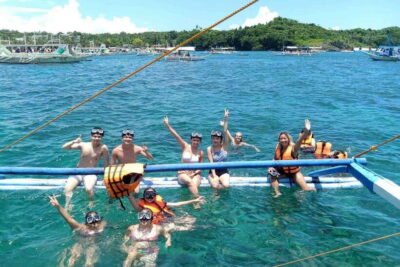
Between underwater sessions, the day is very much a water-and-relax plan. The boat stops in a calm bay area where you can swim and snorkel in free time. In feedback, people described crystal-clear conditions and lots of chances to see fish without stress.
This is one of the best parts for non-divers and for divers who want more than one short underwater window. Snorkeling gives you the feeling of “being out there” without the gear workload. Even if you do only one underwater attempt, you can still spend meaningful time in the water.
The day is also scenic. Several accounts mention sea views of Rhodes landmarks from the water—an extra bonus if you’re the type who likes your vacation photo moments to come from “being on the sea,” not just “standing on land.”
Where Lunch Fits (and Where It Doesn’t)
Lunch is not included. You have two options:
- use the small boat bar to purchase sandwiches and drinks, or
- bring your own lunch
One practical tip: plan snacks around how long you’ll be on the boat. If you get hungry, the bar is there, but it’s still smart to bring a backup plan (even if you just pack something small). If you choose to buy snacks on board, it helps to have some cash/euros ready, since purchase habits can vary by boat.
Timing, Group Size, and the Reality of an 8-Hour Day
The listing-style timing says about 8 hours, and people also describe the experience as an early start and a return in the mid-afternoon. Start is 8:30am, and the end is back at the meeting point.
Because the underwater component is short, the day feels longer than the time you’re actually wearing scuba gear. That’s normal for beginner programs. The trick is to use the off-water time well:
- swim and snorkel while other groups are underwater
- cool down when you need it
- keep hydrated
- take advantage of shade if you find yourself baking on deck
Shade comes up in feedback. One person complained about limited shade, and the operator response clarified that the beginner area on the center of the boat has sun protection. That means your comfort will depend on where you sit. If shade matters to you, it’s worth asking the crew where the shaded seating is once you’re aboard.
Transfers and Getting There Without Stress
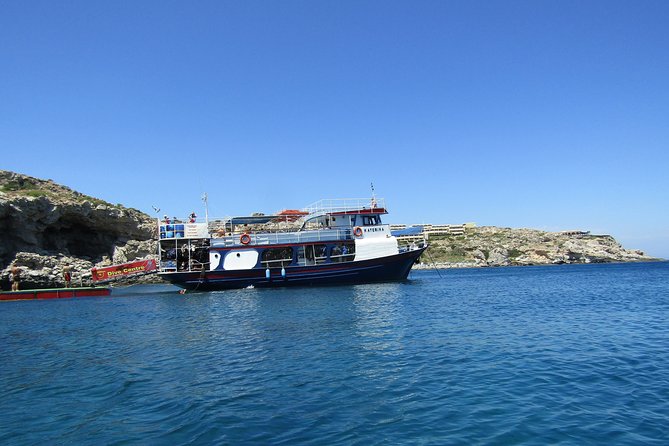
In the information provided, the start point is fixed at Waterhoppers Pl. Eleftherias. Some people in the feedback also mentioned hotel pickup and return as an added convenience (priced separately). That can be a big deal in Rhodes, where “walkable” depends on where your hotel sits.
If you’re deciding whether to arrange a transfer, think about your morning energy. For a first-time scuba day, the easiest vacation move is reducing logistics and keeping your brain focused on gear and breathing, not navigation.
Also: arrive a few minutes early if you can. Big group mornings go smoother when people aren’t sprinting to the meeting point.
Who This Experience Is Best For (and Who Might Want a Different Plan)
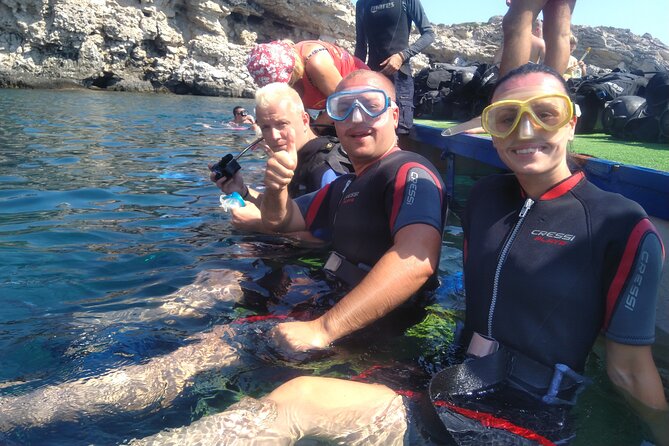
This is a strong match for you if:
- you’re a complete beginner and want proper coaching
- you want a fun skill experience on vacation
- you like the idea of a boat day with snorkeling and a short underwater learning segment
- you’d enjoy adding a second underwater session after you get your first one done
It’s less ideal if:
- you expected “all day underwater”
- you need detailed narration about sea life throughout the underwater time (because the focus stays on skills and control)
- you’re very sensitive to sun and shade, and you don’t plan to position yourself near cover
Health and Safety Rules You Should Know Up Front
The rules are clear:
- Epilepsy is not allowed for this activity
- No flying for 18 hours after your underwater scuba session
If you have any medical concerns, treat them seriously and check requirements with the operator before booking. This is one of those activities where safety screening is part of the value.
Price and Value: Is It Worth €84.65?
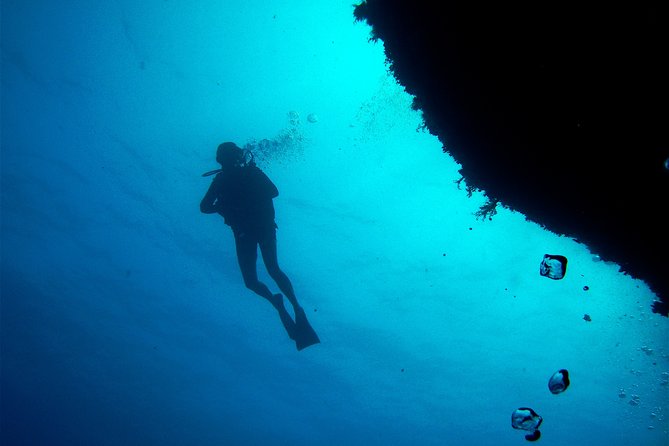
At $84.65 per person, the price looks fair for a beginner program because it includes the essentials:
- scuba equipment
- a professional instructor
Where the real value question lives is in how you use the optional extras. If you add the second underwater session and you want photos, your final spend climbs. But if you keep it to the included first underwater session and use snorkeling time between groups, you can still get a solid day out on the water.
So I’d frame it like this:
- If you want a quick confidence-building try, the base price delivers.
- If you want more underwater time, budget for the €35 second session.
- If you want a souvenir, budget for photos (pricing varies by package).
One more value tip: if you’re paying for transfers, you may save money versus a private taxi depending on your hotel location. Some people reported hotel transport as inexpensive compared to taking taxis, but your exact cost will depend on your pick-up and drop-off distance.
Should You Book This Rhodes Try-Scuba Day?
Book it if you want a first-time underwater experience that feels structured, safe, and friendly. The strong beginner orientation, equipment included, and professional instruction make this a low-drama way to get your feet wet with scuba skills. I also like that the day is not only about the short underwater window—you get real free time to swim and snorkel, which keeps the day enjoyable even if the underwater segment is brief.
Skip it (or at least lower expectations) if you specifically want hours underwater, constant sea-life spotting from instructors during the full time, or you’re upset by add-on pricing for extra underwater time and photos.
If you’re reading this and thinking, I can handle one short underwater session but I want the option to do more, then this is a very sensible choice.
FAQ
What’s included in the price?
The price includes use of scuba equipment and a professional instructor.
How long is the underwater session?
The first underwater session is typically around 10–20 minutes.
Can I do more than one underwater session?
Yes. A second underwater session is available for an additional €35 per person.
Is lunch included?
No. Lunch isn’t included. There’s a small bar on the boat where you can buy sandwiches and drinks, or you can bring your own lunch.
Are photos available to purchase?
Yes. Underwater and above-water photos are available to buy after the trip, with pricing mentioned as €20 per group or €15 if you’re alone.
Where do I meet, and what time does it start?
You meet at Waterhoppers, Pl. Eleftherias, Rodos 851 00, and the start time is 8:30am.
Are there any rules about flying after the activity?
Yes. You should not fly for 18 hours after your underwater scuba session.
Who can participate, and who can’t?
Most people can participate, but people with epilepsy are not allowed. Also, the activity requires good weather and has a maximum group size of 70.