REVIEW · KAIKOURA
Double Boat Dive with Equipment
Book on GetYourGuide →Operated by Daves' Diving Kaikoura · Bookable on GetYourGuide
Two boat outings, one Kaikoura water-world. This experience works because you get big coastal scenery on the way out and real native marine life once you’re there, guided in a small group. I especially like the mountains-meet-the-sea views from the water and the chance to spot Kaikoura’s animals such as moki and octopus. One catch: this is cold water and often low visibility, so comfort and patience matter.
What I like even more is the format. You’re out for a total of about 5 hours, with two separate underwater sessions of about 1 hour each, plus a 1-hour break on Kaikoura’s coast to dry out and reset. Your guide is English-speaking, and the group is limited to 4, which makes instruction and attention feel personal instead of rushed.
The main consideration before you book: it’s only for people with scuba certification. Also, trips are weather dependent, and the operator needs a minimum of 2 people to run the outing.
In This Review
- Key things to know before you go
- Getting to 38 West End and starting with a quick, scenic transfer
- The boat ride feeling: mountains meeting sea, with cold-water context
- First underwater session: kelp gardens, rocky reefs, and macro surprises
- The 1-hour break on Kaikoura: reset, warm up, and watch the coast
- Second underwater session: repeat the habitat, improve your chances
- Cold-water and low-visibility reality: how to make it enjoyable
- Who should book this Kaikoura double boat outing?
- FAQ
- FAQ
- How long is the double boat underwater experience in Kaikoura?
- What’s included with the booking?
- Do I need scuba certification?
- How big is the group?
- Is the water typically warm and clear?
- What happens if the weather is bad?
- Should you book this Kaikoura double boat outing?
Key things to know before you go
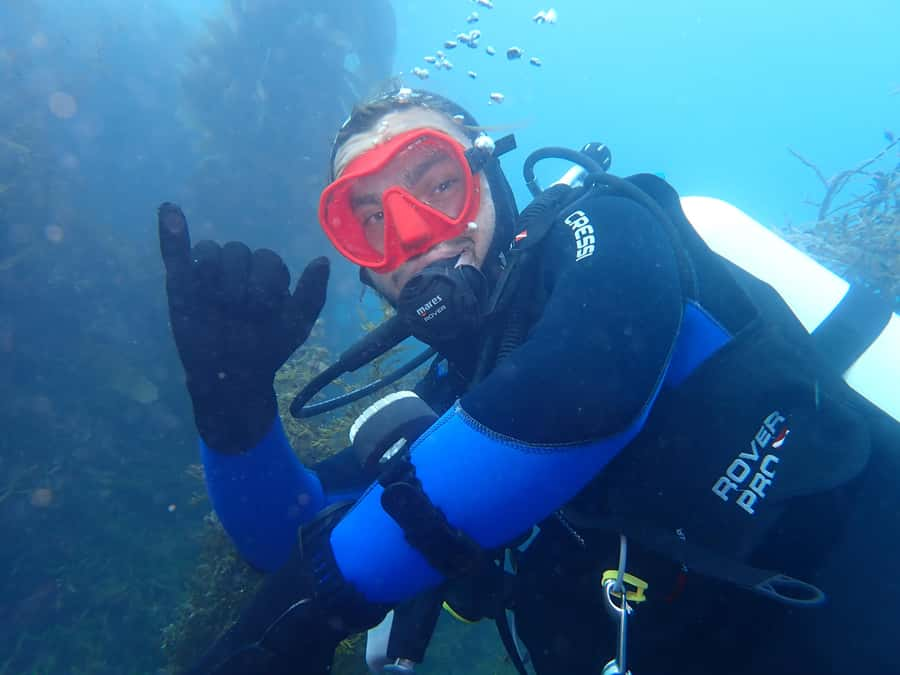
- Two underwater sessions on separate sites for more chances to see critters.
- Cold-water, low-visibility conditions are part of the deal in Kaikoura, not a surprise.
- Native wildlife focus: moki, blue cod, wrasse, butterfish, octopus, plus macro nudibranchs.
- Rock-and-kelp habitat with colorful seaweeds and kina beds to look for.
- Fur seals sometimes show up when bubbles attract them.
- Small group of up to 4 with an English-speaking guide, plus gear included.
Getting to 38 West End and starting with a quick, scenic transfer
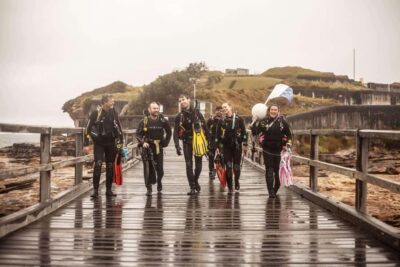
The day starts at 38 West End. You’ll meet up with your small group (up to 4) and then get underway with short transfers. First, it’s about a 10-minute transfer, then another 20-minute transfer as you work your way toward Kaikoura and the boat.
Those early minutes are more useful than they sound. They’re your buffer for getting suited, hearing the plan, and mentally shifting from land mode to ocean mode. Kaikoura’s setting is all about contrast—steep mountains meeting open water—so even before you’re in the gear, the coastline helps you understand what you’re about to explore.
The boat ride feeling: mountains meeting sea, with cold-water context
Once you’re heading out toward the dive sites, you get a real sense of why Kaikoura is famous. The mountains don’t sit far away from the water. They run right into it, so you get a constantly changing skyline while you’re in transit.
This also sets your expectations for what’s next. The operator specifically warns that you’re dealing with cold water and typically low visibility. That matters because low visibility changes how you look: you’ll spend more time watching closer to the rocks and scanning slowly for movement rather than relying on long-distance sighting. Cold water also means you’ll want to follow the briefing carefully so you stay comfortable and focused.
First underwater session: kelp gardens, rocky reefs, and macro surprises
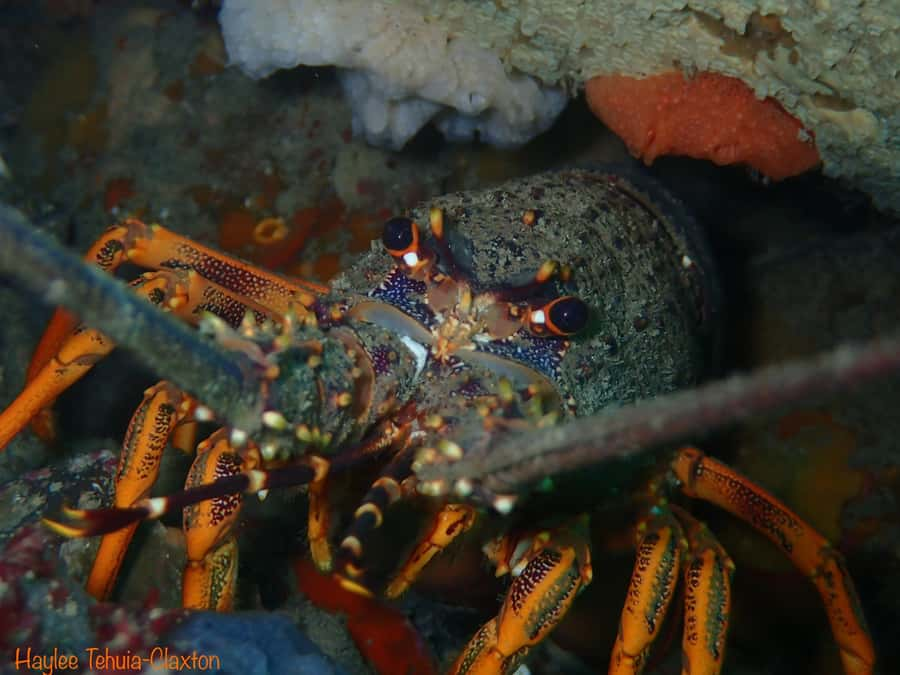
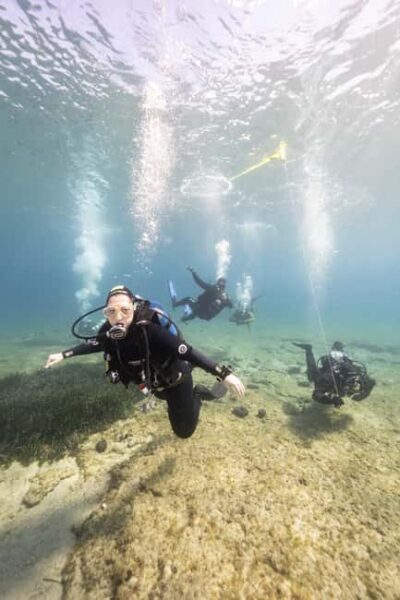
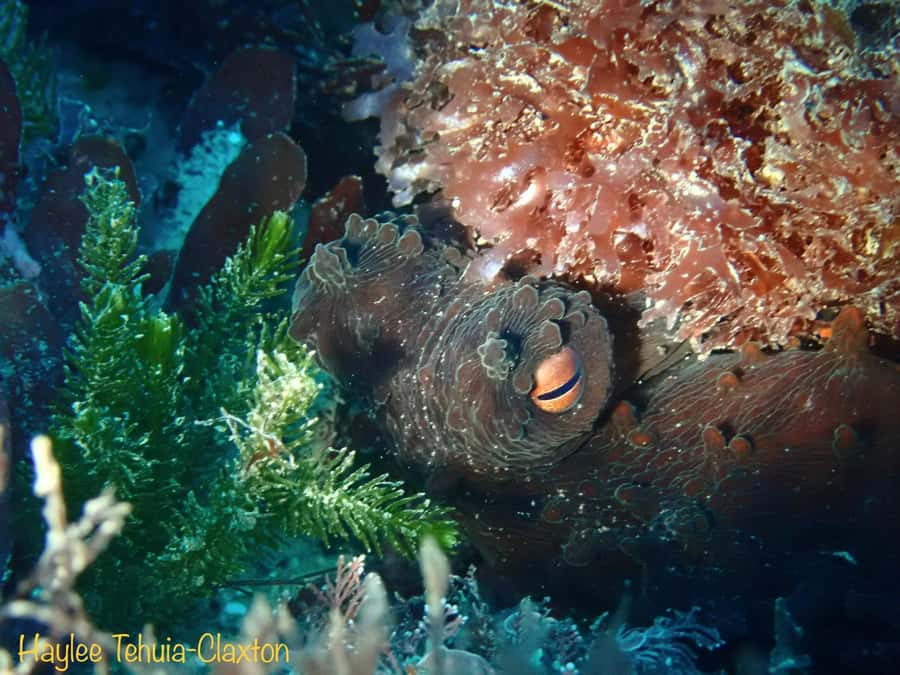
Your first underwater session is about 1 hour. This is where the Kaikoura underwater world starts doing its thing—rocky reef structure, draped kelps, and the kind of underwater color you can actually point at. Expect seaweeds and kelps in colors like red, orange, purple, green, and brown, hanging from and wrapping around the reef.
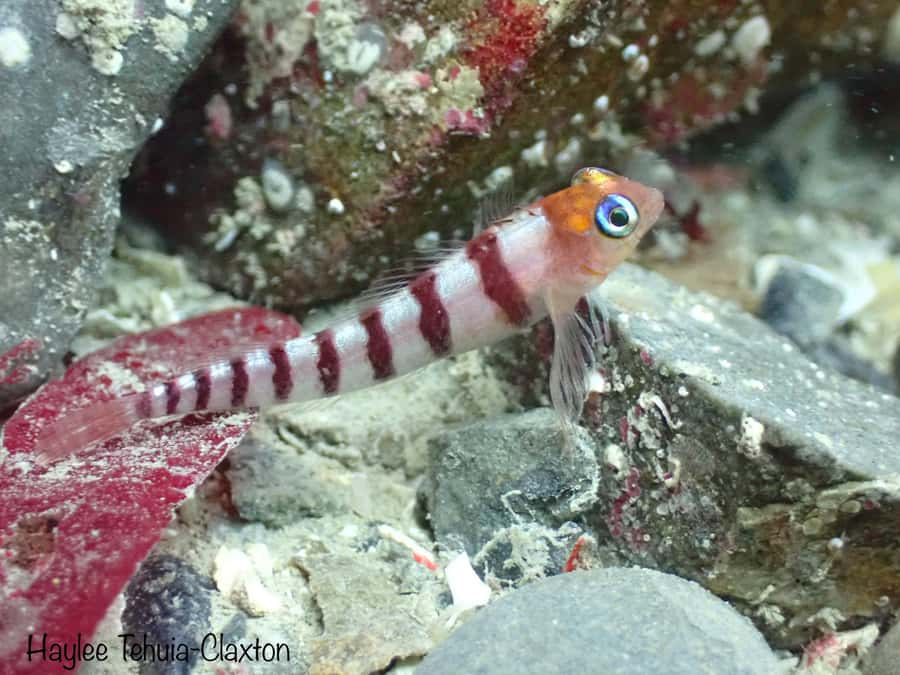
This habitat is why you get so many different species. When you look along the rocky edges and around the kelp strands, you’re in the exact “working zone” where fish feed and hide. You may see native fish such as:
- moki
- blue cod
- wrasse
- butterfish
You might also spot schooling baitfish at times.
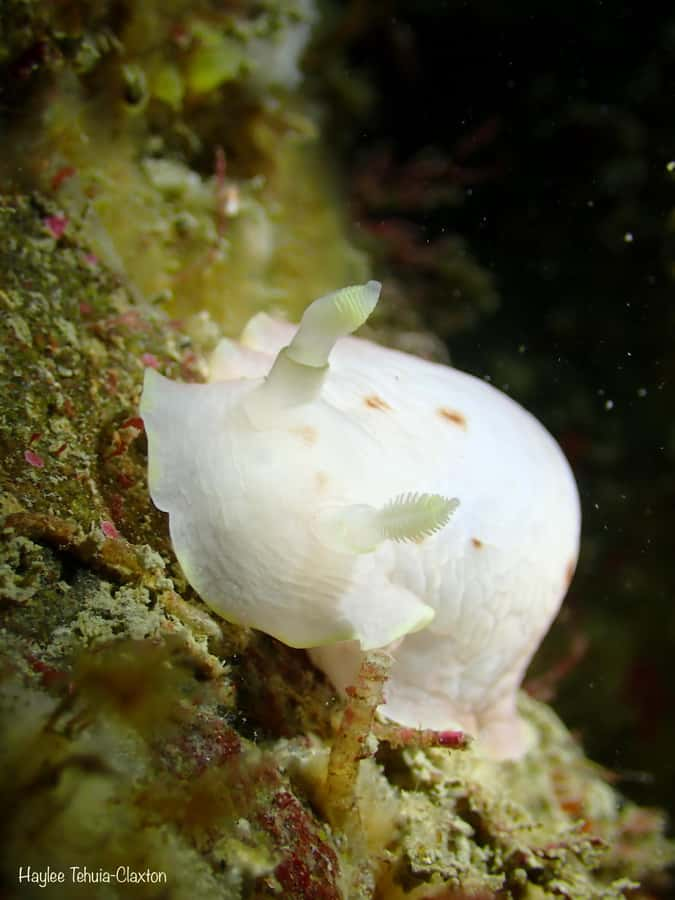
Then come the “look closer” moments—because Kaikoura isn’t only about the bigger fish. Among the rocks, you can look for crayfish, paua, and kina beds. If you like the small stuff, keep an eye out for nudibranchs, which are the kind of macro life that can turn an average pass into a memorable one.
And yes, sometimes the bubbles change the story. On fortunate occasions, fur seals may investigate from the surface, and you might see them appear when your exhalations start drifting upward. If that happens, it’s usually not the time to rush your focus—watch them, but keep your body and buoyancy steady so you don’t kick up the visibility.
The 1-hour break on Kaikoura: reset, warm up, and watch the coast
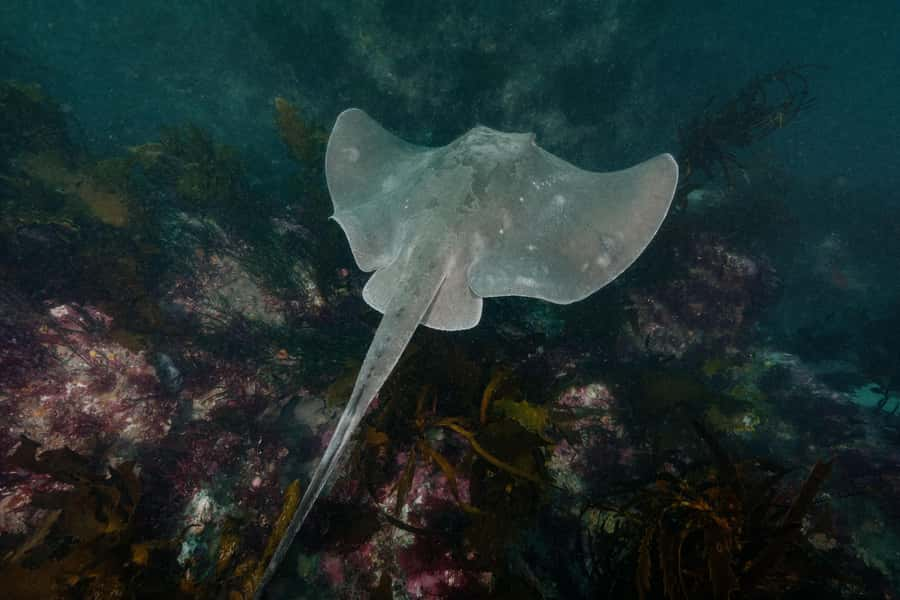
Between the two underwater sessions, you get about a 1-hour break. This part is simple but important. It’s when you dry off, warm up, and take a breath after the cold-water experience.
On a practical level, it also gives your eyes time to adjust. Low visibility can mess with how you judge distances underwater. After the break, you often find you’re better at pacing yourself—glance, scan, then slow down again instead of searching too fast.
This is also when the coastline context returns. Seeing mountains-to-sea views from shore or boat while you’re not suited-up can help you connect the habitat you saw underwater with the geography above the water.
Second underwater session: repeat the habitat, improve your chances
Your second underwater session is also about 1 hour. The format is valuable for two reasons.
First, underwater life is unpredictable. You’re more likely to catch something different on the second outing because conditions shift and animals move. Second, the second session lets you read the environment better. After session one, you know where to look—kelp edges, rocky shelter zones, and places where small life clings.
This is the session where you’ll keep an eye out for more of the species listed earlier. You can also hope for that repeatable highlight: fur seals sometimes show up when bubbles draw their attention. Even if you don’t see them again, the second pass usually feels calmer because you’ve already set your rhythm.
Cold-water and low-visibility reality: how to make it enjoyable
The operator’s heads-up about cold water and typically low visibility is honest. So the goal isn’t to fight the conditions. It’s to work with them.
Here’s what that means in real terms:
- Move slower than you think you need to. In low visibility, quick movements create noise, wake, and cloud.
- Keep your attention on the reef and kelp structure. That’s where the life is described to be—fish, crayfish, paua, and kina beds.
- If you’re into macro life, treat it like a treasure hunt. Nudibranchs and other small creatures reward patient looking.
Cold water can also affect your comfort level, so make sure you’re using the gear correctly and following the guide’s instructions. If you feel rushed or tense, slow down your breathing and focus on buoyancy. That’s the fastest route to enjoying what you came for.
Who should book this Kaikoura double boat outing?
This works best if you:
- are certified for scuba and comfortable enough to handle cold water
- enjoy native marine life and reef habitats, especially kelp-covered rocky areas
- like both fish sightings and the small stuff, such as nudibranchs
- prefer a small group (up to 4), where instructions and pacing don’t feel crowded
It’s not suitable for people without scuba certification. And if you’re looking for warm, clear tropical water, this is not the match—Kaikoura is known for colder, murkier conditions.
Also note the operation is weather dependent, and it requires a minimum of 2 people. If conditions are poor for sea travel, the operator gives you a full refund.
FAQ
FAQ
How long is the double boat underwater experience in Kaikoura?
The total time is about 5 hours, with two underwater sessions of around 1 hour each and a 1-hour break in between.
What’s included with the booking?
Equipment is included for the underwater sessions.
Do I need scuba certification?
Yes. The experience is not suitable for people without scuba certification.
How big is the group?
It’s a small group limited to 4 participants.
Is the water typically warm and clear?
No. You should expect cold water and typically low visibility.
What happens if the weather is bad?
Trips are weather dependent. If the tour can’t operate due to poor sea conditions, you’ll receive a full refund.
Should you book this Kaikoura double boat outing?
If you’re the type of person who enjoys reef structure, kelp habitats, and hunting for the small and native species, I think this is a strong choice. The double format gives you two chances to see fish, critters around rocks (crayfish, paua, kina beds), and macro life like nudibranchs, plus the occasional chance of fur seals coming in for a look.
Book it if cold water and lower visibility don’t scare you off—and if you’re certified and comfortable in those conditions. Skip it if you want guaranteed warm, clear water or you’re not ready for the reality that Kaikoura’s underwater world can be more about close-up patience than big-picture sighting.