REVIEW · EL NIDO
El Nido: Discover Scuba Diving with Manta Rays in Sibaltan
Book on GetYourGuide →Operated by Mobula Divers Sibaltan · Bookable on GetYourGuide
Manta rays are the goal here, fast. This Sibaltan trip turns a first underwater experience into a focused hunt at the Manta Cleaning Station, with a calm, low-traffic feel about an hour from El Nido. You’ll head out by speedboat, follow clear instruction, and spend your time where manta rays naturally gather to clean.
What I really like is how first-timer friendly the coaching feels. In multiple write-ups, instructors such as Alex, John, and Simone are praised for explaining what to do right away, then keeping people relaxed when nerves show up. I also like the quiet location: far from the busiest El Nido scene, so you get better breathing room between boat activity and underwater time.
One consideration: manta sightings aren’t guaranteed. Even with excellent conditions and a dedicated location, some people still end up coming up without seeing manta rays, so go with the mindset of enjoying the whole underwater experience, not only the animal checklist.
In This Review
- Key things to know before you go
- Why Sibaltan feels calmer than El Nido’s crowds
- Your 6-hour schedule, step by step
- Start: Mobula center in Sibaltan
- Speedboat transfer: around 30 minutes
- Underwater skills session: about 50 minutes (up to 6 meters)
- Brunch: about 1 hour
- Second underwater session: about 50 minutes (up to 12 meters)
- Return boat: about 30 minutes
- Skills first: what the 6-meter session is really for
- Manta Cleaning Station: spotting manta rays at the right depth
- Brunch break: the underrated part of a short scuba day
- Instructors and small-group support that actually helps
- Equipment, rules, and what to bring (so the day stays easy)
- Price and value: is $126 fair for a 6-hour program?
- Who this is best for, and who should skip it
- FAQ
- Is certification required for this Sibaltan manta program?
- How long is the experience?
- What depths are included for the two underwater sessions?
- Where does the manta ray spotting happen?
- What’s included in the price?
- What is not included?
- How many people are in a group?
- What languages are the instructors?
- What should I bring, and what can’t I do underwater?
- Who isn’t suitable for the activity?
- Should you book this Sibaltan manta ray experience?
Key things to know before you go
- No certification needed for this first-timer package, with guided support throughout
- Small groups (up to 10) make it easier to get personal help
- Two guided underwater sessions: skills up to 6 meters, then open-water up to 12 meters
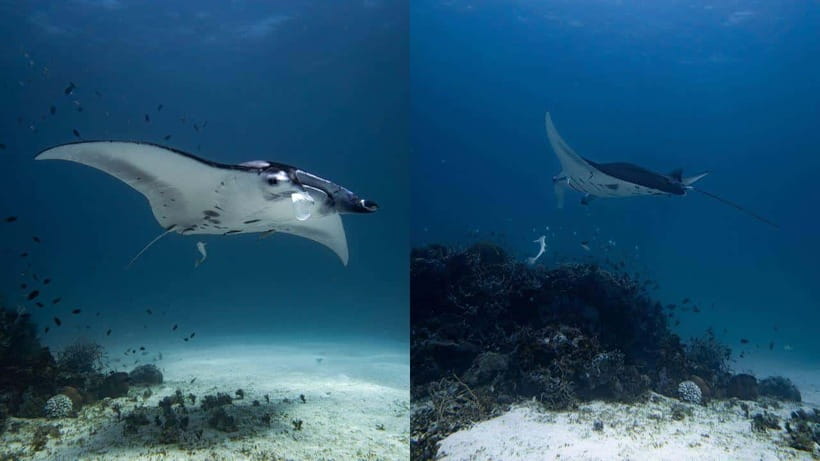
- Manta Cleaning Station is the target area, where you’ll look for manta rays at the ideal depth
- Serene Sibaltan helps you avoid the busiest tourist energy near El Nido
- No touching marine life or plants, so you can watch without disrupting anything
Why Sibaltan feels calmer than El Nido’s crowds
El Nido has its share of boats, chatter, and quick-turn day tours. This program uses Sibaltan as the quieter alternative, and that change matters. When the water time comes, you’re not starting your day already overloaded.
Sibaltan also lines up nicely with the main goal: manta rays at a known cleaning area. The organizers position you at the right depth for spotting, which is a smart approach when you’re still learning how to breathe underwater, control your body, and stay comfortable.
I also appreciate that the whole day is designed around you having support, not just access. You’re not wandering into the water on your own. You get professional guidance, full gear, and a structured plan for the first session and the second session.
You can also read our reviews of more tours and experiences in El Nido.
Your 6-hour schedule, step by step
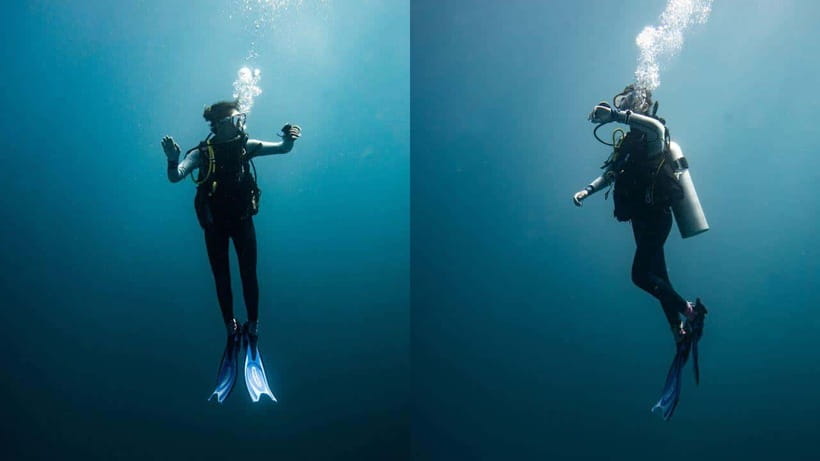
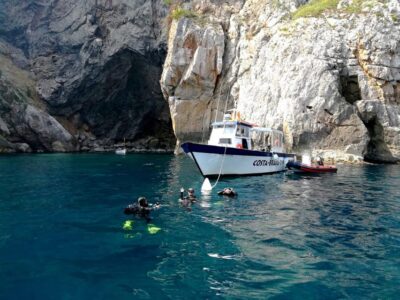
This is a tight day, but it’s paced to match first-timers. Expect to spend about 30 minutes on the speedboat each way, with roughly 50 minutes for the skills session and 50 minutes for the open-water session.
Start: Mobula center in Sibaltan
You meet at the Mobula Sibaltan center. Plan to show up a little early so you can get fitted for your equipment without rushing.
The activity runs on the north road from El Nido. Transportation from El Nido to Sibaltan is not included, so you’ll either arrange your own ride or ask for help adding pickup points in El Nido or nearby areas.
Speedboat transfer: around 30 minutes
The transfer by boat is short enough to keep the day from feeling like constant travel. You’ll also get your first taste of the sea conditions before you commit to breathing underwater.
If you’re prone to motion sickness, bring what works for you. The trip is not long, but the day is still active, and you’ll feel better if you’re comfortable during the boat rides.
Underwater skills session: about 50 minutes (up to 6 meters)
This is where you learn the basics and build confidence. At up to 6 meters, the water stays manageable for learning. Think of it as the training segment that sets you up for the deeper, more natural-feeling open-water session later.
Brunch: about 1 hour
You’ll take a break after the first underwater segment. This timing is practical: your body has had exertion, then you refuel before the second session. Snacks and drinks are also included, so you’re not waiting to eat.
If you’re a first-timer, this is also the mental reset. You’ll likely feel more relaxed before the second session because you’ve already handled the gear and breathing once.
Second underwater session: about 50 minutes (up to 12 meters)
This is the open-water portion where the manta-cleaning location is the focus. At up to 12 meters, the water stays within the program’s beginner range, while still giving you the chance to spot manta rays when they pass through the cleaning area.
You’ll have guidance throughout, so you’re not left guessing how to position yourself or what to do if conditions change.
Return boat: about 30 minutes
After the second session, you head back by speedboat and end at the Mobula center in Sibaltan. The day is short enough that you can still plan a relaxing evening back in El Nido.
Skills first: what the 6-meter session is really for
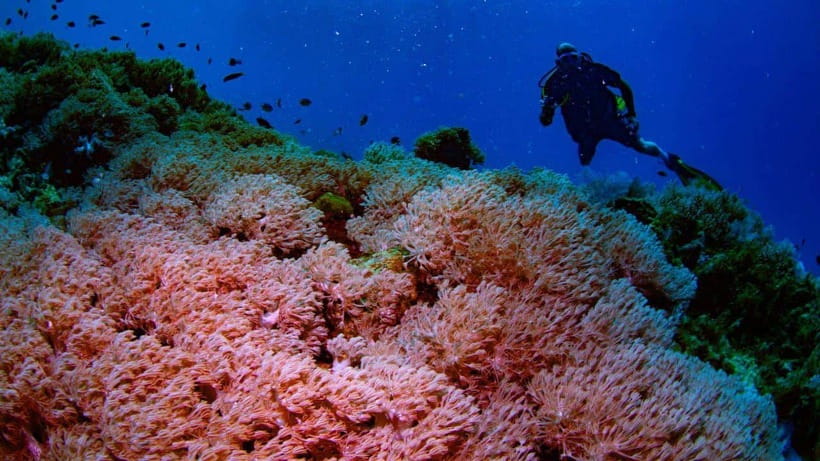
The skills session is not about perfection. It’s about comfort. That’s the real value of doing it up to 6 meters with an instructor close by.
You’ll be using full equipment supplied by the team, which helps remove a big stress point for newcomers. Instead of thinking about gear, you can focus on core skills like controlling your breathing, learning how to move calmly underwater, and staying aware of buoyancy.
This is also where you learn the rules you need to follow during the later manta-focused session. The program is clear that you should not touch marine life or plants. That rule protects the animals, and it also keeps you from accidentally creating problems with your own balance and safety.
In the best cases, you come out of the skills session feeling like your body is cooperating. In the reviews, instructors such as John and Alex are specifically praised for explaining practice clearly and calming nerves quickly, which is exactly what you want at the start of a first scuba experience.
Manta Cleaning Station: spotting manta rays at the right depth
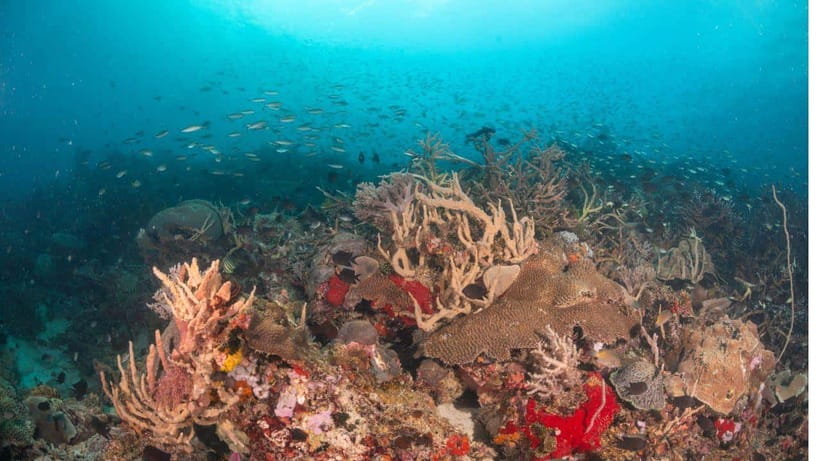
The heart of the day is the open-water session at the Manta Cleaning Station. The plan targets the depth where manta rays are most likely to show up while you’re underwater.
Manta rays in cleaning areas aren’t just a random wildlife encounter. It’s more like a predictable behavior pattern, which is why this location approach works better than searching “wherever.” Your second session is scheduled to match that idea: after you’ve already practiced skills, you’re ready to watch and react when the animals appear.
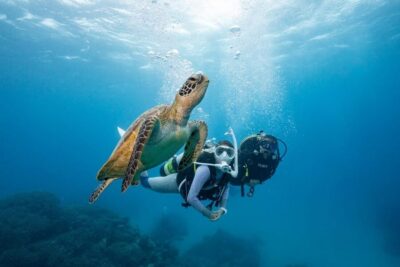
Important reality check: manta sightings can still vary. One review specifically points out that it’s possible to not see manta rays even when you try. Another diver still got manta rays, including a baby manta and a larger one. So I’d treat this as a best-chance experience, not a guaranteed show.
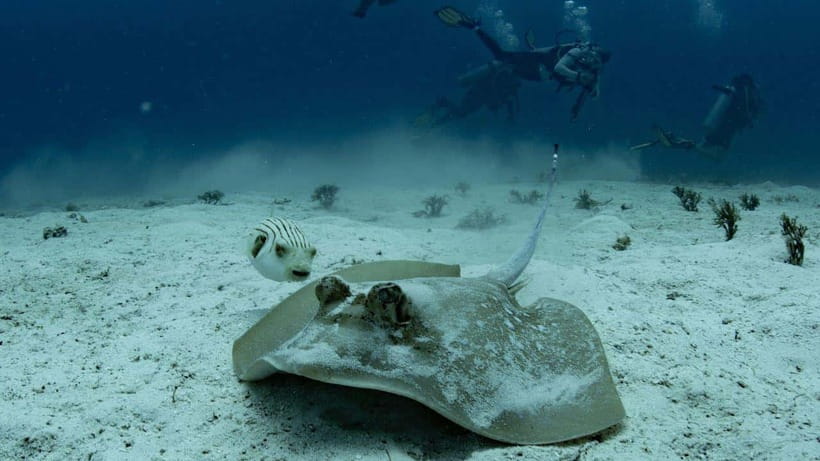
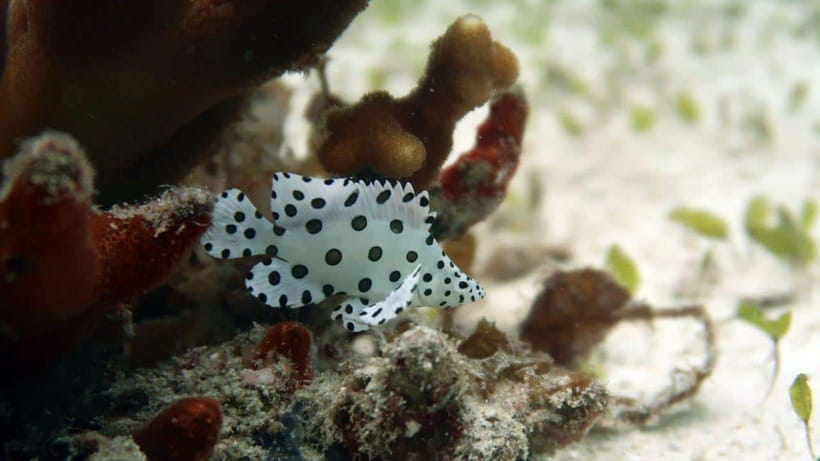
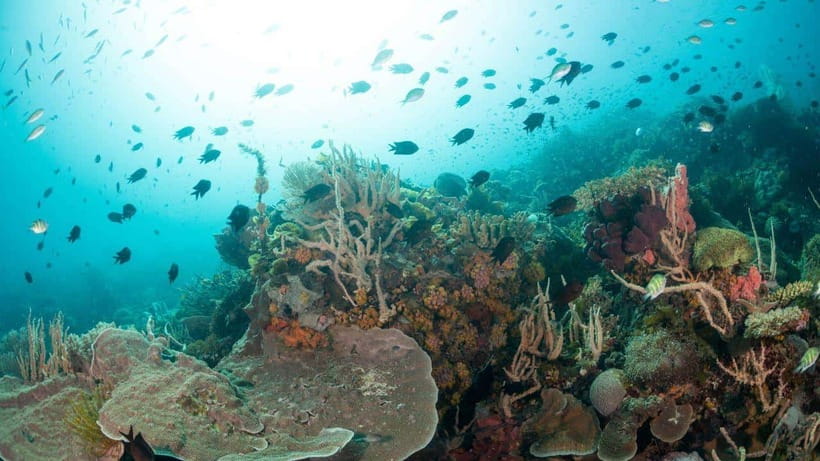
The upside is that even when manta rays don’t show, you still get an underwater look at Palawan’s reef life during the program’s guided time. And because you’re not going solo, you spend more time paying attention to what’s in front of you.
You’ll also see why this format helps first-timers: you don’t have to manage everything at once. The instructors guide your positioning, your comfort, and your pace, so your attention can stay on the marine life.
Brunch break: the underrated part of a short scuba day
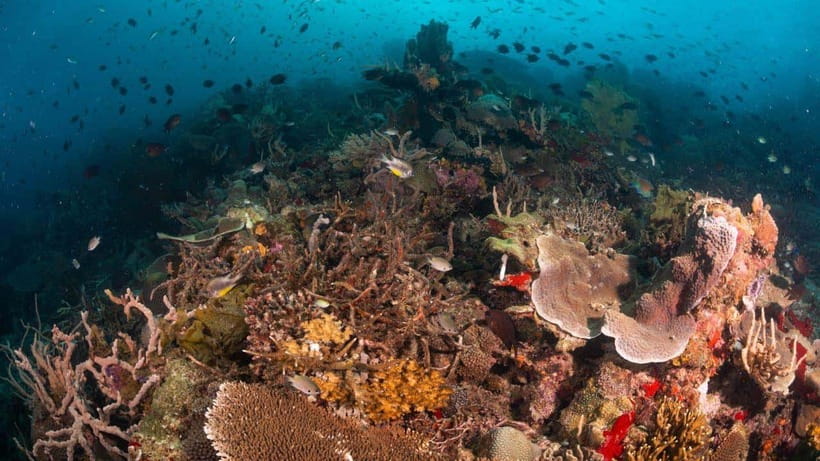
A one-hour brunch matters more than it sounds. After the first underwater skills session, you’re likely to feel the effort in your shoulders and core, even if you don’t feel “tired.”
This break gives you:
- time to warm up and reset
- time to eat without rushing into the second session
- a buffer if you want a quick personal check of anything you might need (comfort, sunscreen, water intake)
Snacks and drinks are included as well, so you don’t land in the afternoon underwater time hungry or dehydrated. For a first-time experience, that simple comfort can change everything about how the day feels.
Instructors and small-group support that actually helps
Small groups cap at 10 participants, and that’s not just a number. When there are fewer people, instructors can watch your body position, answer questions faster, and help adjust your experience on the spot.
In reviews, names like Alex, John, and Simone come up with strong praise. The consistent theme is patience and clear explanation—especially for people who arrive nervous. That’s a big deal on a first scuba day, because panic usually comes from confusion, not from the water itself.
The team works in English and Tagalog, which is helpful if your confidence language underwater is limited. You’ll get guided direction step-by-step, and the day is set up so you can keep moving forward even if you’re slow to learn.
One more comfort detail: if you’re an independent kind of person who likes to know what’s happening, the structured plan (skills, then open-water, then brunch, then second session) helps you keep your bearings. You don’t wonder what comes next.
Equipment, rules, and what to bring (so the day stays easy)
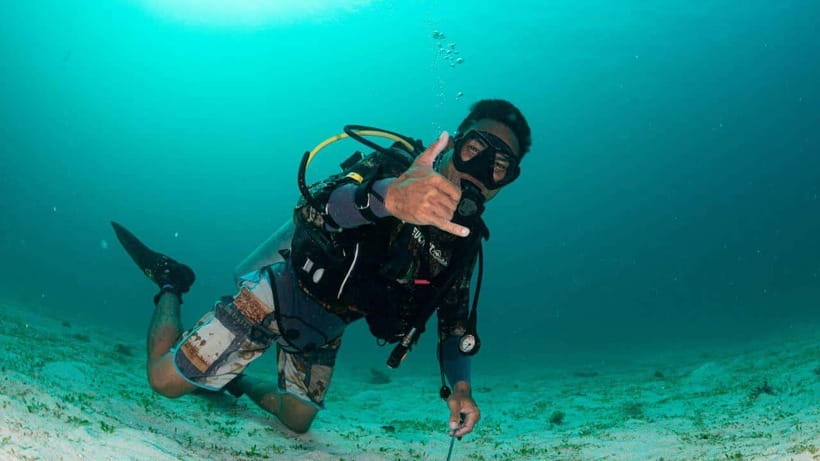
The package includes full diving equipment, a boat rental, and towels. That means you avoid the stress of tracking down and transporting gear on your own.
What you should bring is simple and practical:
- swimwear
- sunscreen
You’ll also want to protect your skin even if the day feels cloudy. In Palawan, sun exposure adds up fast, and you’ll be in and out of sunlight during boat time and between sessions.
Underwater rules are clear:
- no touching marine life
- no touching plants
This keeps the reef healthy and also keeps your hands off anything that could destabilize your balance. It’s also how you avoid turning wildlife encounters into accidental damage.
Price and value: is $126 fair for a 6-hour program?
At $126 per person, you’re paying for more than just access to water. You’re getting guided instruction, two structured underwater sessions (skills plus open-water), full equipment, a speedboat, and meals and drinks during the day.
That matters because first-timer packages cost more than casual swim tours for a reason: instructors, safety planning, and the time needed for learning basics aren’t free. Here, the pricing covers the staff time and the equipment overhead, and it wraps it all into a day that runs about 6 hours.
Also, the small-group cap at 10 participants makes the per-person value feel more reasonable. Larger boats and larger groups often mean less personal attention, which is the one thing you should not gamble on when you’re new.
If you’re planning to do something similar on your own—training, gear rental, guide time, and transport coordination—the total cost usually climbs quickly. This package keeps it bundled.
Who this is best for, and who should skip it
This activity is not suitable for:
- children under 10
- pregnant women
- non-swimmers
It also assumes you can handle a first-time scuba session with instructions and buoyancy control. If you’re truly uncomfortable with water basics like floating or moving calmly, you might feel stressed even with an instructor nearby.
This experience is a great fit for:
- first-time scuba learners who want a structured path
- manta ray fans who want the best chance without needing certification
- people who prefer quieter water time away from the busiest El Nido spots
- couples and friends who like a small group setup (up to 10)
If you’re already a certified diver, the provider notes that there’s another option specifically for certified divers, which makes sense if you want a different kind of underwater day.
FAQ
Is certification required for this Sibaltan manta program?
No. The package is designed for people who do not have certification.
How long is the experience?
The total duration is about 6 hours.
What depths are included for the two underwater sessions?
You get one skills session up to 6 meters and one open-water session up to 12 meters.
Where does the manta ray spotting happen?
The target area is the Manta Cleaning Station at the right depth for spotting manta rays.
What’s included in the price?
Included are the two guided underwater sessions, full equipment, boat rental, guided instruction, snacks and drinks, and towels.
What is not included?
Transportation from El Nido to Sibaltan is not included.
How many people are in a group?
It’s a small group limited to 10 participants.
What languages are the instructors?
Instructors speak English and Tagalog.
What should I bring, and what can’t I do underwater?
Bring swimwear and sunscreen. You’re not allowed to touch marine life or touch plants.
Who isn’t suitable for the activity?
It’s not suitable for children under 10, pregnant women, or non-swimmers.
Should you book this Sibaltan manta ray experience?
If you’re new to scuba and you want a guided, structured day with a real manta-focused target, I’d strongly consider booking. The small group size, the two-step format (skills first, then open-water), and the emphasis on learning basics help you enjoy the experience instead of getting stuck on nerves.
Book with eyes open if seeing manta rays is your only reason for going. The manta cleanup area improves your odds, but sightings can vary, and some people do return without manta rays.
If you want a first-time-friendly way to experience Palawan’s marine life with professional support and a quieter base outside the El Nido crowd, this program is exactly that kind of plan.