REVIEW · EL NIDO
Discover Scuba diving in El Nido
Book on Viator →Operated by Philippines Divers · Bookable on Viator
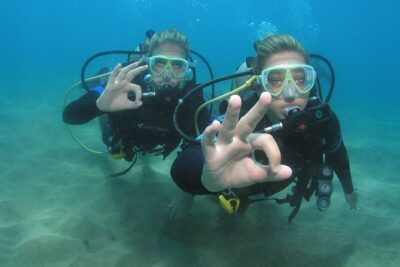
Beginner underwater training is real fun. This Discover Scuba (DSD) program in El Nido turns you from land-lubber to confident underwater visitor with a short skills lesson, then a small-team boat day and two or three open-water sessions.
I especially like the structured instruction for total newcomers and the way the day stays hands-on—no getting lost in a huge group. One thing to consider: you need to be reasonably fit, and the experience depends on good weather, since conditions can change plans.
In This Review
- Key Things I’d Focus On
- El Nido: Why This Is Such a Smart First-Step Place
- The Real Flow: Orientation, Paperwork, and Skill Basics
- 8:00 am Start in El Nido: What Your Morning Feels Like
- Confined-Water Skills: Where You Build Confidence Fast
- The Open-Water Sessions: Two (or Three) Chances to See the Real Thing
- Equipment, Staff, and the Attention That Makes Beginners Feel Safe
- Lunch on a 7-Hour Day: Not a Side Note
- Price and Value: Is $145 a Good Deal Here?
- Who Should Book This Program (and Who Might Think Twice)
- Mobile Ticket and Timing: Little Things That Save Big Headaches
- Should You Book Discover Scuba in El Nido?
- FAQ
- Do I need a scuba certification to join Discover Scuba (DSD)?
- How long is the experience in El Nido?
- What’s included in the price?
- What is the eco tourism development fee?
- Where do I meet for the tour?
- What time does the activity start?
- What are the age requirements?
- What happens if the weather is bad?
Key Things I’d Focus On
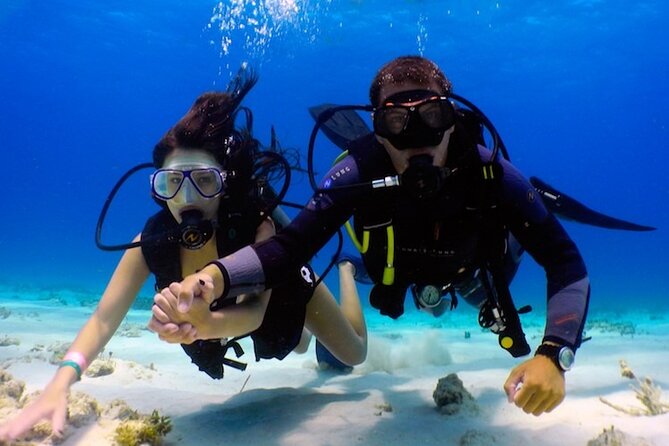
- Small maximum group size (up to 8 total): You should get more direct attention during training and equipment setup.
- Confined-water skills first: You practice basics under supervision before any open-water time.
- Two or three open-water sessions: You get multiple chances to see marine life depending on conditions.
- Lunch included: You’re not scrambling to find food between training and boat time.
- Photos can be a nice extra: One guest highlighted Windel getting photos without needing to ask.
El Nido: Why This Is Such a Smart First-Step Place
El Nido is one of those destinations where underwater life feels close by—like the ocean is part of the town, not something remote. That’s what makes an intro program here work well: you’re not spending your whole day traveling before you even get wet. The schedule is built around a real-world morning start and then a boat outing, so you get your money’s worth in time on the water.
The best part for first-timers is that you’re not thrown into the deep end. You practice basic skills first in a controlled environment, then you move to open water with an instructor-led plan. If your goal is to learn how scuba works (buoyancy, breathing, calm movements), this format matches that goal better than the usual “just hop in and hope” approach.
You can also read our reviews of more tours and experiences in El Nido.
The Real Flow: Orientation, Paperwork, and Skill Basics
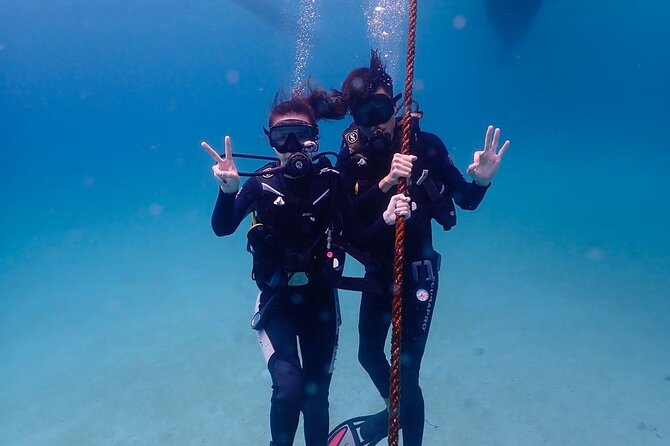
This program has two key phases: a day-before setup and the main training day.
Day-before orientation and paperwork. You’ll meet the crew for orientation and documentation the day before your tour. The info you’re given includes both a 5 PM meeting and a note about a 7:30 am meeting for orientation/documentation, so don’t assume the time—check your confirmation message and plan to be reachable the previous day. This matters because the next morning doesn’t leave much room for delays.
Then the skills practice. The next day starts with real training, not just gear fitting and a quick briefing. You’ll learn confined-water skills under professional supervision. For beginners, that’s where confidence comes from. You’re not guessing what to do once you’re floating underwater—you’ve already done the basics in a safer setting.
A small-team ratio is part of what makes it feel manageable. The program notes a tight supervision setup (including limits like two students per instructor), and that’s a big deal when you’re new. You’ll spend less time waiting and more time understanding what to do next.
8:00 am Start in El Nido: What Your Morning Feels Like
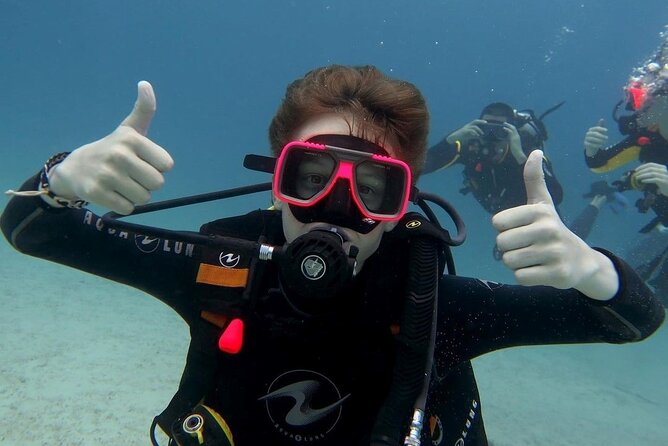
Your day starts at 8:00 am, and the activity returns to the same meeting point. The meeting location is listed as Calle Hama, Buena Suerte Pob. (Barangay 2), El Nido—and it’s described as near public transportation, so you shouldn’t need a complicated plan to reach it.
Here’s what I’d expect your morning to involve, based on how programs like this are run and the way this one is described:
- equipment setup and briefing
- the confined-water portion (skills you’ll use later)
- then moving to the boat for open-water time
Because the total duration is around 7 hours, you’ll want to treat this like a full-day commitment. Eat something light before you go (and bring water), because you’re starting early and your lunch comes later.
Confined-Water Skills: Where You Build Confidence Fast
For many people, the hardest part of trying scuba is not the ocean. It’s the fear of doing it wrong. That’s why confined-water training is the heart of this experience.
You’ll learn core basics—how to breathe underwater, how to work with your gear, and how to control your body and movements. You’re also being watched closely by the professional team, so if something feels off, you should get corrections quickly rather than pushing through.
This is also where the small-team setup pays off. With more supervision, you can ask simpler questions in the moment: How should I position myself? What does this feeling mean? What should I do if I get nervous? New divers often calm down after a couple of successful practice cycles, and that’s exactly what confined training is designed to deliver.
The Open-Water Sessions: Two (or Three) Chances to See the Real Thing
After skills, you ride a boat to the underwater experience. The program includes 2 or 3 open-water sessions. In practice, that number can shift with conditions, but the structure stays the same: you get multiple underwater windows rather than one long, risky leap.
One guest mentioned getting two of three excellent spots, which is a good reminder that you can still have a great day even if conditions limit the number. The “best” session is often the first one that really clicks—when you stop thinking about gear and start paying attention to what’s around you.
What you should look for:
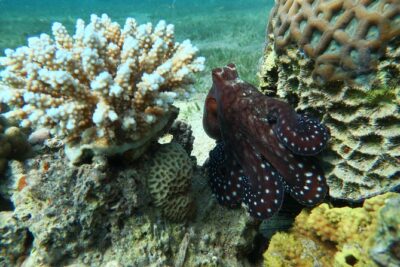
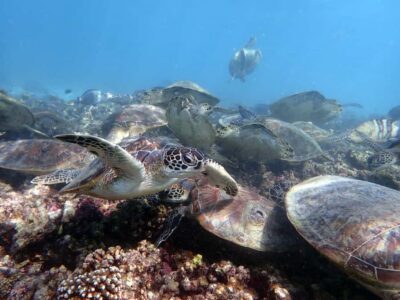
- coral and marine life diversity (the program calls out hundreds of coral and species in El Nido)
- calm, guided exploration where you follow instruction rather than rushing
- the moment you realize you can stay comfortable when you manage your breathing and buoyancy
You’ll feel the difference between the training environment and open water, but the point here is progression. You’re not meant to panic your way through it—you’re meant to succeed step by step.
Equipment, Staff, and the Attention That Makes Beginners Feel Safe
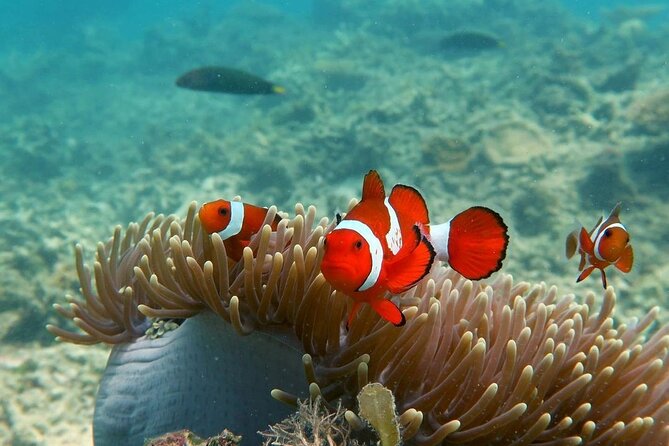
This experience includes diving equipment and the service of the crew plus exclusive lesson and training. That matters because equipment quality and staff support are huge variables for first-timers. If you’re trying scuba for the first time, the difference between a smooth setup and a chaotic one is comfort.
The program also emphasizes focused attention, stating maximum ratios like four certified participants per instructor team (and two students per instructor in the learning context). Translation: you should get enough eyes on you to catch small issues early—things like comfort with the regulator, posture, or how to relax your movements.
Name-check from the reviews (useful if you care about personalities):
- One guest was guided by Kevin and his team with a Submarina PADI experience.
- Another guest highlighted Windel for taking amazing pictures without asking.
Even if you don’t know who you’ll get, the takeaway is clear: you’re not treated like a number.
Lunch on a 7-Hour Day: Not a Side Note
Lunch is included. That’s more important than it sounds. When you’re doing underwater training, you often burn energy even if you’re not doing “workouts.” Your body is adjusting to cooler water, controlled breathing, and focused concentration. If you skip lunch or you’re searching for food later, the day can feel longer and more stressful.
Since the whole thing is about seven hours, having lunch covered means you can settle into the day without hunting. For many people, that comfort alone boosts the experience.
Price and Value: Is $145 a Good Deal Here?
The price is listed at $145 per person, with the eco tourism development fee extra (PHP 200 per person, valid for 10 days). So your real “budget check” should include that fee if you’re planning to pay on top of the tour cost.
Is $145 worth it? In my view, it’s fair if you want a true beginner setup:
- You’re paying for professional instruction, not just the equipment.
- You get confined-water training plus multiple open-water sessions.
- Lunch is included, which reduces hidden costs.
- Small-group attention is part of the package, which is where first-timers feel the most difference.
If you’re already a confident swimmer and you just want casual snorkeling, this might feel pricier than a typical day at sea. But if your goal is to learn scuba basics correctly and safely, the structure is doing the heavy lifting. You’re not just buying time underwater—you’re buying guidance and progression.
Who Should Book This Program (and Who Might Think Twice)
This is designed for people with no prior scuba certification. The program states that prior experience isn’t required, and it’s aimed at beginners who are physically fit reasonably.
It’s a strong fit if:
- you want intro instruction before open water
- you prefer small-group guidance
- you’re traveling in a way where a full-day activity makes sense
- you want lunch included and a clear schedule
Use extra caution if:
- you’re not sure about your physical fitness level
- you get anxious in new situations (you might still do fine, but confined skills help—so commit to the process)
- weather could be a problem for your exact travel window (the program requires good conditions)
Age matters too: participants should be 10+ years old. If you’re traveling with kids, confirm fit and comfort with the training plan.
Mobile Ticket and Timing: Little Things That Save Big Headaches
The ticket is described as mobile ticket, which is convenient—no printing scramble. The activity ends back at the meeting point, so you’re not stuck figuring out transport after a day on the water.
One more practical note: confirmation happens at booking, and you must be reachable the day before for orientation/documentation. That’s not just “paperwork.” It’s part of why the day runs smoothly. If you’re bouncing between locations or have spotty connectivity, sort that out early.
Should You Book Discover Scuba in El Nido?
If you want an intro scuba experience that treats beginners like actual beginners—with training first, then guided open-water time—this is the kind of program I’d recommend. The combination of confined skills, small-team attention, and included equipment plus lunch makes it feel like a complete package rather than a grab-and-go activity.
Book it if:
- you’re new to scuba and want the basics taught in a safe progression
- you want multiple open-water sessions instead of a single quick attempt
- you like the idea of professional support all day
Skip or reconsider if:
- you’re tight on time and can’t spare about 7 hours
- you’re not comfortable with the physical demands of being reasonably fit for training
- your travel window is extremely weather-sensitive
If you do book, my top tip is simple: follow the instruction about orientation the day before, and confirm the time in your message. Show up rested, ask questions during the confined skills, and you’ll get the best chance to enjoy El Nido the way it’s meant to be enjoyed—slowly, safely, and with your eyes open underwater.
FAQ
Do I need a scuba certification to join Discover Scuba (DSD)?
No. This program is designed for complete beginners and does not require previous experience or certification.
How long is the experience in El Nido?
It runs for about 7 hours (approx.).
What’s included in the price?
The package includes diving equipment, the lesson and training with the crew, service of Divemaster and crew, two or three open-water sessions, and lunch.
What is the eco tourism development fee?
There is an eco tourism development fee of PHP 200 per person that is not included in the tour price. It’s noted as valid for 10 days.
Where do I meet for the tour?
The meeting point is listed as Calle Hama, Buena Suerte Pob. (Barangay 2), El Nido, Palawan, Philippines, near public transportation.
What time does the activity start?
The start time is 8:00 am.
What are the age requirements?
All participants should be 10+ years old.
What happens if the weather is bad?
This experience requires good weather. If it’s canceled due to poor weather, you’ll be offered a different date or a full refund.