REVIEW · HANGA ROA
Easter Island: Tropical Diving
Book on GetYourGuide →Operated by Dreams come Tour · Bookable on GetYourGuide
Easter Island looks wild underwater. The Hanga Piko waters give you that rare mix of tropical fish, turtles, and clear visibility, plus serious island scenery from the surface. It’s the kind of experience that feels both fun and quietly “different” from the usual beach day.
I love that this is run as a small-group, instructor-led experience (up to 10 people). You get full gear, a real safety briefing up front, and close guidance once you’re in the water—so you’re not just following the crowd.
One big consideration: you cannot participate if you flew within 12 hours. Plan your day with that rule in mind, or you could lose your spot at the worst possible moment.
In This Review
- Key things I’d plan around
- Why Hanga Piko Makes This Scuba Session Feel Special
- The 150-Minute Schedule: What Happens in Real Time
- Safety Briefing That Actually Helps You Relax
- Gear Included: What You’ll Wear and What You’ll Handle
- What You’ll See Underwater: Fish, Turtles, and Coral
- The Submerged Moai: Where Certification Changes the Game
- Transfers by Boat or Vehicle: Timing and Sea Conditions
- Price and Value: Is $139 Worth It Here?
- Who This Experience Is Best For (and Who Should Skip)
- Real Talk on the Team: Communication and Support
- Should You Book This Easter Island Underwater Session?
- FAQ
- Where does the activity start?
- How long is the full experience?
- Do I need to know how to swim?
- What kind of instructor support will I get?
- How big is the group?
- What equipment is included?
- Can I see the submerged moai statues?
- What about transfers to the water site?
- Is there a rule if I recently flew?
Key things I’d plan around
- Clear water and real wildlife chances, from colorful fish to turtles
- Hanga Piko as your starting point, with transfers that depend on sea conditions
- One hour in the water after a thorough safety briefing
- All-skill support, and it’s not required to know how to swim
- Submerged moai access depends on certification, not just enthusiasm
Why Hanga Piko Makes This Scuba Session Feel Special
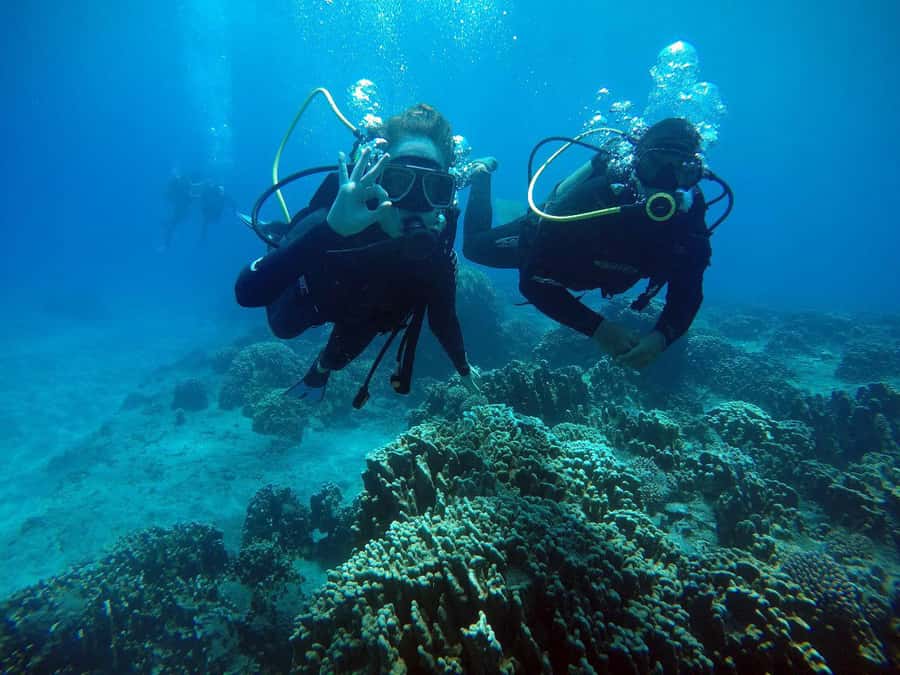
Easter Island, or Rapa Nui, is known for monumental statues and big-sky views. What I like about this underwater experience at Hanga Piko is that it adds another layer: you’re watching marine life and, if conditions and your level allow, you’re also connecting to the island’s underwater “mystery.”
The water quality is a major reason people choose this spot. Expect exceptional visibility, which matters more than you might think. With good visibility, you can actually track fish behavior, see corals up close, and enjoy the slow, calm feeling of floating while everything is in view.
And yes, you’ll likely see turtles. That’s not a guaranteed “show,” but the experience is set up so you’re looking for the usual highlights: turtles gliding through the water, schools of tropical fish, and coral formations that make the whole trip feel like a living set.
The 150-Minute Schedule: What Happens in Real Time
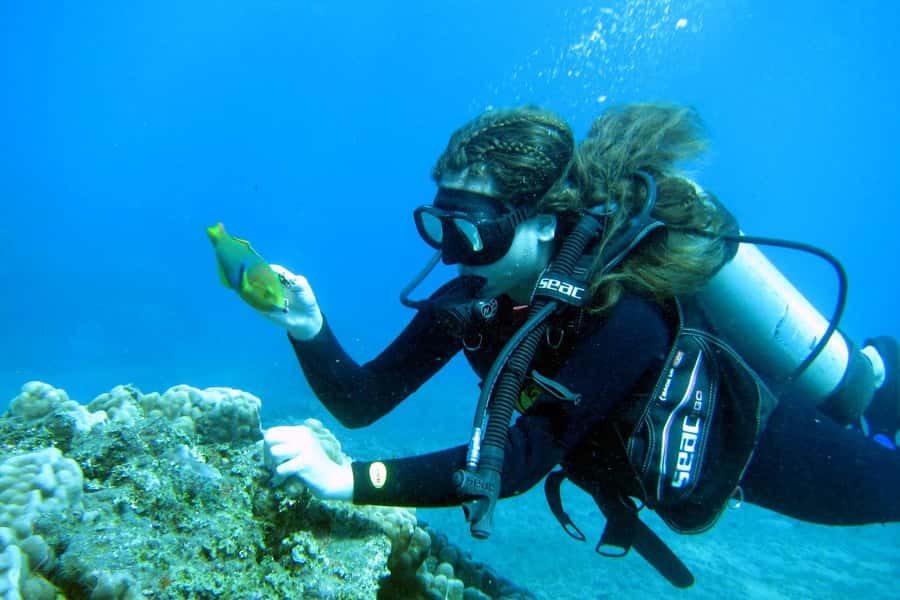
This experience runs about 150 minutes total, and it’s paced in a way that keeps you from feeling rushed—most of the time.
Here’s the flow:
- You start at Hanga Piko.
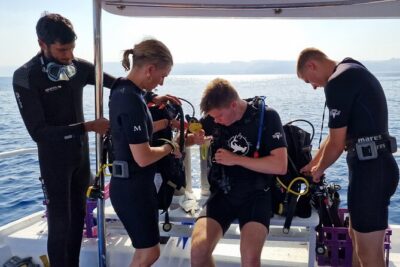
- There’s a 30-minute safety briefing. This is where you’ll learn how the gear works, how to move safely, and what to do if something feels off.
- Then you’re transferred by boat or vehicle from the cove to the water site, depending on maritime conditions (about 30 minutes).
- Back at Hanga Piko, you’ll spend about one hour in the water as your main experience time.
- Afterward, you’ll transfer again (about 30 minutes) to return.
The practical takeaway: the schedule has two “transfer blocks.” That’s not filler time—it’s your buffer for waves, wind, and logistics. If the sea is rough, expect adjustments. If you’re the type who gets stressed by moving parts, give yourself time and patience.
Safety Briefing That Actually Helps You Relax
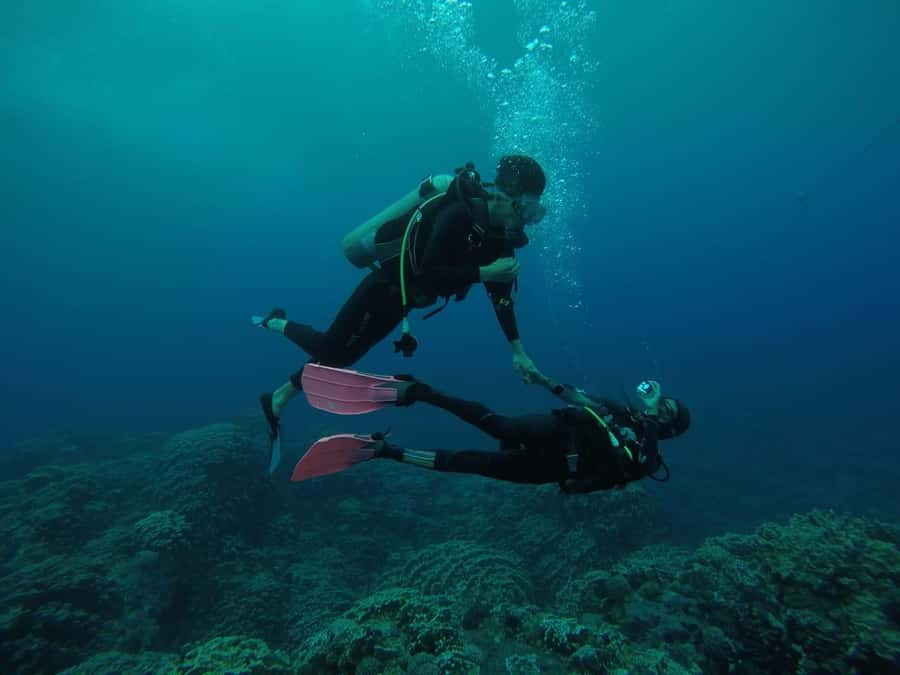
The safety briefing isn’t just a formality. You’re learning the basics of how to handle your equipment, what the instructor wants during your underwater time, and how to stay comfortable.
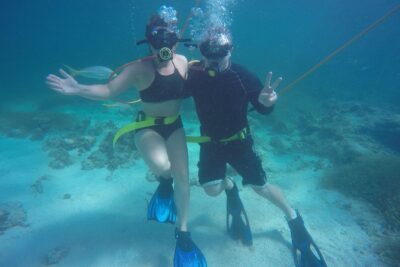
The operator emphasizes personalized instruction with the instructor staying with you throughout. That matters because your comfort usually comes down to two things: understanding what to do next and feeling like someone has your back if you need help.
Also helpful: you do not need to know how to swim to take part. You’re still in controlled conditions with an instructor, and the focus is on getting you set up safely and confidently.
One more thing to keep in mind: alcohol and drugs are not allowed. Keep it simple—arrive clear-headed and ready to learn.
Gear Included: What You’ll Wear and What You’ll Handle
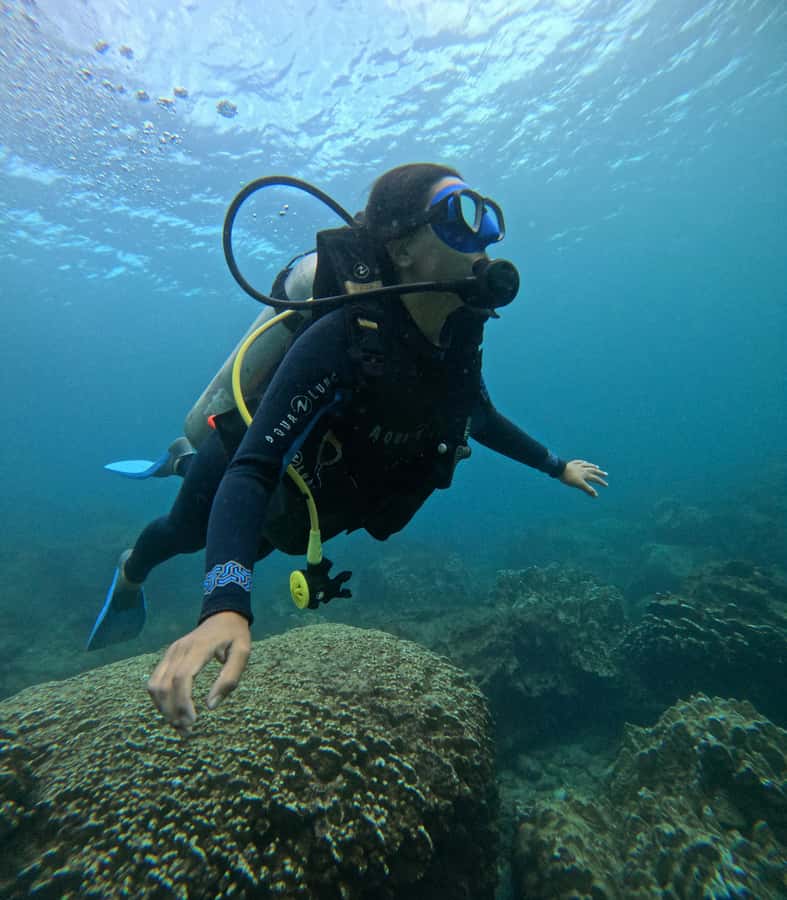
Good news: you don’t need to hunt down scuba gear in advance. You get full equipment rental, including a suit, mask, fins, a buoyancy vest, and the diving cylinder.
That’s a value point worth caring about. On many trips, the “cheap” price turns into a gear-fee headache later. Here, the key gear items are covered, so you can focus on the experience itself.
Before you go, also plan for the photo/video part. They include photos and video of your experience, and you’ll want something to move files afterward—bring a pendrive, memory card, or a cable to transfer images to your phone (Android or iPhone).
If you want a souvenir that feels real, this is one of those details that can make the day feel more complete.
What You’ll See Underwater: Fish, Turtles, and Coral
This is an underwater wildlife-and-scenery combo, not just a “check the box” training session.
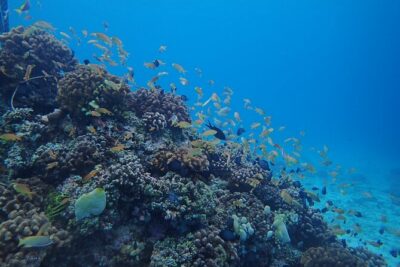
With the strong visibility, you’re set up to see:
- Colorful tropical fish in the water column and around coral
- Turtles, often gliding through your viewing area
- Coral structures that give the whole scene shape, depth, and texture
The biggest benefit of good visibility is how it changes your attention. When you can actually see what’s around you, you stop thinking about breathing or timing every movement. You start watching—where fish come from, how they react to your presence, and how turtles move with almost zero effort.
Even if you’ve never done this before, the goal is to keep things calm and visual. It’s not about speed. It’s about hanging out in the water long enough to notice the details.
The Submerged Moai: Where Certification Changes the Game
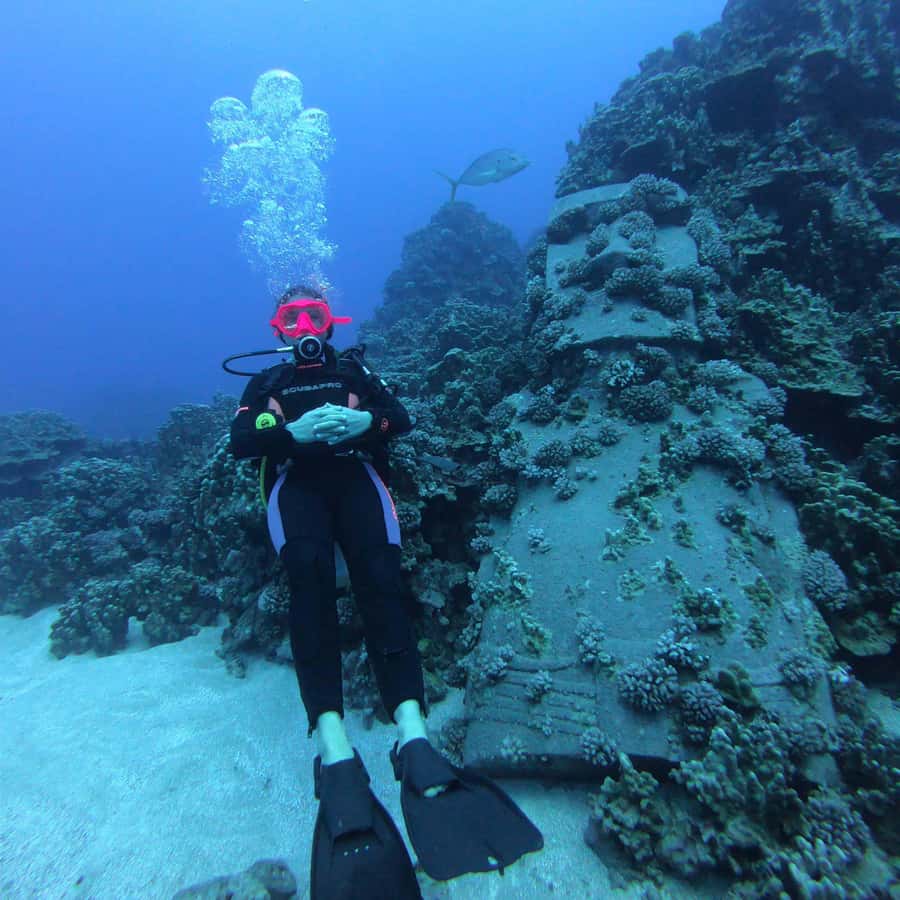
One of the most intriguing parts of Rapa Nui diving (sorry—I’m going to keep it practical here) is the possibility of seeing underwater archaeological features, including submerged moai.
Here’s the important rule: to reach the submerged moai statues, you need proper certification. If you don’t have it, you won’t be going that deep or pushing for that specific site.
This doesn’t mean the day is a letdown. Your experience still includes marine life and underwater scenery. But it does mean you should set expectations. If moai access is your #1 goal, verify your certification level before booking.
If you’re curious, ask the center directly what you can realistically see based on your status—don’t guess.
Transfers by Boat or Vehicle: Timing and Sea Conditions
The operator transfers you from Hanga Piko cove to the dive site by boat or vehicle, and they decide based on maritime conditions.
So what does that mean for you?
- Your exact departure timing can shift.
- Your comfort level will depend on sea state if you go by boat.
- You should dress for sun and wind, not just for calm water.
There’s another practical reality: when schedules include transfers and sea-dependent choices, the day can run slightly differently than you planned. Plan to stay flexible. If you arrive with a tight itinerary, leave padding.
Price and Value: Is $139 Worth It Here?
At $139 per person for about 150 minutes, the value is best understood by what you get bundled in.
You receive:
- Instructor-led safety briefing and guided support
- Full gear rental (suit, mask, fins, vest, cylinder)
- Photos and video after your session
- A small group size (up to 10 participants)
That bundle is the value. Gear and photos alone can add up on many excursions. Then you add the personal instruction factor, which can make the experience smoother—especially if you’re new or anxious.
The only cost that might catch you: transportation isn’t included. The meeting point is set and shared 48 hours before the activity. So budget your way to the meeting location ahead of time.
If you’re someone who likes structured guidance and wants a memorable souvenir (photos/video), this price starts to look fair rather than “touristy.”
Who This Experience Is Best For (and Who Should Skip)
This is a strong option if you want a guided, marine-life focused underwater session with a competent team and small-group attention.
It’s not suitable for:
- Children under 12
- People with heart problems
- People with altitude sickness
- People with high blood pressure
It’s also not something you should try if you flew within 12 hours.
If you don’t know how to swim, you can still participate, which opens the door for many first-timers. The key is whether you feel medically cleared and ready to follow instructions.
One more practical tip: if you’re prone to feeling sick in boats, plan accordingly. The itinerary includes boat or vehicle movement depending on sea conditions.
Real Talk on the Team: Communication and Support
The center runs with English and Spanish instructors, which helps if you don’t want to guess your way through safety steps.
In at least one experience, the staff were especially helpful with logistics like carrying gear to and from the boat and being ready with quick, friendly support. Names that have shown up include Joacquin and Carla. That kind of hands-on help reduces friction on days when you’re learning a new skill.
Safety care also comes through strongly. The operator is careful about diver safety, and that’s exactly what you want when you’re trying something your body isn’t used to yet.
Should You Book This Easter Island Underwater Session?
If you’re coming to Rapa Nui and you want something more than statues and sunsets, I’d strongly consider booking this. The combo of clear visibility, likely sightings of turtles, and the chance to see underwater archaeological features (if certified) makes it feel like a true island-specific experience.
Book it if:
- You want a guided, small-group format
- You’ll appreciate the included photos/video souvenir
- You’re okay with sea-condition transfers and a structured schedule
- You can follow the no-flying rule (12 hours)
Skip or think twice if:
- You have any of the medical conditions listed
- You flew recently
- You’re counting on moai access but don’t have certification
FAQ
Where does the activity start?
It starts at Hanga Piko.
How long is the full experience?
The total duration is 150 minutes.
Do I need to know how to swim?
No. It is not necessary to know how to swim for this discipline.
What kind of instructor support will I get?
An instructor accompanies you and provides personalized guidance throughout the experience. The instructor is available in English and Spanish.
How big is the group?
It’s a small group limited to 10 participants.
What equipment is included?
Full equipment rental is included, including a suit, mask, fins, a buoyancy vest, and the diving cylinder.
Can I see the submerged moai statues?
To reach the submerged moai statues, you need diving certification. Without certification, you won’t be able to reach that deeper site.
What about transfers to the water site?
You’ll be transferred by boat or vehicle from Hanga Piko cove to the diving point, depending on maritime conditions.
Is there a rule if I recently flew?
Yes. You cannot participate if you fly within 12 hours, so check your travel timing before you book.