REVIEW · KATHMANDU
Dive into Spirituality: 6 Days Trek to Gosaikunda Lake
Book on Viator →Operated by Mountain Hike Nepal · Bookable on Viator
Gosaikunda is short on days, long on meaning. I love the sacred kunda circuit at the lake and the way the trek mixes Himalayan views with real village life. One consideration: it’s an uphill-then-downhill hike, so you’ll want solid moderate fitness and be ready for early starts.
The logistics are refreshingly direct: you leave Kathmandu early (meeting time 5:45 am) and reach Dhunche by road, then switch to trekking for the core days. I also like that the trek is “condensed but complete,” which helps if you’re time-limited and still want an honest high-altitude feeling without stretching it into a long expedition.
The spiritual side is the highlight, but it’s not a sightseeing-only stop. You’ll visit multiple named kundas (including Surya Kunda, Saraswoti Kunda, and Bhairab Kunda) and there’s worship at Gosaikunda Lake, which means the day can feel slower and more reverent than a typical nature hike.
In This Review
- Quick hit points
- Kathmandu to Dhunche: the easy start that matters
- Day 2 to Chandanbari: uphill trekking for a strong rhythm
- Day 3 to Gosaikunda Lake: the sacred stops that change the pace
- Day 4 back to Chandanbari: the calm after the holy high point
- Day 5 from Chandanbari to Dhunche: downhill trekking and careful footing
- Day 6 back to Kathmandu: wrap-up with perspective
- Value and price: is $735 fair for what you get?
- Who this trek fits best
- Mountain Hike Nepal: professionalism matters on the trail
- A few practical tips before you go
- Should you book this 6-day Gosaikunda trek?
- FAQ
- What is the duration of the trek?
- Where does the trek start and end?
- What time does the tour start?
- Is pickup offered?
- What is included in the price?
- What is not included?
- Is travel insurance required?
- Is the trek private?
- What happens if weather is bad or the minimum group size isn’t met?
- Is cancellation free?
Quick hit points
- Gosaikunda Lake kundas: Surya Kunda, Saraswoti Kunda, Bhairab Kunda, plus worship time by the water.
- Time-smart trek: about 6 days total, ideal when you can’t spare weeks.
- Langtang region scenery: views of Langtang Himal and Ganesh Himal from the route.
- Cultural trekking days: you pass through ethnic villages and see everyday traditions along the way.
- Teahouse practicality: included meals and twin-sharing teahouse accommodation during the trek.
- Wildlife in the broader region: Langtang is known for rare species like red pandas and snow leopards, though sightings aren’t guaranteed.
Kathmandu to Dhunche: the easy start that matters
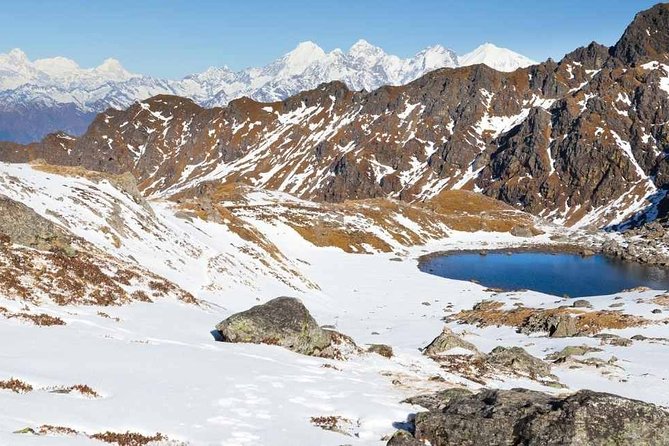
This trek begins with a road transfer that feels simple on paper, but it sets the tone for the whole trip. You’ll start from Kathmandu at 5:45 am, ride out to Dhunche, and get your first overnight there. The route goes via Trisuli Bazar, so you trade city energy for river valleys and mountain foothills pretty quickly.
Why I like this start: it keeps the first day from turning into a “just to prove we can” scramble. You get a real night in Dhunche before the walking ramps up, which makes the later hiking days feel more achievable.
The practical side: the trek includes Kathmandu to Dhunche and back by public transport, so you’re not paying for private vehicle comforts the whole time. You’ll also be near public transportation for the meeting point, which helps if you’re managing your own Kathmandu schedule.
Small drawback to know up front: since the core trek starts early, your Kathmandu day before needs a little planning. Don’t book late dinners or assume you’ll “sleep in” in the morning. Nepal time happens fast.
Day 2 to Chandanbari: uphill trekking for a strong rhythm
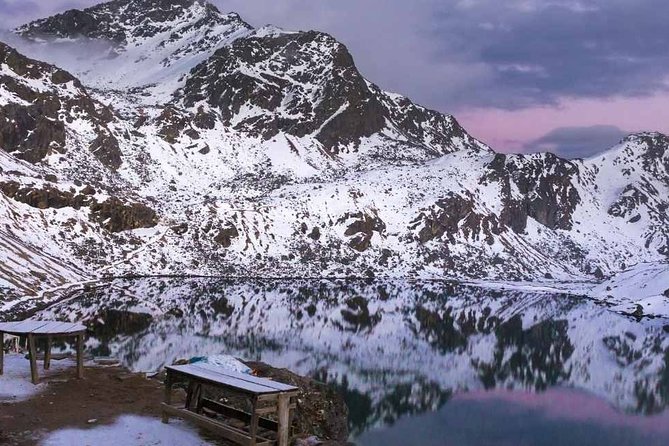
Day 2 is your first major hiking push. You trek to Chandanbari, with an uphill section lasting around 6–7 hours. This isn’t a short leg-stretcher. It’s long enough that your pace matters, especially with an early start and changing trail gradients.
What makes this day worthwhile is the gradual shift from lower, greener sections into more rugged trekking terrain. The overview mentions lush forests and rugged ground, and you feel that transition as the trail climbs and vegetation changes.
How to make this day easier: keep your effort steady. When trails steepen, people tend to “fight” the climb. Better strategy is slow, consistent steps, short breaks, and focus on conserving energy for the high spiritual day ahead.
If you’re the type who likes a clear goal at the end of the day, Chandanbari gives you that. You end with an overnight stay there and the trek doesn’t abruptly switch into a marathon without a pause.
Day 3 to Gosaikunda Lake: the sacred stops that change the pace
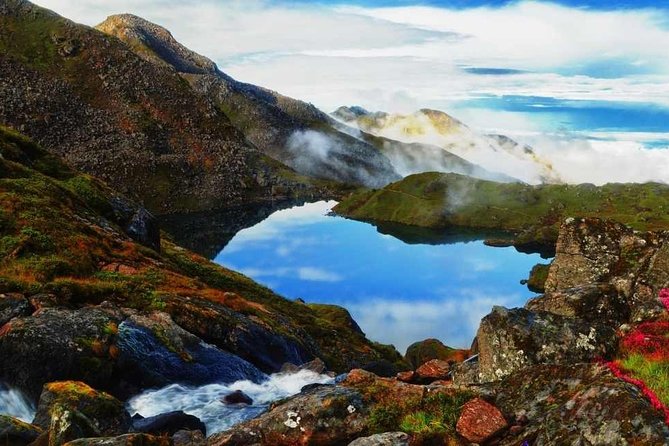
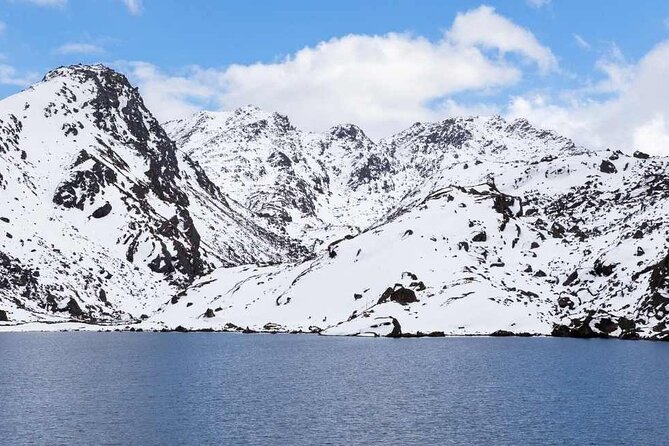
This is the day most people remember—because Gosaikunda isn’t just a lake. It’s revered by Hindus and Buddhists, and the trekking route brings you in with a sense of ceremony.
You start early and trek up to Gosaikunda Lake, the holy lake at the heart of the experience. Along the way at the lake, you’ll visit named kundas, including Surya Kunda, Saraswoti Kunda, and Bhairab Kunda. There’s also worship at the holy lake Gosaikunda.
Here’s what makes that different from an ordinary viewpoint day: the spirituality slows you down in a good way. You’re not rushing only to get photos. You’re moving through a sequence of places that locals treat with meaning, and it naturally changes how you experience the landscape around you.
The mountain views are also part of the payoff. You get breathtaking views of Langtang Himal and Ganesh Himal in the region. Even if you’ve seen peaks before, the angle from trekking routes like this feels personal—you’re looking up at towering ridgelines while your body is actively working toward the destination.
Overnight at this area means you’re not just rushing in and out. You get time to settle, recover, and take in the atmosphere after the day’s walking.
A consideration: because this day includes worship and multiple kunda visits, the schedule may feel less like a strict timetable and more like a guided flow. If you like tight, minute-by-minute plans, this is the wrong kind of trek. If you like a human pace, you’ll probably enjoy it.
Day 4 back to Chandanbari: the calm after the holy high point
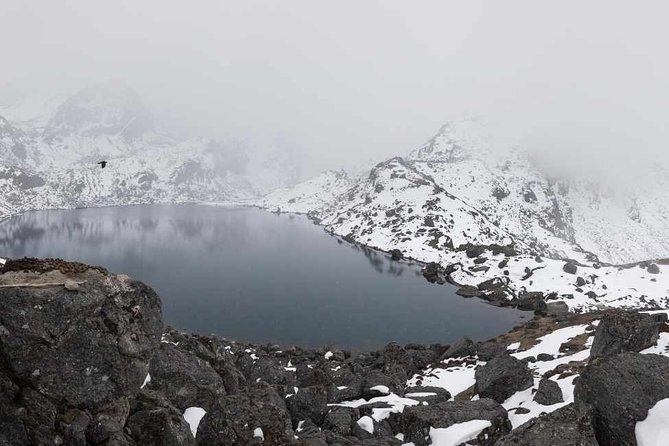
Day 4 is your return hike from Gosaikunda back to Chandanbari. This is a reversal of Day 3, but it’s not “repeat and forget.” The trail can feel different depending on the condition of the ground, and your legs are responding to the prior day’s altitude workload and spiritual stops.
This day is about collecting your own impressions. You’ll pass through the same broader trekking corridor again, and you’ll notice how quickly your brain recalibrates when the goal shifts from reaching a sacred place to simply walking through the day.
Why it matters: resting here is a gift. After a big spiritual and visual climax, Chandanbari gives you a place to regroup with an overnight stay.
One practical note: after a high-energy day, people often want to speed up on the way down or over. Don’t. You’ll feel the effort later if you rush.
Day 5 from Chandanbari to Dhunche: downhill trekking and careful footing
Day 5 takes you from Chandanbari back to Dhunche, and the trek is described as downhill in this direction. Downhill can feel easier in the moment, but it often beats up your knees if you let your stride get too long.
You’ll be walking less uphill effort, but more time managing steps, balance, and pace. Think of this day as technique practice: small steps, watch where your feet land, and take breaks before your legs complain.
This is also a nice “transition day.” You’re moving toward the road, toward meals off-trail, and toward the idea of returning to Kathmandu. It’s a psychological reset, not just physical movement.
Overnight in Dhunche on this day sets up a smooth Day 6 drive back.
Day 6 back to Kathmandu: wrap-up with perspective
On Day 6, you drive back to Kathmandu. The contrast is sharp: the quiet, high mountain rhythm gives way to traffic and normal city sounds.
This final day is about reflection—especially because the week includes both physical exertion and spiritual attention at Gosaikunda. It’s not the kind of trek where you only come home with photos. You come home with a different internal sense of what matters, because the route is built around a sacred destination.
If you’re the type who needs a plan after trekking, consider scheduling Kathmandu time for rest before you jump back into long outings. Your body will still be unwinding.
Value and price: is $735 fair for what you get?
At $735 per person, this trek is priced for a real package: permits, a guide, porter support, meals during the trek, and teahouse accommodation.
Here’s what you’re paying for that matters:
- Langtang Conservation Area Permit and TIMS card are included, so you’re not hunting paperwork on your own.
- An English-speaking guide plus a Sherpa porter (with a 2 trekkers : 1 porter arrangement) lowers the burden of carrying and makes the trek more enjoyable.
- All local meals during the trek (breakfast/lunch/dinner) and teahouse accommodation on twin sharing are included, which reduces surprises day to day.
- Public transport is included for Kathmandu ↔ Dhunche, so you’re not adding an extra logistics bill.
What’s not included can affect your real budget:
- Tips for guide(s) and porter(s)
- Meals and accommodation in Kathmandu
- Drinks (tea/coffee/water/soft drinks/alcohol) and hot shower and internet are not included
So is it good value? For many people, yes—especially because it’s a short trek that still covers the core “reason you came”: Gosaikunda’s spiritual significance, kunda stops, and big Langtang-area views. If you were planning to do this independently, the included guide/porter and permit handling are a big time-saver.
Who this trek fits best
You’ll likely enjoy this trek if:
- You want a moderate fitness challenge and can handle an uphill day around 6–7 hours plus other hiking days.
- You like cultural meaning, not only scenic points.
- You want a shorter trek that still feels complete, especially if your Nepal trip window is limited.
You might want to think twice if you:
- Need a very lightweight, low-effort experience (this has real trekking days).
- Strongly prefer modern comforts like hot showers and constant connectivity (those aren’t part of the included package).
- Are sensitive to schedule flow that includes worship time and spiritual stops.
Mountain Hike Nepal: professionalism matters on the trail
The experience is operated by Mountain Hike Nepal. The feedback around their team centers on planning that matches your time constraints and keeping the trek organized.
One name that comes up in the planning side is Manish, who recommended the Langtang region because it’s nearer and fits a short holiday. That tells me the company is used to tailoring treks to real-world constraints, not just pushing the same route no matter what.
Based on the package structure, you also get clear inclusions: permits, meals, teahouse stays, and the guide/porter ratio. For trekkers, that kind of structure is worth more than flashy marketing.
A few practical tips before you go
These are general trekking realities, but they match what the package implies:
- Expect early starts. Meeting time is 5:45 am, and Day 3 includes an early trek to Gosaikunda.
- Plan on basic teahouse living. Meals are included, but you’re not paying for upgraded comforts like hot showers.
- Bring cash for anything not included (drinks, tips, and anything you decide you need in Kathmandu).
- Make travel insurance part of your plan. It’s stated as compulsory for an adventure trip, and it protects you in the exact moments where things can go wrong outdoors.
If you’re sensitive to altitude, this trek’s schedule is still active. You’ll want to pace yourself and listen to your guide’s rhythm.
Should you book this 6-day Gosaikunda trek?
I’d book it if you want a spiritual destination trek that still delivers mountains and real village trekking without eating your whole vacation.
I would not book it if you’re looking for a gentle stroll, a luxury comfort level, or a fully plug-in experience with included showers and internet. This is more traditional trekking than resort life.
If your priorities are meaning, manageable time, and a guided route with meals and permits handled, this trek is a strong fit.
FAQ
What is the duration of the trek?
It’s listed as a 6-day trek (approximately).
Where does the trek start and end?
You start in Kathmandu, drive to Dhunche, trek through the Langtang region to Gosaikunda Lake and nearby stops, then return to Dhunche and drive back to Kathmandu.
What time does the tour start?
The start time is 5:45 am.
Is pickup offered?
Pickup is offered.
What is included in the price?
Included are Kathmandu to Dhunche to Kathmandu by public transport, local trek meals (breakfast/lunch/dinner) and teahouse accommodation on twin sharing, Langtang Conservation Area Permit and TIMS card, an English-speaking guide with a Sherpa porter (2 trekkers: 1 porter), and government taxes and service charge.
What is not included?
Not included are tips for the guide(s) and porter(s), meals and accommodation in Kathmandu, drinks (tea/coffee/water/soft drink/alcohol), and hot shower and internet.
Is travel insurance required?
Yes. Travel insurance is compulsory to take an adventure trip.
Is the trek private?
It’s a private tour/activity, so only your group participates.
What happens if weather is bad or the minimum group size isn’t met?
This experience requires good weather. If it’s canceled due to poor weather, you’ll be offered a different date or a full refund. It also requires a minimum number of travelers; if that isn’t met, you’ll be offered a different experience/date or a full refund.
Is cancellation free?
Yes, you can cancel up to 24 hours in advance for a full refund, but cancellations made less than 24 hours before the start time are not refunded.