REVIEW · KEY LARGO
Try Scuba Diving with Professional Scuba Instructor
Book on Viator →Operated by Scuba Fun Dive Center · Bookable on Viator
Your first scuba day feels surprisingly organized.
In Key Largo, this program turns you from flat-footed on land into a confident scuba student, with patient instruction and hands-on pool practice before you head out. One thing to plan for: the pool and marina are a few minutes apart, so you need reliable transportation for the day.
You’ll start with a brief intro and a classroom-style briefing, then get fitted with full rental gear and practice key skills in a controlled pool. After a lunch break, you’ll go out on a boat for two supervised reef sessions, usually finishing around 5 pm. The experience is designed for first-timers and keeps groups small (maximum of 8), which helps you get clear coaching and faster correction.
In This Review
- Key Largo try-scuba in one glance: price, timing, and who it suits
- Before you go: the small-group setup and the day flow
- At the meeting point at 8:00 am: what to expect on arrival
- Classroom briefing and gear fitting: where the fundamentals start
- Training pool skills: building confidence before the ocean
- Lunch break and getting ready for the boat
- Two supervised reef sessions: coral, fish, and first-timer control
- Instructors and safety: why the teaching style matters
- What’s included for $259: value you can feel in the day
- Swim ability and health limits: the checklist that keeps you safe
- Flying and altitude rules: plan your next day like a pro
- Getting the most out of your session: simple tips that help
- Should you book this Try Scuba experience in Key Largo?
- FAQ
- Where is the meeting point for the experience?
- How long does the experience last?
- What is the maximum group size?
- What is included in the $259 price?
- What should I bring?
- Do I need to be a strong swimmer?
- Do I need to complete a medical questionnaire?
- Can I fly the next day after the experience?
- What happens if weather is poor?
Key Largo try-scuba in one glance: price, timing, and who it suits
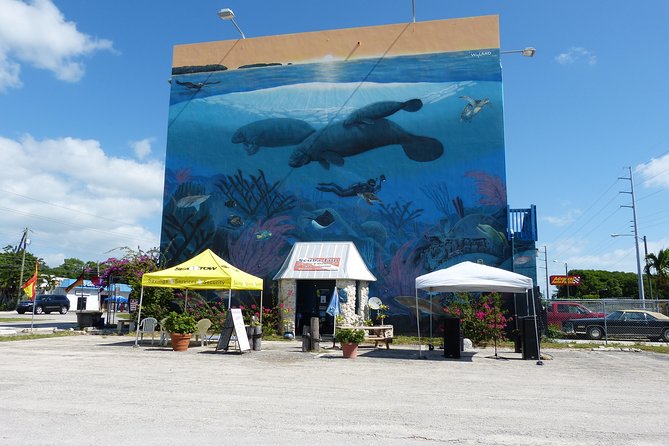
This is a full one-day “try scuba” format priced at $259 per person, and it’s built to fit around a typical morning-to-afternoon schedule. You’ll meet at 99222 Overseas Hwy, Key Largo, FL 33037 at 8:00 am and end back at the meeting point. English is the working language, and you’ll get a mobile ticket.
What you’re paying for is the whole coaching package: a certified instructor for the entire day, scuba equipment rental, pool training, and the two reef sessions with supervision. That matters because this is not a quick demo you watch from the edge. It’s a skills-first introduction that aims to leave you calmer in the water than you arrived.
The vibe is also supported by the reviews: an overall rating of 4.7 with 92% recommending the experience, and a lot of praise for instructors who explain clearly and stay patient when students need extra time.
Before you go: the small-group setup and the day flow
The group size limit is 8 travelers. In practical terms, that’s why the coaching can feel personal. You’re not getting shuffled through a factory line of equipment changes and surface-level directions. Instead, you’re more likely to get quick feedback on breathing, buoyancy, and hand signals.
The day is structured in three big phases:
- Gear fitting and pool skills (morning)
- A lunch break (midday)
- Two reef sessions from a boat (afternoon)
The order is intentional. You’ll learn and practice basics in the pool first, so when you hit the ocean later, you’re not trying to learn equipment and underwater communication at the same time.
Also, plan your timing carefully for travel afterward. There’s a strict instruction: you cannot fly or go to high altitude until 10 AM the next day. That’s not the kind of detail you want to discover late when you’re booking flights.
You can also read our reviews of more tours and experiences in Key Largo.
At the meeting point at 8:00 am: what to expect on arrival
You’ll meet at 99222 Overseas Hwy in Key Largo. Start time is 8:00 am, and the tour ends back at the same meeting point. The pool location and marina are a few minutes away, which is why transportation matters. If you’re relying on someone else or public transit, build in extra buffer.
Bring yourself in a calm, ready mindset. This experience includes academic briefing and equipment fitting, so arriving early (even by 10 minutes) helps you avoid stress before you’re wearing a weight belt and checking hoses.
If you’re booking this during a busy season, keep in mind it’s commonly reserved about a month in advance on average. If you want a specific date, earlier booking usually makes your life easier.
Classroom briefing and gear fitting: where the fundamentals start
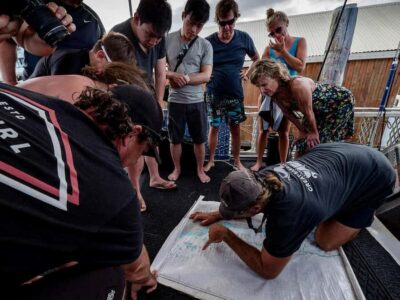
The day begins with a short introduction and classroom briefing. You’ll cover the essentials you need to be safe and comfortable, then you’ll be outfitted with scuba gear. From there, you’ll head to the pool.
In many first-time scuba experiences, people focus on the equipment. Here, the emphasis is on fundamentals: how to use the system, how communication works underwater, and how you should respond when things feel different than on land. That’s the difference between feeling excited and feeling panicked.
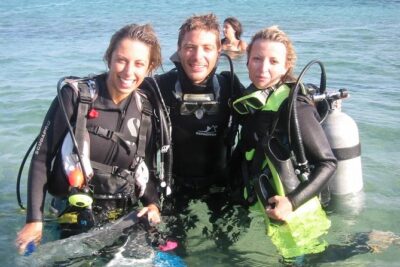
Expect that your instructor will take time with you rather than rushing everyone through. Reviews specifically highlight instructors who are very people oriented and patient, including Scuba Joe, who gets repeated praise for being calm, friendly, and hands-on with first-timers.
Training pool skills: building confidence before the ocean
This is where you get most of the value for your money. You’ll go into the pool for skill practice under instructor supervision, including time to get familiar with the equipment and to run through key scuba basics.
The pool stage is also a confidence builder because it reduces unknowns. You’ll experience how breathing sounds and feels while wearing the gear, how buoyancy affects your body position, and how hand signals work when you can’t rely on verbal conversation.
One real-world tip from the overall experience: even in training, buoyancy can be tricky for new students. In one case, the group had trouble staying down at first in a shallower reef-style session, and later improved on the second session. That’s a good reminder to relax your technique early and treat the first attempt as practice, not a test.
If you’re the type who needs repetition, this pool portion is exactly where you want it. The goal is comfort, not speed.
Lunch break and getting ready for the boat
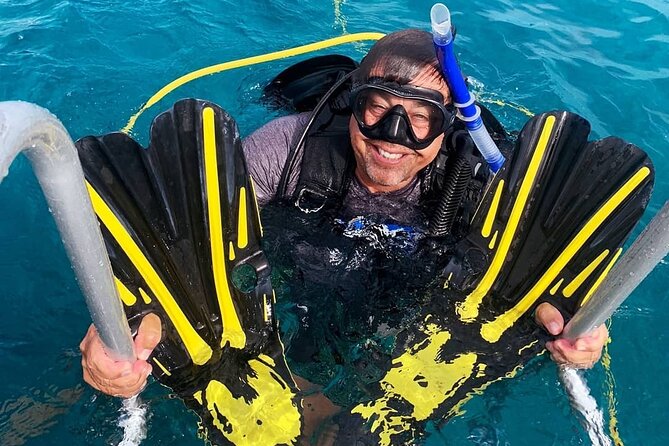
After the pool portion, there’s a lunch break before you head out for the reef sessions. The schedule says the full program usually finishes around 5 pm.
A practical note: the tour data doesn’t list lunch as an included meal, so plan to handle food for yourself during that break. Bring a simple snack plan if you’re someone who gets low energy when you’re waiting.
Use the lunch break to mentally reset. Once you’re on the boat, your attention shifts to comfort, buoyancy control, and listening for your instructor’s cues.

Two supervised reef sessions: coral, fish, and first-timer control
The heart of the day is the afternoon boat outing. After lunch, you’ll go out and do two reef sessions under instructor supervision. You’ll be with your instructor the whole time, which is a big safety and comfort benefit for first-timers.
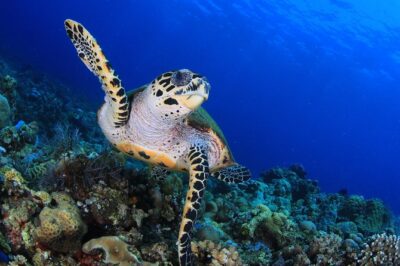
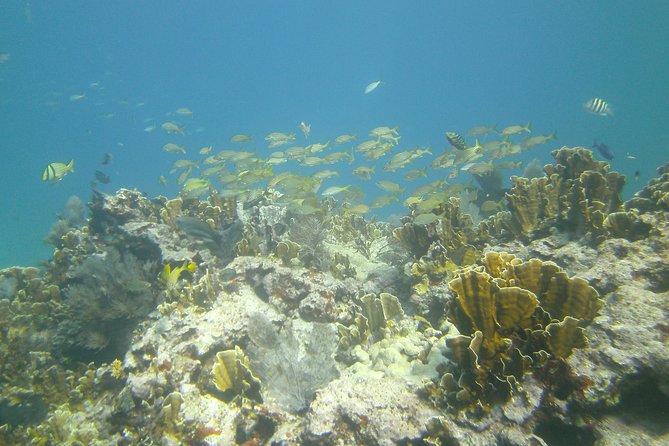
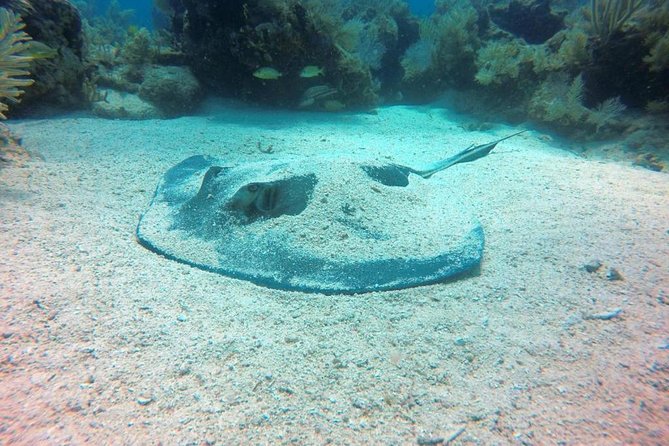
The reef time is where Key Largo shows off. Reviews mention lots of fish and at least one nurse shark sighting during the experience. Even when conditions or student buoyancy makes the first reef session short, the second session is often where things click.
A helpful detail for first-timers: you might not stay down immediately. One review described a group that had trouble getting to the bottom during the first shallow reef session, with buoyancy issues affecting how long people could remain at depth. The next reef session went better, and everyone was able to get down and move around more comfortably.
That sequence matters. It tells you the program is not just about getting in the water; it’s about coaching you toward better control step by step.
You should also think about motion comfort. One participant reported motion sickness and only completed one reef session, even though they still found the overall experience enjoyable. If you’re sensitive to boats, consider taking appropriate steps before the day and tell your instructor early. Planning ahead is the difference between a fun session and a miserable one.
Instructors and safety: why the teaching style matters
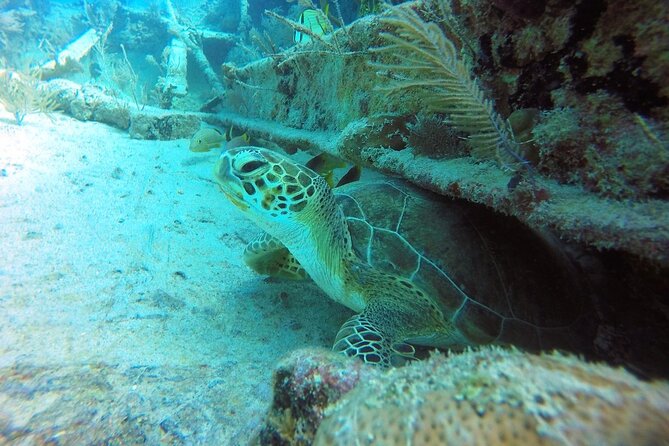
This is a learn-first experience, and the reviews make the teaching style the star. Names that come up include Scuba Joe (praised as patient and safety-focused), David and Kevin (praised for friendliness and patience), and instructors Sharky and Randy (praised as gentle, patient, and good at explaining).
What I like about this coaching approach is that it blends safety with clarity. The best feedback in scuba is simple and immediate: what to do, how to do it, and what to fix if your body is floating too high or moving too quickly. When instructors are confident and calm, students tend to relax faster.
You’ll also benefit from the small-group structure. With a maximum of 8 travelers, instructors can watch your posture and breathing more closely, instead of giving generic instructions and hoping everyone follows along.
What’s included for $259: value you can feel in the day
At $259 per person, this is priced like a real “instructional day,” not a quick photo-op. What you get included:
- Local taxes
- Academic briefing/learning components
- Pool training
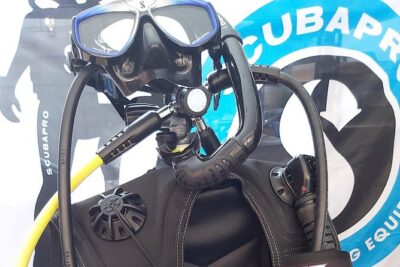
- Rental gear and all scuba equipment
- A professional scuba instructor for the whole day
What’s not included:
- Swimsuit and towel
- Gratuities
Here’s how to think about value: you’re paying for guided coaching plus equipment rental plus guided ocean time. If you only cared about snorkeling or watching, you’d spend less. But if you want structured skills, instructor supervision, and a supervised start that supports future certification, this price starts to make sense.
Also, the equipment is handled for you. That saves time and avoids the common frustration of trying to rent or fit the right scuba kit while traveling.
Swim ability and health limits: the checklist that keeps you safe
This is the part you should take seriously before you book. To participate, you must:
- Know how to swim comfortably
- Be in excellent health
- Be at least 10 years old
- Have a moderate physical fitness level
The swim requirement is specific: you should be able to swim two laps in a pool without a floating device and without standing or holding onto the side of the pool.
You also must fill out a medical questionnaire. The program explicitly says you cannot get refunds if a health condition or your inability to swim prevents you from participating. That’s why you should be honest during the questionnaire, even if it feels awkward. It’s not bureaucracy—it’s your safety screen.
It’s also not recommended if you have issues like ear infections or a history of ear disease, hearing loss, certain ear or sinus surgeries, congestion or bronchitis, respiratory problems or severe allergies, collapsed lung history (pneumothorax), chest surgery history, active asthma or emphysema, certain medication warnings about impairment, or even specific fear of enclosed or open spaces. If any of those apply, do not guess—verify first.
Flying and altitude rules: plan your next day like a pro
There’s a strict instruction tied to your physiology: you cannot fly or go to high altitude until 10 AM on the next day after your try-scuba session.
This means you should check your travel plans before you commit. If you’re connecting flights early the next morning, this activity may not fit your schedule. Better to plan a later departure or add an overnight buffer.
Getting the most out of your session: simple tips that help
You’ll have a better day if you show up ready to learn. A few practical ways to set yourself up:
- Wear gear comfort first. Your instructor will fit the equipment, but you can still help by bringing a swimsuit and towel ready to use.
- Listen closely for hand-signal guidance in the pool. That’s what keeps you calm when you can’t rely on voice.
- If buoyancy feels off, slow down. New students often rush their movements, which can make you float or struggle. Take cues from your instructor and aim for steady, slow control.
- If you’re prone to motion sickness on boats, tell the staff. One review included a motion-sickness experience that limited participation, but the rest of the day was still enjoyable.
Should you book this Try Scuba experience in Key Largo?
Book it if you want a guided, first-timer-friendly scuba introduction with certified instruction, pool skills practice, and two supervised reef sessions. This is also a good match if you appreciate small groups (max 8), because it supports closer coaching and quicker adjustments.
Skip it if your health history or swim ability doesn’t fit the stated requirements. Also skip it if your travel schedule leaves no room for the “no flying or high altitude until 10 AM next day” rule.
If you’re deciding between doing something cheap and doing something coached, this one leans toward coaching. At $259 with gear included and instructor support all day, it’s the kind of first scuba experience that can point you toward certification later—without making your first ocean time a stressful guessing game.
FAQ
Where is the meeting point for the experience?
You meet at 99222 Overseas Hwy, Key Largo, FL 33037, USA at 8:00 am. The activity ends back at the meeting point.
How long does the experience last?
It’s approximately 1 day. The schedule indicates the program finishes around 5 pm.
What is the maximum group size?
The experience has a maximum of 8 travelers.
What is included in the $259 price?
The price includes local taxes, the academics/briefing, rental scuba gear, pool training, a professional scuba instructor for the whole day, and all scuba equipment.
What should I bring?
You’ll need a swimsuit and a towel, since those are not included. You should also be ready to follow any instructions your instructor gives during the briefing and fitting.
Do I need to be a strong swimmer?
Yes. You must know how to swim comfortably, including the ability to swim two laps in a pool without floating device and without standing or holding onto the side.
Do I need to complete a medical questionnaire?
Yes. You must fill out a medical questionnaire, and participation may be limited by health restrictions listed in the experience information.
Can I fly the next day after the experience?
No. You cannot fly or go to high altitude until 10 AM on the next day after your try-scuba session.
What happens if weather is poor?
The experience requires good weather. If it’s canceled due to poor weather, you’ll be offered a different date or a full refund.