REVIEW · SPLIT
Try Scuba Diving in Split
Book on Viator →Operated by Open Water Croatia · Bookable on Viator
First time underwater can feel like a big leap. This beginner scuba try-out in Split makes it practical and reassuring, and I really like that everything is handled for you: equipment, instructor guidance, and take-home photos/videos. One thing to plan for: there’s no food or drinks included, and the session may be limited by conditions since it runs only with good weather.
What makes this outing especially easy is the setup around your schedule. You start at Put Trstenika 8 in central Split (9:00am), and hotel pickup is available at a time and place you choose. Also, the group stays small (up to 4 people), so you get more attention than on the big-chaos shorelines.
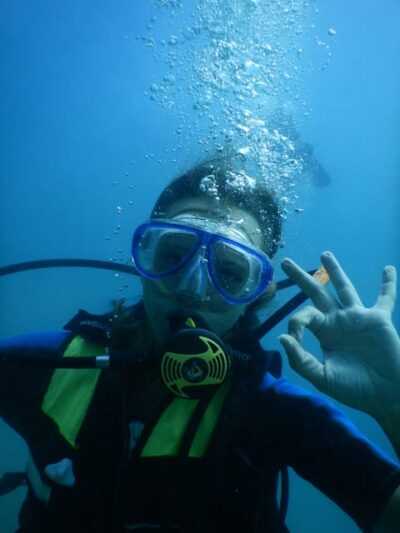
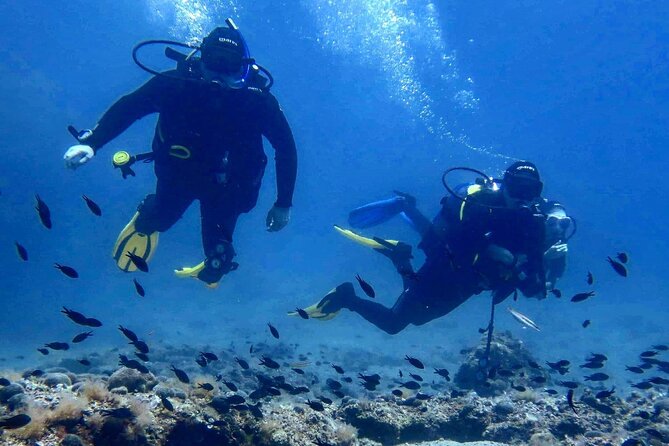
Once you arrive, you get a clear safety talk, get geared up, and then head to the underwater practice area. You’ll spend time learning breathing control and basic buoyancy so you can explore at a comfortable depth. And yes, you can expect fun underwater moments—fish, possible octopus sightings, and even playful training props that make photos way more interesting than plain wetsuit selfies.
In This Review
- Key highlights you’ll feel right away
- Why Split’s Coast Works for a First-Run Scuba Course
- 3 Hours, 4 People: What Your Morning Looks Like
- Gear, Training, and Safety: How You Get Comfortable Fast
- What You’ll See Underwater Near Split
- Price and Logistics: Is $156.18 Worth It?
- Photography, Diploma, and the Small Moments That Stick
- Who Should Book This Try-Scuba Session?
- Tips to Make the Most of Your 9:00am Start
- Should You Book This Try-Scuba Session?
- FAQ
- How long is the scuba try-out in Split?
- Where do we meet for the experience?
- Is hotel pickup included?
- Do you include scuba equipment and instruction?
- Will I receive photos or a video?
- Is there a diploma?
- What language is the tour offered in?
- How big is the group?
- Are kids allowed?
- What happens if weather is poor?
Key highlights you’ll feel right away
- Small group (max 4 travelers) so you’re not squeezed into the background.
- All equipment included, which saves you time hunting for rentals.
- Pictures, videos, and a diploma to take home more than just memories.
- Hotel pickup available, plus you start and end at the same meeting point.
- Beginner-friendly coaching, including calm reassurance from instructors like Vladimir and Alina.
- Marine life + training fun, from schools of fish to an occasional octopus.
Why Split’s Coast Works for a First-Run Scuba Course
Split is one of those places where the land sets you up for the water. You’re not traveling far to reach the training area, and the whole experience is built around a controlled start so you can focus on the new sensations rather than logistics.
The practical advantage here is that you’re learning in a place that’s designed for “try it” sessions. You’ll get time at shallow depths to practice breathing and control your position, then move gradually once you feel steady. People often expect the first minutes to be awkward. Here, you’re guided so the awkward parts don’t spiral into panic.
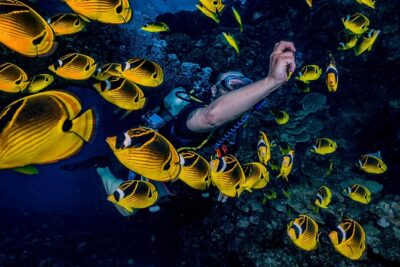
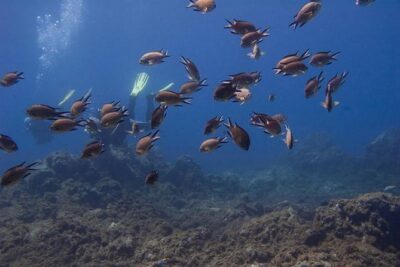
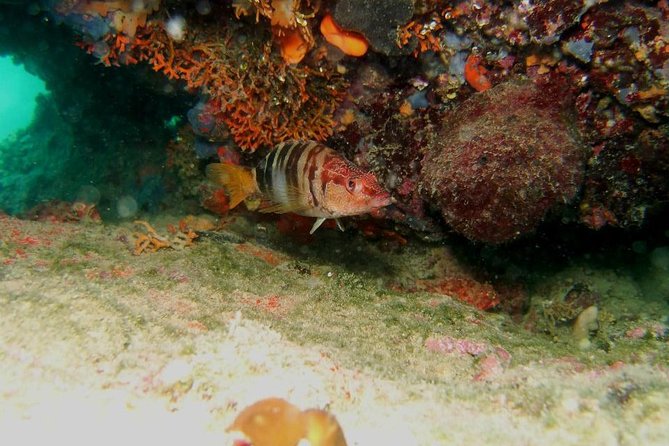
Another win is the underwater variety you can hope to see even on your first outing. Expect the kind of scenery that makes you look around more than you expected: schools of fish, starfish sightings in some conditions, and in some cases an octopus. Even when visibility isn’t perfect, the whole point of a beginner course is learning how to notice what’s around you, not chasing a checklist.
3 Hours, 4 People: What Your Morning Looks Like
This is a tight, efficient experience—around 3 hours total—and that matters because you can fit it into a short Split visit.
Here’s the flow you should expect:
- You meet at Put Trstenika 8, right near public transportation.
- If you want it, you’ll get hotel pickup at a time and location you choose.
- You’ll be back at the meeting point after the session, with hotel drop-off not included.
Once you’re with the team, the morning moves quickly but not rushed. You’ll get the rules and how-to basics before getting suited up. Then the group heads to the water, where the instructor’s attention stays on the people in the class, not just the gear.
The small group size (up to 4) is the difference between feeling like a number and feeling like a student. In a bigger group, you might wait. Here, you’re more likely to get quick fixes when something feels off—especially during the early practice.
Gear, Training, and Safety: How You Get Comfortable Fast
If you’re nervous, this is the kind of experience that helps nerves calm down in the right order: information first, then practice, then exploration.
You’ll start with a safety briefing and a set of instructions that focuses on the basics you actually need in the water. Gear is included, so you don’t spend your day double-checking rental straps or trying to figure out how the equipment fits. The instructor also stays right with you, which is crucial for first-timers learning buoyancy and breathing control.
From what people describe, the tone is a big part of why it works. Instructors such as Vladimir are repeatedly praised for being calm and highly focused on instruction, even when you’re brand new. You’ll also hear about friendly support from Alina, which helps turn the class into an experience you can relax into.
What you’ll likely do underwater (at a beginner pace):
- Practice breathing underwater and getting used to the sensation of scuba gear.
- Work with buoyancy so you feel stable rather than “tippy.”
- Start shallow, then progress slowly to comfortable depths once your control improves.
In some beginner sessions, people mention reaching around 5–6 meters after getting settled. In other cases, once you’re comfortable, the instructor may guide you toward about 9 meters. Your depth will depend on your comfort and the conditions that day, and that’s exactly how it should be.
One more real-world point: water temperature can surprise you. In mid-February, for example, people report it was cold but manageable thanks to wetsuits. If you’re sensitive to cold, it’s smart to mentally prepare for that possibility and treat the wetsuit as part of the plan—not as an afterthought.
What You’ll See Underwater Near Split
This is where the experience turns from “lesson” into “memories.”
You’re not just learning how the equipment works. You’re also getting a chance to look around. Split’s underwater world is often lively in a way that feels satisfying even for beginners.
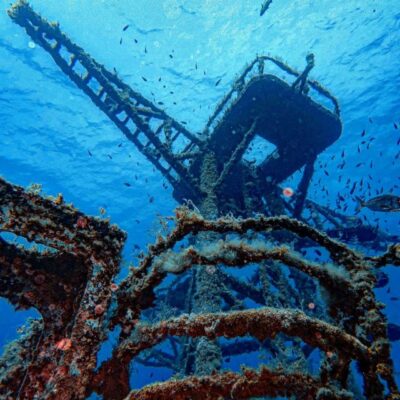
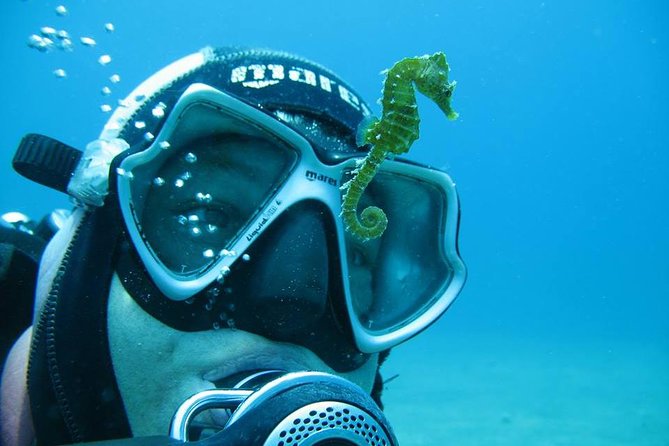
Expect to spend your underwater time in a practice-friendly area, where training tools and gentle underwater navigation are part of the fun. Some people mention a natural lagoon-like setting near a beach, which can feel more controlled than open water. You may even see playful training elements such as hoops to swim through and, on some days, humorous props like a mini village or a mountain bike used for photo moments. The point isn’t the prop itself—it’s that the training area is designed to keep your mind engaged.
Marine life sightings you might be lucky to catch:
- Schools of fish (often the easiest “win” for first-timers)
- Starfish sightings in some conditions
- Occasional octopus sightings
Don’t go in with the mindset that every animal is guaranteed. But do go in ready to look, because once you get used to the gear and breathing rhythm, the underwater view becomes the main event.
Price and Logistics: Is $156.18 Worth It?
Let’s talk value in real terms.
At $156.18 per person for about 3 hours, you’re paying for more than “someone takes you underwater.” You’re paying for:
- A professional instructor who coaches your first steps
- Necessary equipment (so you avoid rental hassles)
- Photos and videos (you don’t have to battle with a waterproof camera)
- A diploma (nice if you want a tangible souvenir of learning something new)
You also gain convenience. Hotel pickup is available, and you start and end at the meeting point, so you’re not stuck solving transportation mid-session.
What’s not included is also part of value math. Food and drinks aren’t included, and hotel drop-off isn’t included. That means you’ll need to plan a snack or meal before and/or after. If you’re the kind of person who hates making decisions under a time crunch, that’s worth accounting for.
Weather is another factor that affects value. The experience requires good conditions, and if it can’t run due to poor weather, you’ll be offered a different date or a refund. When an activity has weather dependency, you’re buying time flexibility and safety—not just a set schedule—so it’s smart to keep one day in your planning that can absorb a change.
Photography, Diploma, and the Small Moments That Stick
This course is practical, but it’s also built to leave you with more than blurry memories.
You’ll receive pictures and videos, which matters because underwater photography is a skill you don’t have to learn today. When you’re focused on breathing and positioning, trying to film yourself usually fails. Having the team capture your underwater moments is a big quality-of-experience boost.
You’ll also get a diploma. It sounds small, but for many first-timers it adds a “real achievement” feeling. You’re not just playing around—you’re completing a structured intro course.
Then there are those human touches that make the morning feel memorable. One person described meeting Alina and Vladimir and even mentioned their baby daughter, Luna, adding a warm, humorous moment right after the session. You can’t count on every family situation being present, but it’s a good clue that the team comes across as friendly and personal—not stiff and overly formal.
Who Should Book This Try-Scuba Session?
This is best if you want a beginner-friendly intro and you like structured coaching.
It’s a great fit for:
- First-timers who want clear instruction and calm reassurance
- Couples and small groups who prefer individual attention (max 4 people)
- People who want a souvenir package (photos/videos + diploma)
It’s not the best fit if:
- You don’t feel comfortable with moderate physical fitness requirements
- You need full meal coverage during the activity (food/drinks aren’t included)
- You expect to spend the whole day underwater. This is a short, controlled intro, not an all-day exploration marathon.
If you’re traveling with kids, the rule is simple: children must be accompanied by an adult. The experience is offered with a professional setup, but you should still plan to be the anchor for your child’s comfort on land and in logistics.
Tips to Make the Most of Your 9:00am Start
Start times can make or break the day in Split, especially if you want time to stroll afterward.
Here’s how I’d plan around this specific session:
- Eat beforehand if you can. Since food and drinks aren’t included, you don’t want to be hungry during gear-up or right after.
- Dress for a morning that might involve cool water. Even with a wetsuit, people report that winter months can feel cold.
- If you’re using pickup, choose a location that’s easy to reach on foot. It’s simpler when you don’t have to navigate a complicated route right at departure time.
- Have a simple plan for returning afterward. Because hotel drop-off isn’t included, decide how you’ll get back to your room (walk, taxi, public transport).
Also, keep your expectations realistic. You’re learning control and safety. The “wow factor” is that you can see plenty underwater while you’re learning—not that every minute is a wild wildlife encounter.
Should You Book This Try-Scuba Session?
If you’re curious about scuba but don’t want uncertainty, I think this is a smart first step. The combination of small group size, equipment included, photos/videos, and calm instructor coaching makes it feel like good value rather than an expensive gamble.
Book it if:
- You want a beginner course built around comfort and instruction
- You like the idea of getting a diploma and underwater media afterward
- You’re planning around good weather and can shift dates if needed
Skip it or wait for another option if:
- You can’t handle cool water conditions
- You want food and drinks handled for you
- You need a full-day underwater program (this is shorter by design)
If you do book, one practical move: aim to lock it in early when possible, because this kind of small-group session is easier to secure ahead of time.
FAQ
How long is the scuba try-out in Split?
It lasts about 3 hours.
Where do we meet for the experience?
You’ll meet at Put Trstenika 8, 21000, Split, Croatia.
Is hotel pickup included?
Yes. Hotel pickup is available at a time and location of your choosing.
Do you include scuba equipment and instruction?
Yes. A professional instructor and the necessary diving equipment are included.
Will I receive photos or a video?
Yes. Pictures and videos are included.
Is there a diploma?
Yes, a diploma is included.
What language is the tour offered in?
The experience is offered in English.
How big is the group?
There is a maximum of 4 travelers.
Are kids allowed?
Children must be accompanied by an adult.
What happens if weather is poor?
This experience requires good weather. If it’s canceled due to poor weather, you’ll be offered a different date or a full refund.