REVIEW · THAILAND
Try Scuba Diving in Racha Yai/noi: 2 Dives for Non-Certified
Book on GetYourGuide →Operated by PDP · Bookable on GetYourGuide
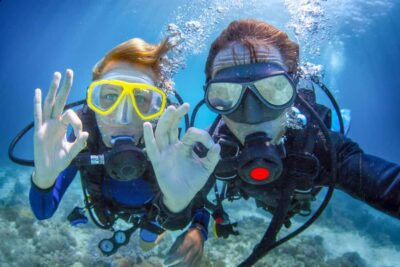
The first underwater breath changes things. This Phuket scuba tryout is built for beginners, with patient guidance in a small group and two separate underwater sessions that let you actually learn what it feels like. I like that you get two go-times instead of one quick taster, and I like the small group size that keeps attention personal. One thing to plan for: meals on the boat can feel a bit light if the group is bigger that day.
You’ll spend a full day on the water, but the water time is carefully controlled: each session runs 50 minutes or until the tank hits 50 bars, and you can go to a maximum depth of 12 meters. You do not need a certification, and you do not need to know how to swim, which makes this a practical option when you want the experience without the paperwork.
Before you book, take the medical screen seriously. You’ll be asked to confirm you’re medically fit, and this trip is not suitable for certain conditions, plus pregnant women and people with back or heart issues.
In This Review
- Key things to know before you try scuba in Racha Yai and Noi
- Racha Yai & Noi: the Phuket waters that make a first try feel real
- Price and what you get for around $157 per person
- Getting to the island: Phuket pickup and the boat-day rhythm
- The day starts right: breakfast, check-in, and safety briefing
- First underwater session (50 minutes max): what “non-certified” really means
- Break, lunch, and getting ready for round two
- Second underwater session: how to improve your comfort fast
- Gear, what to bring, and the small comfort wins
- What about food on board?
- Flight rule and the medical checklist you must follow
- Who should book this scuba tryout (and who should skip it)
- Booking tips: transfers, languages, and pacing
- Should you book the Racha Yai and Noi tryout?
- FAQ
- Do I need a scuba certificate?
- Do I need to know how to swim?
- How long are the underwater sessions?
- How deep can I go?
- What’s the group size?
- Is pickup included in the price?
- What’s the age limit?
- When can I fly after the activity?
- Is the tour suitable for everyone?
Key things to know before you try scuba in Racha Yai and Noi
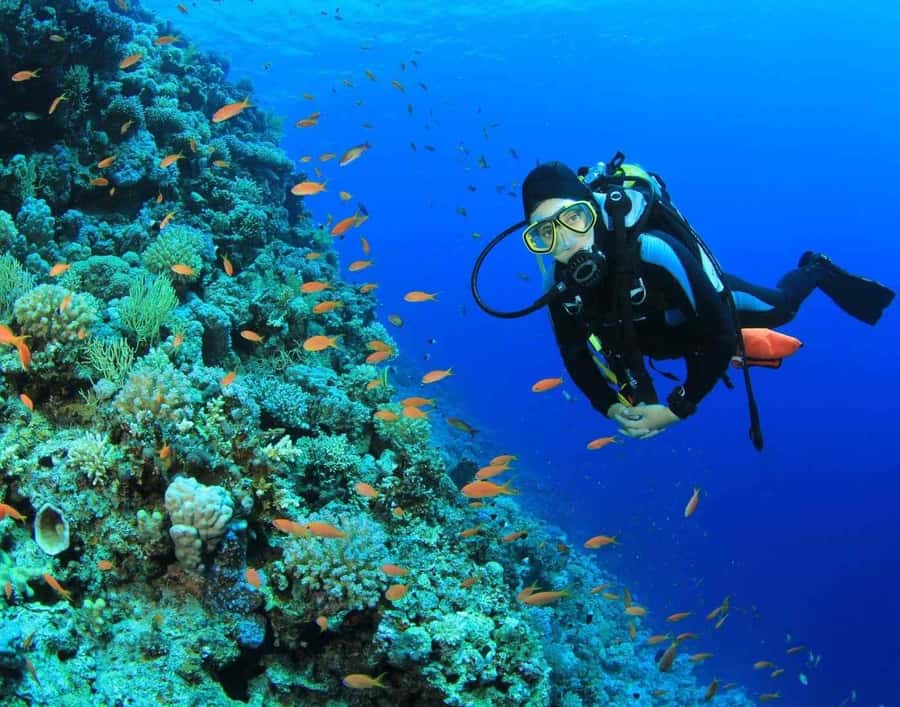
- Two separate sessions (not just a single trial): more learning and more chances to feel comfortable
- Small group limits: maximum 2 to 3 participants keeps the instruction focused
- Controlled depth and time: max 12 meters, and each session ends at 50 minutes or 50 bars
- You don’t need to swim or hold a certificate for this program
- Full gear + insurance + meals included, plus pickup from common Phuket areas
Racha Yai & Noi: the Phuket waters that make a first try feel real
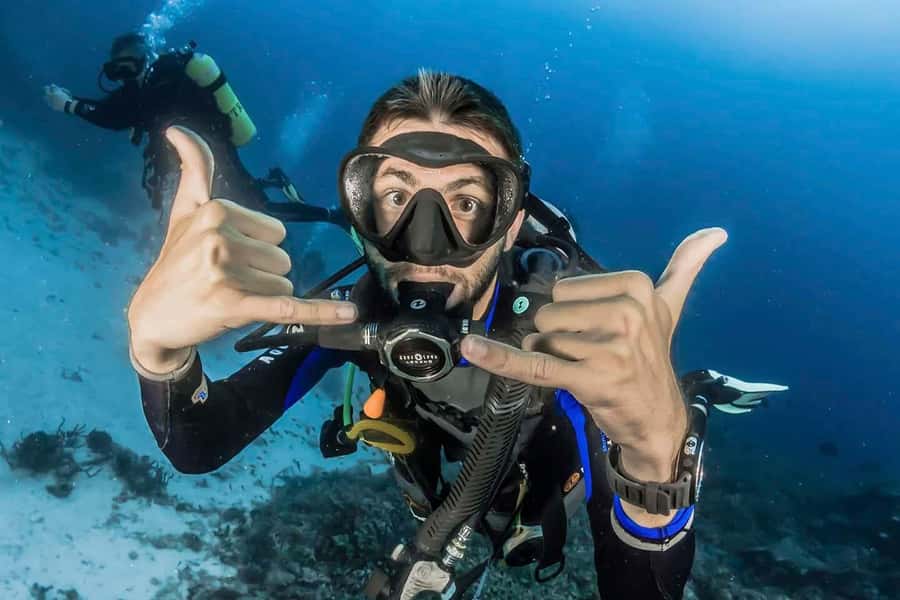
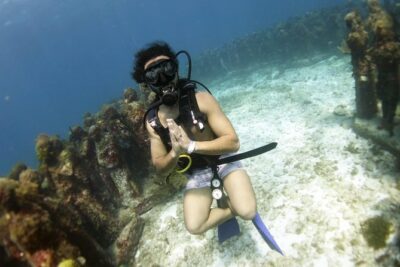
Racha Yai and Racha Noi sit off Phuket, and this try scuba program uses the two spots as your in-water training grounds. For first-timers, that matters. You’re not stuck with a one-off stunt. You get two chances in the same general region, guided by an instructor who can adapt to how you’re doing—calm, curious, nervous, whatever shows up.
The whole point here is comfort and control. Your depth limit is set at 12 meters, and the session length is capped by time and tank pressure. That’s a big deal for beginners because it reduces the feeling of being rushed. You’re more likely to focus on the basics—staying relaxed, listening, and moving at the pace your instructor sets.
Also, the program is designed for people who are not certified. That means the day is structured for learning, not performance. And because you don’t need to know how to swim, your physical comfort in the water matters more than your technique.
You can also read our reviews of more tours and experiences in Thailand.

Price and what you get for around $157 per person
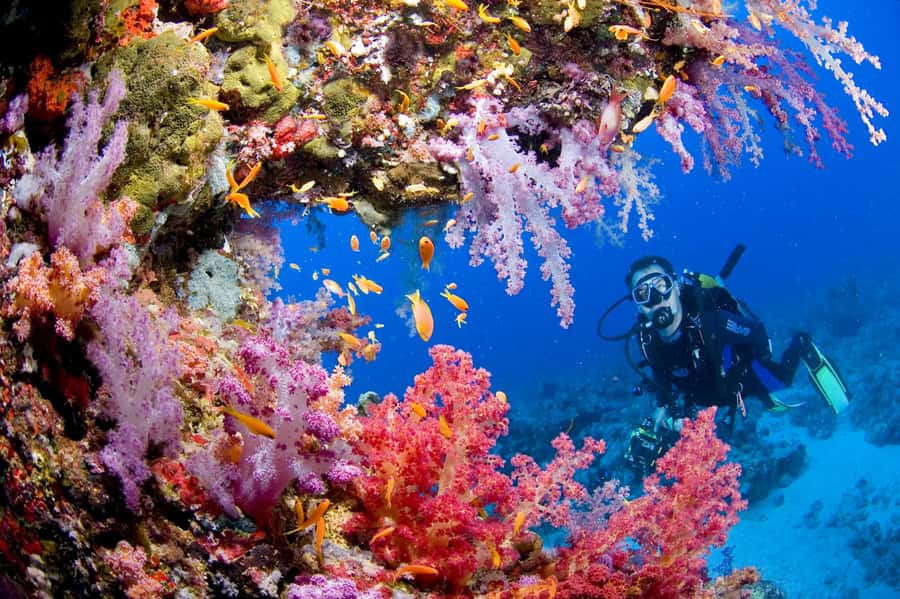
At $157 per person, this is not a bargain-price activity. But it’s also not a bare-bones one. What you’re paying for is the full package: two instructor-led underwater sessions, full equipment, scuba insurance, and meals and refreshments on the boat, plus round-trip transfers from several Phuket areas.
Here’s how that adds up for real value:
- Two sessions means you spread the learning curve across the day instead of cramming everything into one short burst.
- Equipment included saves you from rental hassles and makes it easier to show up and go.
- Insurance covered throughout gives you extra peace of mind for a first-time experience.
- Meals, snacks, and refreshments keep you fueled for the long boat day.
- Small group size helps you get more attention from staff without competing for time.
One caution on value: boat days can run long, and the food is included, but it’s not always perceived as filling. If you tend to get hungry easily, I’d plan on eating what’s offered and consider bringing a small extra snack of your own if that’s allowed by your provider.
Getting to the island: Phuket pickup and the boat-day rhythm
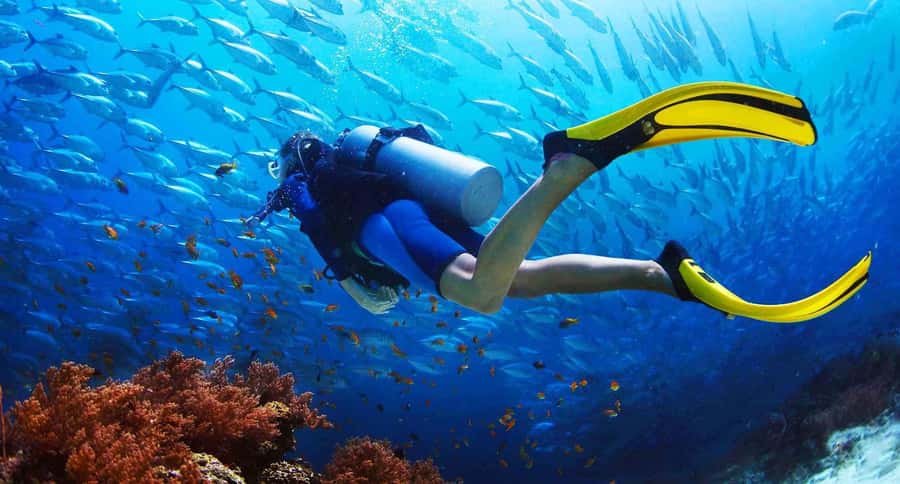
Most people start in a Phuket pickup zone. This tour includes complimentary return transfers from Kamala, Patong, Karon, Kata, plus select parts of Rawai, Nai Harn, and Chalong. If you’re outside those areas, you’ll need an additional transfer arrangement.
The van ride is short—about 30 minutes each way—so you’re not burning half the day just to reach the pier. Once you arrive near the island, the schedule shifts into that classic boat-day flow:
- Breakfast and free time, then
- a safety briefing (about 1.5 hours), then
- one full underwater session,
- followed by a break and lunch,
- then the second session,
- then more snack time before heading back.
That long briefing window might feel like a wait, but it’s useful. For non-certified first-timers, it helps you understand what’s expected before you’re underwater. You’ll also have time to get comfortable with the gear and ask practical questions.
The day starts right: breakfast, check-in, and safety briefing
On Racha Island, your morning begins with breakfast and some free time before the underwater session starts. You’ll also eat onboard, and then you get a safety briefing that takes about 1.5 hours.
This is where your instructor sets the tone. For first-timers, that time matters more than people think. If you’re nervous, you want the staff to explain what you’ll do, what you’ll feel, and how to respond if anything feels off. If you’re excited, this briefing is where you learn how to make the most of your limited depth and your session time.
Bring the right basics and you’ll be calmer:
- sunscreen, since you’ll be on the water for hours
- a sun hat for the in-between times
- sunglasses so your eyes aren’t squinting during boat turns
First underwater session (50 minutes max): what “non-certified” really means
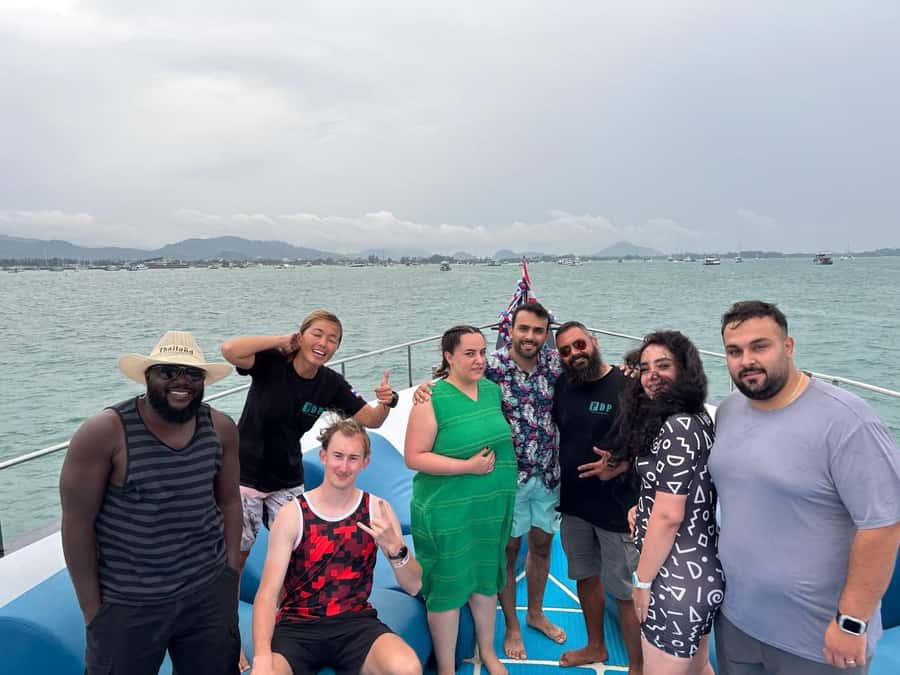
Your first session on Racha Yai and Noi follows the same controlled rules. Each session lasts 50 minutes or until the cylinder reaches 50 bars, whichever comes first. The max depth stays at 12 meters.
Because you don’t need a certificate and you don’t need to swim, the program is built around step-by-step instruction and careful supervision. You’ll be in a small group (up to two or three people). That small number is one of the biggest practical advantages. You’re less likely to feel like you’re waiting for the instructor to finish helping someone else before you get a turn.
Even if you’re not a swimmer, you can still enjoy the experience as long as you’re comfortable following directions and staying relaxed. Try to think of this as a learning session, not a sports test.
Also note what this program doesn’t imply: there’s no promise of long, deep time. Instead, it promises the right kind of first experience—safe limits, guidance, and a clear structure.
Break, lunch, and getting ready for round two
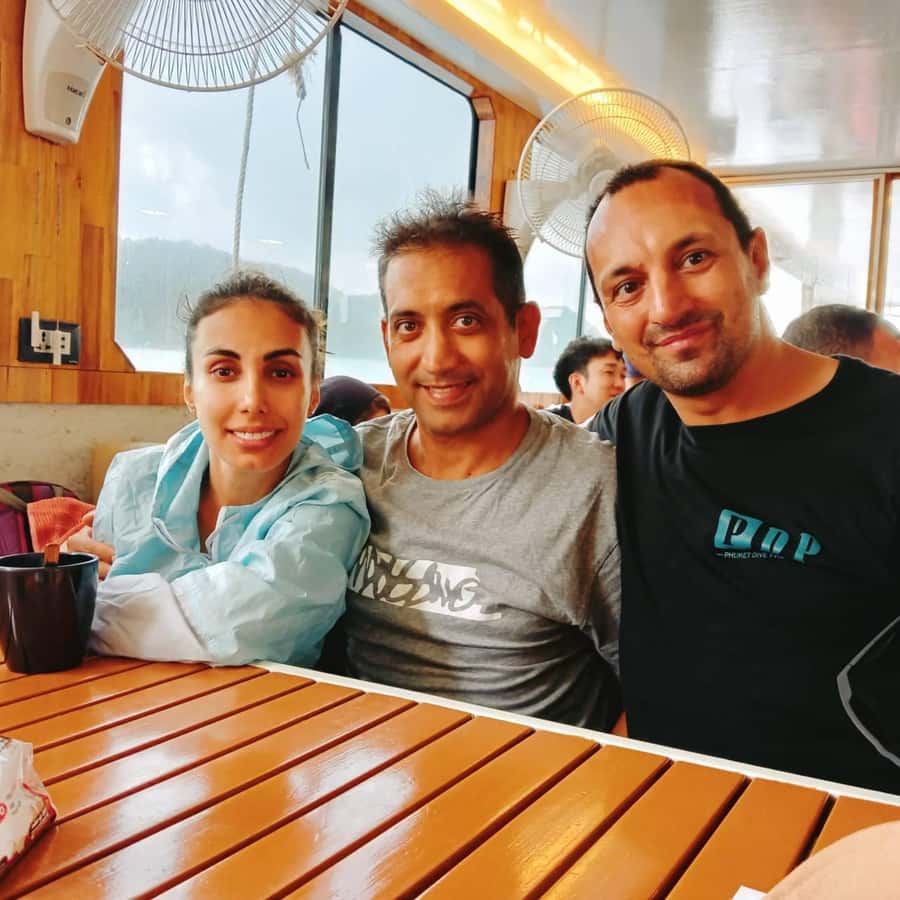
Between your two sessions, there’s a planned break with lunch and downtime. Lunch is about one hour, and then later there’s more boat time with coffee, tea, dessert, and local snacks.
This downtime is more than eating. It’s also where you can regulate your comfort. If you get cold, you can warm up in a sheltered spot. If you felt anxious in the water, you can talk to staff and ask what to focus on during the second session.
A smart approach for the second round:
- Drink water and eat something before you gear up again.
- Use the break to calm your brain, not just your stomach.
- If you’re unsure about anything, ask during the surface time, when it’s easiest to respond.
Second underwater session: how to improve your comfort fast
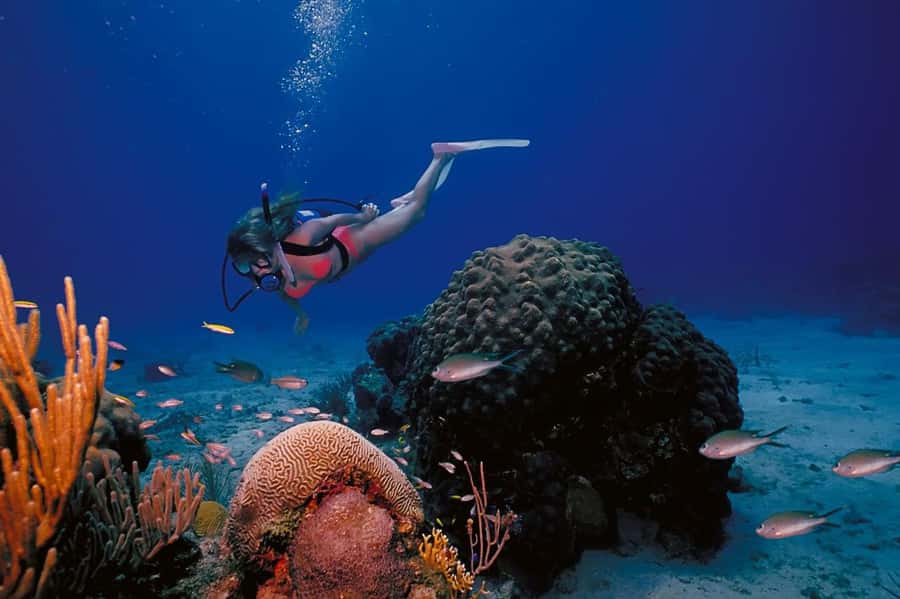
Your second session is another 50-minute max window (or until tank pressure hits 50 bars). The depth limit remains 12 meters.
The advantage of a second session is that you can apply what you learned. Even without technical experience, you’ll usually understand your setup better the second time—how the equipment feels, how the instructor talks you through cues, and how to manage your breathing calmly.
You’ll also likely enjoy the water more. First-timer fear often shrinks after you complete the first session and realize you’re supported the whole way. The small group structure helps again here. With fewer people around, it’s easier to adjust if you need extra attention.
Gear, what to bring, and the small comfort wins
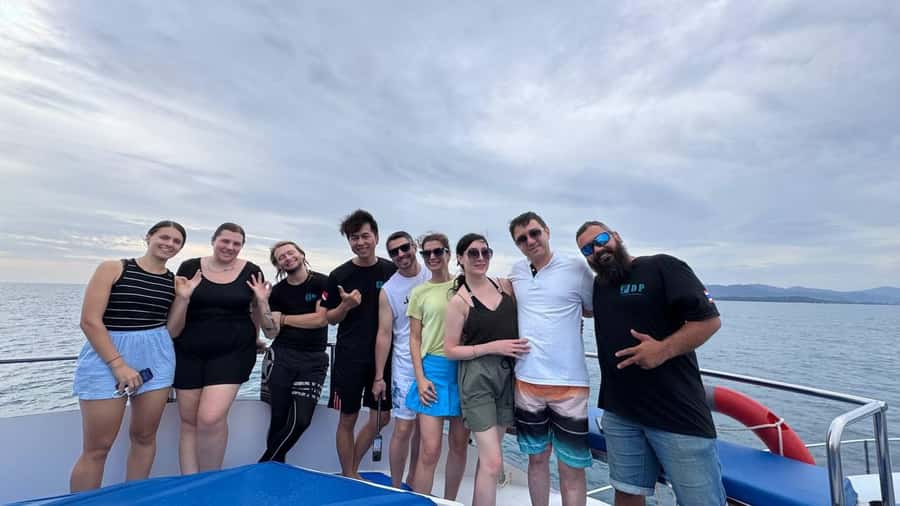
This experience includes the full set scuba equipment, so you don’t need to shop or rent your own gear. That’s one of the easiest parts of the day.
You should bring:
- sunglasses
- sun hat
- swimwear
- towel
- camera (if you want photos)
- sunscreen
A practical tip: keep sunscreen handy. You’ll be out in the sun, and the boat time can sneak up on you. Also, pack your swimwear and towel where you can reach them quickly at the start of the day, so you’re not scrambling when it’s time to suit up.
What about food on board?
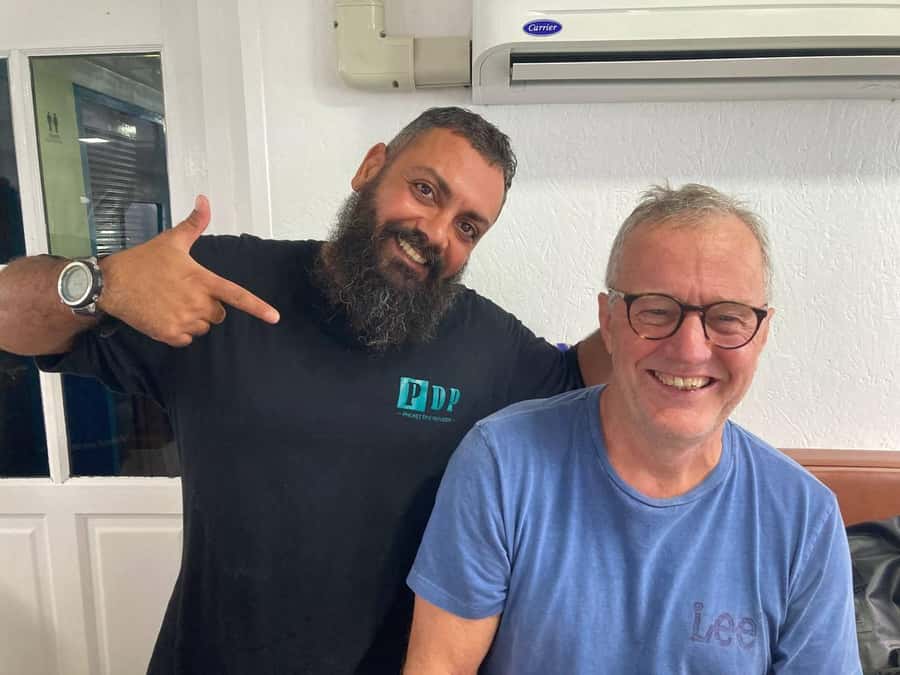
Meals are included: breakfast, lunch, plus snacks and refreshments. It’s a full-day setup, not a single coffee-and-cake situation.
That said, there’s one important nuance to know: on at least some days, people can feel the food is a bit scarce for the number of people on the boat. I’d treat this as a heads-up to eat when offered and stay hydrated. If you’re the kind of person who needs more than a typical boat snack, consider eating breakfast well and being ready for a light lunch.
Flight rule and the medical checklist you must follow
Two things can affect your plans after this trip.
First is the flight rule: you’re not allowed to fly by airplane until the day after, at 11 AM. That’s an 18-hour no-fly window from the end of your diving sessions. If your schedule involves an early flight the next day, you’ll need to plan around this.
Second is medical fitness. This program explicitly asks you to confirm you’re medically fit, and they list conditions that can disqualify you or require extra caution. The conditions include:
- asthma or wheezing
- fainting, seizures, or blackouts
- chronic bronchitis or persistent chest complaints
- chronic sinus conditions
- chest surgery
- recurrent ear problems when flying
- epilepsy
- diabetes mellitus
- tuberculosis or other long-term lung diseases
- brain, spinal cord, or nervous disorders
- heart disease of any kind
- collapsed lung (pneumothorax)
- chronic ear discharge or infection
- high blood pressure
- perforated eardrum
- other illness or surgery within the last month
And beyond that medical list, the tour is not suitable for:
- pregnant women
- people with back problems
- people with heart problems
- people with high blood pressure
My practical advice: if you’re on the edge—controlled asthma, a recent procedure, anything involving ear issues—don’t guess. Check with your doctor first and be honest with the operator.
Who should book this scuba tryout (and who should skip it)
This is a great fit if:
- you’re a beginner or you’ve never held a scuba certificate
- you want a structured intro with two underwater sessions
- you don’t know how to swim but still want to try an underwater experience
- you like small group tours that keep your attention from getting lost
It’s a poor fit if:
- you have any of the listed medical conditions, especially anything involving lungs, heart, seizures, or ear problems
- you’re pregnant
- you have back problems or high blood pressure
- you can’t follow the no-fly rule afterward
Also, the age requirement is over 10 years old. If you’re traveling with kids, that’s a big planning detail.
Booking tips: transfers, languages, and pacing
This program includes instruction in English, Persian, and Thai, which can make a big difference for first-timers. If you’re more comfortable asking questions in one of those languages, you’ll likely feel calmer.
Transfers are included from several major Phuket areas, but only within those pickup zones. If you’re staying farther out, confirm how you’ll get to the pickup spot.
Finally, because the total day is about 10 hours, plan your entire day around this. You’ll want a normal meal before you leave your hotel area, and you’ll need time for the van rides and the boat schedule.
Should you book the Racha Yai and Noi tryout?
If you want a first scuba experience that’s built for real beginners, with two supervised sessions, small-group attention, and gear + insurance + meals included, I think this is a smart choice. It’s also one of the more accessible options for non-swimmers because swim ability is not required.
But don’t book if your medical situation makes the checklist relevant, and don’t book if your next-day flight timing can’t work with the 11 AM no-fly rule. This trip asks you to be ready, not just curious.
If you fit the profile and you handle the medical screening honestly, this is the kind of day that gives you a strong answer to one question: can I handle being underwater with guidance? Two sessions makes that question much easier to answer than a one-off trial.
FAQ
Do I need a scuba certificate?
No. This program is designed for beginners and people who have never experienced scuba before.
Do I need to know how to swim?
No. The tour says it’s not a problem if you don’t know how to swim.
How long are the underwater sessions?
Each underwater session lasts 50 minutes or until the scuba cylinder reaches 50 bars, whichever comes first.
How deep can I go?
You can go to a maximum depth of 12 meters.
What’s the group size?
It’s a small group, limited to a maximum of 2 to 3 participants.
Is pickup included in the price?
Yes, complimentary return transfers are included from Kamala, Patong, Karon, Kata, along with select parts of Rawai, Nai Harn, and Chalong.
What’s the age limit?
The tour is for people over 10 years old.
When can I fly after the activity?
You are not allowed to fly until the day after at 11 AM, which is an 18-hour no-fly window.
Is the tour suitable for everyone?
No. It’s not suitable for pregnant women, and it also lists not suitable categories including people with back problems, heart problems, and high blood pressure. You must also confirm medical fitness based on the listed conditions.