REVIEW · TOSSA DE MAR
Tossa de Mar: PADI Discovery Scuba Diving in Costa Brava
Book on GetYourGuide →Operated by SuperDive Tossa de Mar · Bookable on GetYourGuide
One breath at a time, you learn to love the sea. In Tossa de Mar, I like this PADI Discovery Scuba try session for its step-by-step coaching from instructors such as Eric and Pepe, plus the strong focus on comfort for first-timers.
What really won me over: the beach entry setup from Mar Menuda Beach and the way the team keeps the whole experience organized, calm, and safety-first. One thing to consider is that ear equalising can be tricky for some people, especially if you tend to panic under pressure changes.
In This Review
- Key highlights you’ll feel fast
- PADI Discovery Scuba in Tossa de Mar: what 150 minutes really delivers
- SuperDive Tossa de Mar: your 40-minute safety briefing (and why it matters)
- From van transfer to Mar Menuda Beach entry: what the first movement feels like
- In-water coaching: hand signals, air control, and ear equalising
- Wildlife you might spot: seahorse, octopus, cuttlefish, and friends
- Cost and value: $76 with gear, insurance, and video
- Who this try scuba session fits best (and who should skip it)
- After the underwater session: what to plan for your next 12 hours
- Should you book SuperDive Tossa de Mar?
- FAQ
- How long is the PADI Discovery Scuba try session?
- Where does the session start?
- What’s included in the price?
- Will I enter the water from the beach?
- What are the key limits for who can participate?
- Is it okay to fly right after?
Key highlights you’ll feel fast
- PADI Discovery Scuba in about 150 minutes total, with a structured 40-minute briefing first
- 40-minute safety and skills session covering equipment use, hand signals, and the plan
- Easy nearshore entry from Mar Menuda Beach with a gradual descent to help with ears
- In-water coaching in manageable steps, so you go at your pace
- Wildlife spotting opportunities like seahorses, octopus, and cuttlefish
- Video included, plus lots of photo and video capture during the session
PADI Discovery Scuba in Tossa de Mar: what 150 minutes really delivers
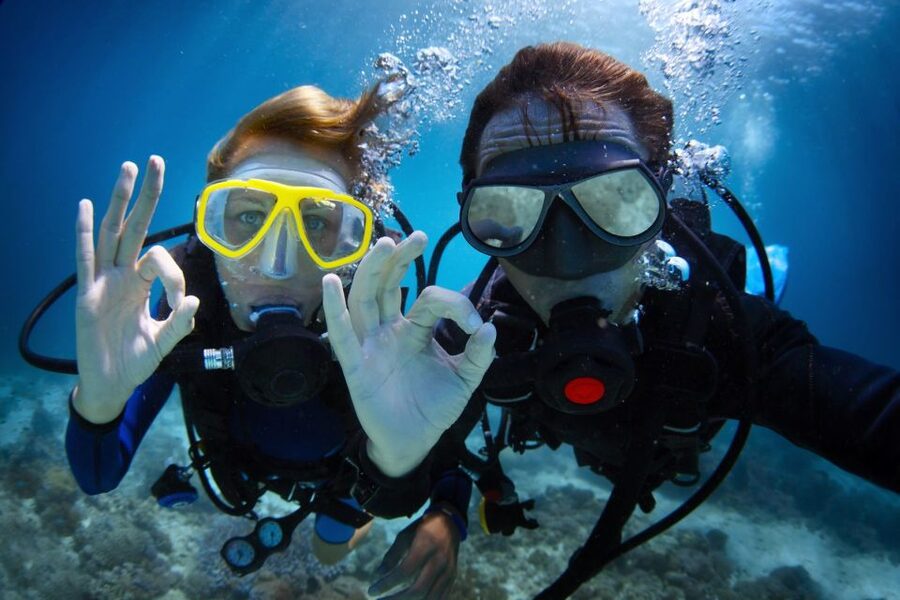
This is not a long, complicated course. It is a short, beginner-focused scuba try session built around confidence. You’re looking at roughly 150 minutes door-to-door, with the real underwater part lasting about 45 minutes to 1 hour depending on breathing and comfort.
The value here is how much support you get in that time. The staff don’t just hand you gear and hope for the best. Instead, you practice the basics on the surface and right at the waterline, then you move into the underwater portion with a guide controlling the pace. Many first-timers leave talking about feeling safe and genuinely relaxed, even if they were nervous beforehand.
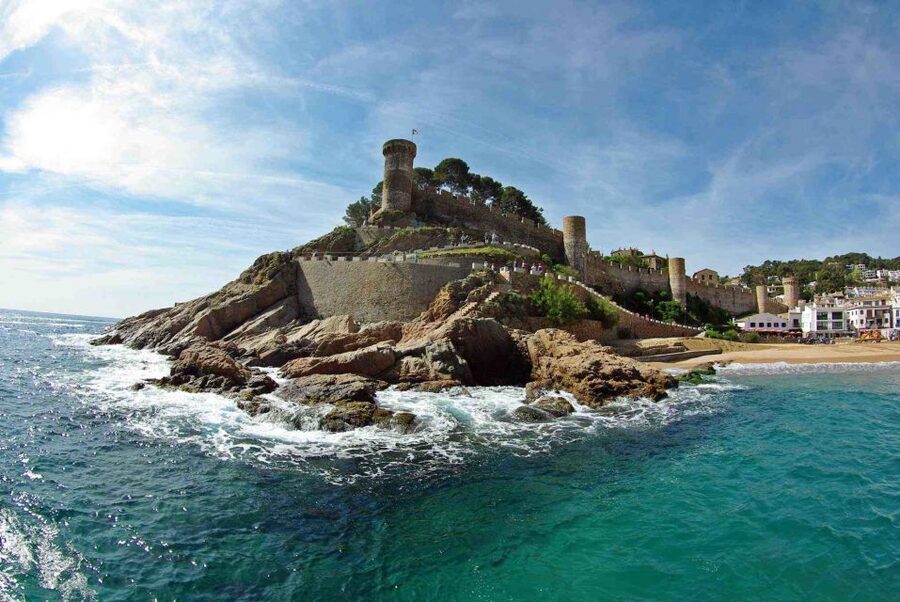
Also, the location helps. Tossa de Mar sits on the Costa Brava, and Mar Menuda Beach is a practical starting point. You don’t need to be a strong swimmer to enjoy the experience because the entry and early skills are designed to be manageable.
That said, there’s a reality check: if ear pressure issues are your weak spot, plan to take the equalising part seriously and follow the guide’s instructions closely. That’s not a deal-breaker, but it is the one area where comfort can vary person to person.
You can also read our reviews of more tours and experiences in Tossa De Mar.
SuperDive Tossa de Mar: your 40-minute safety briefing (and why it matters)
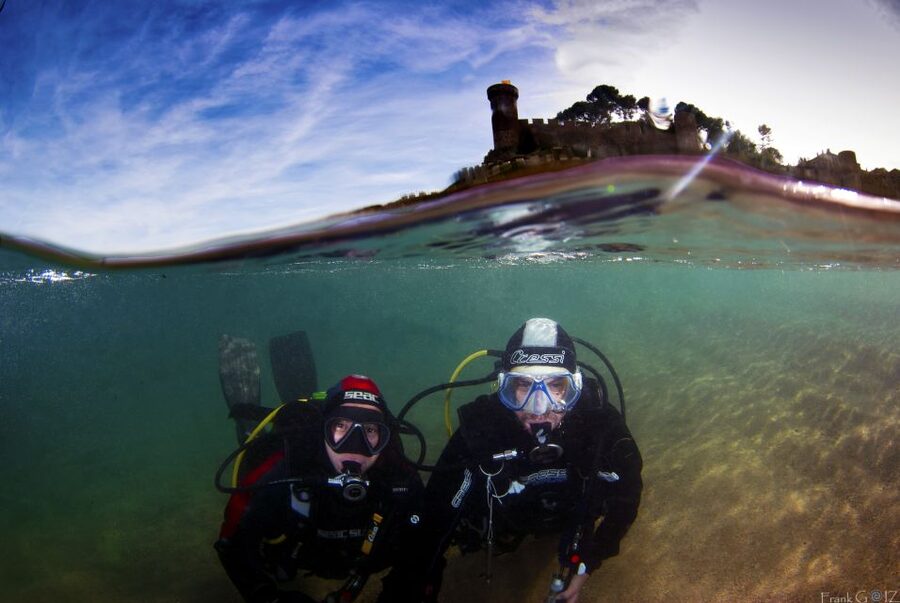
Your day starts at SuperDive Tossa de Mar. Expect a class and safety briefing lasting around 40 minutes. This is where you get the stuff that makes the underwater time feel less mysterious: how to use the scuba gear, how to communicate with hand signals, and what the overall route looks like.
In plain terms, the briefing is there to reduce surprises. When you know what hand signal means what, and you know how your equipment should feel, your brain stops burning energy on panic and starts paying attention to the sea life.
Based on feedback you can use to plan your expectations, instructors are patient and clear. Names that show up again and again include Eric, Oscar, Pepe, Harry, and Eva, often praised for calm coaching and even a bit of humor to take the edge off. If you’re the type who learns best when someone talks through each step, you’ll likely like this format.
One practical thing: your briefing is not the time to freestyle. You’ll do best if you listen, ask questions before getting suited up, and speak up if you feel anxious. Several people specifically mention that their instructors stayed close when they were struggling, especially with breathing rhythm and ear equalising.
From van transfer to Mar Menuda Beach entry: what the first movement feels like
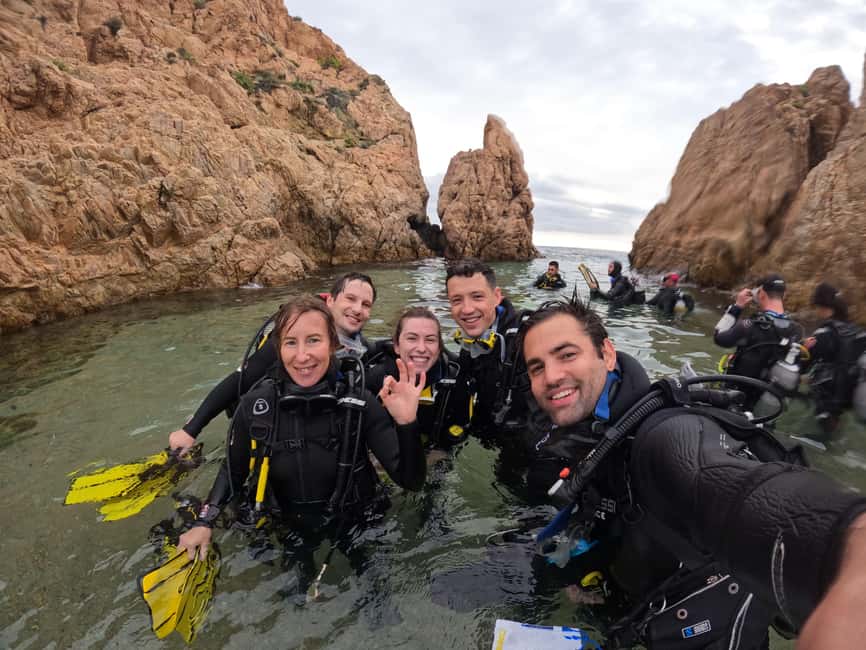
After the briefing, you change into provided wetsuits and boots. The changing area is on-site, so you’re not scrambling across town looking for a place to suit up.
Then there’s a short van ride of about 10 minutes to the water spot. Here’s the good news: the operation is set up for a shore entry experience. In other words, you go in from the beach area rather than from a boat.
That matters more than it sounds. A gradual descent from shore helps you acclimate to pressure changes, especially in your ears. Instead of jumping straight into depth, you get a slower progression where the guide can check your comfort step by step.
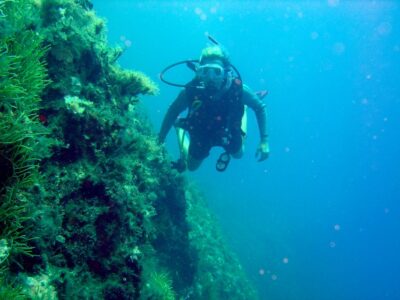
Think of this as the “settling in” phase. You’re learning how to breathe with the regulator, how to stay calm, and how to move your body without fighting the equipment. You’ll likely notice that the team keeps the process staged so you’re not doing everything at once.
If you’re prone to cold, go in with a sensible mindset. Wetsuits help, but you’re still in the sea of the Costa Brava, so treat it like a real water activity, not a casual photo walk.
In-water coaching: hand signals, air control, and ear equalising
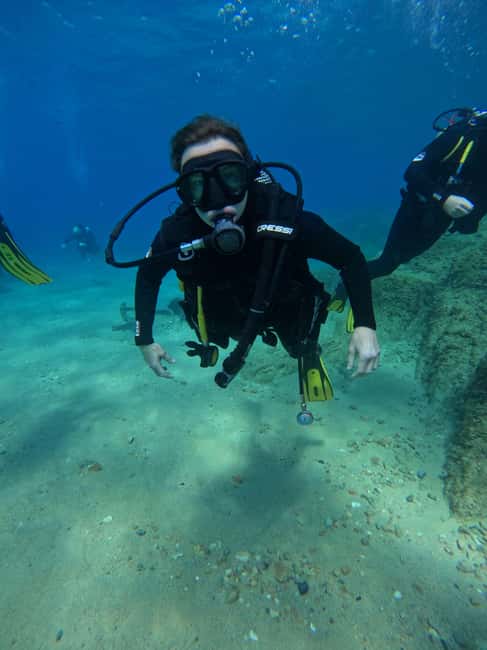
The underwater portion runs about 45 minutes to 1 hour. It can vary depending on breathing rates, and yes, anxiety can play a role. If you panic, you tend to breathe faster, which can use up your air supply more quickly. The instructors know this and plan around it, but your job is simple: take the breathing slowly and follow instructions.
Your guide breaks the underwater experience into manageable steps. This is a big deal for beginners. You’re not expected to master everything in one go. Instead, you’re taught, checked, and corrected as you go.
Two specific skills are central:
Hand signals: You’ll practice underwater communication so you’re not guessing. When you know how to signal for reassurance or to adjust something, you feel more in control.
Ear equalising: The gradual descent from the beach setup gives you a better chance to manage pressure changes. If you’ve had ear problems before, this is where you pay attention. The experience is not for people who have conditions affecting their ears, or for those with heart and lung issues.
From reviews, one of the most praised moments is how instructors respond when someone feels scared or overwhelmed. People mention being held by the guide’s side, calmly encouraged, and guided through breathing until it clicks.
If your goal is to feel safe and learn the basics, this coaching style is exactly what you want. If your goal is to skip the learning and just see everything at full speed, you may find yourself wanting more freedom than the format allows.
Wildlife you might spot: seahorse, octopus, cuttlefish, and friends
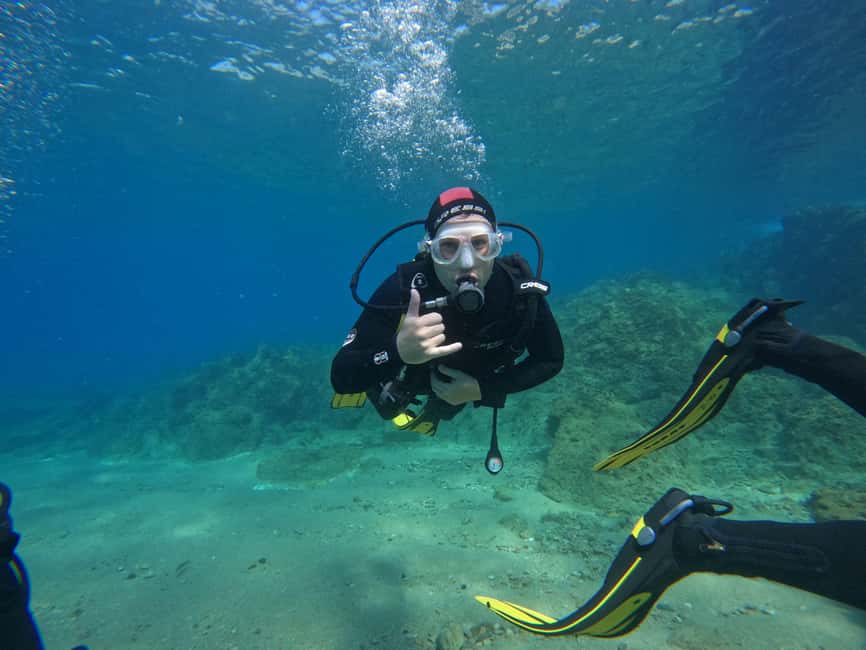
Costa Brava waters around Tossa de Mar are a strong match for a beginner try session because you’re likely to see plenty of marine life without needing advanced navigation skills.
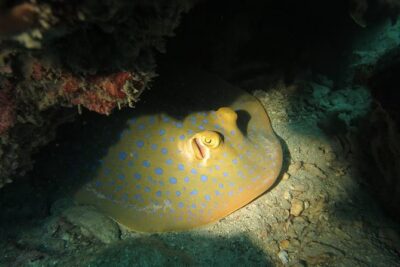
The standout highlights you can hope to spot include seahorses, octopus, and cuttlefish. Multiple people also mention fish life and jellyfish sightings, plus the thrill of seeing a creature you only thought existed in photos.
Here’s the practical way to enjoy this part: stay calm, watch the guides’ attention cues, and keep your movements gentle. Underwater, fast motion can stir up silt and make spotting harder. Quiet control is what helps you see small, interesting animals at eye level.
Also remember: your instructor may adjust what you focus on based on group comfort and conditions. That’s not a failure. It means the team prioritizes a safe, learning-focused experience over rushing to a checklist.
Cost and value: $76 with gear, insurance, and video
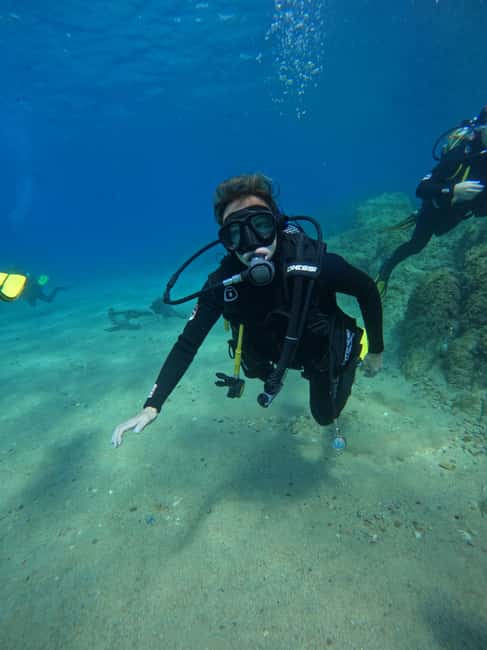
At $76 per person for about 150 minutes, the value comes from what’s included and how the team structures your time.
You get:
- Diving equipment
- Diving insurance
- Drinking water
- Video from the experience
- An instructor
That combination adds up. Equipment and insurance are real costs that many independent setups would force you to pay for separately. And for beginners, having your training guided by a PADI-certified instructor is the difference between learning and guessing.
One more value point: photo and video capture. Many people report getting their footage delivered quickly, sometimes in under an hour, and others mention receiving pictures and videos by email later. It is also worth planning for normal processing time, because one review noted waiting for video.
If you want a memorable keepsake, this package is built for that. You’re not just renting gear for an afternoon. You’re paying for instruction plus the documentation that helps you remember what the sea looked like at your skill level.
Who this try scuba session fits best (and who should skip it)
This experience is clearly designed for beginners, but it has strict safety limits. You should not book if you have issues with your ears, heart, or lungs. It’s also not suitable for pregnancy or for people who take prescription medication.
The age and health limitations listed include:
- Children under 10 years
- People over 70 years
- People with epilepsy
- People with diabetes
- Visually impaired people
- People with high blood pressure
- People with recent surgeries
- People with pre-existing medical conditions
If you are fit and your main concern is first-time nerves, this format is often praised for giving nervous first-timers a path to calm down and succeed. Several people describe being coached through panic or equalising trouble with close support.
If you’re unsure, treat the medical restrictions as non-negotiable. Scuba is safe when you’re a good match for it. When you’re not, skipping is the smart move.
After the underwater session: what to plan for your next 12 hours
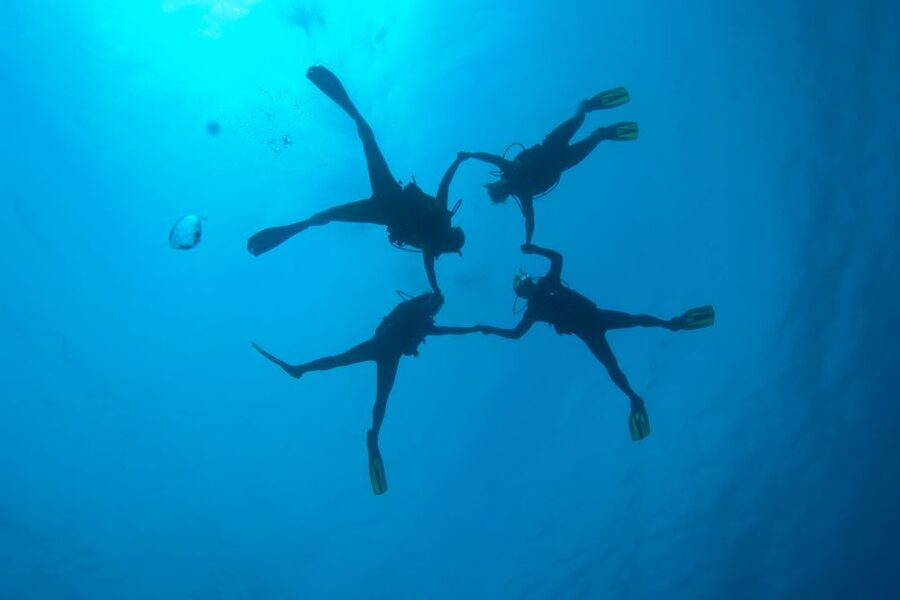
One rule is specifically mentioned: you should not take a flight in the 12 hours after the activity.
That’s the kind of restriction that matters for planning. If you’re connecting flights the same day, you’ll need to adjust your itinerary. Pick your travel days with this in mind, especially if your schedule is tight.
Also, give yourself time to settle afterward. Even though the session is around 150 minutes total, you’re still in wetsuit gear and exposed to sea conditions. Hydrate, take your time getting warm, and keep your day moving at a relaxed pace.
Should you book SuperDive Tossa de Mar?
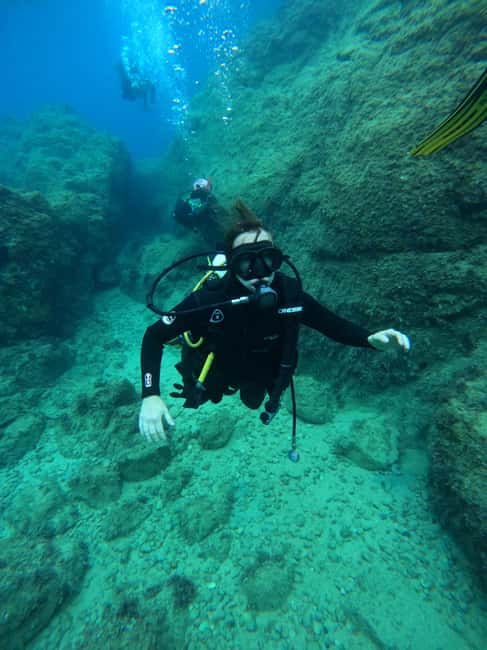
I think this is a great choice if you want your first PADI-style scuba experience without complexity: clear instruction, structured coaching, and the chance to see Costa Brava marine life like seahorses, octopus, and cuttlefish.
Book it if:
- you want a beginner-friendly water experience with pro instructors
- you care about safety coaching and clear hand-signal communication
- you want included gear and video keepsakes for the memory
Skip it if:
- ear pressure issues are likely to derail you
- you fall into any medical or age restrictions listed
- you have a flight within 12 hours and can’t change plans
If you’re trying to decide fast, here’s my shortcut: if you can follow instructions calmly and you’re eligible on the medical checklist, this is a solid value way to experience the underwater world off Tossa de Mar.
FAQ
How long is the PADI Discovery Scuba try session?
The total experience runs about 150 minutes, including a 40-minute safety briefing, gear time, a short van ride, and an underwater portion lasting around 45 minutes to 1 hour.
Where does the session start?
It starts at SuperDive Tossa de Mar.
What’s included in the price?
Included are diving equipment, diving insurance, drinking water, video from the experience, and an instructor.
Will I enter the water from the beach?
Yes. The activity is set up as a shore entry from Mar Menuda Beach, with a gradual descent to help with ear pressure changes.
What are the key limits for who can participate?
People with ear, heart, or lung problems, pregnant participants, people who take prescription medication, and anyone with listed medical conditions should not participate. Children under 10 and people over 70 also are not suitable.
Is it okay to fly right after?
No. You should not take a flight in the 12 hours following the activity.