REVIEW · RHODES TOWN
Rhodes: Diving Adventure for Beginners and Experts
Book on GetYourGuide →Operated by Waterhoppers Diving School · Bookable on GetYourGuide
Rhodes turns nerves into calm breathing. This one-day small-group scuba training plus a guided underwater outing is built for people who want to learn smartly, not rush. What I like most is the time you get to practice breathing underwater with instructors right there, and the way the crew stays close while you get your equipment dialed in.
One thing to factor in: you’re getting one main guided underwater session included, and a second one costs extra. If you’re hoping for a long, boat-to-boat day, plan for that this can be more training-and-support focused than nonstop water time.
In This Review
- Quick reasons this Rhodes outing earns high marks
- Your Rhodes base: Mandraki Harbour and a tight group
- Getting suited up: gear included, and help that actually stays with you
- The training moment: breathing practice first, then your guided time
- Kalithea: snorkeling and underwater time in the Aegean
- Crew support in the water: equipment checks, signals, and constant eyes
- What you actually get for $82: value math that makes sense
- Boat days vs. weather days: plan around the Aegean mood
- Who should book—and who should skip it
- Timing, duration, and the common “shorter than I expected” feeling
- Practical packing list: small things that prevent a big mood shift
- Should you book this Rhodes underwater day?
- FAQ
- What is included in the price?
- Is there a second underwater session?
- How long is the experience?
- Where do we meet?
- Do they pick you up from your hotel?
- What language do the instructors speak?
- How big are the groups?
- Is it okay for children?
- Will the boat always be used?
- What should I bring?
Quick reasons this Rhodes outing earns high marks
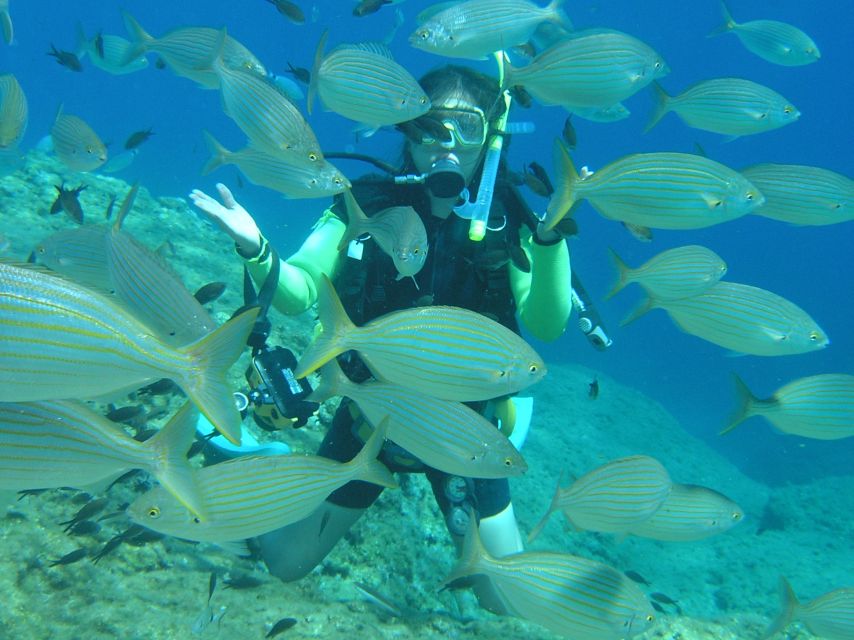
- Max 6 people means you’re not lost in the crowd
- Practice before you go down so you can build confidence fast
- Crew assist at every step, including equipment tweaks
- SEEDS-style safety talk and clear signals so you know what to do
- Optional snorkeling between water time helps you settle your breathing
- Support for common issues like sea sickness and first-timer nerves
Your Rhodes base: Mandraki Harbour and a tight group
Rhodes is a big enough island to feel like an adventure, yet this trip keeps things organized and personal. You’ll meet at a Mandraki Harbour meeting point that can vary by the option you book, with parking available there. If you want hotel pickup, they can arrange it for an extra fee.
The group stays small (limited to 6). That matters more than people think, because an instructor can actually watch your breathing, your buoyancy, and your comfort instead of doing a quick check and moving on. It also shows up in the way the staff handles different needs—one reason this has a strong reputation is that they don’t treat nervous students as a problem to solve.
Getting suited up: gear included, and help that actually stays with you
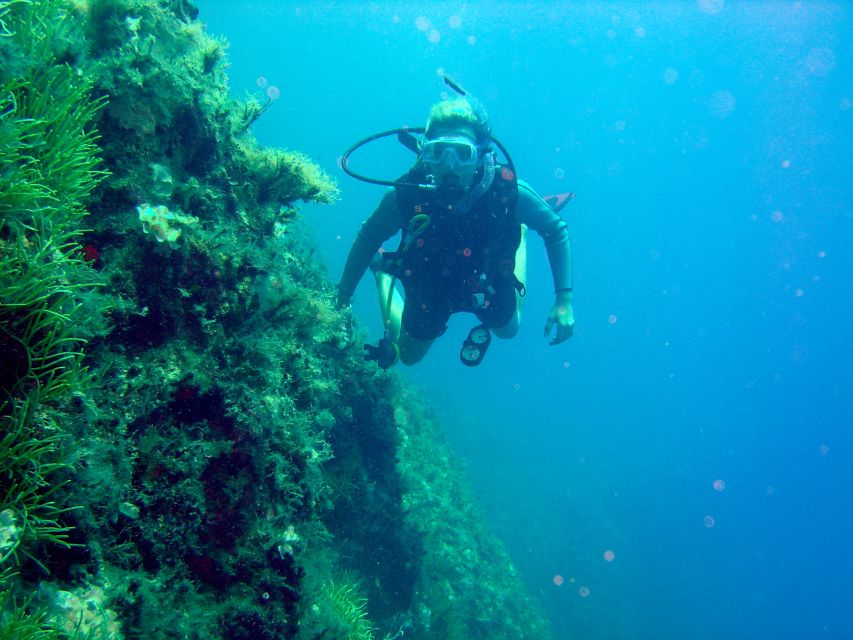
The package includes all the scuba gear, plus instructors and a safety briefing. That removes a chunk of hassle from the day, since you can focus on learning the basics rather than stressing about fit and setup.
What I like in the way they run it is the attention to comfort and adjustment. The crew accompanies you while you gear up and while you’re in the water, so you’re not left to figure out your own buoyancy or straps. One of the staff standouts in the reviews is Mike, often described as a calm, clear leader for the underwater portion, and people specifically credit instructors like Claudia and Sharon for staying patient and reassuring.
Practical tip: bring a hat and sunscreen. You’ll be outside before you get wet, and even a short session in Greek sun can leave you feeling cooked if you skip basics.
The training moment: breathing practice first, then your guided time
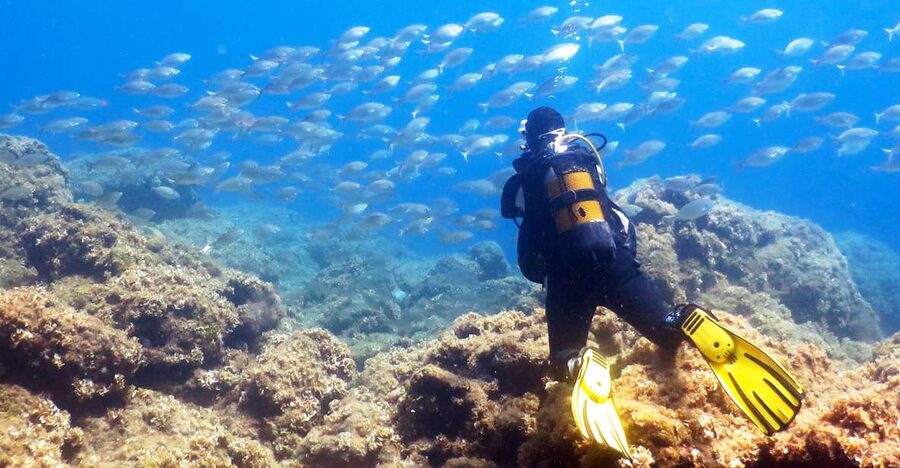
This experience is designed around one idea: you should feel ready before you go deeper. After registration, you’ll get a briefing, then split into groups. In your group, you’ll have plenty of time to practice breathing underwater before the guided portion starts.
If it’s been a while since you last used scuba gear, you can take advantage of a refresher course. If it’s your first time, you still follow the same step-by-step approach. A lot of first-timers walk in scared of what their body will do under pressure, so this “practice first” rhythm is a big deal.
From the way the training is described, the instructors keep you close enough to control depth and comfort. One diver-style detail you’ll appreciate if you’re nervous: in the novice setup, you aren’t pushed to stay far below. If you have an issue, you can choose to move up toward the surface. That’s not just comforting talk—it’s part of how they teach the day.
Kalithea: snorkeling and underwater time in the Aegean
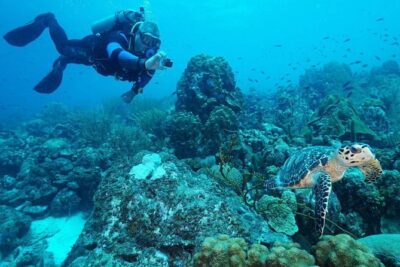
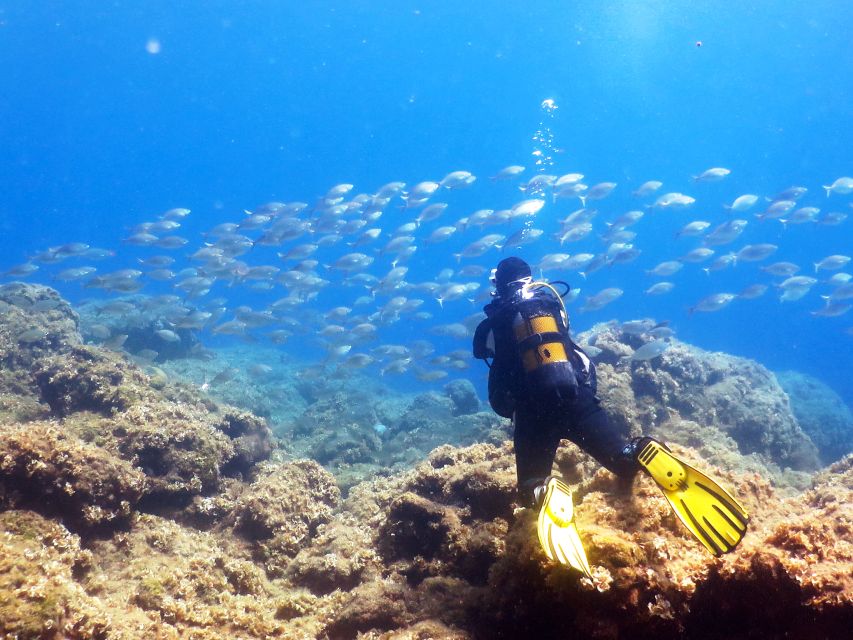
After transfers (you’ll spend about an hour moving between points), you reach Kalithea for a block of water time. Expect snorkeling plus your guided underwater session, roughly a four-hour window. The exact plan can shift depending on conditions, because sometimes they may adjust the water location and method to fit the day.
This is a good stop for beginners because snorkeling helps you get used to the feel of the water before you commit to deeper breathing. People also say it makes the first underwater part smoother, especially if you’re learning how to control your breathing and not panic.
One review note worth your attention: the length of the included underwater session can feel shorter than you might hope. In one case, the first session lasted about 20 minutes with a depth around 5 meters. That’s normal for a first go, since the focus is skills and safety. If you really want more time at depth, that’s where the optional second session can make sense.
Crew support in the water: equipment checks, signals, and constant eyes
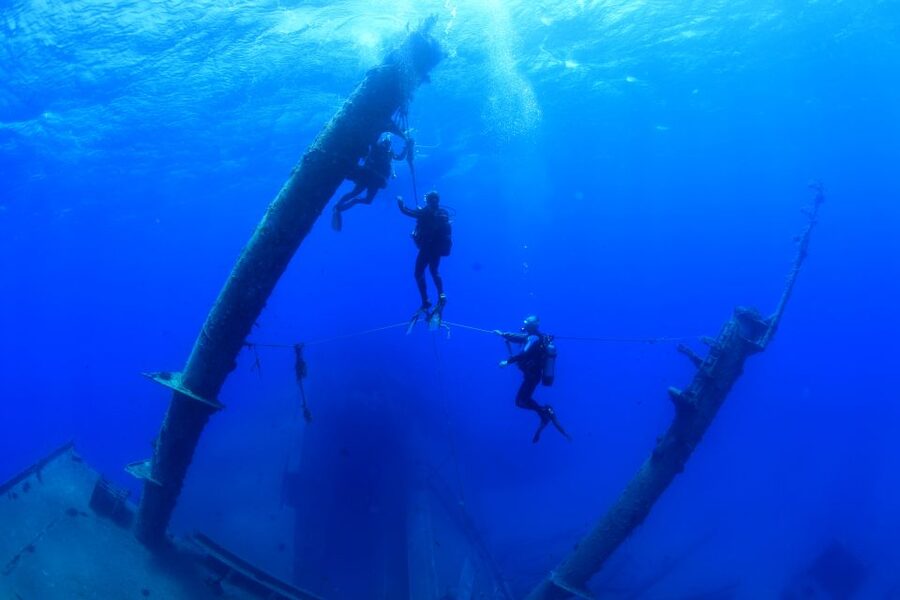
The biggest reason this trip performs well for first-timers is that you’re not just handed gear and sent off on your own. The crew supports you at all times—helping adjust equipment, watching your comfort, and staying ready to respond if something feels off.
They also use structured safety teaching. One set of materials highlighted in feedback is SEEDS, which covers safety, exercise, equipment, discipline, and signals. You’ll learn the gestures and routine so you know what to do even if you’re distracted by cool sights or your own nerves.
You’ll also notice how they handle real-world problems. People report extra care for sea sickness, and they credit staff for staying patient with anxious students. If you’re prone to feeling queasy on boats, mention it early so the crew can keep an eye on you and help you manage it.
And yes, names come up often in the praise: Mike and Claudia show up as strong leaders, Sharon is repeatedly cited for calm guidance, and Martin gets credit for keeping things fun while still staying focused. Anna is also named as an instructor, and Brook comes up as a supportive guide for first-timers.
What you actually get for $82: value math that makes sense
At around $82 per person for one day, the value comes from what’s included—not just the outdoor activity. Your package covers:
- All scuba gear
- Instructors
- Safety briefing
- A refresher course option
- One guided underwater session
Not included: food and drinks, and photos (if you want them). A second underwater session is available for an extra cost.
So the key question isn’t only whether it’s cheap. It’s whether you’re paying for time, attention, and safety. The small-group size and the “practice first” flow are where your money goes. If you tried to piece this together yourself—gear rental, instruction, and guided support—you’d likely spend more for less coaching.
If you want extra time under the water, budget for that second session option. Several people recommend it as the best way to extend the day and get a bit more comfort with depth and duration.
Boat days vs. weather days: plan around the Aegean mood
This trip runs with boat use in many periods, but they also call out a seasonal and weather reality: in low season (November 1 to April 30) and on bad weather days, boats won’t be used. That can change how the water portion feels—less time on a boat, different access, and possibly a different spot.
The upside of this approach is that they adjust instead of forcing the plan. You might end up with a different site than what you pictured when booking. Still, the training structure stays intact: briefing, practice, and supported time in the water.
Who should book—and who should skip it
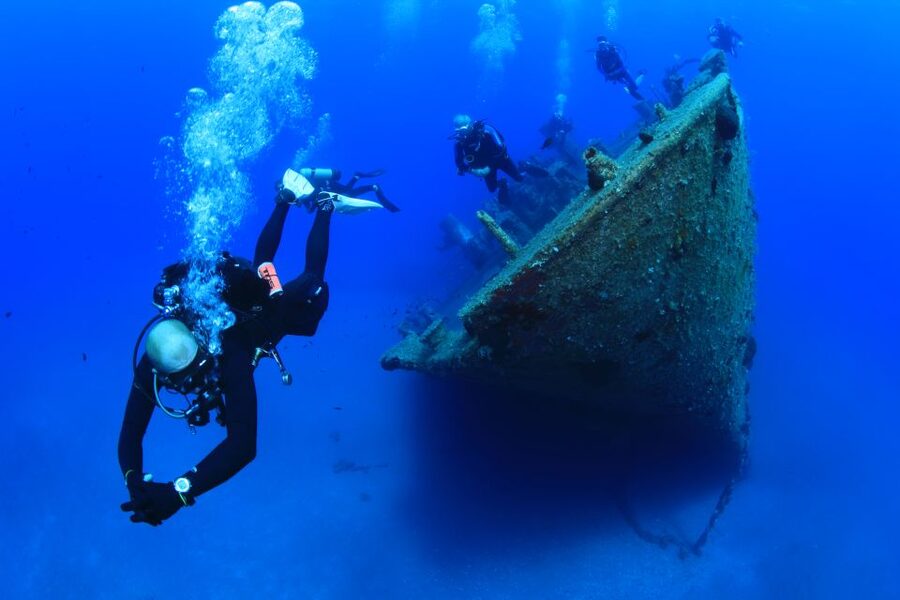
This is a strong fit if you want structure, safety, and hands-on coaching. It suits people with basic scuba skills and also beginners who benefit from step-by-step instruction. One of the best signals is that people describe feeling safe even on the first day.
It’s also listed as wheelchair accessible, which is a positive for inclusivity—though that doesn’t mean the underwater part works for everyone. If you have specific mobility needs, confirm what support looks like on the day.
Not suitable for:
- Children under 8 years
- Pregnant women
- People with heart problems
- People with respiratory issues
- People with epilepsy
Kids note: children are more than welcome if they meet the age requirement and can do one-on-one instruction at a maximum depth of 2 meters.
Timing, duration, and the common “shorter than I expected” feeling
The total duration is one day, but it’s a day with transfers. You’ll have at least two segments of transport (around an hour each), and the water portion is the main highlight. Because groups can be coordinated together, some people mention waiting time.
One downside that shows up in feedback: for a longer total day, the included underwater time can feel like only a taste. If you’re counting on a long stretch underwater, keep expectations aligned with a first structured session. Then consider the optional second session if you want more time and a more extended underwater experience.
Practical packing list: small things that prevent a big mood shift
Bring:
- Hat
- Swimwear
- Sunscreen
If you tend to get cold easily, you might find a swimsuit and sun exposure isn’t the full story for comfort after you gear up. The data you provided doesn’t list the wetsuit setup or thermal gear details, so I won’t guess. But I will say: on a boat or near the water, conditions can feel cooler than the heat on land.
If you’re planning photos, note that photos cost extra, so decide in advance if they’re worth it for you. For some people, underwater photos are the main souvenir; for others, they’d rather spend that money on another day of activities around Rhodes.
Should you book this Rhodes underwater day?
Book it if you want a calm, organized first underwater experience in Rhodes with real instruction and close supervision. The small group, the breathing practice before going down, and the crew support are the standout value points. It’s especially worth it if you’re nervous, returning after a break, or you want a guide-led day where your comfort comes first.
Skip it (or ask more questions before booking) if you need a very long underwater time for your money, or if your health situation matches any of the listed restrictions (heart, respiratory issues, epilepsy, pregnancy). And if weather is likely to disrupt boat use, accept that the access method and spot can change—though the training structure should stay consistent.
If you want the best chance at feeling satisfied, plan for the included session plus the option of adding a second one if you gel with the experience.
FAQ
What is included in the price?
The price includes all scuba gear, instructors, a safety briefing, a refresher course option, and one guided underwater session.
Is there a second underwater session?
Yes, a second underwater session is available for an extra cost.
How long is the experience?
It runs for one day. Exact starting times depend on availability.
Where do we meet?
The meeting point may vary depending on which option you book. Mandraki Harbour is referenced as a meeting area, and parking is available there.
Do they pick you up from your hotel?
Yes, they can organize hotel pickup and return for an extra fee, and they will contact you after booking.
What language do the instructors speak?
Instructors are listed as Dutch, English, French, and German.
How big are the groups?
The trip runs as a small group limited to 6 participants.
Is it okay for children?
Children are more than welcome if they meet the age requirement (not suitable under 8 years). They can do one-on-one instruction at a maximum depth of 2 meters.
Will the boat always be used?
No. In low season (November 1 to April 30) and on bad weather days, boats won’t be used.
What should I bring?
Bring a hat, swimwear, and sunscreen.