REVIEW · PUNTA CANA
Scuba Diving at Catalina Island – 2 tank – for Certified Divers
Book on Viator →Operated by Caribbean Tour Service · Bookable on Viator
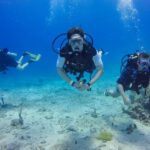
One of the best days of the trip is underwater, then beach. This Catalina Island outing pairs a PADI instructor small-group setup (max 15) with two different reef experiences, from The Wall to the Aquarium. I like that it’s structured for certified scuba participants, so the day feels focused and not chaotic. One caution: the operator may adjust plans if sea conditions or local restrictions don’t cooperate, and pickup can run late sometimes, so build in a buffer.
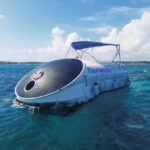
You’ll start with door-to-door pickup around 7:00 am, ride to the La Romana port, and then switch to full “vacation mode” after your water time with Caribbean buffet lunch plus an open bar on Catalina’s white-sand beach. My other favorite part is the pairing of a deeper, coral-focused site with a shallower stop with more “easy entry” animal spotting. If you’re not already comfortable in open water with your gear routine, this format may feel like a lot for a long day.
In This Review
- Key highlights worth getting excited about
- Punta Cana hotel pickup to La Romana port: the day’s rhythm
- The two reef stops: The Wall first, Aquarium Reef second
- The Wall (east side): coral gardens and deeper water time
- Aquarium Reef (opposite side): a shallower, animal-spotting feel
- If weather or local rules change: what plan B looks like
- Lunch and open bar on Catalina’s white sands
- Price and value: what $189.99 buys you
- Certification proof and how to prep for the long day
- Small group + PADI instructor leadership: where the comfort comes from
- Who this is best for (and who should skip)
- FAQ
- What time does the tour start?
- How many underwater sessions are included?
- What depths will I experience?
- Do you pick up from hotels?
- What proof do I need to bring?
- Is there a limit on group size?
- What happens if weather is poor?
- Should you book this Catalina Island two-tank trip?
Key highlights worth getting excited about
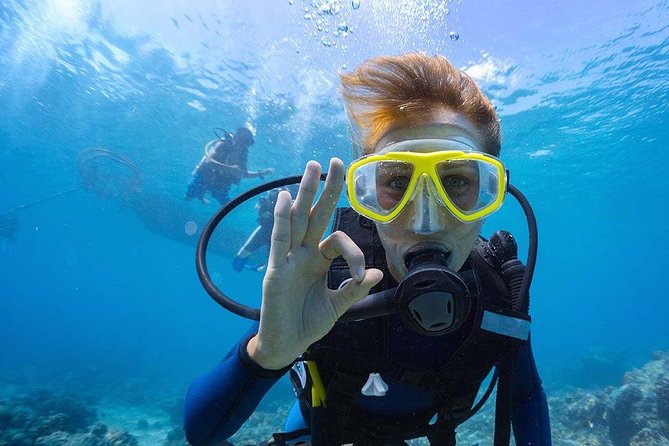
- Max 15 people keeps the pace comfortable and the instructor’s attention real.
- Two reef stops on Catalina Island give you contrast: The Wall then Aquarium Reef.
- The Wall (33–99 ft / 10–30 m) focuses on coral gardens and more varied depth diving profiles.
- Aquarium Reef (max 40 ft / 12 m) stays shallower for a different feel and lots of reef life.
- Buffet lunch + open bar on the beach turns the day into a full Caribbean package.
- Hotel pickup and drop-off means fewer moving parts before you even hit the water.
Punta Cana hotel pickup to La Romana port: the day’s rhythm
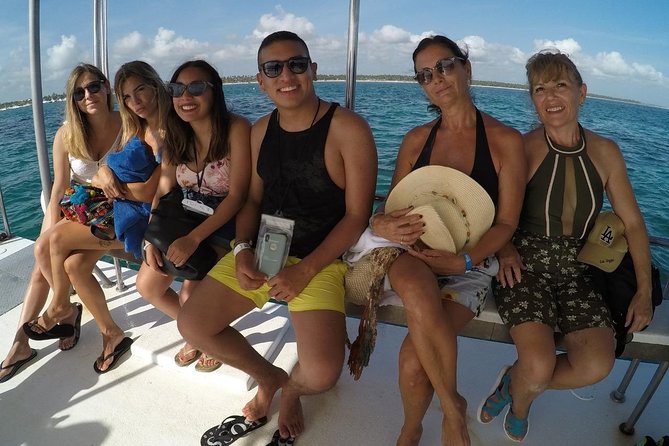
This is a classic long-day format: you’re up early, then you’re busy for about 10 hours total. The start time is listed as 7:00 am, with hotel pickup available, and you’ll go by vehicle to the port area in La Romana. From there you board a boat heading to the first underwater stop.
What I like about this flow is that it saves you from figuring out transport, parking, and where to stand at the dock. You also avoid the most common day-trip problem: showing up too early and melting in the sun, or showing up late and missing the boat. The operator’s approach is door-to-door, so you can spend the morning doing one thing: showing up with your certification proof and staying ready.
A practical reality to plan for: water days are weather-dependent. Even when everything looks fine at first, sea conditions or local rules can change what’s possible. So I treat pickup time like a target, not a promise, and I keep my phone charged and ready. If your hotel schedule is tight, give yourself some slack.
You can also read our reviews of more tours and experiences in Punta Cana.
The two reef stops: The Wall first, Aquarium Reef second
The trip is built around two underwater sessions with a PADI instructor-led setup. That’s great for value because you’re getting a full day’s worth of underwater time, not just a quick try. It also gives you variety: the first site is deeper, and the second is shallower.
The Wall (east side): coral gardens and deeper water time
Your first stop is The Wall on the east side of Catalina Island. Depths run roughly 33 to 99 ft (10 to 30 m). That depth range matters because it often means more stable water columns and a chance to see reef structure in a way you don’t get at very shallow depths.
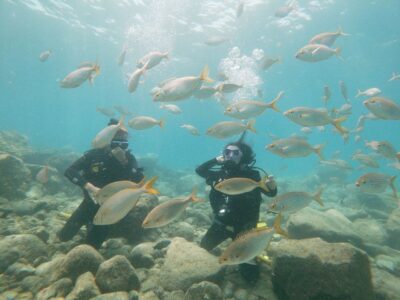
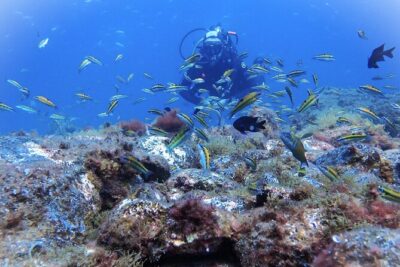
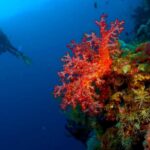
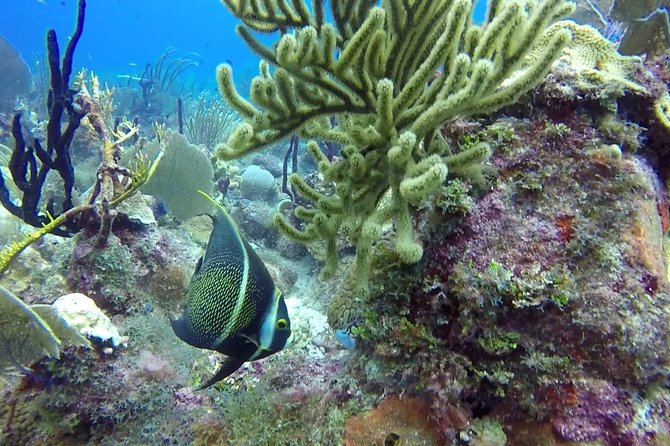
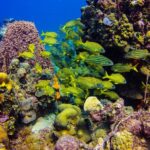
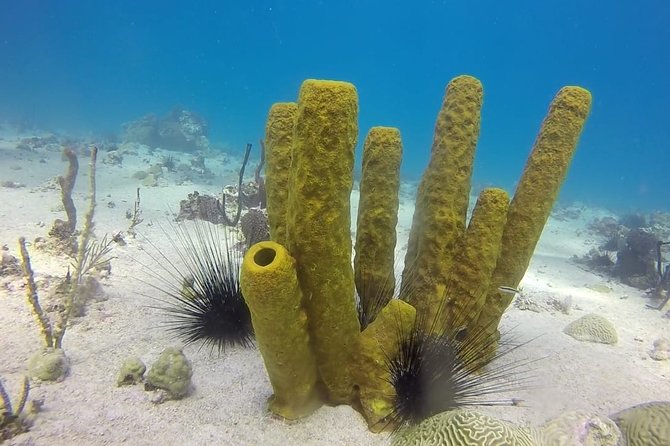
Expect colorful coral reef gardens and a mix of marine life. The plan includes the possibility of seeing octopuses, vase sponges, flamingo tongues, plus lion and scorpion fish. Even if you don’t see every species, the reef structure is the point here: you’re going to want to slow down underwater and actually look at the details. This is the stop that feels like a “classic reef wall” experience.
What to consider: deeper water time requires you to be comfortable with your depth control, buoyancy, and gas planning. If you tend to get rushed underwater, you may feel the pressure more here than at the shallower site.
Aquarium Reef (opposite side): a shallower, animal-spotting feel
After the first session, you head to Aquarium Reef on the opposite side of the island. This one tops out at 40 ft (12 m), which changes the whole vibe. You’ll likely have less of the “deep-water focus” and more time to watch animals move in and out of their spaces.
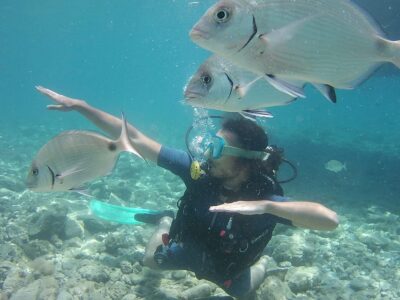
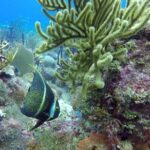
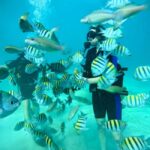
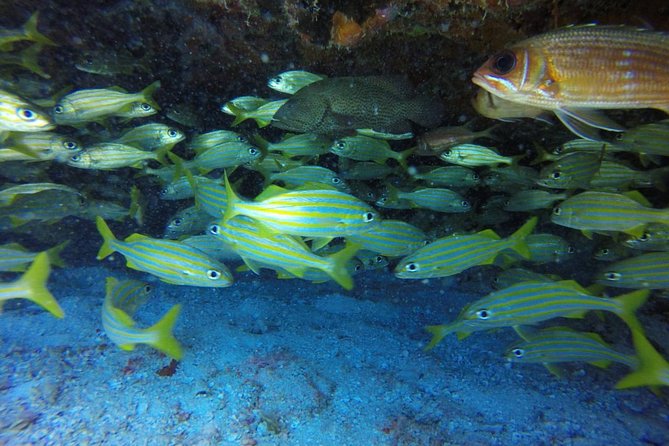
This stop lists potential sightings like moray eels, lobsters, and yellow stingrays. It’s often a better choice for people who love close-up reef life and want a bit more margin for a relaxed pace.
The trade-off is simple: you’re not chasing maximum depth here. You’re chasing presence—steady hovering, slow scanning, and enjoying the shallower reef zone.
If weather or local rules change: what plan B looks like
This experience is tied to good conditions. The info says it requires good weather, and if it’s canceled due to poor weather, you’ll be offered another date or a full refund. That’s the official safety net.
But there’s also a real-world layer you should know about. In past situations, the operation has adjusted when conditions were rough and when authorities banned some water activities at the last minute. The result can be rescheduling to the next day, and sometimes fewer typical activities due to crowds, turbidity, or shifting conditions.
So how do you make that work for you?
- Keep your expectations flexible on the day.
- Don’t schedule another must-do activity right at the end of the tour window.
- If you can, travel with a buffer day after this excursion.
This doesn’t mean the trip is unreliable. It means ocean plans are ocean plans.

Lunch and open bar on Catalina’s white sands
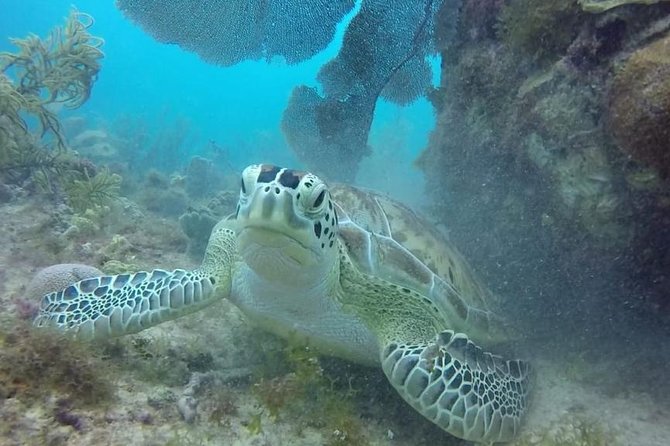
After your two sessions, you’ll head into the best part of any long day: food and beach time. You’ll get a Caribbean-style buffet lunch, and you’ll also be able to enjoy an open bar while you’re on Catalina Island’s beach.
Why this matters: it’s not just a snack break. It’s a social reset. You’ll likely come up with the kind of stories that start with what you saw and end with how quickly your air supply went. The buffet format also helps you eat at your own pace, which is a big deal after changing tanks, rinsing up, and transitioning from “underwater focus” back to “human being.”
A small practical tip: if the day runs long or conditions change, you don’t want to be caught hungry. The buffet is part of why this trip feels complete rather than like a rushed add-on to a beach day.
Price and value: what $189.99 buys you
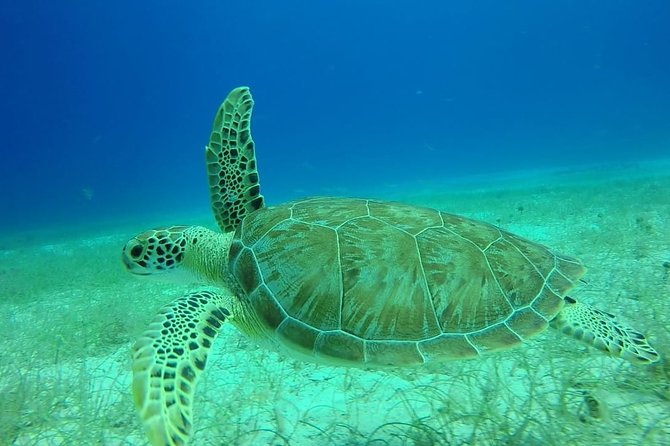
At $189.99 per person, this isn’t a bargain-basement outing. But it’s also not just paying for access to the water. You’re paying for a bundle:
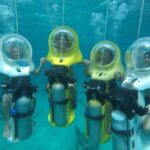
- Two tank underwater time with a PADI instructor-led format
- A small group capped at 15
- Hotel pickup and drop-off, which is a real cost saver of time and hassle
- Buffet lunch plus an open bar
- A full day structure that takes you from Punta Cana area logistics to Catalina Island’s beach
The value equation gets stronger if you would otherwise struggle with coordination. Buying a trip that includes transport, guided support, and a meal is often cheaper than assembling your own plan once you price in time and effort.
One note on expectations: the tour requires proof of certification, so you can’t treat this like an entry-level “first time” outing. If you’re already certified and comfortable, the pricing starts to make more sense because you’ll actually get the most out of both reef stops.
Certification proof and how to prep for the long day
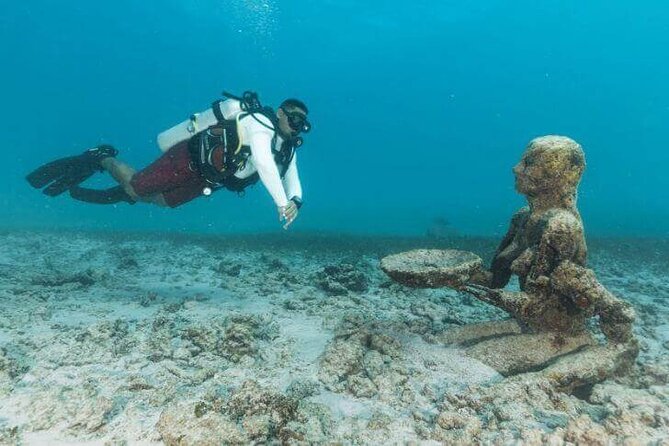
The requirement is clear: you must present proof of scuba certification—physical or online. If you forget this, your trip can’t happen as planned. I’d treat this like your passport: easy to misplace in vacation mode, and too important to wing it.
You’re also told to have a strong physical fitness level. That doesn’t mean you need to be a marathoner. It means you should be ready for a full day with gear changes, getting in and out of the water, and staying comfortable during active time. If you’re recovering from injury, feel winded walking stairs, or get motion sick easily, think carefully.
What I recommend you do the night before:
- Confirm you have your certification proof ready to show immediately.
- Pack a small bag for the essentials you’ll need between pickup and port.
- Wear or bring something easy to change into after your water sessions.
Also, bring a sun strategy. You’ll be out early, and you’ll still be in Caribbean sun during beach time.
Small group + PADI instructor leadership: where the comfort comes from
This trip caps the group at 15 travelers and is led by a PADI instructor. That small-group limit is where you start to feel the difference. You get a more manageable pace, fewer people competing for attention, and likely smoother coordination between the two underwater sessions.
Another good sign is that there’s an orientation and safety briefing before your water time starts. That helps even experienced scuba participants because it aligns everyone on the day’s conditions and expectations.
If you like a structured day—meet, brief, gear up, water plan, then food and rest—this format fits. If you hate following instructions, you might find the schedule a bit firm. For most certified scuba participants, that structure is exactly what makes it feel safe and fun.
Who this is best for (and who should skip)
This experience is aimed at people who are already comfortable with scuba and want two reef stops in one day. It’s a good match if you:
- Are certified and can show proof easily
- Enjoy reef exploration and want variety in depth profiles
- Want hotel pickup and a full package that includes food and beach time
- Prefer a smaller group with instructor guidance
I’d think twice if you:
- Are new to open-water scuba or not confident with deeper profiles like The Wall’s up to ~99 ft (30 m)
- Don’t handle long days well (it’s about 10 hours)
- Struggle with physical demands or stamina during gear setup and water entry/exit
- Need a perfectly fixed schedule, because weather and local restrictions can cause changes
FAQ
What time does the tour start?
The start time is listed as 7:00 am.
How many underwater sessions are included?
This is a two-tank experience with two underwater locations: The Wall and Aquarium Reef.
What depths will I experience?
The Wall ranges from 33 to 99 feet (10 to 30 meters). Aquarium Reef has a maximum depth of 40 feet (12 meters).
Do you pick up from hotels?
Yes, pickup and drop-off to your hotel are offered.
What proof do I need to bring?
You must present proof of your scuba certification, either physical or online.
Is there a limit on group size?
Yes, the maximum group size is 15 travelers.
What happens if weather is poor?
If the experience is canceled due to poor weather, you’ll be offered a different date or a full refund.
Should you book this Catalina Island two-tank trip?
If you’re already certified and you want a structured day with two reef experiences, this is a strong value. The combo of The Wall’s deeper coral gardens followed by the shallower Aquarium Reef keeps the day interesting, and the buffet lunch plus open bar makes it feel like a real vacation day, not just a gear-and-go outing.
I’d book it if you can handle a long day and you’re comfortable with the deeper depth range listed for The Wall. If you’re sensitive to schedule changes or you’re still building confidence in open water, look for a simpler option with shallower limits and more flexibility.