REVIEW · TENERIFE
Santa Cruz de Tenerife: Beginner’s Diving & Introduction
Book on GetYourGuide →Operated by Macaronesian Divers · Bookable on GetYourGuide
Weightlessness in the Canary waters sounds like magic. This beginner try dive in Santa Cruz de Tenerife pairs clear coaching with a first taste of scuba at 6 meters.
What I like right away is the way the team focuses on making you comfortable fast, with step-by-step gear instruction before you ever go under. The second big plus for me is the experience format: a short, confidence-building session that still includes real time underwater and plenty of guidance.
The only drawback to keep in mind is physical fit. This activity is not for pregnant travelers, people with respiratory issues, recent surgeries, back problems, or anyone over 70, and it requires planning around flights. If you’re healthy enough to dive, though, the small-group setup and patient instructors make it a very doable first step.
In This Review
- Key things that make this try dive work so well
- A 3-hour Santa Cruz try dive for brand-new scuba fans
- Meet Macaronesian Divers and get kitted out without the hassle
- Your first lessons: gear parts, breathing, and feeling safe fast
- The water time: 30–45 minutes, 6 meters down, and real fish life
- After the dive: showers, video/photos, and turning nerves into confidence
- Price and value: is $89 fair for a first scuba session?
- Who should book this try dive (and who should skip it)
- Planning your day in Santa Cruz so it feels easy
- Should you book this beginner scuba try dive in Santa Cruz de Tenerife?
- FAQ
- What depth do beginners reach on this try dive?
- How long do I spend underwater?
- What’s the minimum age to join?
- What’s included in the price?
- What language are instructors speaking?
- What should I bring and how do I plan for my next flight?
Key things that make this try dive work so well
- Small groups (up to 8) mean you get attention, not crowd noise.
- First-time coaching covers equipment parts and how to use them underwater before your water entry.
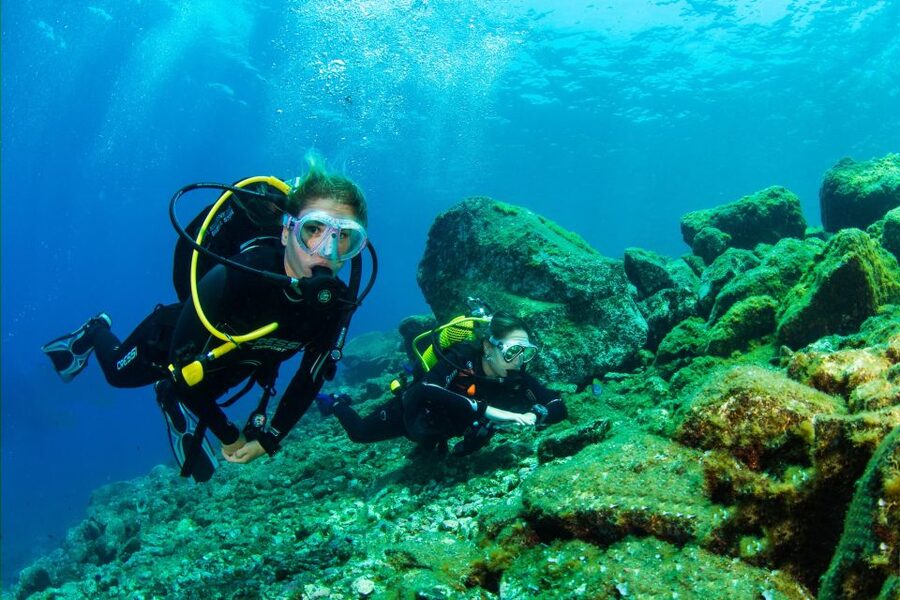
- 30–45 minutes at a shallow depth helps you settle in and actually enjoy the marine life.
- English and Spanish instructors keep the communication clear for beginners.
- Hot showers, changing rooms, and a post-dive video/photos look-through make the day feel complete.
- It’s right by the coastline and the water can be full of colorful fish even on a first dive.
A 3-hour Santa Cruz try dive for brand-new scuba fans
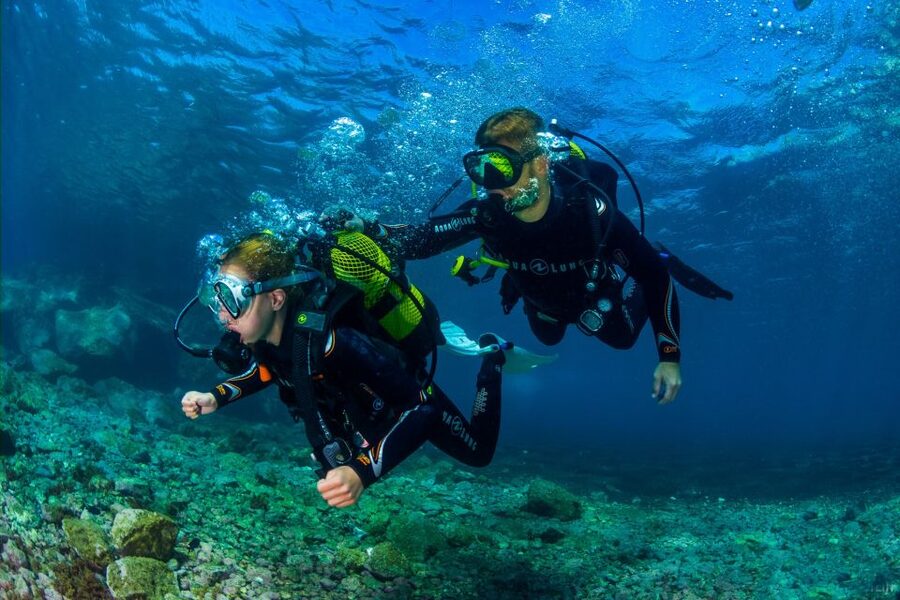
Santa Cruz de Tenerife is a smart place to start scuba because you can do it in a short window and still feel the payoff. This is billed as a beginner’s try dive, which is exactly what you want when you’re new: learn the basics, breathe underwater, feel the weightless sensation, and come back up feeling proud—not overwhelmed.
You get a total 3 hours, with the actual time in the water running around 30 to 45 minutes at about 6 meters. That depth is shallow enough for beginners to manage, but it’s deep enough to notice real changes in breathing, buoyancy, and how your body feels underwater. It’s one of those experiences where you go from thinking you’ll struggle to realizing you’re actually doing it.
Another reason I like this format is the focus on marine life. You’re not just practicing skills in a dark tank. The point is to swim with your instructor and spot sea creatures in clear water, so the training doesn’t feel like homework.
You can also read our reviews of more tours and experiences in Tenerife.

Meet Macaronesian Divers and get kitted out without the hassle
Your day starts at Macaronesian Divers – Buceo en Tenerife. Plan to arrive about 30 minutes before the activity starts. That extra time matters because you’ll need to check in, get your gear set up, and still have room for questions before anyone expects you to splash in.
The vibe here is practical and friendly. The group is limited to 8 participants, so you’re more likely to get individual attention when something doesn’t make sense. In real first-timer sessions, that can be the difference between panicking and settling in.
Facilities are part of the value too. After the dive, you’ll use changing rooms and hot showers, which is a big deal if you’re doing this during a holiday day. Several divers also highlight that the shop feels modern and organized, which helps you stay calm when you’re doing something that feels brand-new.
And yes, there’s a small perk at the end: a drink is included. It’s not a reason to book on its own, but it turns the activity into a full “day experience,” not just a quick wet handoff.
Your first lessons: gear parts, breathing, and feeling safe fast
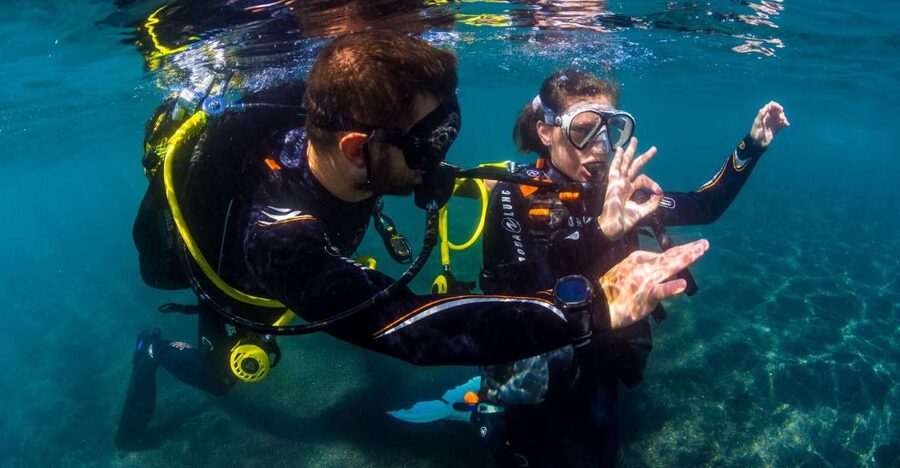
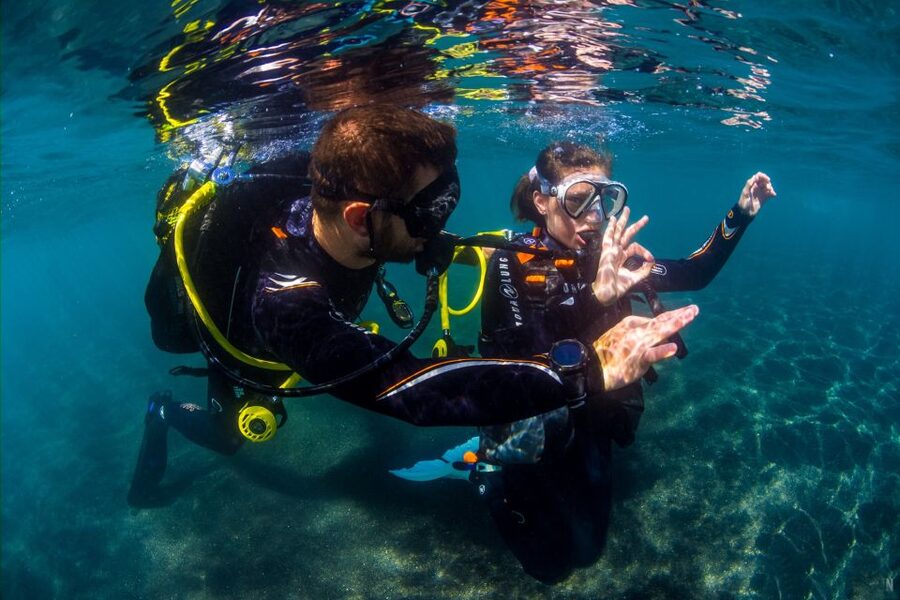
The first part of the session is all about building comfort. You’ll spend time going over the different parts of scuba equipment, what each piece does, and how you’ll use it once you’re underwater. For beginners, that instruction is gold because it turns an intimidating machine into a set of predictable steps.
From the way instructors are described, the teaching style tends to be calm and structured. Names that come up again and again include Carla and Vicky, plus Abigail being praised for patience with families. The pattern is consistent: clear explanations, step-by-step practice, and a sense of safety that helps nervous first-timers settle.
Here’s what I think you should look for mentally during this stage: your goal isn’t to be fearless. Your goal is to understand what to do with your hands and breathing when conditions feel unfamiliar. If you can follow the cues and stay relaxed, you’ll enjoy the dive more.
The experience is explicitly designed for a first plunge, so you should expect the instructor to guide you through the basics before the group goes into the water. And once you’re in, the focus stays on your comfort—many divers emphasize that instructors check in during the dive and take their time with new students.
The water time: 30–45 minutes, 6 meters down, and real fish life
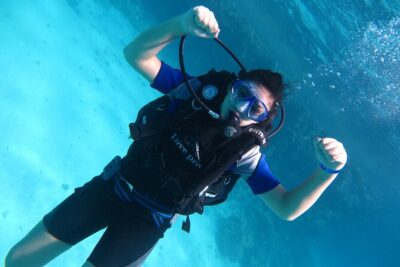
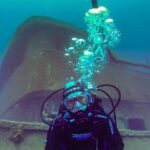
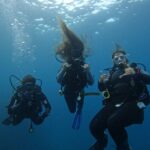
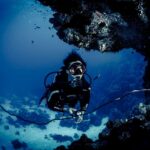
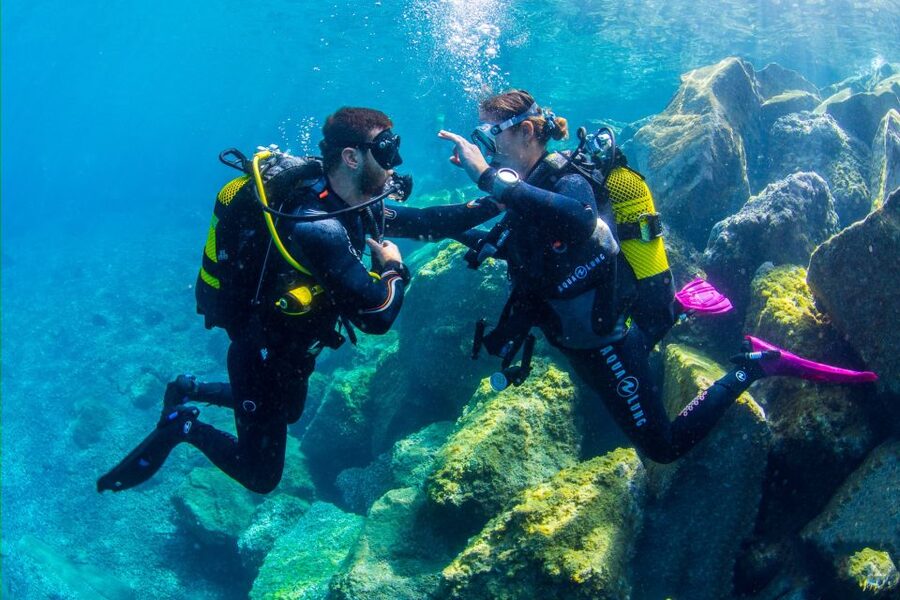
Then comes the best part: you go into the ocean and do the actual try dive. The diving portion is described as a 30 to 45 minute dive at 6 meters, with your instructor accompanying you.
A detail worth knowing: the dive starts right by the dive center’s coastal frontage, and the water can get deeper fairly quickly. That doesn’t automatically mean scary, but it does mean you should listen closely during the initial descent and trust the plan. If you’re anxious, you’ll feel less anxious when you know what the process is supposed to feel like.
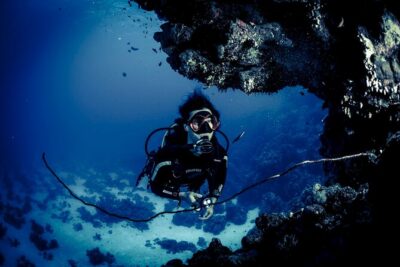
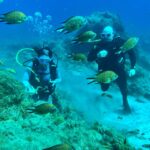
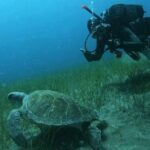
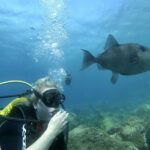
What surprised many first-timers is the marine life. Even at shallow depth, you can see colorful fish and interesting flora and fauna. Several divers specifically call out the variety of fish and how calm and serene the water feels once they’re settled. One of the best signs for you as a beginner: multiple people mention they felt safe throughout the dive and got frequent reassurance.
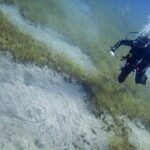
You’re also in the right depth for learning buoyancy basics without turning the session into a workout. At 6 meters, you’re not just “testing your fear.” You’re learning how to breathe steadily and move smoothly while you enjoy what’s around you.
After the dive: showers, video/photos, and turning nerves into confidence
When you surface, the activity isn’t over. You’ll rinse up with hot showers and use the changing rooms, which helps you feel human again quickly. Then you’ll get to visualize videos and photos from your dive, plus souvenir photos are included.
This matters more than it sounds. First-timer scuba can feel like a blur. Seeing your footage helps you connect what you learned (gear use, breathing, buoyancy cues) with what you actually did in the water. It’s also a great confidence booster if you were nervous beforehand.
You’ll also get a glimpse at how the instructors manage real moments. One diver notes that their instructor handled minor issues professionally and got them back on track for the dive. That kind of competence matters because it tells you the training isn’t just theoretical. The team responds, adapts, and keeps the session moving in a safe way.


Price and value: is $89 fair for a first scuba session?
At $89 per person for about 3 hours, this is positioned as good value for a true introductory experience rather than a long, course-like day. Here’s why I think it adds up:
- You’re not just paying for a boat ride. The price includes diving equipment, instructor guidance, and time in the water.
- You get more than “gear and go.” Hot showers, changing rooms, a drink, and souvenir photos are included, so your day has closure.
- The group is small (up to 8), which usually means more attention during training. For beginners, that’s one of the biggest drivers of comfort and success.
- You dive to a real depth for a beginner session (6 meters), not just a quick splash or shallow pool practice.
If you’re deciding between a longer course and a one-off try dive, this helps you test whether scuba is your thing. And if you already know you want to dive more seriously, this kind of introduction can give you the confidence to commit to future training.
Who should book this try dive (and who should skip it)
This is a beginner-friendly scuba experience, but it’s not for everyone. The minimum age is 8 years, which also means the experience is built to handle youth with the right instruction and patience.
Do not book if any of these apply:
- pregnant women
- people with back problems
- people with respiratory issues
- people with recent surgeries
- people over 70 years
You’ll also want to think about swimming comfort. The info doesn’t say you must be an elite swimmer, and some divers describe being nervous or not being a strong swimmer and still having a positive, supportive experience with patient coaching. Still, the best outcome comes when you can follow instructions calmly and stay relaxed in the water.
What to bring is simple: swimwear. If you want an easier transition afterward, bring a towel and whatever you use to feel comfortable after showers, but the essentials are just swimwear.
And one important scheduling note: you should plan at least 24 hours between the dive and your next flight. That isn’t the kind of detail you want to ignore.
Planning your day in Santa Cruz so it feels easy
This kind of experience works best when you don’t stack too much stress around it. Aim for a day when you can arrive early, ask questions, and give yourself time to settle before getting in the water.
Here’s a simple way to make it smoother:
- Arrive 30 minutes early so equipment and instructions happen without rushing.
- If you’re traveling by plane or switching activities, remember the 24-hour buffer before your next flight.
- If you speak English or Spanish, you’re covered since instruction is offered in both languages.
- Wear only swimwear so you’re not wasting time getting ready.
One more practical tip: if you feel nervous, tell the instructor at the start. That’s what the best beginner guides use to pace your training, and it’s consistent with how instructors are described as patient and supportive.
Should you book this beginner scuba try dive in Santa Cruz de Tenerife?
I’d book it if you want a first scuba experience that feels structured, safe, and geared toward enjoying the water—not just passing a test. The small group size, the strong emphasis on equipment understanding, and the consistent praise for patient coaching (with instructors like Carla, Vicky, and Abigail showing up in different stories) are exactly what you want when you’re brand-new.
I’d skip it if you’re in any of the non-suitable categories listed above, or if you can’t plan the 24-hour gap after the dive for your flight. Also skip if you’re hoping for a long, deep, advanced scuba adventure. This is about first breath underwater and first marine-life moments at 6 meters.
If you’re the right match, this is a very efficient way to see whether scuba belongs in your future.
FAQ
What depth do beginners reach on this try dive?
You dive to a maximum depth of 6 meters.
How long do I spend underwater?
The time in the water is about 30 to 45 minutes.
What’s the minimum age to join?
The minimum age is 8 years.
What’s included in the price?
It includes the required diving equipment, souvenir photos, use of facilities (changing rooms and hot showers), and a drink at the end.
What language are instructors speaking?
Instructors provide guidance in English and Spanish.
What should I bring and how do I plan for my next flight?
Bring swimwear. Also plan for at least 24 hours between the dive and your next flight.
If you tell me your age and whether you’re a confident swimmer, I can help you judge if this try dive is likely to feel relaxed or stressful for you.