Phuket turns your scuba skills up a notch fast. This PADI Advanced Open Water program is built for confident water time, with a setup that keeps you supported from start to finish.
What I like most is the way the course mixes online theory (so you can work at your pace) with guided in-water training in Phuket. I also really appreciate that the group stays small, with a maximum of 4 travelers, so you get more instructor attention when you need it.
One consideration: the schedule is full-on, and the days run about 8 hours each. If you’re hoping for a slow, relaxed island outing, this one may feel like a training sprint.
In This Review
- Key Things That Matter Before You Go
- How the PADI Advanced Course Works in Real Life
- Day 1: Ko Racha Yai and a Full Instructor-Focused Day
- Day 2: Ko Racha Noi, Keeping That Momentum Going
- The Tiny Group Advantage (and Why You Should Care)
- Equipment and Support: What’s Included Really Helps
- Transfers and Timing: The Morning Starts Early, So Plan Around It
- Price and Value: Where the $557.80 Actually Lands
- Safety, Confidence, and What Learning Feels Like
- What To Bring (Without Overthinking It)
- Who This Course Fits Best
- Should You Book It?
- FAQ
- What level is the PADI Advanced Open Water course?
- How many underwater training sessions are included?
- Can I do the theory part online before arriving in Phuket?
- What’s included in the price?
- What is not included?
- Where does the tour start and what time?
- Is pickup available from my hotel area?
- How many people are in a group?
- Is it refundable if I cancel?
Key Things That Matter Before You Go
- Small max group size (up to 4): more time with your instructor, less waiting around.
- 6 underwater training sessions in 2 days (5+1): you get extra practice without stretching the trip.
- Online PADI digital manuals: you can finish theory before you arrive in Phuket.
- All gear and dive computer included: you’re not scrambling to rent or sort equipment last minute.
- Pickup from key beach areas (with a few Rawai/Nai Harn/Chalong options): easier start to a very early morning.
- Marine park fees may apply (600 THB cash): plan for this extra cost on the boat.
How the PADI Advanced Course Works in Real Life
The PADI Advanced Open Water course is the next step after Open Water, and it’s designed to help you handle more variety underwater with better control and calmer decision-making. The program doesn’t just throw you back into the water. It gives you structured training time, plus the practical confidence that comes from doing skills with an instructor watching closely.
A big plus here is the theory flexibility. You can use PADI digital manuals online and complete the coursework at your own pace before you start the Phuket portion. That matters because it reduces last-minute cramming and helps you arrive ready for training time, not still decoding the material.
The format also helps you move forward efficiently. Over two days, you’ll do an extra session (5+1) in addition to the core training. That extra time isn’t just a nice-to-have. It’s often what turns a new skill into something you can repeat without second-guessing.
You can also read our reviews of more tours and experiences in Phuket.

Day 1: Ko Racha Yai and a Full Instructor-Focused Day
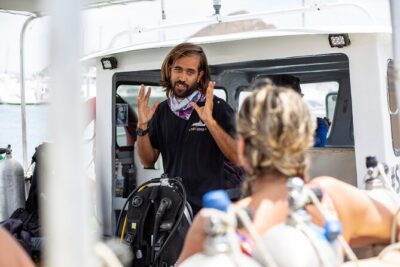
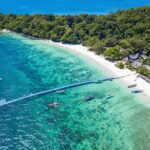
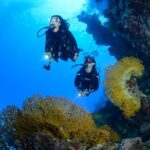
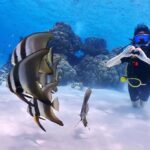
Day 1 centers on Ko Racha Yai. The day is about 8 hours total, and one detail I appreciate is that your instructor stays with you on the boat the entire time. That’s not a small point. When the instructor is right there from departure to return, you waste less time trying to interpret what to do next and more time building comfort with the routine.
What you can expect on this first day is a mix of training and real-world underwater practice. The goal is to get you feeling steadier in the water and better at managing the basics under slightly different conditions than your earlier certification.
Where this stop shines: it’s day one, so you’re building momentum. A full day with consistent instructor presence makes it easier to settle in quickly.
What to watch for: since the day is long, you’ll feel the pace. Bring a water bottle, and don’t plan anything complicated for after day one. Even with lunch included, your brain tends to stay “switched on” during training days.
Day 2: Ko Racha Noi, Keeping That Momentum Going
Day 2 goes to Ko Racha Noi, again with about an 8-hour schedule and your instructor staying with you on the boat. By this point, you should feel more familiar with how the training day runs: equipment checks, the rhythm of briefing, and how the coach gives feedback.
This second day is where the course really pays off. You’ve already gotten your bearings on day one, so you can focus on tightening technique and improving how you respond when things shift underwater. The course is meant to build confidence, and that confidence tends to come from doing the work twice across consecutive days rather than spreading it out and losing the “flow.”
Where this stop shines: it reinforces what you learned on day one. That repeat cycle is often what helps you stop thinking so hard and start acting automatically.
What to watch for: by day two, fatigue can sneak in, especially if you’ve spent the whole day concentrating. Get a solid breakfast, hydrate early, and keep your gear handling consistent. It’s easier to learn when you’re not rushing.
The Tiny Group Advantage (and Why You Should Care)
This program limits group size to a maximum of 4 travelers. In practical terms, that usually means less crowding around instructors and more chance to get specific feedback. Instead of watching other people do skills while you wait, you’re more likely to get your own turn, and you’re more likely to hear corrections that apply directly to your situation.
In the same way, instructor support matters during the boat day. When training is happening across two full days, you want someone who can adjust guidance quickly. That’s also the reason the “instructor on the boat” detail is worth noticing. You’re not just getting training time; you’re getting continuity.
One of the standout instructor mentions in the course feedback includes Sam, and that lines up with what you want from a good instructor: clear guidance, calm coaching, and a focus on safety.
Equipment and Support: What’s Included Really Helps
This course includes scuba gear for the duration of the training, and it also includes dive computers. That’s a big quality-of-life factor. When you’re learning or building advanced control, you don’t want to waste mental energy figuring out equipment compatibility or dealing with rental inconsistencies. Having the same setup for the course also makes your training feel more consistent across days.
You’ll also get a covered base for course costs. The package includes PADI materials and the PADI certification fee (listed as approximately 3,000 THB). That can make budgeting simpler because a lot of course packages separate these items.
There’s also scuba diving insurance coverage for the entire course, which is exactly what you want on training days. You’re taking part in structured instruction, and you’d rather have peace of mind than a surprise gap.
For comfort and recovery, you’ll get breakfast (2) and lunch (2) and a soft drink.

Transfers and Timing: The Morning Starts Early, So Plan Around It
The meeting point is Port Phuket (R8CV+8QF, Chalong, Mueang Phuket District, Phuket 83000), with a 7:00 am start time. That’s early enough that you’ll want to be awake, showered, and ready the night before.
Pickup is offered from Kamala, Patong, Karon, Kata, with select pickup options from Rawai, Nai Harn, and Chalong. If you’re staying outside those areas, private transfers are available for an extra cost.
This kind of timing is common in Phuket dive training because you want calmer morning conditions and enough daylight to complete the boat schedule. It’s not a vacation-day pace. It’s a training-day pace.
Price and Value: Where the $557.80 Actually Lands
The price is $557.80 per person, booked on average about 22 days in advance. I look at value in two ways: what you get, and how much friction you avoid.
On the “what you get” side, the package includes:
- 6 underwater training sessions (with an extra session as part of 5+1)
- course materials and the PADI certification fee (about 3,000 THB)
- gear plus dive computers for the course duration
- insurance coverage for the course
- breakfast and lunch for both days
- pickup from multiple Phuket areas (with limited exceptions)
- mobile ticket support
On the “friction you avoid” side, the inclusion of computers and equipment matters. The course also uses PADI digital manuals so you can handle theory ahead of time instead of losing training energy to last-minute studying.
Possible extra cost to consider: a marine park fee of 600 THB per person may be required and is payable in cash on the boat. Even with that, this package still tends to make sense because it bundles most of the course essentials instead of piecemealing them.
Safety, Confidence, and What Learning Feels Like
Advanced training is really about control. Your goal isn’t just to go down and stay down. It’s to build repeatable habits: how you check equipment, how you manage breathing and buoyancy, how you respond when something doesn’t go exactly as expected.
The course is built to support that through structure and constant instructor presence, especially since the instructor is with you on the boat each day. That setup can make learning feel less stressful. You’re not left to guess between sessions.
And from the course feedback, the consistent theme is that people felt safe and learned a lot while still enjoying the underwater sites. That balance is what you want from an advanced course: competence and enjoyment, not just boxes checked.
What To Bring (Without Overthinking It)
The essentials are the usual training-day basics, but since gear is provided, you can pack lighter:
- Your usual swimwear and a change of clothes for after the water day
- A rash guard or sun protection you’re comfortable training in
- A towel and simple personal items you’ll need before pickup and after returning
If you’re sensitive to early mornings, add sleep support like a plan for breakfast. The day starts at 7:00 am, and the schedule is tight across both days.
Who This Course Fits Best
This program is a smart pick if you:
- already completed Open Water and want a real skills boost
- like structured coaching and want confidence-building feedback
- prefer smaller groups for more attention
- value having equipment and a dive computer handled for you
It might not be ideal if you want a laid-back island itinerary. It’s two long training days, and the point is to progress, not to float around casually.
Should You Book It?
Yes, if your priority is skill growth with strong support. This package is strong on the practical parts that make training smoother: small group size, instructor presence, included equipment and computers, and PADI materials with theory you can do ahead of time.
Before you say yes, do two quick checks:
- Confirm whether the 600 THB marine park fee is something you’ll need to pay on the day, since it’s listed as cash on the boat.
- Be honest about your energy for two 8-hour days starting at 7:00 am.
If you’re ready for that pace, you’ll likely feel exactly what the course is designed for: more confidence, better technique habits, and underwater training time that feels well organized.
FAQ
What level is the PADI Advanced Open Water course?
It’s designed as the next step after you finish your PADI Open Water certification.
How many underwater training sessions are included?
You get an extra session in addition to the required sessions, totaling 6 underwater training sessions (5+1).
Can I do the theory part online before arriving in Phuket?
Yes. You can complete the theory at your own pace using PADI digital manuals online.
What’s included in the price?
The package includes PADI materials and the PADI certification fee (about 3,000 THB), dive insurance coverage for the course, scuba equipment (including dive computers), breakfast and lunch (2 each), and a soft drink, plus included transfers from several Phuket areas.
What is not included?
Not included are alcoholic beverages, optional underwater photos/videos, and Phi Phi National Marine Park fees of 600 THB per person payable in cash on the boat. Private transfers outside the pickup zone also cost extra.
Where does the tour start and what time?
It starts at Port Phuket (R8CV+8QF, Chalong) with a 7:00 am start time, and it ends back at the meeting point.
Is pickup available from my hotel area?
Pickup is offered from Kamala, Patong, Karon, Kata, plus select areas including parts of Rawai, Nai Harn, and Chalong. If you’re outside the pickup zone, private transfers are available for an extra cost.
How many people are in a group?
The tour has a maximum of 4 travelers.
Is it refundable if I cancel?
This experience is non-refundable and cannot be changed for any reason.