REVIEW · TENERIFE
PADI Open Water Diver Course
Book on Viator →Operated by Dive Centre Ocean Trek Tenerife · Bookable on Viator
Your first scuba skills, done calmly. If you want small-group coaching and a clear path to certification, this Tenerife course is a solid choice. You’ll get instruction that’s patient and very hands-on (with instructors like Juan, Gerhard, and Manuel showing up in the student reports), and you’ll spend real time doing skills in the water. The one thing to keep in mind: it’s weather-dependent and you should be in a reasonable state of health with moderate fitness for the days at sea.
I like that the setup is practical: you’re not just sitting through slides. You’ll move from theory to equipment to in-water practice, twice per day, and you’ll see Tenerife’s volcanic underwater world with lots of fish and regular opportunities for species like rays and turtles. The course is run for English speakers, but since this is a small operator, you may want to confirm language specifics when you book.
After you finish, you’ll have the PADI Open Water certification paperwork, and that means you can go on to rent gear and have tanks filled around the world. You also get key course items up front: equipment, course materials, a logbook, and the PADI license fees. Lunch is not included, so plan for that midday break.
In This Review
- Key things that make Ocean Trek Tenerife worth a look
- Tenerife is a great place to start scuba training
- Price and value: what you’re paying for (and what you aren’t)
- Pickup, meeting point, and how the schedule feels in real life
- The Ocean Trek teaching style: theory to skills with real feedback
- What you actually do during the three days
- In-water sessions around Tenerife: seeing marine life while you learn
- Stop 1: Ocean Trek in Costa Adeje (where the day begins and gear gets sorted)
- Tips that make your first certification day go smoother
- After the course: what your certification lets you do
- Who should book this course in Tenerife
- Should you book Ocean Trek Tenerife for your Open Water course?
Key things that make Ocean Trek Tenerife worth a look
- Small groups, not a conveyor belt: many students describe max-sized groups that feel manageable.
- Two in-water sessions per day: enough repetitions to build comfort fast.
- Full equipment and course materials included: you’re not piecing together costs last minute.
- Instructors who slow down for you: calm coaching shows up again and again, especially around buoyancy and safety.
- Tenerife’s marine variety: you can realistically expect fish and chances at bigger animals like turtles and rays.
Tenerife is a great place to start scuba training
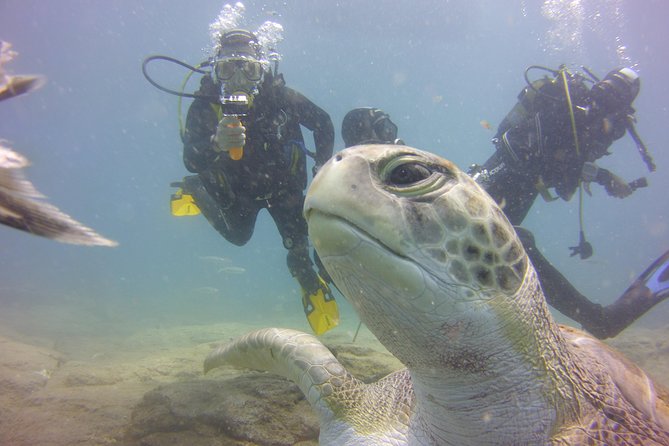
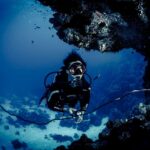
Tenerife’s underwater scene is a nice mix of color and structure. You’re training for certification, but you’re also learning by seeing real marine life—not just practicing in total silence.
One reason this location works well for beginners is that the training sites tend to support skill work early on, while still giving you variety as you progress. If your goal is to feel confident (not just “checked off”), doing the course in a place with lots of fish and interesting rock formations helps keep motivation up.
You can also read our reviews of more tours and experiences in Tenerife.
Price and value: what you’re paying for (and what you aren’t)
At $792.16 per person for about three days, the value here is mostly in what’s included. You’re getting full diving equipment, course literature, a logbook, and PADI-license fees bundled in. You’re also covered for bottled water, which sounds small until you realize how thirsty you can get when you’re shuttling between theory and the water.
Pickup and drop-off are also included for a radius around the dive center (the details are given as up to about 20 km, with pickup details referencing about 10 km). That matters because you don’t want to spend your first day of certification planning rides.
Lunch is the only clear miss. Plan to grab food close to your training day pace, because mornings can run longer than you expect.
Pickup, meeting point, and how the schedule feels in real life
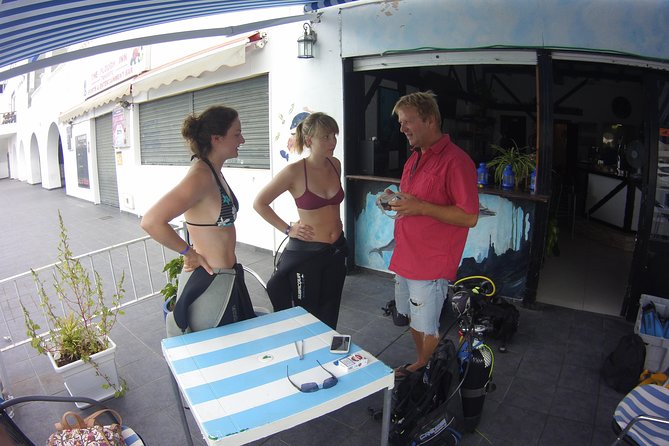
You start and end back at Ocean Trek in Costa Adeje (C. Valencia, 38660). The operator offers pickup by request, and the distance limits are clearly part of the deal, so message ahead if you’re staying further out. You’ll also find it’s near public transportation, which is useful if you’d rather not rely on pickup.
This is a private tour/activity, meaning you should only be with your group. In practice, that often makes the experience feel less stressful—more time with your instructor and less waiting while others catch up.
One more timing note: even when everything goes smoothly, in-water training plus equipment checks and travel between spots can take over your day. If you’re the type who likes tight afternoon plans, you’ll want to keep them flexible.
The Ocean Trek teaching style: theory to skills with real feedback
The course runs in small groups, pairing theory basics with practical training. You’ll learn the fundamentals first, then apply them right away while using the full kit provided.
I like the way the coaching is described in student feedback: instructors explain, demonstrate, have you copy, then you practice until it clicks. That approach matters because scuba isn’t one single skill—it’s a chain of small actions. When someone has you repeat the chain slowly and correctly, you build confidence rather than stress.
You’ll see this emphasis in the way students talk about learning buoyancy and feeling safe in the water. Names that repeatedly show up are Juan, Gerhard, Manuel, and a supporting team that includes Gema, Ryan, Maria, Sean, Nelly, and Pauli. Even if you don’t meet every one of them, it gives you a sense that the operation keeps things personal.
Language-wise, the course is offered in English. Still, some students describe German as part of the setup, so it’s worth confirming English-first instruction when you book, especially if you want everything explained with zero gaps.
What you actually do during the three days
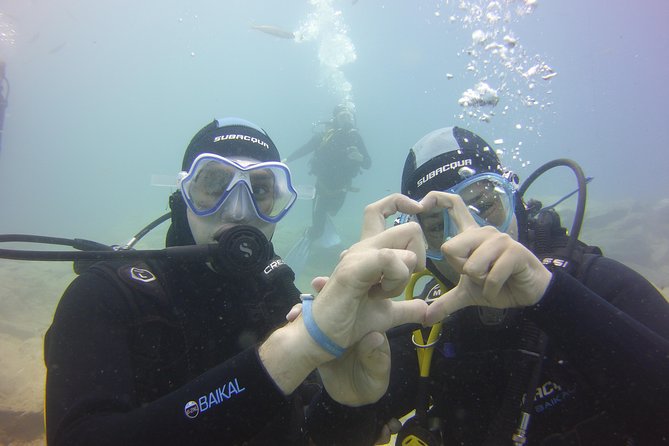
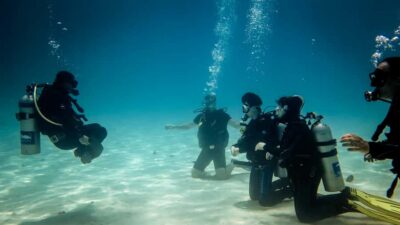
The big promise is straightforward: you learn the basics in theory and then build skills through repeated in-water practice. You’ll do two in-water sessions each day, and the course is designed so you end with the PADI Open Water certification.
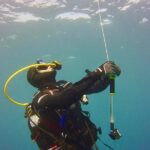
Your first day tends to focus on settling in—getting comfortable with equipment and core movements. Over the next sessions, you practice the required skills in relatively shallow water before you become more confident with the full sequence of tasks.
Some students reported that the training often ran at modest depths (around the 5–10 m range), which is exactly what you want early on: enough water to learn properly, without turning the day into a stamina test. The goal is control, not adrenaline.
In-water sessions around Tenerife: seeing marine life while you learn
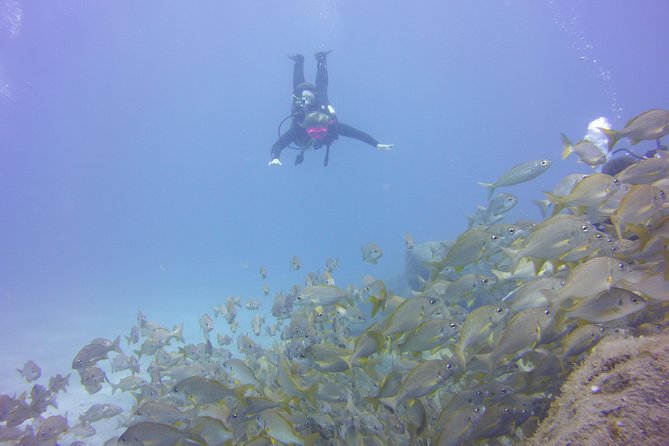
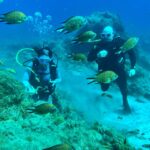
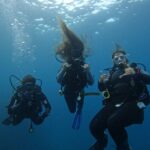
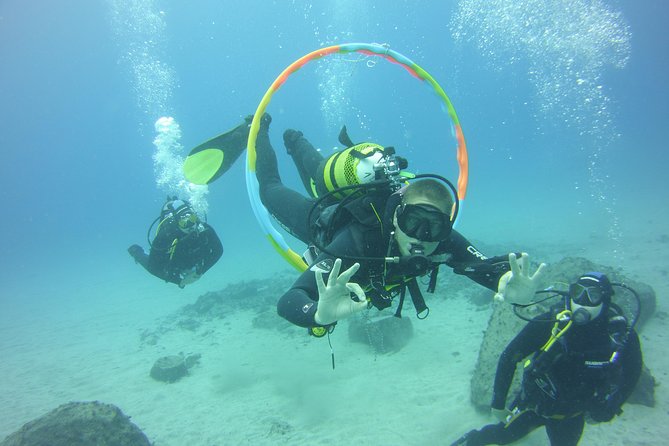
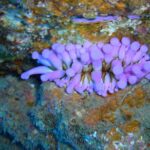
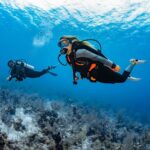
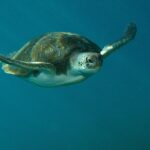
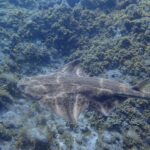
This course isn’t only about technique. It’s also built around experiencing Tenerife underwater at different sites. During your sessions, you’ll see a lot of fish, and your progress gets paired with the kinds of sights that make the training feel like a real adventure.
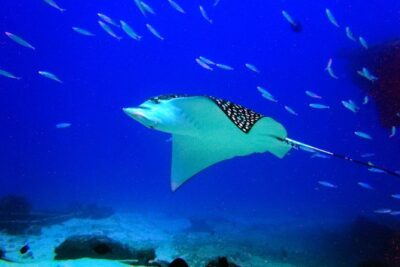
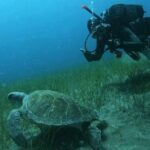
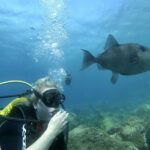
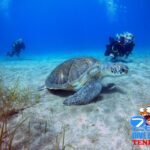
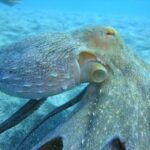
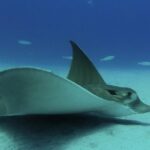
From student feedback, common sightings include sepia and octopus, plus larger animals like sea turtles and stingrays. There are also mentions of baracudas and other wildlife seen across the course. Even if animal sightings vary by conditions, the consistent theme is variety—so you aren’t doing the same underwater routine over and over.
One subtle benefit: seeing real sea life while you’re learning helps your brain associate the gear and procedures with something enjoyable. That association is what makes later training and future trips feel easier.
Stop 1: Ocean Trek in Costa Adeje (where the day begins and gear gets sorted)
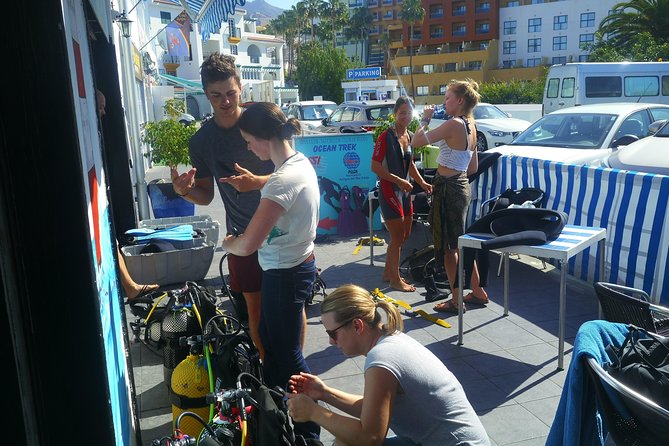
Your base is Ocean Trek in Costa Adeje, and it’s where you’ll get the course structure rolling. This matters more than people think. Your comfort on day one depends on how smoothly gear fits, how quickly you get explained, and how much time you have to ask questions before you enter the water.
Because Ocean Trek is positioned to run small-group training, the handoff from meeting point to the next part of the day tends to feel organized. Many students comment on friendly instructors and a calm pace, which is what you want when you’re still learning how your body and equipment work together.
Tips that make your first certification day go smoother
A few practical tips show up repeatedly in student notes, and they’re the kind of details that prevent small annoyances from becoming big stress.
- Bring dry layers and a small towel. Salt on wet covers can be unpleasant, and you’ll want something quick for after the water.
- Consider a dressing poncho. It helps you change in parking-lot conditions without turning the day into a hassle.
- For pressure equalization, be patient and gentle. Students emphasize doing equalization early and slowly, rather than forcing it hard once you already feel strong pressure.
- Don’t overwork your calves. If you get cramps easily, manage your movement and stretching rather than fighting through it.
- Take your time on buoyancy. The students who finish feeling confident often mention that buoyancy training was handled calmly and with enough repetition to make it feel normal.
These aren’t “nice-to-know” tips. They’re the difference between feeling tense and feeling steady.
After the course: what your certification lets you do
Once you complete the PADI Open Water certification, you’re entitled to continue participating in scuba activities around the world. The key practical points included in the course overview are that you can rent equipment and have scuba tanks filled independently.
That’s a big deal for value, because you’re not buying three days of fun only. You’re buying access to future experiences, including the ability to plan your own underwater days with dive centers that support certified divers.
Who should book this course in Tenerife
This is a good fit if you:
- want a structured introduction with hands-on coaching,
- prefer small-group attention rather than large classes,
- are traveling with a moderate level of physical comfort and a reasonable state of health for scuba training,
- can handle a multi-day schedule with full days that don’t always end early.
The minimum age is 10 years, so it can work for older teens and motivated kids. Service animals are allowed, and the meeting point is near public transportation.
If your main requirement is English-only instruction, confirm that during booking. The course is offered in English, but a few student comments suggest the local teaching culture may also include German, depending on the instructors assigned.
Should you book Ocean Trek Tenerife for your Open Water course?
If you’re choosing between operators, this one earns a strong recommendation for a simple reason: students describe the training as calm, professional, and small-scale. You get the core ingredients for a beginner course—gear, materials, logbook, and PADI fees—without the common “extra fees” feeling.
Book it if you want:
- small-group attention,
- a training pace that focuses on learning (not rushing),
- a Tenerife base with real underwater sights as part of the process.
Skip it or ask extra questions before booking if:
- you have tight scheduling constraints for afternoons,
- you know you’re sensitive to weather changes (sessions require good conditions),
- you want to be 100% sure about English-only explanations.
Overall, if your goal is a first certification that feels safe and doable, Ocean Trek Tenerife is the kind of operation you can feel confident about walking into.