REVIEW · COSTA MAYA
PADI Discover Scuba Diving
Book on Viator →Operated by Mar Adentro Diving · Bookable on Viator
Scuba can be scary. Costa Maya makes it doable. The PADI DSD format is built for first-timers, and two things I really like are the calm, patient coaching (names you may see include Sebastian and Brenda) and the way you get hands-on skills training before you go out. One possible drawback: this experience is offered in English, and if you need very clear, slow instructions, you may want to communicate that early.
In about 3 hours 45 minutes, you go from basic theory to shallow-water practice, then a short boat ride to a coral garden spot for a supervised underwater session (max 40 feet). It’s a smart way to get the taste of scuba without committing to a long certification course first.
Cost-wise, it’s listed at $100 per person, and that’s good value for the equipment and bottled water you’re getting. Just plan for the taxi cost from the cruise/area you’re starting at (often around $4 per person per ride; solo travelers can pay more), and bring your patience if sea conditions are rough that day.
In This Review
- Key Things That Make This Costa Maya Course Worth Your Time
- Costa Maya in One Half Day: The PADI DSD Flow
- Your First Skills Session: Shallow Water That Builds Real Confidence
- The Mooring Line Descent and the 40-Foot Safety Limit
- Coral Garden Encounters: Fish, Rays, and Reef Life
- Equipment, Water, and the Small-Group Advantage
- Meet the Crew: Names People Remember and Why That Helps
- Price and Logistics: What You’re Really Paying For
- Weather and Sea Conditions: When Plans Get Adjusted
- Medical and Altitude Notes: Safety Checks That Actually Matter
- Who Should Book This PADI DSD Course in Costa Maya
- Should You Book Mar Adentro’s Discover Scuba Trial?
- FAQ
- What does the PADI DSD include?
- How long is the Costa Maya PADI DSD experience?
- How deep will I go?
- How long is the underwater portion?
- Is this for true beginners?
- What age do you need to be?
- What if weather is poor?
- Is there a rule about altitude after the session?
Key Things That Make This Costa Maya Course Worth Your Time
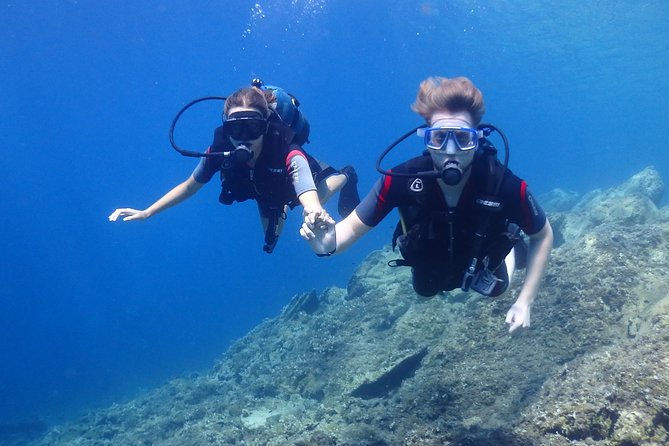
- PADI DSD in one afternoon: theory, shallow practice, then one supervised underwater session
- Shallow skills where you can stand: built for first-timers who feel uneasy at first
- Mooring-line descent: smoother down to the bottom starts around 25 feet
- Safety limits stay clear: max depth 40 feet, with air use guiding the timing
- Small-group feel: capped at 16 travelers so the instructor can stay close
- Included gear and bottled water: you show up, they fit you up
Costa Maya in One Half Day: The PADI DSD Flow
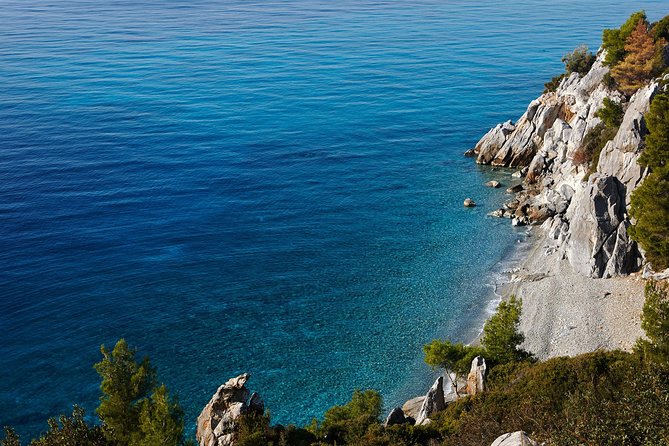
This is a classic beginner setup: learn the basics on land, practice in very manageable water, then do one guided underwater session. You’ll start with theory covering the physiology of scuba and a scuba unit overview, then move into confined water that’s shallow enough to stand in.
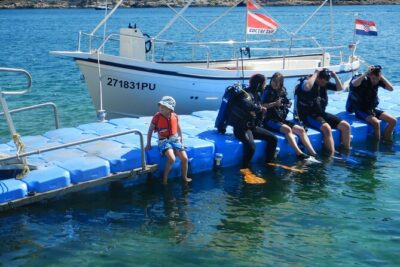
After the skills practice, you take about a 10-minute boat ride to a coral garden area. The goal isn’t to rush. It’s to help you get comfortable with breathing, buoyancy, and basic control—so you can actually enjoy the reef instead of thinking about what to do next.
Plan on roughly 3 hours 45 minutes total. Your underwater time typically averages about 43 minutes, but it will vary based on your air consumption and comfort level.
You can also read our reviews of more tours and experiences in Costa Maya.
Your First Skills Session: Shallow Water That Builds Real Confidence
The “confined water” part matters more than people expect. This is where you practice using the gear, breathing with the regulator, and handling the small stuff that can otherwise feel overwhelming once you’re off the bottom.
You’ll work in water shallow enough to stand, which means you can reset yourself fast if something feels off. That structure helps a lot if you’re anxious, new to pressure changes, or still learning how to move calmly while wearing the equipment.
If you’ve read about scuba and still feel nervous, don’t skip this. The best moments come when the instructor slows down, corrects a tiny gear issue, and then helps you try again. Several people highlighted that the staff stayed patient during moments like ear pressure trouble or initial panic, which is exactly what this stage is for.
The Mooring Line Descent and the 40-Foot Safety Limit
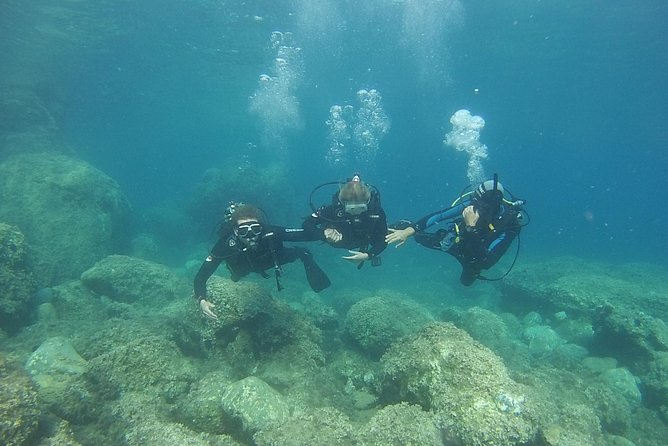
Once you’re ready for the open-water portion, the descent is planned for steadiness. You descend along the mooring line, and the bottom starts around 25 feet. The maximum depth is capped at 40 feet based on safety standards, so you’re not getting pushed deeper than the course is designed for.
Your time underwater is based on your air use. In plain terms: if you breathe efficiently and stay relaxed, you’ll likely get closer to the average time (around 43 minutes). If you’re tense, you might use air faster—and that’s not a failure. It’s just feedback, and the instructor can help you adjust.
This setup also keeps the experience predictable. You’re not guessing where you’ll end up. You can focus on buoyancy and looking around for marine life.
Coral Garden Encounters: Fish, Rays, and Reef Life
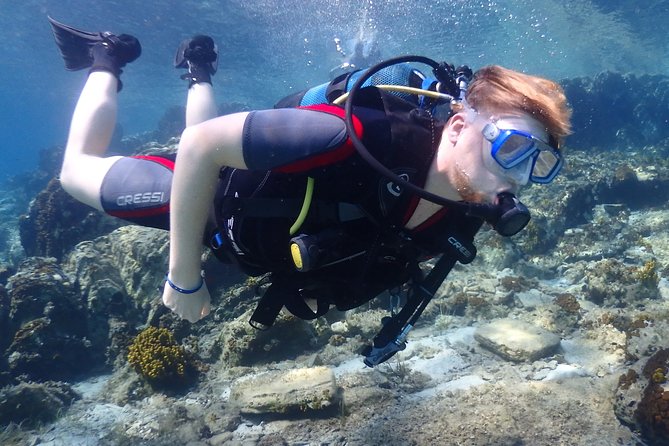
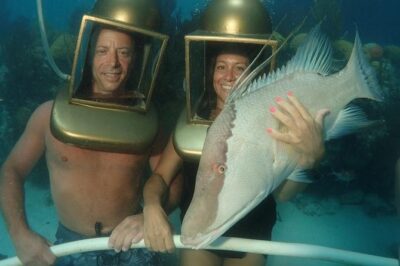
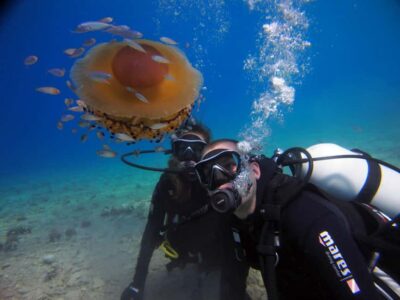
This course is centered on the coral garden area, and the point is to see the reef up close without needing scuba experience. The kind of life you might spot includes coral and schooling fish, and people also report stingrays and turtles.
You may see larger rays, too. One common theme from the underwater reports is lots of small fish and calm, clear water that makes it easier to look around and control your body position.
Some species vary by day and conditions. For example, manta rays are mentioned as possible in the area but not guaranteed. Plan for a good chance at coral-and-fish, and treat any larger animals as a bonus.
Practical tip: if you’re sensitive to getting stung or irritated, consider bringing bug spray for the beach area before you head out. That came up as useful for at least one visit.
Equipment, Water, and the Small-Group Advantage
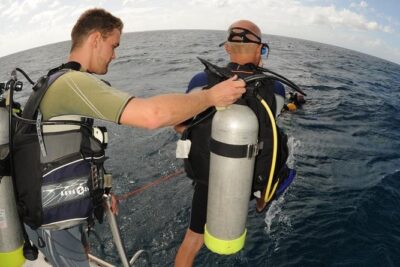
You don’t need to bring scuba gear. Equipment use is included, and bottled water is provided. That matters because it removes a big barrier for first-timers: finding the right fit and having someone check it before you go in.
The group size limit is also a real quality factor. With a maximum of 16 travelers, the instructors can spend more time with each person. In practice, people reported close supervision throughout the session, which is exactly what you want when you’re learning buoyancy and basic procedures.
One detail that makes a difference: the crew handles the gear coordination. Even if you’re comfortable with instructions, first-timers usually need help with setup and adjustments before you’re calm enough to enjoy the view.
Meet the Crew: Names People Remember and Why That Helps
In Costa Maya, you’re not just signing up for equipment—you’re buying how someone teaches you. Several guides are specifically named in the experiences you provided, and the consistent theme is patience and calm coaching.
You might meet instructors like Sebastian (often called Sea Bass), Brenda, Rodrigo, Gala, Lucia, or David, plus staff such as Jesse and Noah at the shop. The standout quality isn’t just friendliness. It’s staying close, explaining steps clearly, and giving targeted help when something goes wrong—like repeated ear pressure attempts or a mask/weight adjustment that needs fixing.
If you’re the type who worries in new situations, that teaching style is part of the value. It can turn an anxious first attempt into a smooth one where you actually explore the reef instead of focusing on fear.
Price and Logistics: What You’re Really Paying For
At $100 per person, the cost is mainly paying for instruction time, equipment, bottled water, and the guided underwater portion with safety controls. For many first-timers, that’s the real bargain: you get the full “try it” experience in a short window instead of spending weeks in a certification process.
The one extra cost to budget for is transportation. Taxi costs are listed as about $4 USD per person per ride, and solo travelers may pay around $8. If you’re starting from the cruise area, having cash ready helps avoid friction.
Also remember: this activity ends back at the meeting point (Huachinango, 77976 Q.R., Mexico). So you’re not stuck figuring out a ride home at the end when you’re tired and a little sun-kissed.
Weather and Sea Conditions: When Plans Get Adjusted
This experience requires good weather. When conditions aren’t right, you’ll be offered a different date or a full refund—so you’re not gambling your money on perfect ocean behavior.
Sea conditions can also affect how comfortable you feel on the boat ride and whether everyone completes the open-water portion. One experience notes rough waters made the boat ride more intimidating and led to a participant not finishing, while the crew stayed supportive and professional.
My advice: pick this for a day when you have flexibility. If you’re on a tight ship schedule, still book it—but keep a calm mindset and don’t assume every day will feel perfectly smooth.
Medical and Altitude Notes: Safety Checks That Actually Matter
Before you go, check the medical guidance carefully. If you have high blood pressure, angina, or take medication to control blood pressure, you should talk to your doctor. The same applies if you’ve had a collapsed lung (pneumothorax) or chest surgery, or if you have a history of seizures, blackouts, fainting, convulsions, or epilepsy (including medication to prevent them). Heart disease, a heart attack, heart surgery, or blood vessel surgery are also on the list to review with your doctor.
There’s also an altitude rule. After your underwater session, you need 12 hours before ascending to altitude above 300 meters (about 1,000 feet). If you’re flying or heading for higher elevations soon, plan your schedule around this.
Minimum age is 10 years old, and most travelers can participate—just make sure you’re honest about health and comfort before you commit.
Who Should Book This PADI DSD Course in Costa Maya
This fits best if you’re new to scuba and want a guided introduction without a long course. It’s also a strong choice for couples and small families, especially when one person is certified and another is not—because the course structure supports learning basics with coaching.
It can also be a good refresher if you haven’t been underwater in a while. One experience describes a setup that let a certified diver handle a different pacing while the non-certified partner completed the instruction portion.
If English is a challenge for you, it’s worth confirming you’ll be able to understand the instructor clearly during theory and skills. The experience is offered in English, but clear communication is important when you’re learning how to manage buoyancy and procedures.
Should You Book Mar Adentro’s Discover Scuba Trial?
Yes—if you want a structured, safety-led first scuba experience in Costa Maya. The biggest reasons to choose this are the small-group feel, the shallow skills practice that builds confidence, and the fact that equipment and bottled water are included in the price.
I’d book it when you can handle a bit of ocean reality (sometimes the sea is rough), and when you’re ready to focus on learning rather than just chasing deep-water thrills. If you’re looking for a calm first taste of the reef with close instruction, this is the kind of experience that makes people want to come back.
One last practical tip: wear or bring what you can tolerate in sun and wind, and consider bringing bug spray for the beach area before you head out. And if photography is offered during your session, ask what’s available so you can decide on the spot.
FAQ
What does the PADI DSD include?
You get use of scuba equipment and bottled water, plus the PADI-led instruction. The course includes theory, confined water skills training, and a guided underwater session.
How long is the Costa Maya PADI DSD experience?
It runs about 3 hours 45 minutes.
How deep will I go?
The maximum depth is 40 feet, and the bottom starts around 25 feet.
How long is the underwater portion?
Average underwater time is about 43 minutes, and it depends on how quickly you use air.
Is this for true beginners?
Yes. The experience is designed for people who want to try scuba without a lengthy certification course, with shallow-water practice where you can stand.
What age do you need to be?
Minimum age is 10 years old.
What if weather is poor?
This activity requires good weather. If it’s canceled due to poor weather, you’ll be offered a different date or a full refund.
Is there a rule about altitude after the session?
Yes. You need a 12-hour period between your underwater session and ascending to altitude above 300 meters (about 1,000 feet).