REVIEW · TENERIFE
PADI Discover Scuba Diving Course in Tenerife
Book on GetYourGuide →Operated by TRAVEL SUB DIVE CENTER · Bookable on GetYourGuide
First-timer and curious? This Puerto Colón water session makes it practical. You’ll learn the basics with a PADI instructor, ride out by speedboat, and get a guided look at marine life at a max depth of 12 m.
What I really like is the calm, safety-first teaching style. You get an e-learning link before you arrive, then a structured briefing and supervised skill work so you know what’s happening before you ever go to open water.
One thing to consider: this is a short intro experience, so seeing sea turtles isn’t guaranteed—and the Atlantic can feel cool even in Tenerife. Still, the wetsuit and pacing help a lot.
In This Review
- Key Points Before You Go
- Puerto Colón and Tenerife: Why This Intro Scuba Setup Works
- The 3-Hour Timeline: What You’ll Do (and Why Each Step Matters)
- Meet at Travel Sub’s reception
- Safety briefing (about 30 minutes)
- Confined water skill practice (shallow)
- Speedboat to the water-entry spot (about 15 minutes)
- Underwater session (up to 40 minutes, max 12 m)
- Return by speedboat (about 15 minutes) and back to the center
- What You Actually Learn: Skills, Safety, and Marine Etiquette
- How to use the equipment (without guessing)
- Buoyancy control, explained simply
- Essential safety procedures
- Respectful interaction with marine life
- Equipment Details and Comfort Tips (That Change the Whole Experience)
- Full kit is included
- The Atlantic can feel cool
- No glasses-in-mask option
- Photos or videos cost extra
- Certification: Discover Scuba Diver and What It Means
- Instructor Quality: The Calm Coaching That People Remember
- Who This Course Fits Best (and Who Should Skip It)
- Age and physical considerations
- Pairing with your group style
- Language support
- Price and Value: Is $129 Worth It in Tenerife?
- Booking Advice: Should You Sign Up for This Intro Course?
- FAQ
- How deep do you go on the PADI Discover Scuba program in Tenerife?
- What’s the total duration of the experience?
- What equipment is included?
- Are photos or videos included?
- Is a prescription mask with glasses allowed?
- What age is the course suitable for?
Key Points Before You Go
- Small group (max 4) means more attention and less waiting around
- E-learning before you arrive helps you walk in with the basics already in your head
- Up to 12 m max depth gives real underwater time without turning it into a full training program
- Full gear + insurance included lowers the “what do I need?” stress
- PADI-style safety checks keep the experience grounded, not hype-y
- No glasses in the mask requirement means you’ll want contacts or a plan
Puerto Colón and Tenerife: Why This Intro Scuba Setup Works
Tenerife is one of the best places to try scuba because the logistics are simple and the water conditions are usually friendly for beginners. Puerto Colón is built for this kind of activity: you meet in town, step onto a speedboat, and head to a nearby spot where you can focus on the lesson instead of a long transfer.
This course is also aimed at people who don’t want to start with a “theory binge.” You practice breathing and buoyancy concepts in a controlled setting first, then you move into a supervised underwater session. That flow matters. It turns scary moments into learnable moments.
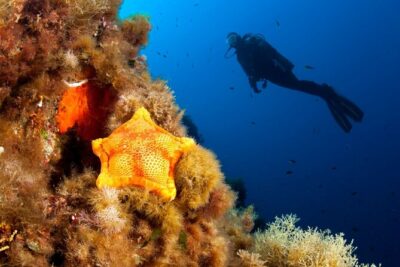
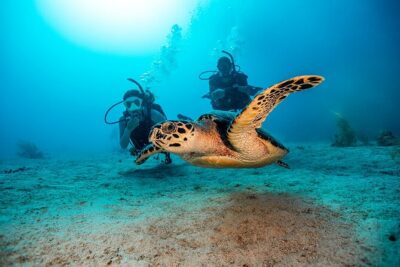
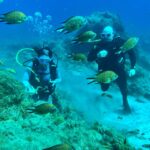
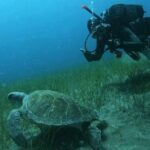
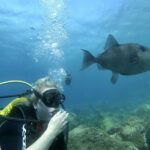
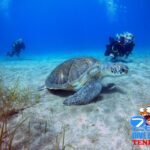
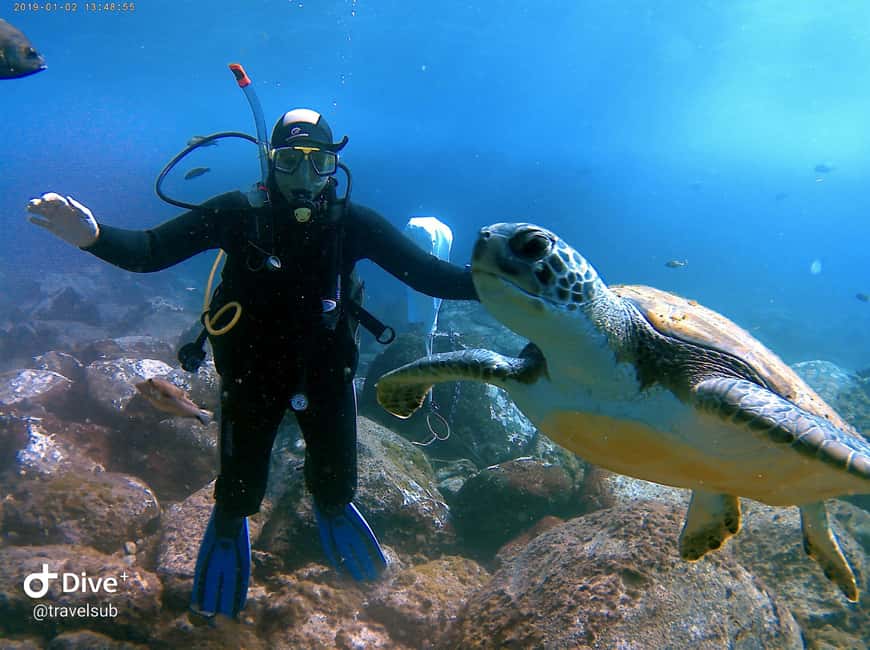
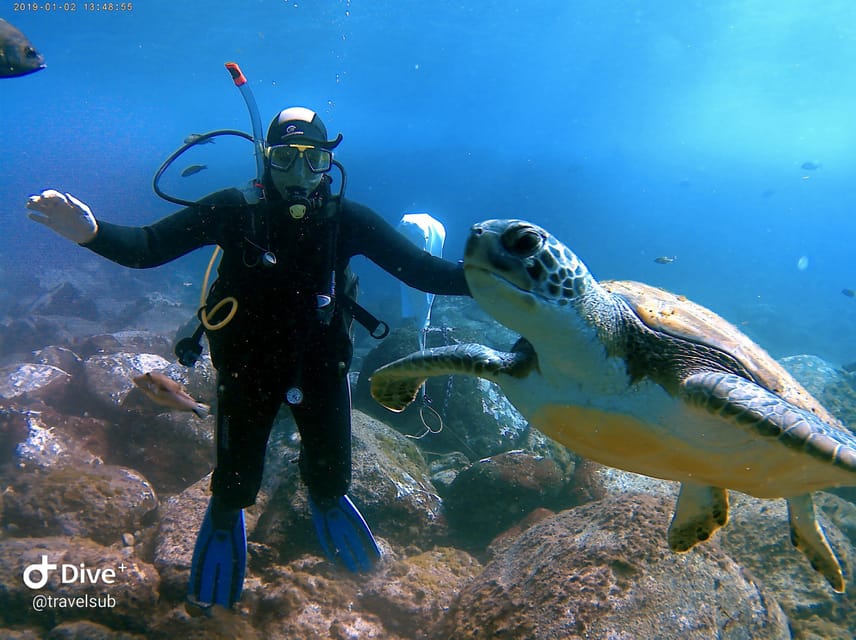
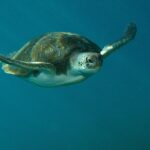
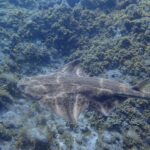
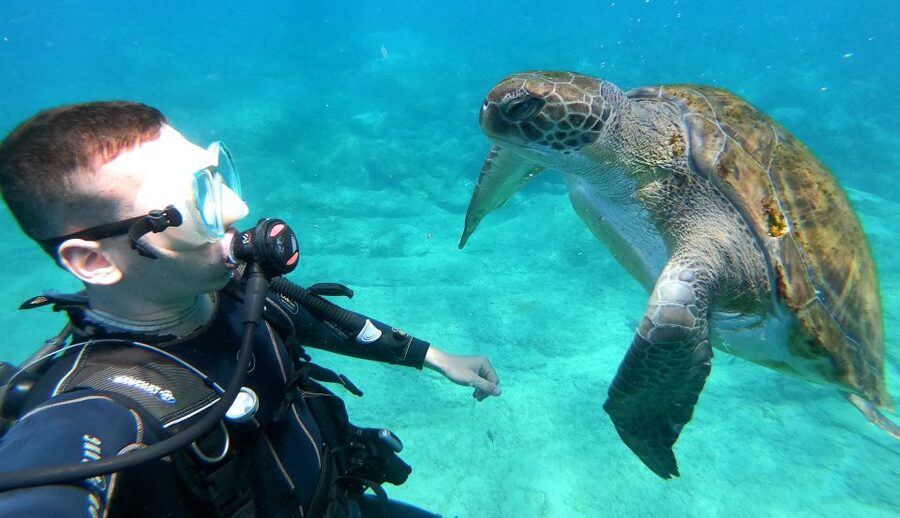
The marine life side is real value too. Colorful fish are part of the deal, and sea turtles are a possibility—some students have had that highlight during their experience. Just don’t book with the expectation of a guaranteed turtle sighting.
You can also read our reviews of more tours and experiences in Tenerife.
The 3-Hour Timeline: What You’ll Do (and Why Each Step Matters)
This is a tight, well-paced 3-hour experience. Here’s how the time typically shakes out and what each part is for.
Meet at Travel Sub’s reception
You meet at the reception of the operator at ESCUELA NAUTICA, in front of pier 5, in the private parking area in Puerto Colón. Go inside and check in first—this avoids the usual “where do we line up?” scramble.
Why it matters: being early helps you settle, get gear fit properly, and start the briefing calm.
Safety briefing (about 30 minutes)
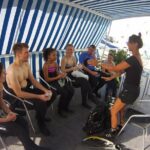
You’ll get a safety briefing before anything hits open water. This is where instructors cover the essentials: how to breathe from the tank, how to communicate and behave underwater, and what to do if something feels off.
This isn’t just paperwork. A strong briefing is what keeps the whole experience smooth, especially for first-timers who don’t yet know what they’ll feel in the water.
Confined water skill practice (shallow)
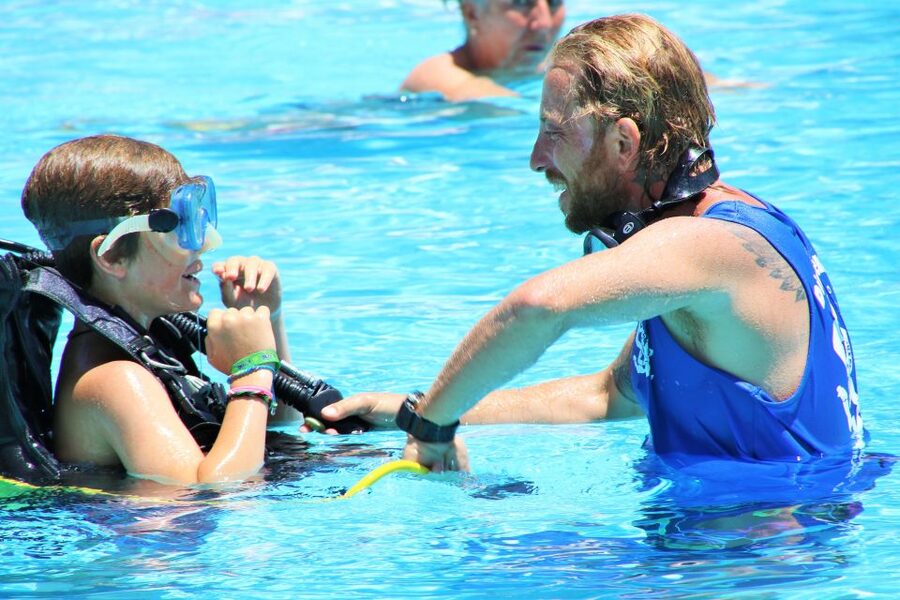
You’ll do shallow skill exercises first. Think basic equipment handling, comfort with breathing, and buoyancy control—so you aren’t figuring these out while also trying to look at fish.
Why it matters: if you’ve ever tried a new sport and felt lost, you know the difference between learning skills in a safe zone versus learning them while also managing the environment. This course does the safe-zone part first.
Speedboat to the water-entry spot (about 15 minutes)
Then you hop on a speedboat for roughly 15 minutes to reach the diving area. That boat ride is part of the fun and also part of how you get to better underwater conditions.
Practical note: the Atlantic can be cooler than you expect. Even with wetsuits provided, dressing smart for wind and sun on the boat helps.
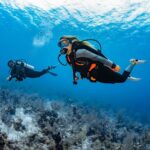
Underwater session (up to 40 minutes, max 12 m)
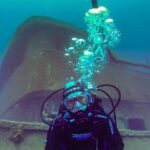
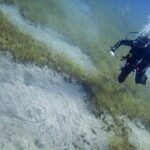
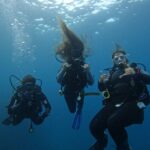
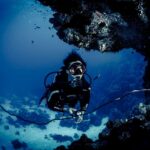
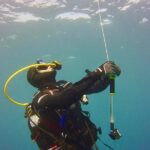
Your guided underwater time is up to 40 minutes, with a maximum depth of 12 meters. Your instructor stays close and leads you through how to move, control your breathing, and observe marine life respectfully.
This is the core “wow” moment. It’s also why this course is worth doing even if you’re not trying to become a long-term diver. You get a real taste of the underwater world with proper supervision.
Return by speedboat (about 15 minutes) and back to the center
You head back to Puerto Colón and return to the meeting point. You’ll have time to regroup, rinse off as needed, and swap stories—this is when the first-timer adrenaline wears off.
What You Actually Learn: Skills, Safety, and Marine Etiquette
The best intro scuba experiences teach you how to feel confident, not just how to perform tasks. This one aims for that through a mix of pre-course learning, instructor coaching, and step-by-step guidance underwater.
How to use the equipment (without guessing)
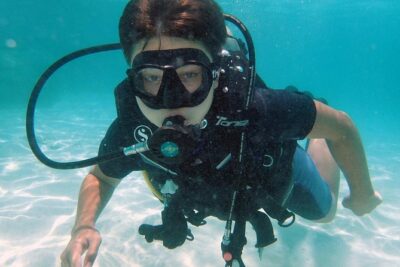
You’ll learn how to use diving equipment safely, including the basics of assembling and handling your gear. You also get full equipment included, so you aren’t trying to figure out sizing and setup on your own.
One practical comfort point: instructors help you choose the right equipment and adjust it so you don’t spend the lesson fighting straps or an uncomfortable mask fit.
Buoyancy control, explained simply
Buoyancy control is the skill that makes you feel in control underwater. You’ll practice the basics so you can move more steadily and avoid kicking up sediment or feeling panicked.
For first-timers, buoyancy is often the difference between feeling clumsy and feeling calm. The calmer you feel, the more you actually get to enjoy the underwater view.
Essential safety procedures
You’ll learn key safety procedures before the underwater session. This includes what to do if you have questions, how to follow the instructor’s guidance, and how to manage your breathing.
From what I’ve seen on this kind of course, instructors who stay relaxed make a huge difference. Students have specifically highlighted instructors who stayed calm and made them feel safe while teaching.
Respectful interaction with marine life
You also learn how to interact with marine life in a safe and respectful way. That means watching without chasing, staying aware of where you’re hovering, and keeping your movements gentle.
And yes—sea turtles can happen. Just remember: the course does not guarantee it.
Equipment Details and Comfort Tips (That Change the Whole Experience)
Everything that affects comfort matters more on a short course, because you don’t have time to “work through it.” Here’s how to set yourself up.
Full kit is included
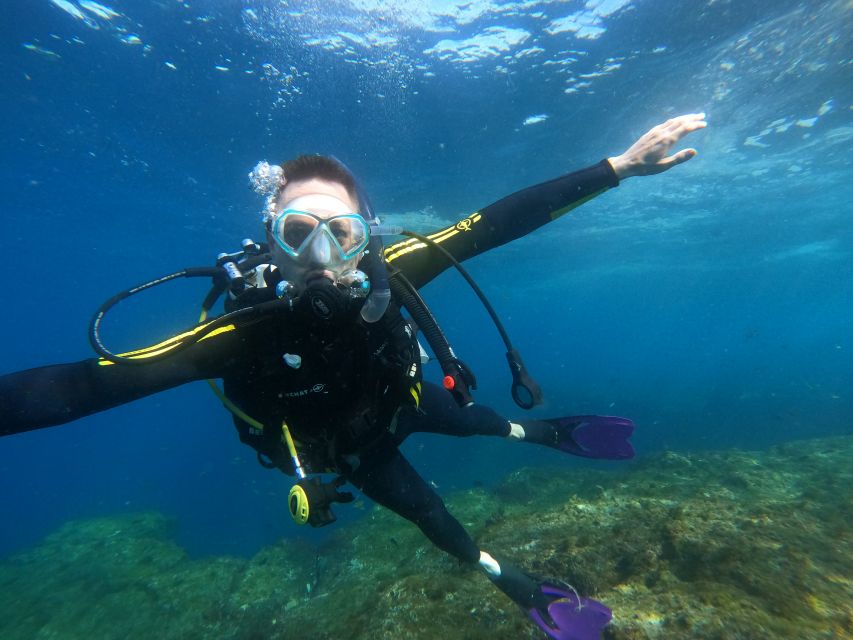
You’re provided a full kit of diving equipment, plus tanks. Insurance is included too, which helps take some of the worry off your plate.
That said, you still need to bring swimwear, a towel, and sunscreen.
The Atlantic can feel cool
Even with a wetsuit, the water can feel fresh because you’re in the Atlantic. This is normal, and it’s exactly why the wetsuit is part of what makes this beginner-friendly.
My advice: don’t show up dressed for the beach only. Bring something warm to put on after the session, especially if it’s windy.
No glasses-in-mask option
If you wear prescription glasses, you should plan for contacts or removing your glasses. It’s not possible to use the diving/snorkeling mask with glasses.
This is one of those “small detail” issues that can ruin a first-timer’s comfort. Take it seriously.
Photos or videos cost extra
Photos or videos are not included. Some students have opted for the extra photo/video add-on during or after the session, and it can be worth it if you want something to remember your first underwater experience. Price varies by what’s offered, so ask on the day.
Certification: Discover Scuba Diver and What It Means
At the end of the course, you’ll receive certification as a Discover Scuba Diver. You’ll also have online e-learning study materials and access to a PADI account as part of the program.
Why this matters: you’re not just doing a one-off thrill. You leave with recognized training completion that can make it easier to transition into further scuba education later.
This certificate is also a confidence builder. For many people, the hardest part isn’t the underwater world—it’s the fear of not knowing what you’re doing. The course is designed to eliminate that by teaching the basics in a controlled way first.
Instructor Quality: The Calm Coaching That People Remember
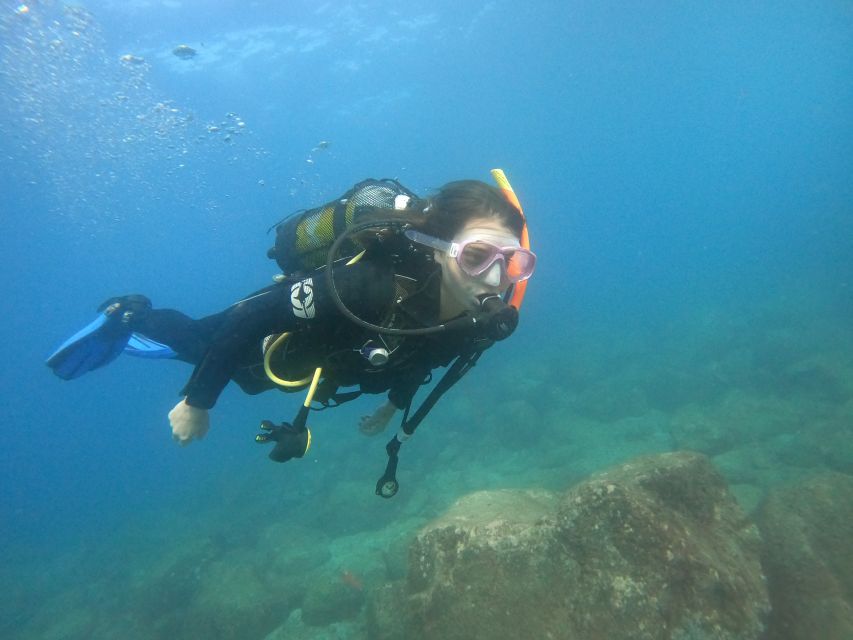
A huge part of why this course earns a high rating is the instructor approach. Students have called out traits like:
- patient, relaxed guidance
- instructors who check your health and comfort closely
- instructors who explain clearly and don’t rush you
- support even if you’re unsure about a step
You may meet instructors such as Max or Toby (names that have shown up in course experiences). The bigger point for you: look for instructors who keep things calm and make you feel safe. This course format supports that, especially with a small group size.
Also, don’t be shy about speaking up underwater. If you don’t understand something or you feel uncertain, the whole point of the instructor being there is to adjust and help you stay comfortable.
Who This Course Fits Best (and Who Should Skip It)
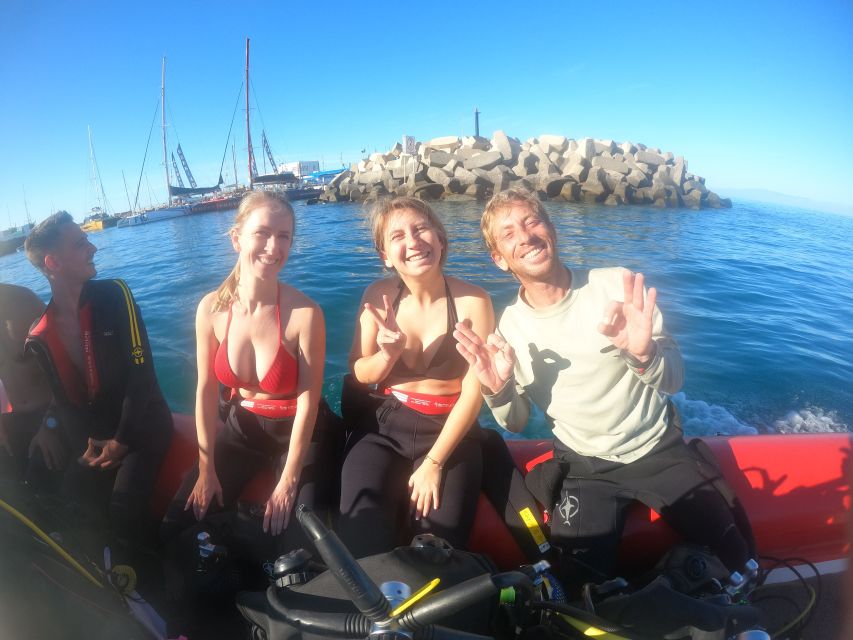
This experience is designed for beginners. It’s also family-friendly in a specific way.
Age and physical considerations
It’s suitable for children 10 and up. Wheelchair accessible is listed as a feature, and the small group format can help reduce overwhelm.
But it’s not for everyone. It’s not suitable for:
- pregnant women
- people with heart problems
- people with diabetes
- people with pre-existing medical conditions
If you fall into any of those categories, don’t treat this as a “might be fine” situation. Ask for medical guidance first.
Pairing with your group style
A max group of 4 participants means you’ll get more direct attention. If you’re a solo traveler, that’s a plus. If you’re traveling with a friend or family member, it can still feel personal because the instructor-to-student ratio stays strong.
Language support
Instructors can teach in English, Russian, French, Spanish, Italian, and Dutch. If you’re more comfortable in Dutch (or another language listed), this can make the briefing feel much less intimidating.
Price and Value: Is $129 Worth It in Tenerife?
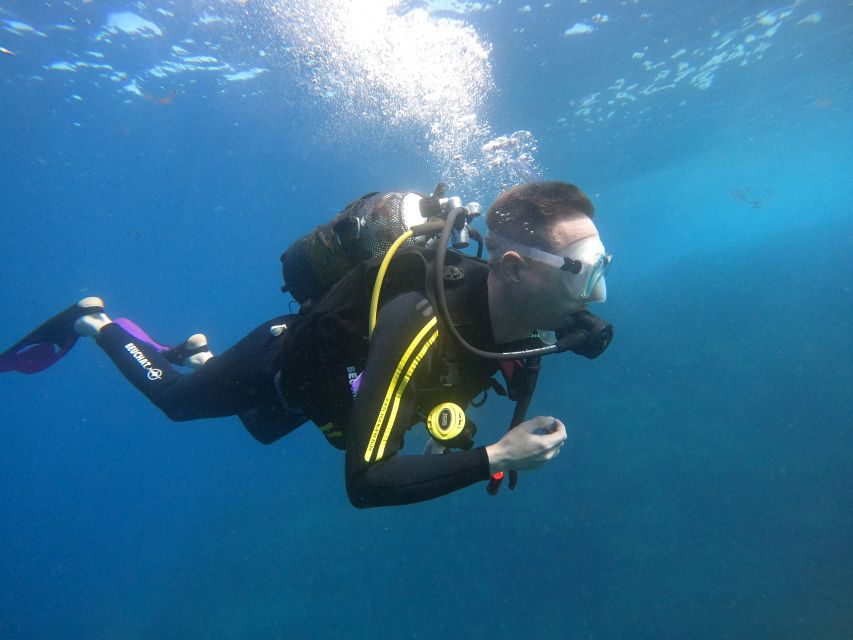
$129 per person for 3 hours sounds like a “try it once” price—and that’s exactly what this program is. But the value comes from what’s included.
Here’s what you get for that price:
- PADI instructor coaching
- full diving equipment (so you don’t rent or assemble gear yourself)
- e-learning materials + PADI account access
- boat ride to the water-entry spot
- confined water skill practice
- supervised underwater session up to 12 m
- full insurance
- water on the boat
- Discover Scuba Diver certification
When you add those pieces up, it’s not just a casual experience. It’s structured training, transport, equipment, supervision, and certification—bundled together.
What’s not included:
- photos/videos
- prescription diving mask
So, your real cost depends on whether you want the photo/video keepsakes and what eyewear solution you need.
If you want a first scuba experience where you learn the basics safely and still come away with a certificate, this price is pretty competitive for Tenerife.
Booking Advice: Should You Sign Up for This Intro Course?
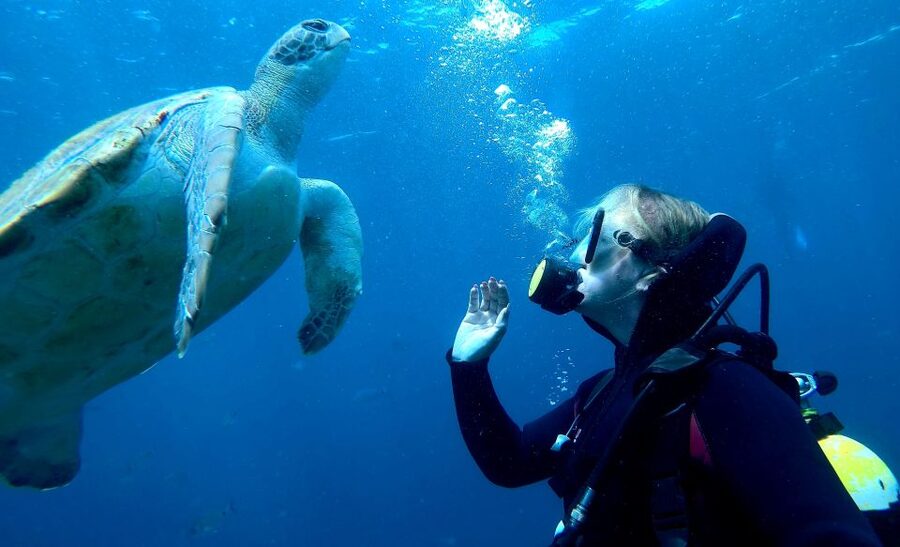
Yes—if you want a first scuba experience that’s beginner-led, instructor-focused, and short enough to fit a day in Tenerife.
Book it if:
- you want a structured introduction with safety briefing and shallow skill work first
- you like the idea of small group attention
- you want the PADI Discover Scuba Diver certification, not just a one-time outing
- you’re excited about seeing marine life in Puerto Colón
Skip it (or ask serious medical questions first) if:
- you’re in any medical category listed as not suitable (heart problems, diabetes, pre-existing conditions, pregnancy)
- you rely on glasses for underwater vision and don’t plan for contacts
One last practical tip: pack for comfort on the boat and cool water after. The experience is designed for beginners, but you’ll enjoy it more if you dress like you expect wind, splash, and a cool Atlantic swim.
FAQ
How deep do you go on the PADI Discover Scuba program in Tenerife?
The supervised underwater experience goes to a maximum depth of 12 meters.
What’s the total duration of the experience?
The course lasts about 3 hours total.
What equipment is included?
Full diving equipment is included, along with tanks. You’ll also have e-learning study materials online and access to a PADI account.
Are photos or videos included?
Photos or videos are not included.
Is a prescription mask with glasses allowed?
No. It’s not possible to use the mask with glasses. You’ll need contact lenses or remove your glasses.
What age is the course suitable for?
It’s suitable for children aged 10 and up. It’s not suitable for children under 10, and minors require adult supervision on the boat with the cost of the activity.