REVIEW · ROATAN
Open Water Scuba Course
Book on Viator →Operated by West Bay Divers · Bookable on Viator
Roatán’s reef is ready for your first certification. In West Bay, you’ll work through the PADI Open Water process and then spend time around a second-largest reef system. It’s a practical way to turn vacation time into a globally recognized scuba credential.
I like the hands-on training that moves from classroom review to controlled water skills, and I also like the small group size (max 4) that keeps your instructor right there when you need cues. You’ll see why the West Bay shop earns strong marks for organization and safety focus, with instructors like Takeshi, Abner, Mekala, Chiara Girardi, Arturo, and Mayghan Wilson showing up in real course experiences.
One possible drawback: you’ll need to plan for the online course work first, which takes about 6–8 hours. If your trip is tight on schedule, that prep time can feel like a second job.
In This Review
- Key points at a glance
- Why West Bay Beach is a smart start for your Open Water goal
- The 3-day flow: what you’ll actually experience from morning to check-out
- Online work first: the 6–8 hour prep that makes the water days smoother
- Classroom and skills review: where your instructor earns trust
- Shallow-water practice: the comfort builder you’ll be glad you had
- Four open-water sessions around West Bay: what you’re there to see
- Equipment included: fewer travel headaches and less last-minute stress
- Guides and the safety-first vibe you’ll want for learning
- Price and value: is $512.18 worth it?
- Getting there and what to expect on arrival
- Who should book this Open Water course in Roatán—and who should rethink it
- Should you book West Bay Divers for your PADI Open Water in West Bay?
- FAQ
- What certification do I earn on this course?
- How long does the online portion take?
- How many open-water sessions are included?
- What scuba equipment do I need to bring?
- Where is the meeting point, and what time does the course start?
- How long is the course overall?
- How big is the group?
- Who can participate?
- What is the cancellation policy?
Key points at a glance
- PADI Open Water certification accepted widely, with online coursework plus instructor guidance
- Classroom + shallow-water + open-water training, built for safe progression
- Four open-water sessions in Roatán’s West Bay area
- All scuba gear included, so you can travel lighter
- Maximum 4 travelers, which typically means more attention during skills practice
- Start time 8:30 am from West Bay Divers at Fosters WB Rd
Why West Bay Beach is a smart start for your Open Water goal
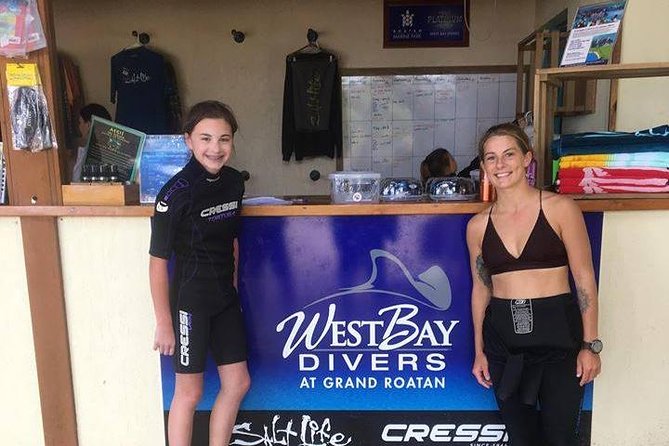
Roatán is the kind of place where the underwater world feels like part of the scenery. West Bay Beach is the hub area for a reason: it’s set up for easy logistics and frequent training, which matters when you’re learning something new and you want the schedule to stay calm.
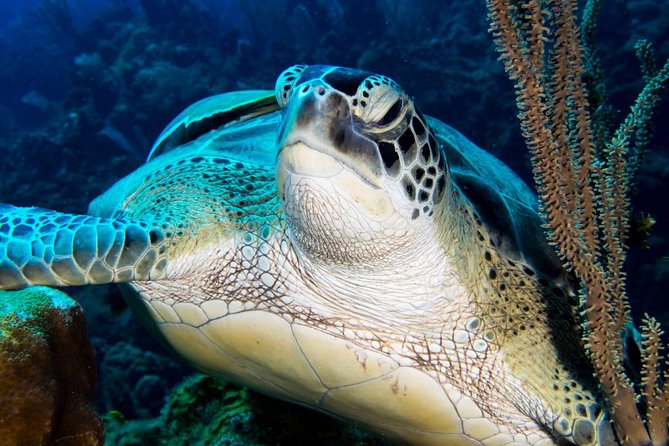
The big selling point here is the promise of seeing the second-largest reef in the world. That’s not just a marketing line. For new divers, a reef with lots of fish life and sea turtles does two things at once: it makes your learning feel rewarding, and it gives your instructor natural “teaching moments” while you’re working on control and awareness underwater.
I also like that the course is built around a progression, not a one-day try. You’re not just thrown in at the end. You’ll get classroom and skills time first, then you earn the chance to do the open-water portions with an instructor guiding the pace.
You can also read our reviews of more tours and experiences in Roatan.


The 3-day flow: what you’ll actually experience from morning to check-out
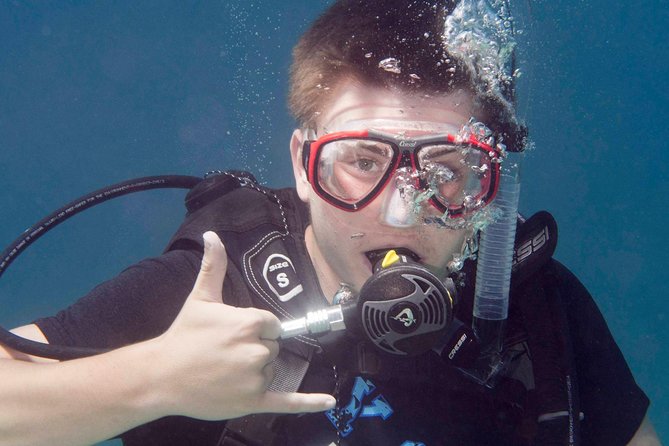
This is an approximately 3-day Open Water course. The structure is consistent with how PADI Open Water training is meant to work: you’ll complete online work, then review it with instructors, practice core skills in shallower water, and finally do the open-water sessions that lead to certification.
Even if the exact day-by-day timing can vary, you can think of it in three layers:
1) Course work + review
You’ll do your required course work online after signing up. Then, when you show up at West Bay Divers, you’ll get classroom-style instruction and review of what you already worked on online.
2) Shallow-water skills practice
This is where comfort gets built. You’ll practice the key skills in a controlled environment so you can focus on technique, calm breathing, and safe habits before you go deeper.
3) Four open-water sessions
Over the course days, you’ll complete four open-water dives—in other words, four training outings where you apply the skills for real underwater conditions, with your instructor monitoring everything.
It’s worth knowing the group stays small: up to 4 travelers. That matters because learning scuba isn’t like learning a bus route. You learn best when you can be corrected quickly, asked to repeat a skill, and reassured if you feel even a little unsure.
Online work first: the 6–8 hour prep that makes the water days smoother
You do the course work online, which is both a blessing and a time commitment. The upside is you can complete the theory wherever you’re staying, at your own pace. The course also means you won’t waste classroom time going through basics you haven’t already absorbed.
The downside is the clock. The online portion takes about 6–8 hours. If you’re arriving the day before the course starts, plan your evening carefully. If you’re traveling with limited internet access, be realistic about your ability to finish all the required work.
What I like about doing it this way is that the in-person portion becomes more about coaching and less about lectures. When you arrive, you can use the time for skill-building: practicing buoyancy basics, safety checks, and procedures that make you a confident diver later.
Also, once you sign up, the shop reaches out for extra information and helps you get set up with PADI so you can complete your online work. That handholding is important because it removes the guesswork.
Classroom and skills review: where your instructor earns trust
Once you’re at West Bay Divers in the morning (the start time is 8:30 am), the course shifts from self-study to instructor-led learning. You’ll do classroom instruction and review of your online work, then move into practicing skills in shallower water.
This is the stage where you should pay attention to how your instructor explains things. You’re not just learning steps; you’re building a mental checklist. The goal is that you can do safety procedures consistently, even if you’re excited or slightly nervous.
In real course experiences with this shop, people often highlight instructors like Mekala, Arturo, Abner, and Takeshi for being patient and organized. I’d treat that as a good sign for how feedback tends to be delivered: clear instructions, a focus on safety, and enough time to practice until it feels natural.
Shallow-water practice: the comfort builder you’ll be glad you had
The shallow-water portion is one of the most valuable parts of any Open Water course. It’s where you learn to control your breathing, manage your buoyancy, and get comfortable handling your gear underwater—without the pressure of being far from the surface.
If you’re starting from zero, this phase often decides whether the rest of the course feels smooth or stressful. You’ll practice until you can perform core tasks reliably, guided by your instructor. If you’re a returning diver after a long break, it still helps a lot. Skills tend to fade, but muscle memory comes back fast once you’re doing it in the right order.
Another benefit: shallow-water practice gives you a chance to ask questions. You can slow things down mentally and understand why each step matters for safety. That’s the difference between following instructions and truly learning.
Four open-water sessions around West Bay: what you’re there to see
The heart of the experience is four open-water sessions. This is where you apply what you practiced—skills, safety checks, communication, and buoyancy control—while seeing Roatán’s marine life in a real reef setting.
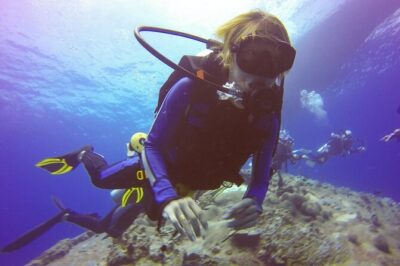
The course highlight is the chance to see plenty of fish life and turtles while learning to scuba safely with an instructor. For a first-timer, that’s the best kind of reward: you’re still learning, but the underwater world is doing its part to keep you engaged.
It also helps that the area is known for consistent training access. When a shop can run certification courses smoothly, it usually means their procedures are well set: timing, gear checks, and how the group is handled.
A small but practical tip: take your time with the pre-session routine. The better you are at doing your equipment and checks calmly, the more relaxed your actual underwater work will feel. New divers often get focused on what they see, and that’s great—just keep the safety habits locked in first.
Equipment included: fewer travel headaches and less last-minute stress
All scuba diving equipment is included. That’s a big value point because gear can be expensive to rent at the last minute, and traveling with it can eat up space in your luggage.
With equipment provided, you can also benefit from consistent gear sizing and setup. If the shop is organized, they’ll check that your kit fits and functions correctly before you go into training.
One more practical upside: included gear often means you spend your energy learning instead of negotiating rentals, searching for sizes, or guessing if your equipment is compatible with the course requirements.
Guides and the safety-first vibe you’ll want for learning
What stands out in the way this course gets described is the safety focus and the sense that the operation runs smoothly. In instructor-led training experiences with this shop, names like Takeshi, Abner, Joel, Hannah, Mayghan Wilson, and Chiara Girardi show up alongside comments about professionalism and careful oversight.
You might get a different instructor depending on your dates, but the pattern is consistent: training is organized, skills are practiced with time built in, and instructors are attentive in the water.
For you, the takeaway is simple: if you’re new, you want guidance that reduces guesswork. If you haven’t been in the water in years, you want reminders and patience—especially during skills. This course is designed around that kind of coaching.
Price and value: is $512.18 worth it?
At $512.18 per person for an approximately 3-day PADI Open Water course, the value comes from what’s bundled:
- PADI Open Water certification training structure
- classroom and shallow-water skills practice
- four open-water sessions
- all scuba equipment included
- instructor-led safety coaching
When you compare Open Water courses, a big question is what you’re paying for beyond “time in the water.” Here, you’re paying for the whole training package, including the equipment and the structured progression that leads to certification.
Also, the shop has maximum 4 travelers, which tends to justify a higher quality of instruction compared with big-group setups where your feedback might be slower.
One more value signal: bookings happen on average 26 days in advance. That suggests the course has consistent demand, likely because people trust the shop’s ability to teach.
If you’re trying to do certification while traveling, this kind of package is often cheaper than piecing it together yourself.
Getting there and what to expect on arrival
Your start point is West Bay Divers, Fosters WB Rd, West Bay, Bay Islands, Honduras, with an 8:30 am start. The activity ends back at the meeting point.
It’s also noted as near public transportation, so you’re not stuck if you’re not driving. Service animals are allowed, and most travelers can participate.
Because the group is capped at 4 travelers, arrive ready to start the day. Scuba training works best when everyone is on time and gear checks happen without rushing.
If you’re staying near West Bay, this tends to be a convenient area to base yourself for a short course. Roatán travel often includes moving around, so choosing a training location that’s easy to access helps keep your days sane.
Who should book this Open Water course in Roatán—and who should rethink it
This course is a great fit if:
- you want PADI Open Water certification while you’re in Roatán
- you prefer a structured progression (online theory, classroom review, shallow skills, then open-water sessions)
- you like small-group instruction (max 4)
- you want equipment handled for you
It may be less ideal if:
- your schedule can’t handle 6–8 hours of online course work before you start
- you want a purely spontaneous vacation with minimal planning
If you’re the type who likes to know your plan ahead of time, you’ll likely feel at home here.
Should you book West Bay Divers for your PADI Open Water in West Bay?
Yes, if you want a certification course that’s practical, safety-focused, and set up for new scuba learners in a location that makes the training feel worthwhile. The combination of PADI structure, equipment included, and four open-water sessions means you’re not just touring the reef—you’re earning a skillset.
I’d book especially if small-group attention matters to you. And if you’re worried about the theory part, remember the online work is a defined block (6–8 hours). Plan it once, then the rest of your trip can stay focused on skills and reef time.
If you’re short on time, your main decision factor is whether you can realistically complete the online portion before the course starts. If you can, this is a strong value path to get certified in Roatán.
FAQ
What certification do I earn on this course?
You’ll complete the PADI Open Water certification.
How long does the online portion take?
The online course work takes about 6–8 hours to complete.
How many open-water sessions are included?
The package includes four open-water dives/sessions as part of the Open Water course.
What scuba equipment do I need to bring?
All scuba diving equipment is included.
Where is the meeting point, and what time does the course start?
The meeting point is West Bay Divers, Fosters WB Rd, West Bay, Bay Islands, Honduras, and it starts at 8:30 am.
How long is the course overall?
The duration is 3 days (approx.).
How big is the group?
The maximum group size is 4 travelers.
Who can participate?
Most travelers can participate.
What is the cancellation policy?
Free cancellation is available. You can cancel up to 24 hours in advance of the experience start time for a full refund.