REVIEW · LA PALMA
La Palma: SSI Try Scuba Program
Book on GetYourGuide →Operated by Punkfish Diving La Palma · Bookable on GetYourGuide
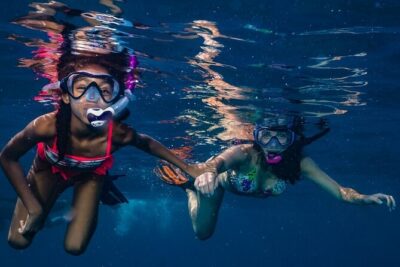
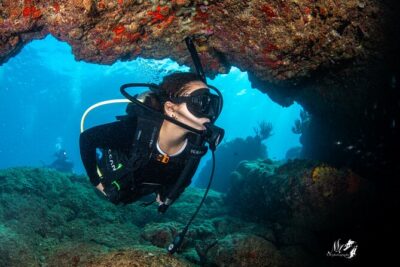
Scuba in La Palma feels real fast. The SSI Try Scuba program is built for first-timers, with equipment support, calm-water practice, and guided time in the protected bay. I love that you’re not thrown in cold—there’s a clear intro, then you ease into being comfortable underwater. A small group also helps you get personal attention.
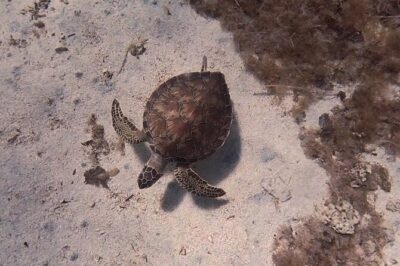
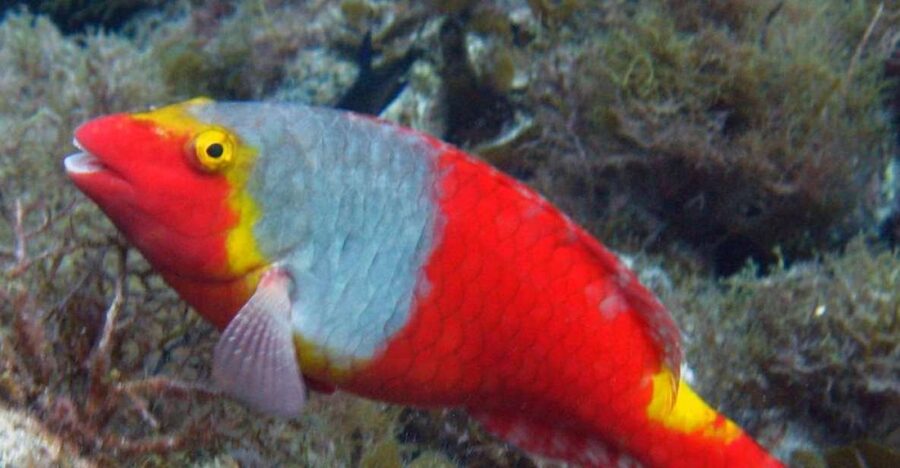
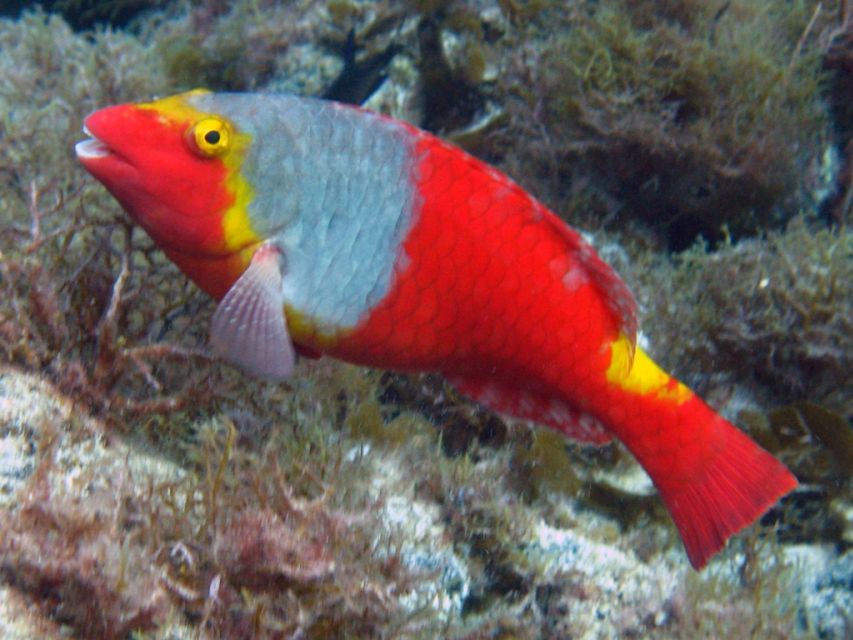
Second thing I like: the wildlife. You’ll get a guided look at sea life in the area, with chances to spot parrotfish, wrasse, scorpion fish, starfish, trumpet fish, octopi, and more. You’re not just watching from the surface—you’re learning how to move and observe at your own pace while the instructor keeps the experience smooth.
One drawback to plan for: this isn’t for non-swimmers or people with pre-existing medical conditions. Before you go in, you’ll fill out a medical self-evaluation, and if anything raises a concern, you’ll need a doctor’s fitness certificate.
In This Review
- Key things to know before you go
- La Palma SSI Try Scuba: what you’re really paying for
- Timing and meeting points that actually make sense
- Step 1 on land: gear, breathing, and confidence building
- Step 2 at the water: calm entry in a protected bay
- What you’ll see underwater in La Palma
- The instructor experience: clear support, not babysitting
- What’s included (and what you must bring)
- Who this is best for (and who should skip it)
- Weather reality on La Palma
- Value check: is $88 a good deal?
- Small group up to 4: why that matters more than you think
- Practical tips to make the session smoother
- Should you book La Palma SSI Try Scuba?
- FAQ
- How long is the La Palma SSI Try Scuba program?
- Where do we meet for the tour?
- What does the price include?
- Do I need prior scuba experience?
- What should I bring?
- Is there a minimum age?
- What happens if I have a medical condition?
Key things to know before you go
- Small group of up to 4 means more attention and less waiting around.
- Dry-land intro first, so you understand your gear before you hit the water.
- Calm-water start in a protected bay helps you build confidence quickly.
- Guided wildlife time gives you a reason to slow down and actually look.
- Instructor support in German, English, or Spanish keeps communication clear.
- Complete equipment is included, so you can travel lighter.
La Palma SSI Try Scuba: what you’re really paying for
At $88 per person for a 3-hour SSI Try Scuba session, you’re not buying a long adventure. You’re buying the best part of scuba: the first contact that teaches you how it all works without turning it into a stress test.
Here’s what makes the price feel fair. The program includes complete equipment, an instructor-led introduction, and a supported sea session. For many people, the biggest cost in a first scuba experience isn’t the ticket—it’s the rental hassle and the uncertainty about whether you’ll feel comfortable. This format removes both. You show up, you’re guided through the basics, and you get underwater time in calm conditions.
Also, the group limit to 4 participants is a quiet but huge value point. With fewer people, you’ll spend less time standing around and more time learning, breathing, and asking questions in plain language.
You can also read our reviews of more tours and experiences in La Palma.
Timing and meeting points that actually make sense
You’ll have two common start options. The 10:00 tour meets at the scuba center. The 13:00 tour meets at the beach. That difference matters because it changes how much time you’ll spend transferring and gearing up.
In practical terms: if you start at 10:00, you likely get more time in a controlled setup at the center—helpful if you’re nervous. If you start at 13:00, expect the day to be more beach-forward, with your setup and first briefing happening right where the water is.
Duration is 3 hours. That’s enough time for the sequence the program is built on: gear understanding on land, then a calm-water entry with a couple of confidence-building exercises, then time in the protected bay to explore sea life.
Step 1 on land: gear, breathing, and confidence building
Before you even go in the water, you’ll go through a full scuba introduction with the instructor. You’ll learn what you need to know underwater and how your equipment works. That’s the part many first-timers skip when they just want to “get to the fish.” Here, you get the practical basics first.
You’ll also do a dry-land portion. That matters more than it sounds. When you’ve practiced the feel of the gear while you’re still standing, the first underwater moment is less about panic and more about focus. You’ll also have time to get your questions answered before everything changes with water pressure and breathing.
Your medical self-evaluation is also part of the real-world process. Every participant has to fill it out before diving goes forward. If anything flags a concern, you’ll need a certificate of fitness from your physician. It’s not paperwork for the sake of paperwork—it’s how the program keeps the activity safe for beginners.
Step 2 at the water: calm entry in a protected bay
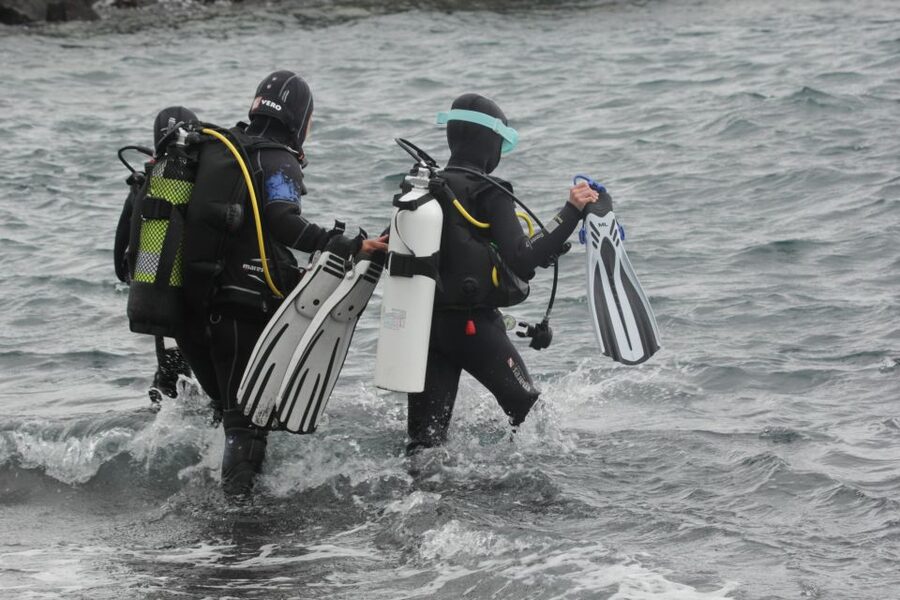
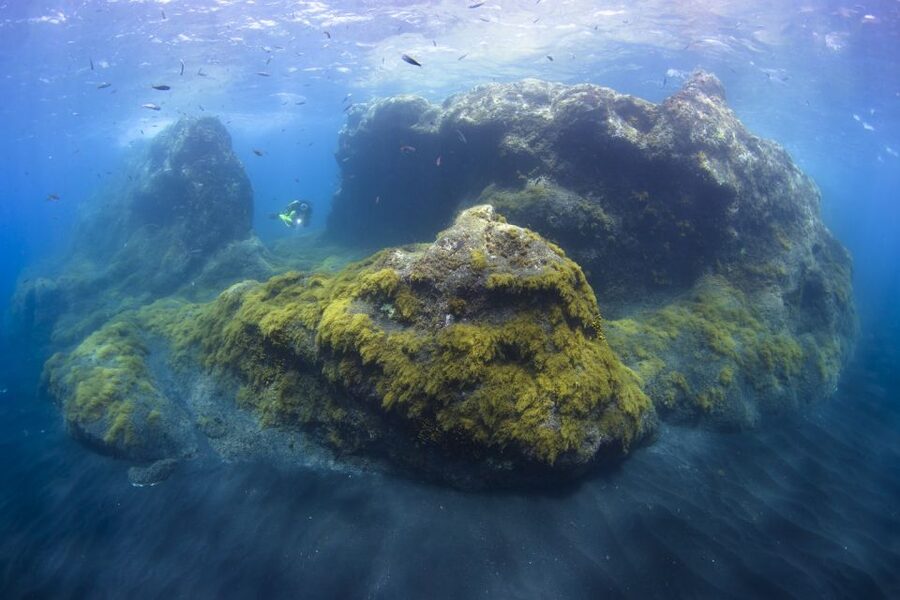
Once you’re at the beach, you head into the water in a protected bay. The key detail here is the order. The underwater session begins in calm water, so you have enough time to adjust.
That first phase is where most beginners can feel the difference between a chaotic experience and a guided one. You’ll do a couple of exercises designed to help you feel secure. The goal is not showmanship. It’s to help you build comfort with controlled breathing and basic movements while the instructor monitors you.
Then you move into the underwater exploration part. And because the setting is protected, you can spend more mental energy on what you actually came for: looking.
What you’ll see underwater in La Palma
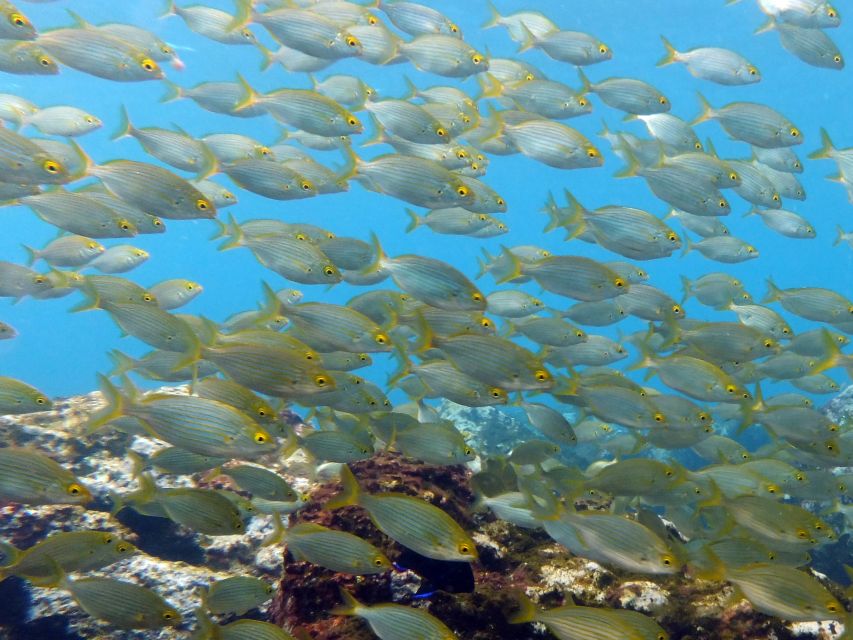
This is one of the strongest parts of the program. You’re not doing a generic “see something, swim around a bit” session. You’re learning how to observe sea life while you’re supported.
Expect a guided look at animals such as:
- parrotfish
- wrasse
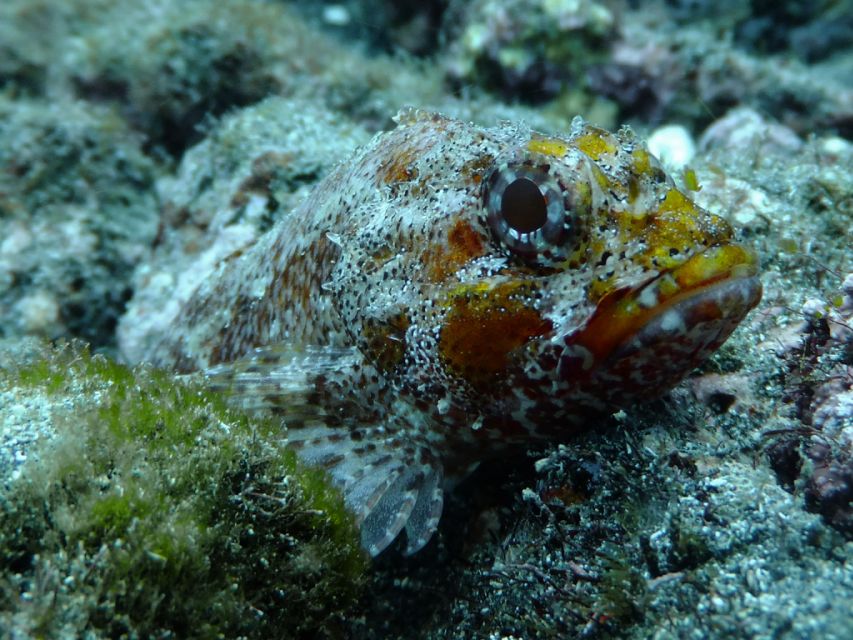
- scorpion fish
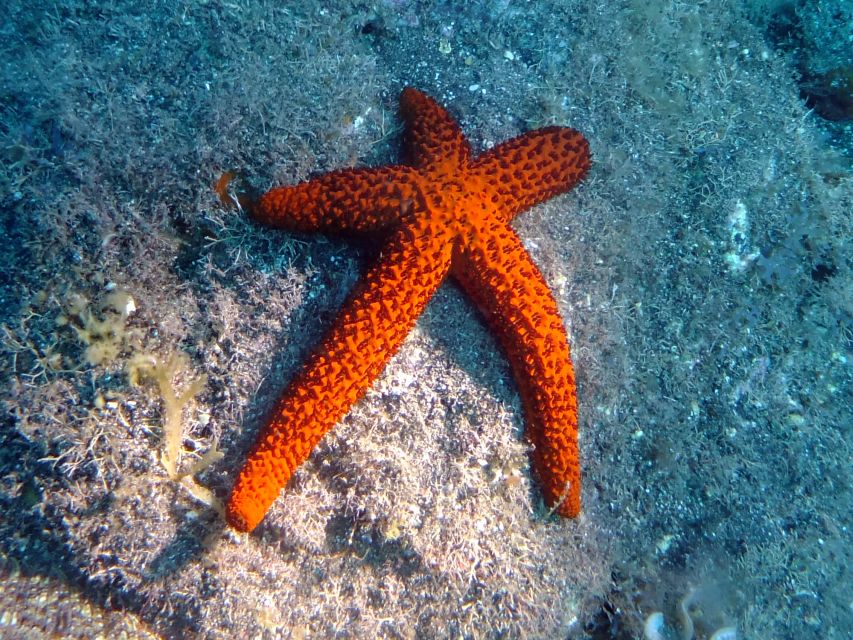
- starfish
- trumpet fish
- octopi (octopus)
- and other sea creatures in the area
From an experience standpoint, those aren’t just species names. They’re clues to the type of underwater “feel” you’re likely to get—colorful fish activity, slow-moving animals you can spot if you learn how to control your position, and plenty of moments where you can stop and really watch.
One more thing that makes this feel special: the instructor doesn’t just lead and point. You’re taught, then you’re guided to take control of your own experience at a comfortable level. That approach helps beginners relax into the session, which usually leads to better looking and calmer breathing.
The instructor experience: clear support, not babysitting
You’ll be working with a professional instructor who can guide you in German, English, or Spanish. Clear communication is a big deal for first-timers. When you understand what’s happening, the water feels less unpredictable.
What stands out is the tone of support—explained process, reassurance, and flexibility. Even when you’re new, the instructor’s job is to help you feel confident enough to participate, not just follow commands.
Also, the small group size (up to 4) means the instructor can watch more closely. That’s helpful when you’re still learning how your body and gear behave underwater.
What’s included (and what you must bring)
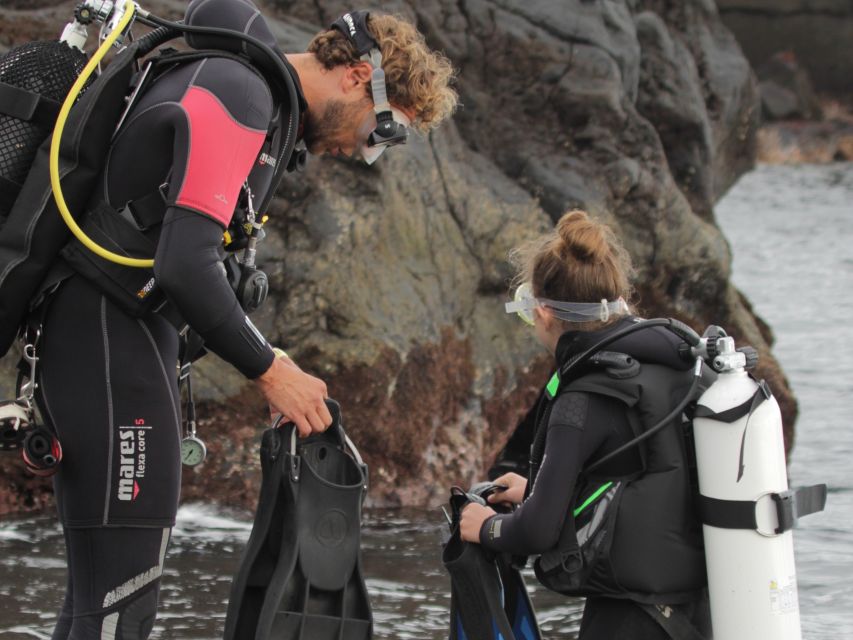
Included:
- complete dive equipment
- full introduction
- instructor-supported sea session
Not included:
- transfers to and from the center
- food and drinks
What to bring:
- swimwear
That’s it for the list. No need to guess at gear. In your planning, I’d also consider bringing a towel and any basic beach essentials you like to have, but those aren’t listed as included—so keep your packing realistic.
Who this is best for (and who should skip it)
This program is designed for people who want to try scuba without prior experience. No previous scuba knowledge is required. That’s perfect if you’re curious but cautious, or if you’re traveling with family members who want an underwater experience without jumping straight into a certification course.
Minimum age is 10. The program is described as suitable for a whole family in the sense that families with kids who meet the age requirement can participate together—though you still need to meet the swim and medical requirements.
It is not suitable for:
- children under 10
- people with pre-existing medical conditions
- non-swimmers
If you’re unsure about medical eligibility, don’t guess. Plan for the medical self-evaluation step and be ready for a doctor’s certificate if the program requests it.
Weather reality on La Palma
If weather turns rough, you’ll be contacted by the local operator to rearrange your experience. That’s important because sea conditions can change quickly, and the program is built around calm-water practice first. If conditions aren’t right, they’ll adjust rather than rush you into an unsafe situation.
Value check: is $88 a good deal?
For $88 per person, you’re getting:
- a structured SSI Try Scuba intro
- complete equipment
- instructor guidance
- a 3-hour supported sea experience
The value comes from the combination: equipment + instruction + actual underwater time. Many first-timer experiences end up being expensive because you pay for gear separately and still end up unsure about how comfortable you’ll be.
Here, you can show up with swimwear and follow a guided process. If you’ve ever wasted money on “easy to book” activities that weren’t actually beginner-friendly, this feels like the opposite. It’s designed to teach comfort first, then curiosity.
Small group up to 4: why that matters more than you think
A group limited to 4 participants isn’t just a comfort detail. It changes the whole learning experience.
With fewer people:
- the instructor can explain and correct faster
- you’re less rushed between steps
- you spend more time getting comfortable and less time waiting
- you can keep questions coming
For first-timers, that means less stress and more confidence. For returning divers, it can still be enjoyable because the session stays focused and personal.
Practical tips to make the session smoother
A few straightforward choices will help you get more from the 3 hours:
- Arrive with swimwear ready so you can move quickly into the intro portion.
- If you’re nervous, tell the instructor early. The program is structured for calm learning.
- Bring a calm mindset for the first underwater moments. The exercises are there for a reason.
- If you have any health concerns, don’t ignore the medical self-evaluation step—get clarity early.
Also, plan to handle meals and drinks on your own since food and drinks are not included. A short scuba session is easier to enjoy when you’re not starving or thirsty.
Should you book La Palma SSI Try Scuba?
Book it if you want a beginner-friendly scuba experience that emphasizes comfort, clear instruction, and guided time with real sea life. The calm-water start in a protected bay is a smart way to reduce stress, and the small group size is a strong signal that you’ll get attention when you need it.
Skip it if you don’t meet the requirements—especially if you’re not a swimmer or if you have medical concerns that could affect participation. And if you’re looking for a long, certification-style program, this is not that. This is a first-scuba taste with a proper intro and a supported underwater session.
If your goal is to try scuba in a structured way in La Palma, with equipment handled and confidence built step-by-step, this program is a solid pick.
FAQ
How long is the La Palma SSI Try Scuba program?
It lasts 3 hours.
Where do we meet for the tour?
The 10:00 tour meets at the scuba center. For the 13:00 tour, you meet at the beach.
What does the price include?
The price includes complete dive equipment, an introduction, and an instructor-supported sea trip.
Do I need prior scuba experience?
No prior diving knowledge is required.
What should I bring?
You only need swimwear.
Is there a minimum age?
Yes. The minimum age is 10 years.
What happens if I have a medical condition?
Before diving, you must fill out a self-evaluation of your medical condition. If a problem arises, you’ll need a certificate of fitness from your physician.