REVIEW · TENERIFE
Gran Canaria Scuba Diving for Certified Divers
Book on GetYourGuide →Operated by Zeusteam SLU · Bookable on GetYourGuide
This part of the Canary Islands makes underwater time feel easy. You get guided scuba sessions around Gran Canaria, with wrecks, reefs, swimthroughs, and volcanic rock formations planned around your level. I like that the team keeps the groups small and the instruction hands-on, so you can focus on the water instead of the logistics.
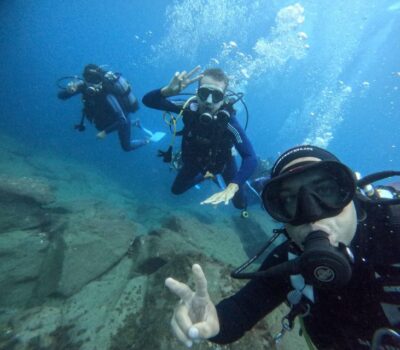
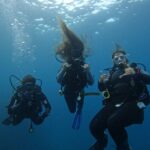
Two things I’d especially watch for: the small groups (max 6) and the emphasis on experienced safety coaching. Your guide is in the water with you, so you get clear direction on where to look, how to move, and how to stay comfortable even when conditions change.
One consideration: some shore entries involve a long walk down and up steep slopes and steps while carrying heavy gear. If you’re not great with stairs-and-weight, plan your stamina carefully.
In This Review
- Key highlights worth centering your day on
- Gran Canaria’s underwater variety for certified scuba
- How the 6-hour schedule stays focused on two main shore sessions
- What you’ll see: wrecks, reefs, swimthroughs, and volcanic rock
- Boat outings: when they fit and when you shouldn’t count on them
- Safety and gear: what’s included, what’s mandatory, and what you should bring
- Small-group coaching and why it helps your buoyancy (and your mood)
- Getting to the water: steep shore access and how to prepare
- Who should book, and who should skip this day
- Price and value: is $141 a fair deal?
- Should you book Gran Canaria shore-and-boat scuba sessions?
- FAQ
- FAQ
- What’s the duration of the experience?
- Is this experience for certified scuba only?
- How big is the group?
- Do you include equipment, or do I need to bring my own?
- Are boat outings included?
- What insurance is included in the price?
- Where do pickups happen?
- What should I bring with me?
- What happens if weather changes?
Key highlights worth centering your day on
- Small group limit (6 people) so you actually get attention and a smoother pace underwater
- Two shore-based scuba sessions included plus the option to add boat outings for an extra charge
- Fifteen-plus underwater sites across the island (south/east/west and northwest) chosen based on weather and skill
- Safety-first setup: your guide runs the show with experienced supervision and mandatory equipment
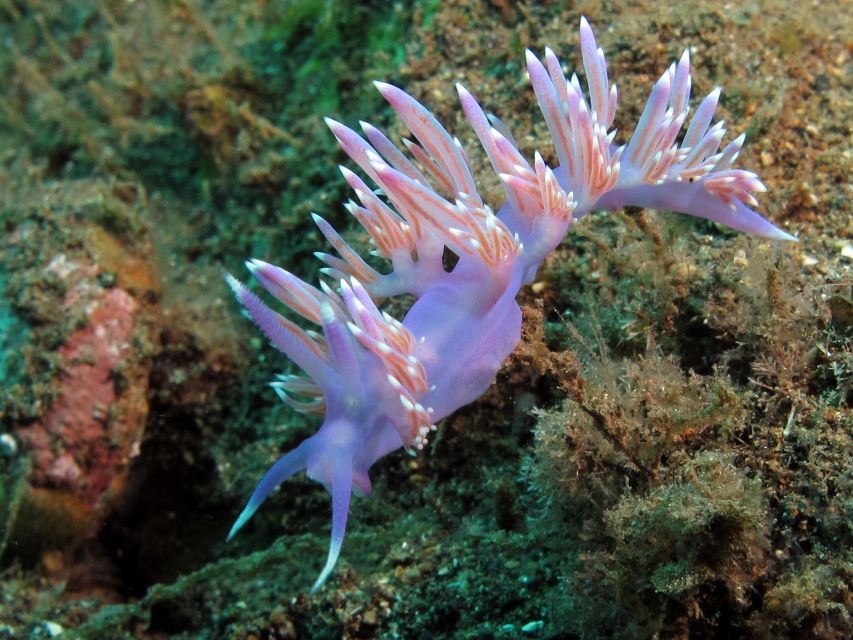
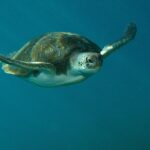
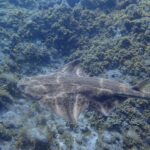
- Wildlife you can realistically plan around: big fish schools, rays, seahorses, and even the chance of angelsharks
Gran Canaria’s underwater variety for certified scuba
Gran Canaria is a smart place to do guided underwater work because the sites are spread around the island. You’re not stuck with one predictable stretch of coast. Instead, you can expect options across the south, east, west, and northwest, which matters because conditions and visibility can vary a lot by location.
What I like is the mix of “type of underwater scenery,” not just one theme. You’ll be set up for wrecks, reefs, swimthroughs, and volcanic rock formations. Even if you’ve been underwater before, that variety helps keep the day interesting and gives you more ways to spot unusual life.
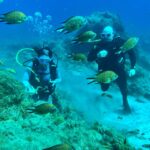
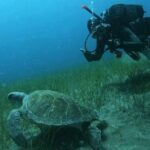
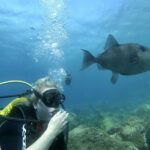
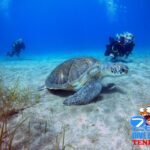
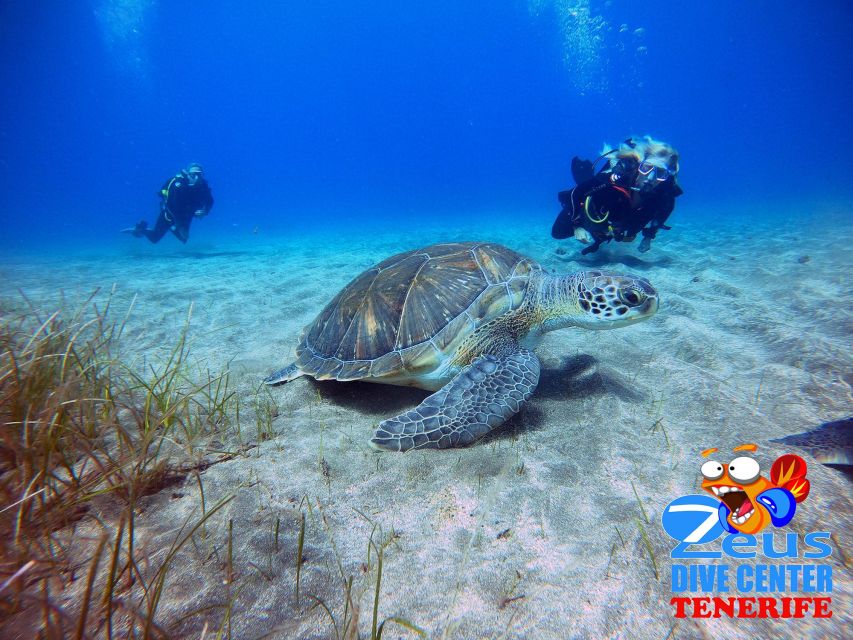
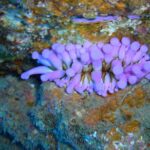
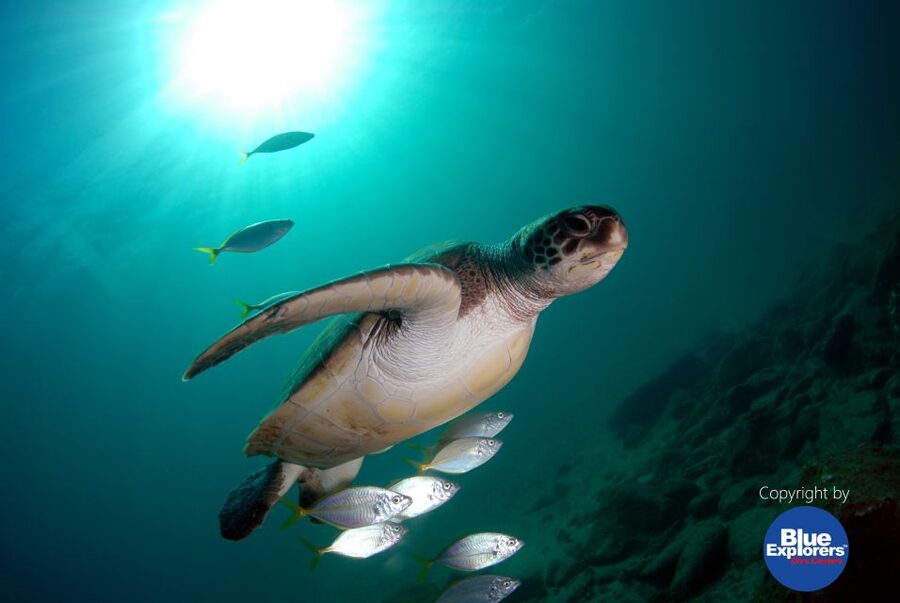
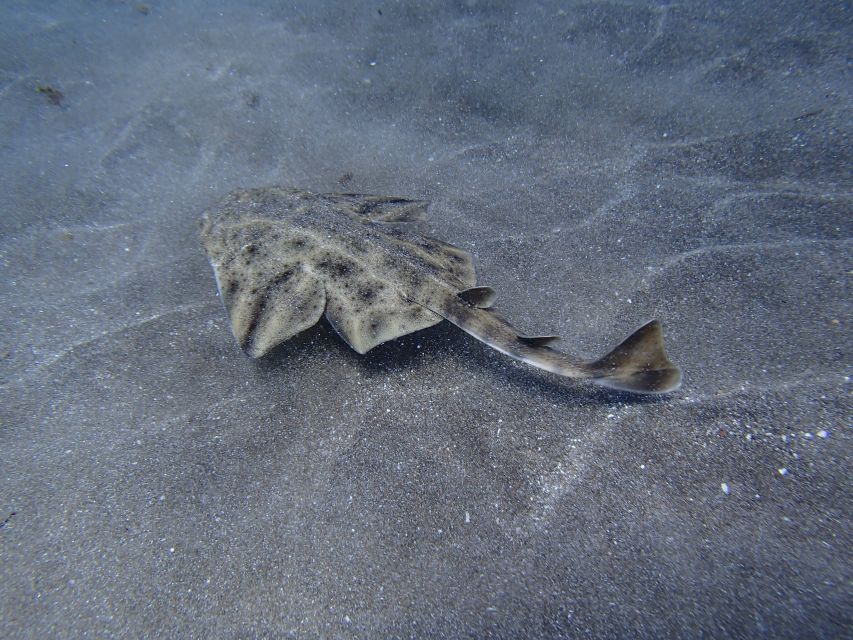
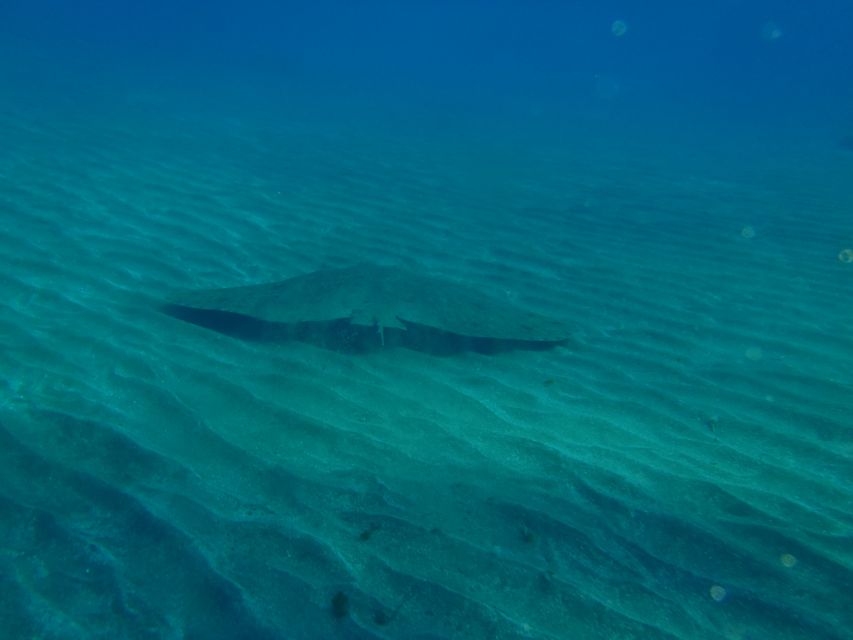
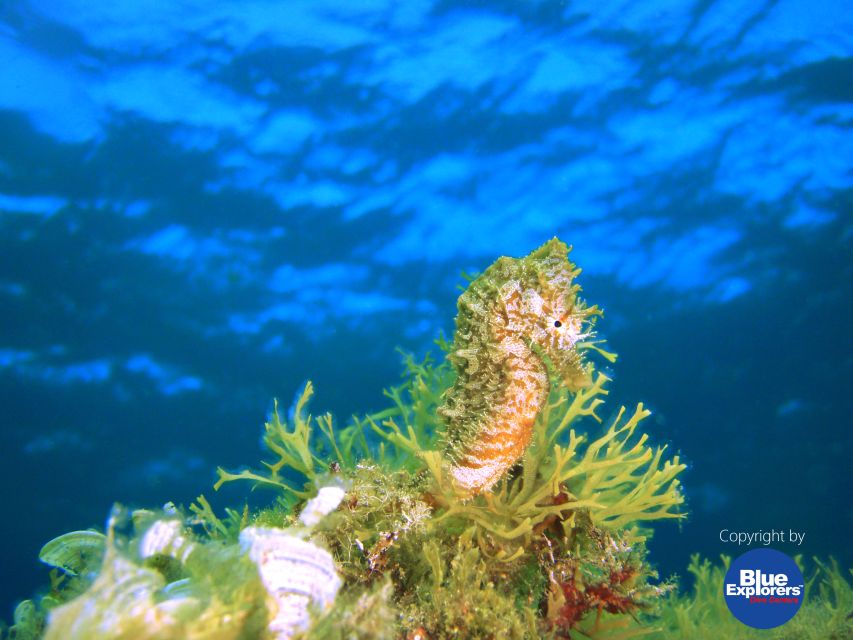
The underwater life list is also practical, not just marketing fluff. The plan includes chances to see big fish schools, and species like seahorses, rays, and angelsharks. You might also run into red gorgons, colorful anemones, cuttlefish, octopuses, and more.
You can also read our reviews of more tours and experiences in Tenerife.
How the 6-hour schedule stays focused on two main shore sessions
This is a 6-hour day built around two main shore-based underwater outings. You’ll do those sessions with about a 1-hour surface interval in between. That structure is useful because it gives you time to regroup, change if you need to, and reset before the second site.
Shore-based days also tend to be more predictable than boat-only days. You’re not constantly waiting on schedules offshore. Instead, the team can aim for sites that fit your experience and the day’s conditions, including rocky entries and different seabed styles.
Included in the experience is transfer to the underwater sites and transport to and from your accommodation on the south coast, specifically Bahia Feliz to Meloneras. That’s a real convenience if you don’t want to spend your holiday time figuring out local routes.
What you’ll see: wrecks, reefs, swimthroughs, and volcanic rock
The underwater “menu” here is intentionally broad. Expect to rotate through different site styles so you’re not doing the same pattern twice.
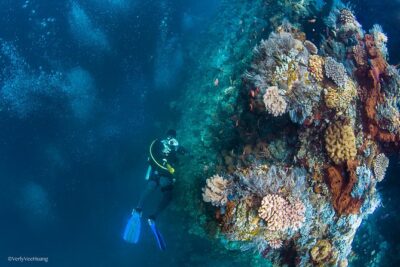
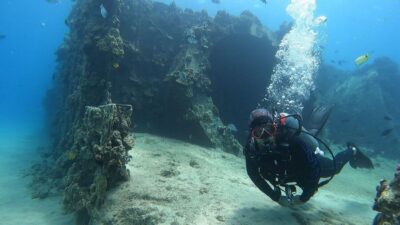
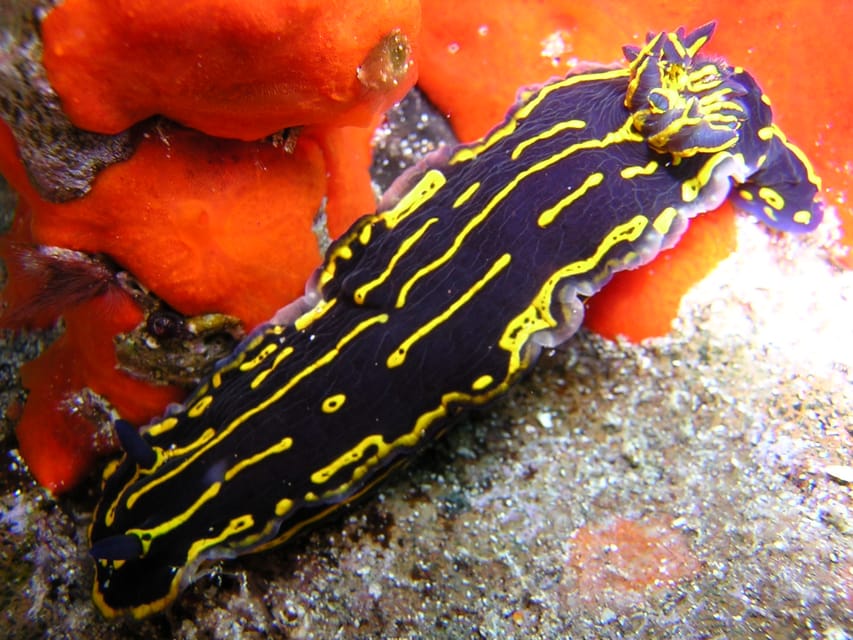
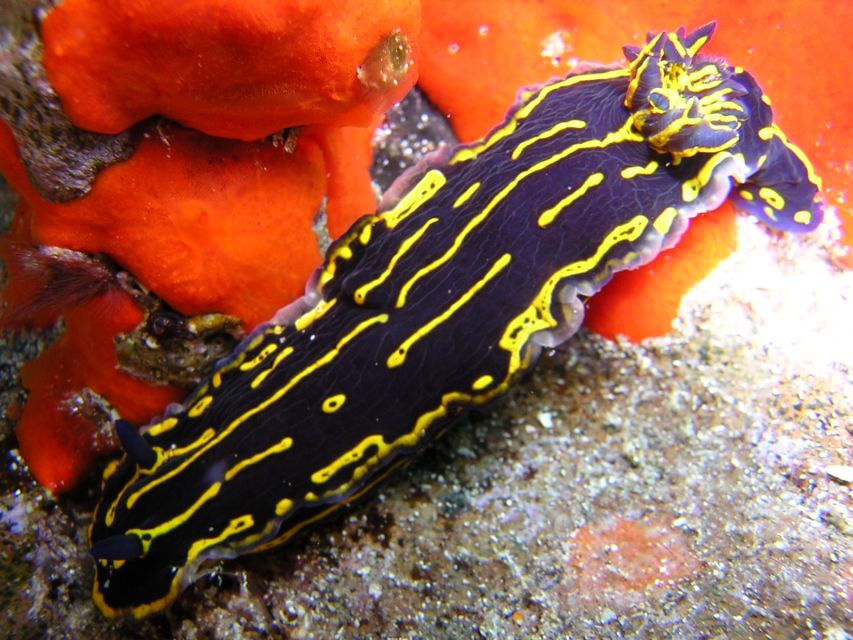
Wrecks can offer structure and cover, especially if you like seeing how life clusters around man-made shapes. Reefs and rocky formations tend to be where you’ll notice smaller, detail-loving creatures, like nudibranchs and anemones. Swimthroughs are often the best choice if you like moving through gaps and tunnels while keeping good control of your buoyancy.
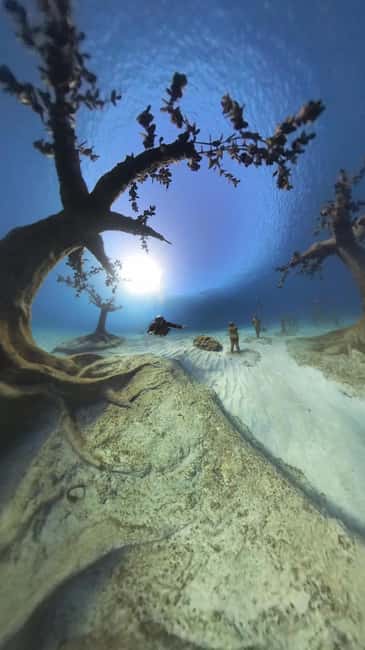
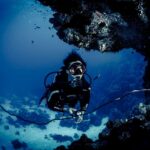
The volcanic rock angle is a big part of why Gran Canaria is interesting underwater. The plan specifically calls out volcanic rock formations, and that’s exactly the kind of feature that changes how you read the terrain. Instead of a flat reef picture, you get a more sculpted feel—good for photography too, as long as you keep your attention on buoyancy first.
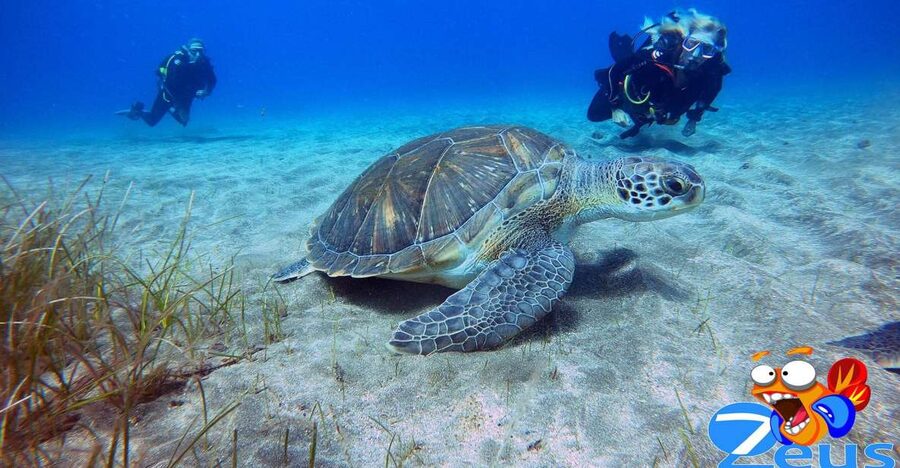
As for animals, you’re not limited to one “wow species.” The experience highlights include schools of colorful fish, rays, seahorses, cuttlefish, and octopuses. There’s also a chance for angelsharks, and you might see other life like sea hares and sea horses depending on the site and conditions.
Boat outings: when they fit and when you shouldn’t count on them
You can add boat outings, but they come with an extra charge. Boat-based options are typically tied to the day’s weather and to where the team decides you’ll get the best experience.
When boats are used, they’re described as coming from the south and west coast. This is where your plan may include wrecks and a visit to the Atlantida Park. If you’re chasing a particular kind of site that’s easier to access offshore, boat time can help—but it’s not guaranteed, and it’s weather-driven.
If you’re trying to keep the day within a set budget, treat boat outings as a “nice-to-have.” The core experience already includes two shore sessions with full equipment, so you’re not paying extra just to get started.
Safety and gear: what’s included, what’s mandatory, and what you should bring
You’ll be guided throughout, and the experience is built for certified scuba. The operation also makes a point of experienced instructors and safety procedures. That matters because certified-level doesn’t automatically mean you’ll feel comfortable everywhere—especially on days with changing conditions.
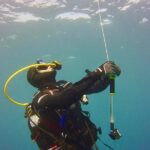
Gear coverage is a major value point here. You can bring your own equipment, or rent gear from brands listed as Aqualung/Apeks. Either way, your setup includes mandatory items: a scuba computer, an SMB, and a knife. If you’d rather not pack a scuba computer or SMB from home, this inclusion reduces hassle fast.
Included for the shore sessions:
- Tanks and weights
- Full equipment
- Guide
- Water and cookies
- Transfer to and from your south-coast accommodation area
What’s not included:
- Scuba (dive) insurance: listed at 6€
- Boat outings: extra charge
For what you personally need to bring, I’d treat this as the checklist that prevents last-minute stress:
- Change of clothes
- Beachwear
- Biodegradable sunscreen
- Scuba certification
- Your scuba logbook
- A downloaded app (they ask you to have it ready)
Also plan your measurements for rental gear if you need it: height, weight, and shoe size.
Small-group coaching and why it helps your buoyancy (and your mood)
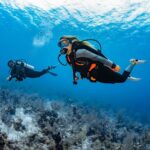
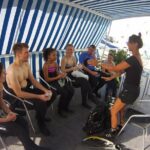
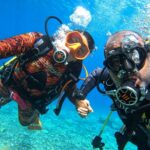
A max group size of 6 participants is one of those details that changes the whole day. You’re not stuck waiting your turn for instruction. You get more time in the water with guidance that fits your level.
The plan is also built around instructor supervision during each underwater outing. That means you’ll have someone there to help with route choices, pacing, and staying aware of what’s around you—especially at sites where terrain can be uneven or where swimthroughs require smoother control.
Language support is listed as English and Spanish, and that’s practical if you want comfortable communication without guessing. One instructor named Alejandro is specifically referenced for being polite and speaking adequate English, which is the kind of comfort you’ll feel when questions pop up in the moment.
Getting to the water: steep shore access and how to prepare
This is where you should be honest with yourself. Some shore sites involve a long walk down and then back up, including steep slopes and steps, and you’ll be carrying heavy equipment plus a weight belt. One participant, Sally (UK, age 62), noted she managed it fine but had bruised shoulders afterward.
So here’s my practical advice: if you’re strong but not used to carrying weight downhill, give yourself buffer. If possible, practice lifting your gear safely and consider how you’ll manage the weight belt. Also wear footwear you can trust on uneven stone—flip-flops are called out as not recommended for rocky beaches.
Weather can also shift. They specifically warn that you should bring extra layers because temperatures can change and conditions can vary. Even if the air feels warm when you leave, having a sweater or extra layer helps you stay comfortable between water and surface time.
Who should book, and who should skip this day
This experience is clearly aimed at people who are already certified and comfortable in the water. It’s not positioned for beginners or for anyone without the right background.
Not suitable for:
- Children under 10 years
- Pregnant women
- People with back problems
- People with heart problems
- People with respiratory issues
- People with epilepsy
- People with a cold
- People with low fitness
- People with haemophilia
- People with pre-existing medical conditions
- People with recent surgeries
- People without scuba certification
If you fall into any of those categories, it’s safer to choose a different activity. Even if you’re doing “fine on a normal day,” underwater conditions and gear weight can add stress.
If you are a certified scuba person and you want structured guidance, this can fit well—especially if you like wrecks, rocky terrain, and the chance of bigger animals like rays.
Price and value: is $141 a fair deal?
At $141 per person for a 6-hour day, the best way to judge value is to look at what’s included versus what you might pay separately.
Included value points:
- Two shore-based underwater outings
- Full equipment (or you can use your own)
- Tanks and weights
- Guide
- Transfers from the south-coast area (Bahia Feliz to Meloneras)
- Water and cookies
- Mandatory gear elements (they include a scuba computer, SMB, and knife as part of the equipment setup)
Extra costs you should budget for:
- Scuba insurance: 6€
- Boat outings: additional charge (not part of the included two shore sessions)
So the real question for you is whether you’d otherwise be paying for a guide, transportation, and equipment logistics. If you’re staying in the south and don’t want to manage gear rentals or transportation on your own, the package structure makes sense.
If you’re only interested in one easy, shallow outing, the price may feel heavy. But if you want two guided underwater sessions with a plan across multiple possible sites, $141 is an efficient way to buy time, not just access.
Should you book Gran Canaria shore-and-boat scuba sessions?
Book this if:
- You’re certified and want two guided shore sessions in a small group
- You like the idea of rotating between wrecks, reefs, swimthroughs, and volcanic rock terrain
- You want a chance at big wildlife like rays, and you’re okay with weather influencing the exact sites
- You’d rather have a scuba computer, SMB, and knife handled in the provided gear setup
Skip or be cautious if:
- You’re sensitive to steep shore walks with heavy equipment (steps and slopes are a real part of the experience on some sites)
- You have any of the listed medical limitations, recent surgery, or you’re currently dealing with a cold
- You’re not comfortable with changing weather and the need to layer up between sessions
FAQ
FAQ
What’s the duration of the experience?
The total duration is listed as 6 hours, with two shore sessions and an interval of about 1 hour at the surface.
Is this experience for certified scuba only?
Yes. The activity is labeled for certified scuba participants, and it’s not suitable for people without certification.
How big is the group?
The group is a small group limited to 6 participants.
Do you include equipment, or do I need to bring my own?
You can bring your own equipment, but full equipment is available for rent. Rental gear is listed as Aqualung/Apeks, and tanks and weights are included for the shore sessions.
Are boat outings included?
Two shore sessions are included. Boat outings are extra and depend on conditions.
What insurance is included in the price?
Scuba insurance is not included. It’s listed as 6€.
Where do pickups happen?
Pickup and transport are included for accommodations on the south coast area, specifically Bahia Feliz to Meloneras.
What should I bring with me?
Bring change of clothes, beachwear, biodegradable sunscreen, your scuba certification, your scuba logbook, and a downloaded app.
What happens if weather changes?
The underwater sites are selected based on weather conditions and your experience, so the exact locations can shift.