REVIEW · PHUKET
From Phuket: 3-Day SSI/PADI Open Water Diver Certification
Book on GetYourGuide →Operated by SSS Phuket Dive, Freedive & Surf Center · Bookable on GetYourGuide
Learning to breathe underwater is a skill.
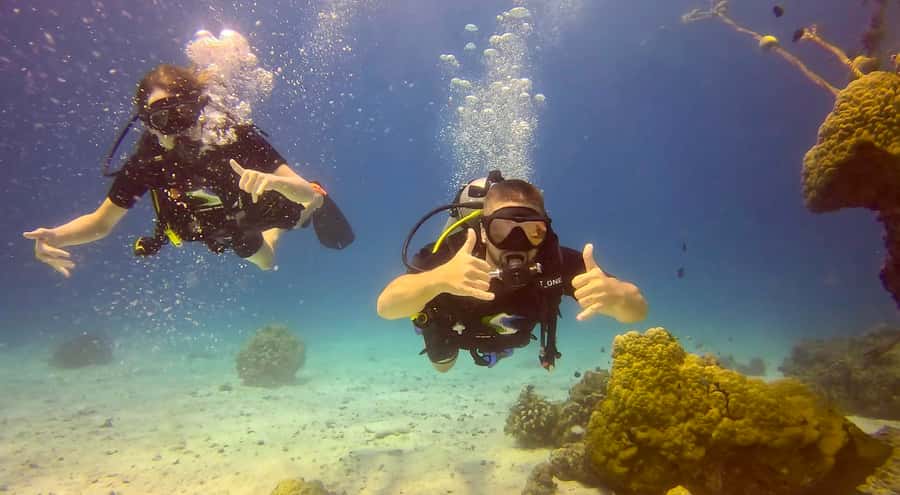
This Phuket 3-day SSI/PADI Open Water Diver course puts you in a small group with dedicated instruction and then tests those skills in Phuket’s Gulf of Thailand water. I like how structured it is, with theory first, pool practice next, and open-water training that leads toward certification. One thing to consider: this isn’t a quick “come along and float” trip. You’ll need to learn, repeat skills, and show up ready for a full schedule.
The days also have a nice rhythm. You’ll start Day 1 at the Chalong pool, then head out to Racha Yai and Racha Noi for the in-water parts, with boat breakfasts and hot lunches included. Expect a morning-heavy plan and long boat days, so plan your energy (and pack for sun and motion).
In This Review
- Key Points You’ll Care About
- Phuket’s 3-Day SSI/PADI Open Water Diver Plan: How It Works
- Day 1 at Chalong Pool: Theory Meets Real-Life Skills
- Racha Yai (Day 2): A Full Morning With Boat Comfort and Training
- Racha Noi (Day 3): The Third Session Adds Momentum
- Instructor Style: The Difference Between Fear and Confidence
- What Your $530 Covers (and Why It’s Fair Value)
- Gear, Meals, and Boat Days: The Practical Stuff That Makes or Breaks It
- Depth Limit and Safety Reality: What 18 Meters Means for Beginners
- Who Should Book This Course in Phuket
- Should You Book This 3-Day SSI/PADI Open Water Diver Course?
- FAQ
- Where is the course meeting point on Day 1?
- What islands do you visit during the course?
- What time are hotel pickups on Days 2 and 3?
- What’s included in the $530 price?
- Are boat meals included?
- How big is the group?
- What languages does the instructor speak?
- What is the minimum age to join?
- Is the course suitable for pregnant women?
- What should I bring with me?
Key Points You’ll Care About
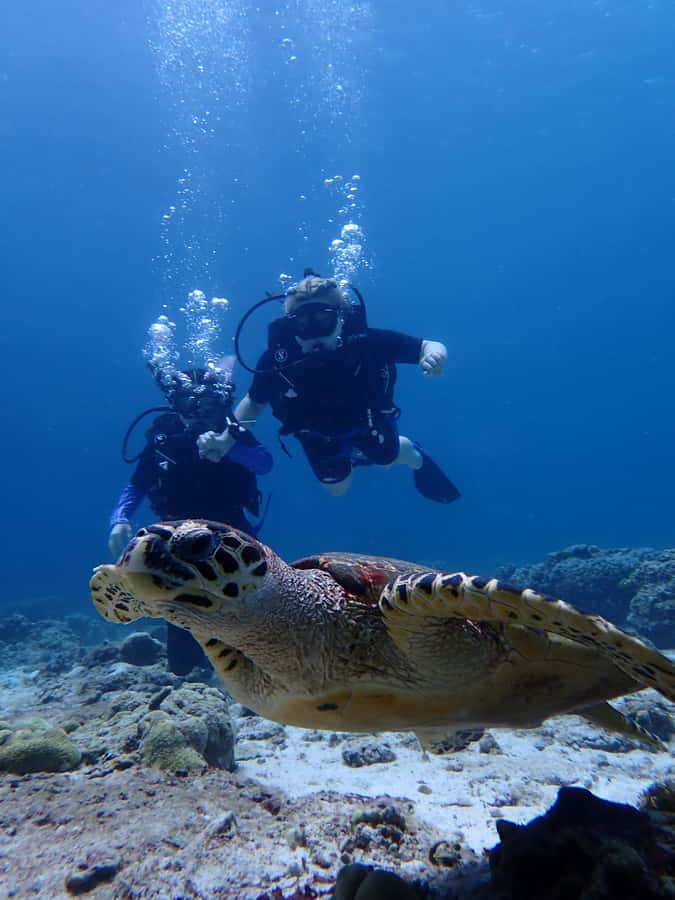
- Small group (up to 10) keeps your instructor focused on you, not the whole crowd.
- Instructor support in multiple languages (Thai, English, French) helps if you want clarity without guessing.
- All-inclusive price ($530) covers equipment, instructor fees, and certification paperwork—not just the boat ride.
- Pool first, then open water: you build skills in a controlled setting before going to training sites.
- Depth limit of up to 18 meters gives you real range without throwing you into the deep end.
Phuket’s 3-Day SSI/PADI Open Water Diver Plan: How It Works
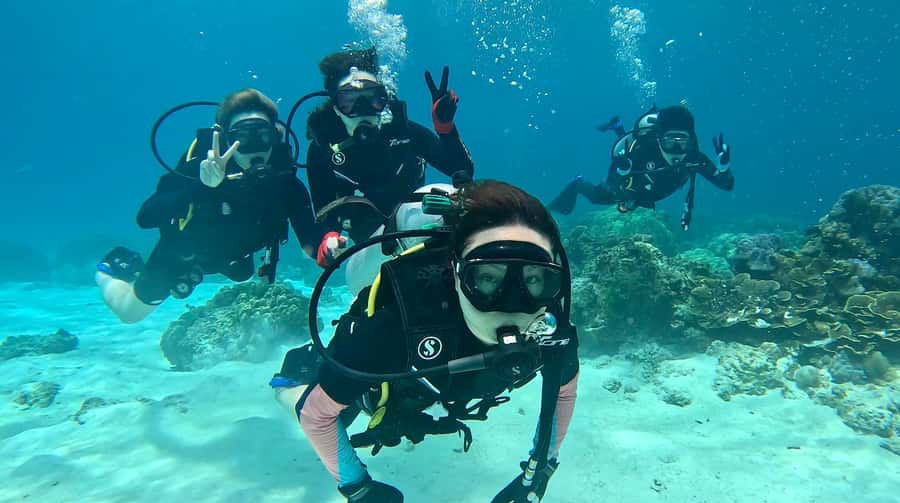
If you’re thinking about getting certified in Phuket, this format is a practical way to do it. The goal is simple: teach you the core knowledge and skills you need, then make you practice them where they matter—in real open water.
The course runs over 3 days and is built around three stages. First comes the theory segment (knowledge development). Then you move into practical skills in a confined setting like a pool to build muscle memory. Finally, you head into the Gulf of Thailand for open-water training where your practiced skills support the certification steps.
You’ll also get a clear depth ceiling: the included training involves 5 in-water sessions to a maximum of 18 meters. That’s a meaningful limit for learning because it sets expectations early and keeps the training plan structured.
You can also read our reviews of more tours and experiences in Phuket.

Day 1 at Chalong Pool: Theory Meets Real-Life Skills
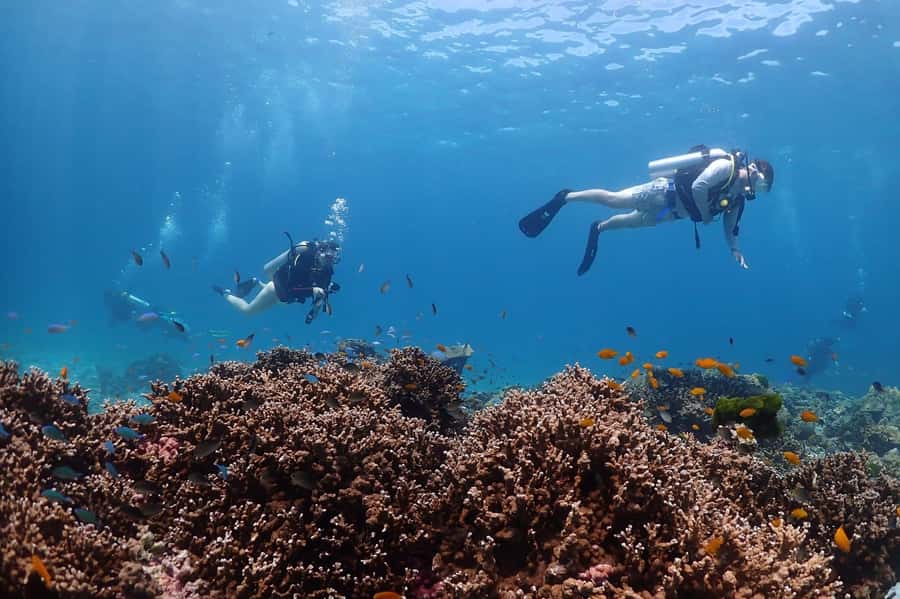
Day 1 is where most people either feel ready or feel nervous. The course design helps you by starting in a controlled place with clear guidance.
You meet your instructor at the Chalong swimming pool at 8:30 AM. You’ll work through the theory segment, which is basically the foundation for how scuba works: what to expect, how to manage your breathing, and how the basic safety ideas fit together.
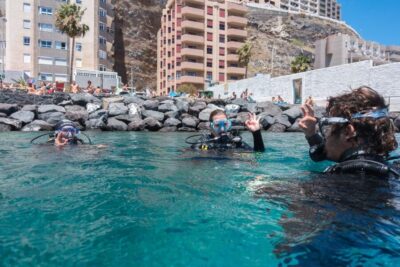
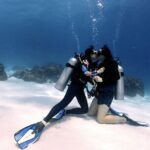
Then you shift into the practical segment in the pool. This is where you learn the skills you’ll rely on later, like handling your gear properly and practicing the core underwater moves at a pace that helps you stay calm. One of the most praised parts of this course is the way instructors explain things in simple, interesting terms—and the way they keep you patient and supported while you practice.
In other words: Day 1 isn’t just classroom time. It’s skill-building time, so you can walk into the boat days with less guesswork.
Racha Yai (Day 2): A Full Morning With Boat Comfort and Training
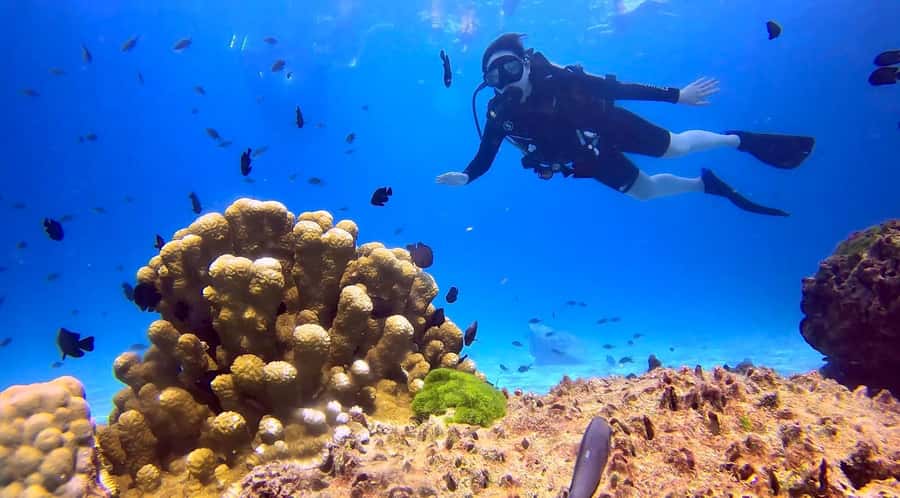
On Day 2, you switch from pool practice to open-water training at Racha Yai Island. Pickup is 7:30 AM from your hotel (Patong, Karon, Kata, or Chalong areas), and you head to Chalong pier by around 8:00 AM.
The boat day is set up to keep you fed and ready. You get a welcome aboard, and there’s breakfast provided on the way to the first training site. Then the day moves like clockwork:
- 10:00 AM: first open-water training session
- 11:00 AM: hot buffet lunch on board
- After lunch: time for snorkeling and sunbathing
- 12:30 PM: second open-water training session
- 1:30 PM: rest time with fresh tropical fruit and soft drinks
- 3:30 PM back to Chalong pier
- 4:00 PM transfer back to your hotel
What I like about this schedule is that it doesn’t leave you starving or stuck waiting without purpose. Lunch isn’t an afterthought—it’s built into the flow right between the morning sessions and the afternoon session.
Also, you’re not just doing gear-and-stay-below-the-surface tasks. The boat time includes snorkeling, which can be a confidence boost because you get to enjoy the marine scenery while not working through certification skills.
Racha Noi (Day 3): The Third Session Adds Momentum
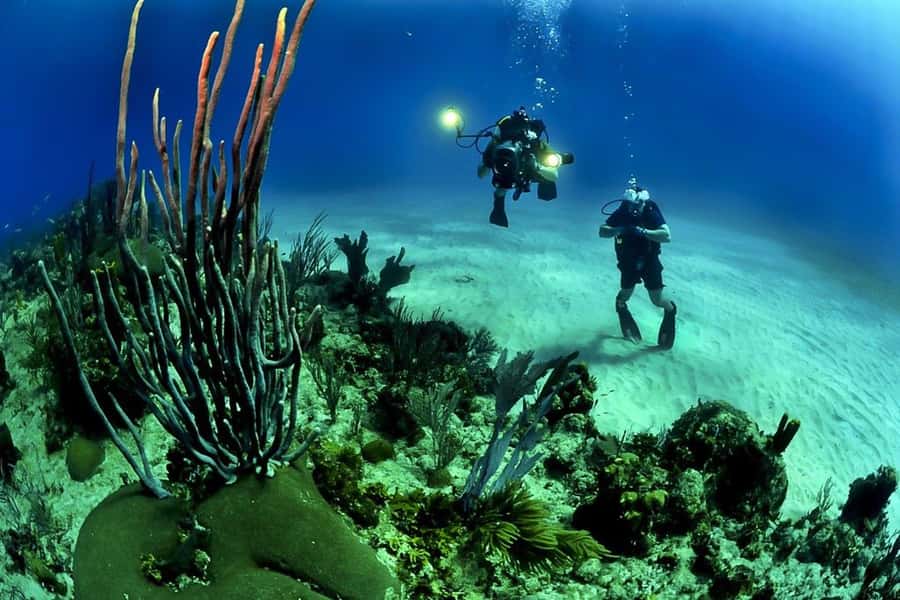
Day 3 is on Racha Noi Island, and it’s designed to push you forward once you already know the drill from Day 2. Pickup is 7:30 AM, transfer to the pier happens around 8:00 AM, and you start with breakfast again on the way out.
Your training day looks like this:
- 10:00 AM: first open-water training session
- 11:00 AM: hot buffet lunch on board, plus snorkeling and sunbathing time
- 12:30 PM: second open-water training session
- 2:30 PM: third training session
- 3:30 PM return to Chalong pier
- 5:00 PM transfer back to your hotel
That extra third session matters. It gives you one more chance to stabilize your skills and build independence. In the course feedback, one of the standout themes is how students finish feeling safer and more confident—especially after they complete the full set of training sessions.
If you’re the type who learns faster through repetition, Day 3 is where you’ll feel it click.
Instructor Style: The Difference Between Fear and Confidence
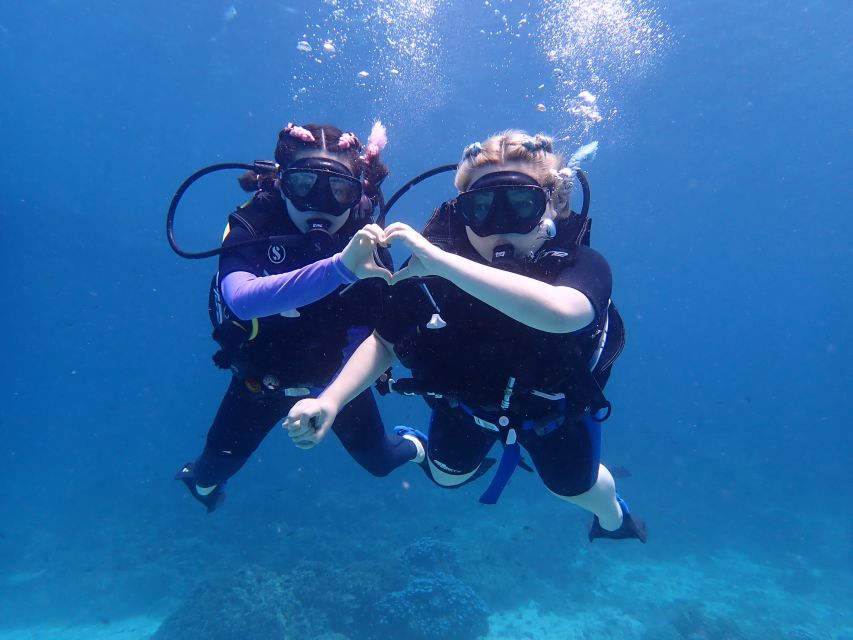
A big part of your outcome here is your instructor. The best sign is not fancy marketing—it’s how you’re taught in the moment.
In feedback for this course, the instructor name Olivier shows up a lot, and participants highlight exactly what you’d want from a good teacher: clear explanations, calm patience, supportive coaching, and a strong focus on safety. One person even described the teaching as simple and interesting, which is a good match for the reality of learning scuba basics—your brain has to process a lot at once.
You also want a teacher who balances control with freedom. That means you practice what you need to practice, but you’re not micromanaged into boredom. When instruction feels both strict and friendly, you tend to do better because you trust the process.
Also, the course experience includes a boat crew that takes care of the day logistically. That matters when you’re carrying equipment, moving on and off the boat, and keeping your energy up between sessions.

What Your $530 Covers (and Why It’s Fair Value)
At $530 per person for a 3-day course, you’re paying for more than “time in the water.” This package is structured to be truly all-inclusive, at least for the core training.
Included items:
- Instructor fee
- Open Water license
- Scuba diving equipment
- 5 training sessions to a maximum of 18 meters
- Breakfast, lunch, snacks, and water on boat days (Day 2 and Day 3)
- Taxi transfers on Day 2 and Day 3 for hotels in Patong, Karon, Kata areas
Why that matters: you’re not spending extra on equipment rentals, certification administration, or the instructor time. In scuba training, those “small add-ons” can quietly grow. Here, they’re included, so you can plan your budget without guessing.
One practical note: the course may include photo/video opportunities as an extra add-on. In the experience feedback, someone mentioned a paid photo/video option (with a high price). If that sounds tempting, ask about what’s included and the cost before you decide.
Gear, Meals, and Boat Days: The Practical Stuff That Makes or Breaks It
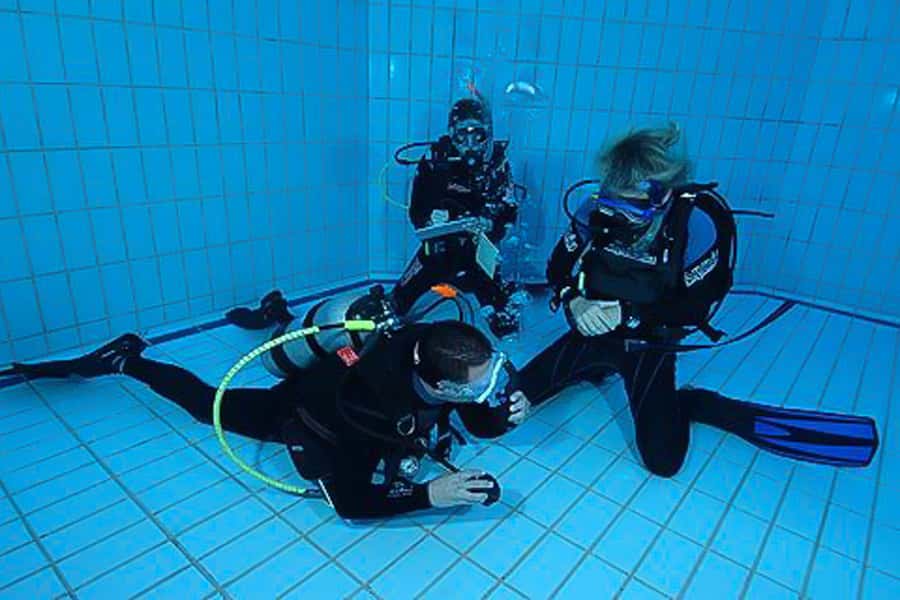
Scuba certification is physical, not just technical. The course tries to keep you comfortable so you can focus on learning.
What to bring:
- Passport
- Swimwear
- Towel
That’s it for the essentials listed, but you should still think about comfort. Boat days mean sun exposure and salt air, so plan for sunscreen and something to cover up during breaks. Also, if you’re sensitive to motion, know that boat trips can affect you. One participant said they got very seasick, yet still loved the overall experience once they were in the water and moving through the training.
For most people, the included snacks, water, fruit, and hot buffet lunches help a lot. It’s easier to stay calm when you’re not running on half energy.
Depth Limit and Safety Reality: What 18 Meters Means for Beginners
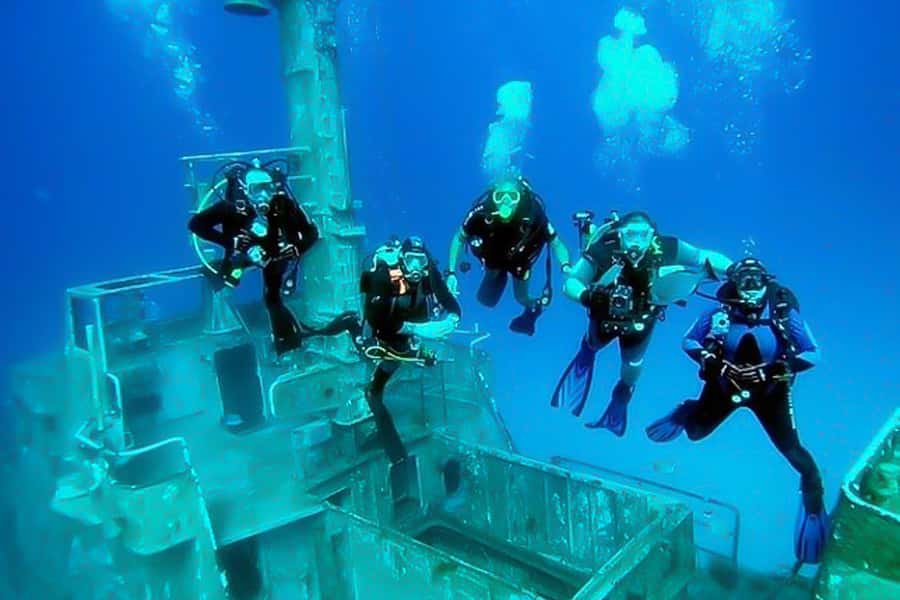
The included training limits you to a maximum of 18 meters, and that’s a sensible boundary for learning. It gives you real depth practice without turning the course into a fear test.
Also, the course explains how it’s structured:
- Theory helps you understand the fundamentals.
- Confined water skills help you learn control.
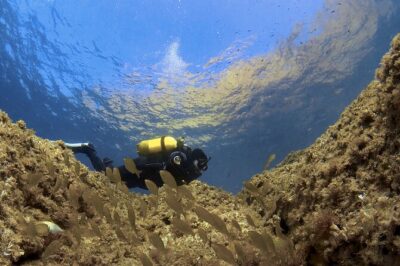
- Open water sessions let you show competence where you can’t rely on the pool’s easy conditions.
A note you’ll see in the course outline is that the skills you gain may count toward part of the full SSI Open Water Diver pathway. In plain terms: this 3-day format is focused and skill-driven, and you’ll want to confirm how your training documents match your final certification steps.
The overall theme from the best feedback is that participants finish feeling safe and confident because they’re coached to handle the basics reliably—especially after the final session.
Who Should Book This Course in Phuket
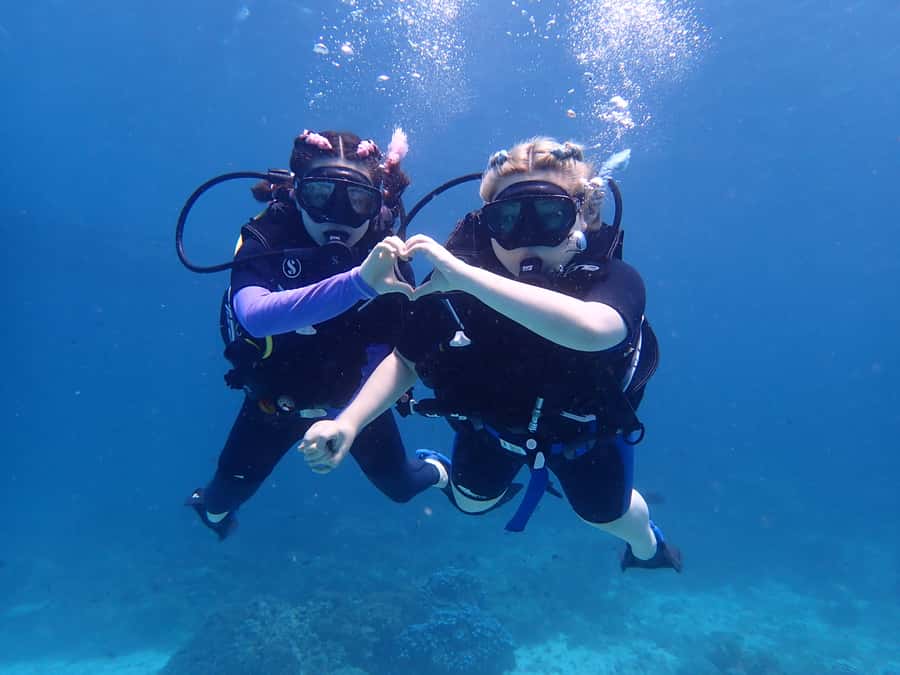
This 3-day SSI/PADI Open Water Diver certification experience is best if you want:
- A structured 3-day plan without stretching into multiple weeks
- A small group with hands-on teaching attention
- A clear “learn in order” pathway: theory → pool skills → open-water sessions
- All the core logistics covered: equipment, meals, and transfers for Days 2 and 3
It may not be your best fit if you:
- Are pregnant (not suitable)
- Are looking for a leisurely sightseeing trip first and a certification course second
- Hate time in the water and prefer activities that don’t require skill practice
Age-wise, the course is for at least 15 years old (with a junior option noted for younger ages under a different certification track).
Should You Book This 3-Day SSI/PADI Open Water Diver Course?
Yes, you should book if you want a focused certification plan in Phuket that keeps things practical: small group size, supportive instruction, equipment included, and a schedule that actually builds from day to day.
I’d think twice only if boat days and a busy training routine are dealbreakers for you. If you’re comfortable learning steadily, and you want the confidence that comes from practicing skills with a calm instructor, this course is a strong choice.
FAQ
Where is the course meeting point on Day 1?
On Day 1, you meet your instructor at the swimming pool in Chalong at 8:30 AM.
What islands do you visit during the course?
You train at Racha Yai Island on Day 2 and Racha Noi Island on Day 3.
What time are hotel pickups on Days 2 and 3?
Pickup on Days 2 and 3 is at 7:30 AM from your hotel in Patong, Karon, Kata, or Chalong.
What’s included in the $530 price?
The package includes the instructor fee, open water license, scuba equipment, 5 training sessions to a maximum of 18 meters, and boat meals (breakfast, lunch, snacks, and water) on Days 2 and 3. Taxi transfers are also included on Days 2 and 3.
Are boat meals included?
Yes. Breakfast, lunch, tea/coffee, water, and snacks are included on Days 2 and 3 during the boat trip.
How big is the group?
It’s limited to a small group of up to 10 participants.
What languages does the instructor speak?
The instructor speaks Thai, English, and French.
What is the minimum age to join?
You must be at least 15 years old for this course (with a Junior Scuba Diver option noted for 10 years old under that certification).
Is the course suitable for pregnant women?
No. It is not suitable for pregnant women.
What should I bring with me?
Bring your passport, swimwear, and a towel.