REVIEW · NAPLES
Double Dive in the Bay Park for certified divers
Book on Viator →Operated by Sea World Baia Diving · Bookable on Viator
Sunken Baia feels like another planet. This two-session scuba tour lets you see underwater ruins and mosaics with small-group attention and a relaxed pace at the buoy.
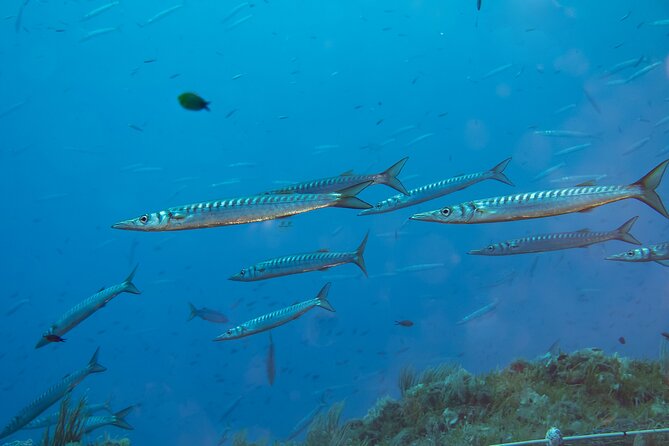
I especially like the pre-session briefing plus an instructor-led intro to what you’ll be looking for—so you don’t just go down and hope. The one drawback is that if you’re expecting lots of colorful sea life, this is more about archaeology than wildlife.
In cooler months, you’ll appreciate the winter gear: one January trip report notes a 5mm wetsuit plus boots in good condition. Still, you should expect that underwater visibility can vary, and cloudy water can happen when the team works to uncover and recover mosaics from the seabed.
In This Review
- Key highlights at a glance
- Two underwater sessions in Baia: what you’re really buying
- Getting to the operator base: timing, briefing, and a short ride out
- Underwater session one: Tempio di Venere and the archaeology-first experience
- Underwater session two: Baiae and the Terme di Baia area
- Above-water scenery and cultural stops around Baia
- The human factor: your guide, the briefing quality, and small-group calm
- Weather, water temperature, and comfort tips that actually help
- Who this is for (and who should pick a different option)
- Price and value: when $144.19 feels like a bargain
- Should you book this two-session Baia program?
- FAQ
- What’s the duration of the experience?
- Where does the tour start and end?
- Do I need scuba certification?
- What languages are offered?
- How many people are in a group?
- What’s included in the price?
- Is lunch included?
- What underwater sites are part of the plan?
- What if the weather is bad?
- How should I dress for colder months?
Key highlights at a glance
- Two underwater sessions with about 45 minutes underwater each and time on the buoy at the site
- Small group limit (max 5) for tighter coaching and calmer logistics
- Equipment, insurance, and archaeological park entry included, so you’re not hunting for extras at the last minute
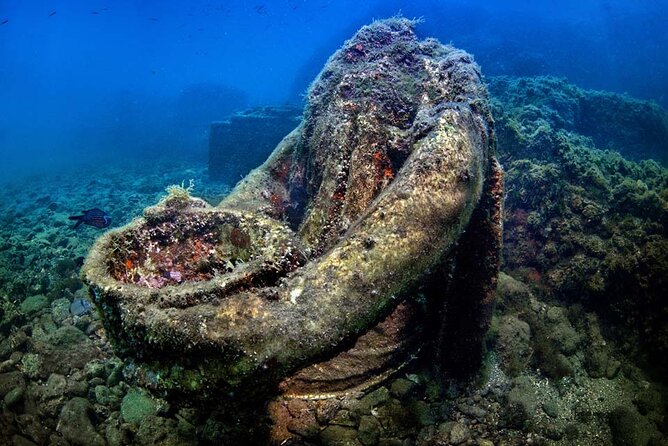
- Archaeological focus: former villa foundations and mosaics matter more than big wildlife encounters
- Guide support with schedule flexibility, including adjustments when other groups overlap
Two underwater sessions in Baia: what you’re really buying
This is a certified-scuba experience designed around a simple idea: one look at Baia’s submerged remains isn’t enough. You’ll do two separate underwater sessions in the Baia area, each planned with time to settle in, observe, and learn. The pacing is practical—short enough to stay comfortable, long enough to actually take things in.
The other big part of the value is what’s included. You’re not just paying for staff to hold your tank. The package bundles scuba gear use, transport by rib boat, an archaeological park entrance ticket, insurance, and a diving guide, plus showers and changing rooms after. Lunch is the only major extra, offered through a partner restaurant if you want it.
Price-wise, the listed cost is $144.19 per person for about 4 hours total. For a high-touch activity like this—English guidance, insurance, and entry included—that tends to work out well, especially if you’re arriving without your own equipment. If you already own every piece of gear, it’s still worth it for the local setup and guided access, but the “included gear” value will be smaller.
You can also read our reviews of more tours and experiences in Naples.
Getting to the operator base: timing, briefing, and a short ride out
You meet at Via Lucullo, 80070 Baia (NA), Italy. Expect to arrive around one hour before your start because the operator’s instructors need time for equipment setup and a pre-session briefing. That time matters. It’s where you calibrate buoyancy expectations, review safety, and get the storyline of what you’ll be seeing.
Once you’re ready, you head a few steps to the boat area. The ride to the Submerged Park of Baia is described as under 5 minutes of navigation, which helps keep the day from feeling like endless transit. The day stays focused: get equipped, listen, go out, then come back for showers.
Also, you’re not stuck with a huge group. The maximum group size is 5 travelers, which usually means you get clearer instructions and fewer bottlenecks during fitting, checks, and buddy support.
Underwater session one: Tempio di Venere and the archaeology-first experience
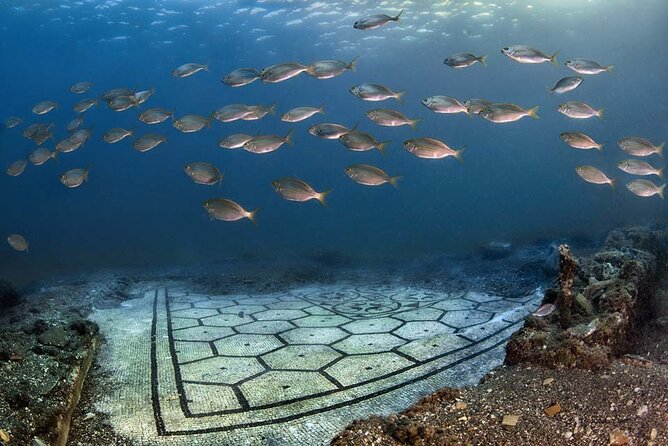
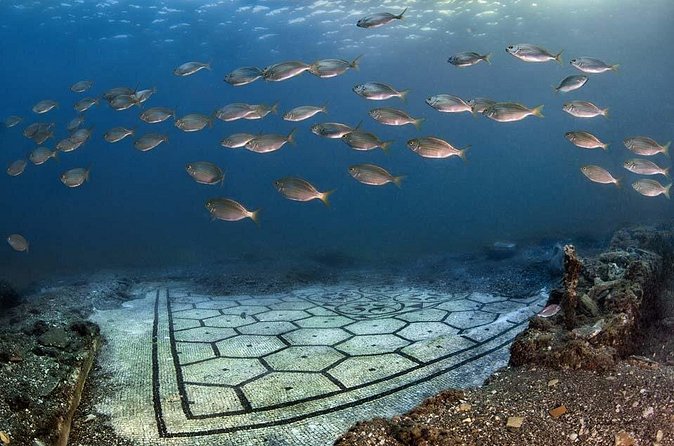
Your first stop is Tempio di Venere. This is the kind of site where you’ll want your brain switched on for details you can’t always see at first glance. The underwater world here is less about dramatic coral gardens and more about the physical leftovers of past life—structures, layout, and archaeological remains.
One trip note gives you a realistic sense of what this feels like: at a similar January outing, the maximum depth was about 5 meters, so you’re not racing your air supply. The air planning is calmer, and the experience leans toward observation rather than endurance.
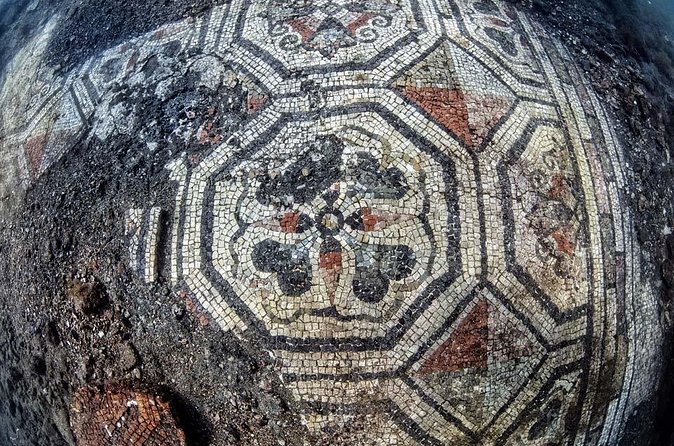
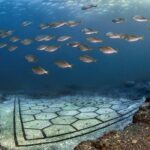
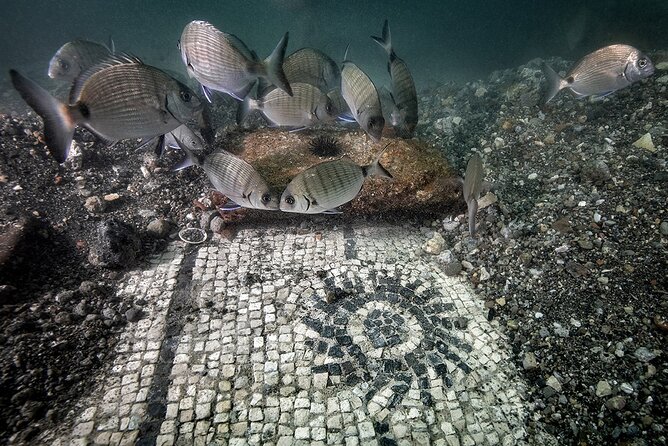
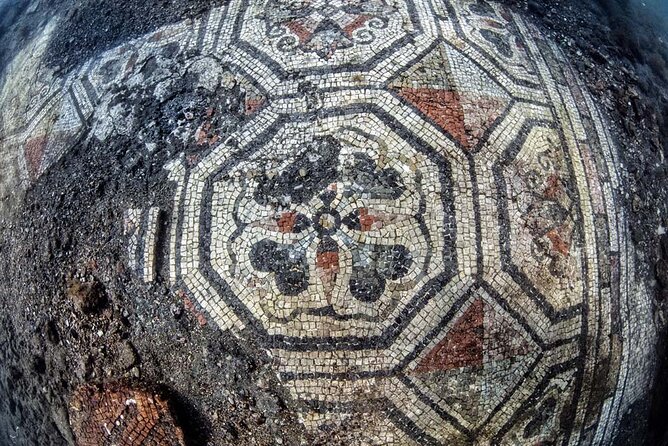
Here’s what you should watch for underwater: former villa foundations and mosaics. That’s what makes Baia special. If you’re the type who likes to understand what you’re looking at—how buildings relate, what ruins suggest—this stop will click.
One consideration: underwater visibility can be uneven. In winter, a report described water around 17°C and noted cloudiness tied to the way mosaics are uncovered and recovered with bottom sand movement. Translation for your expectations: you might see the big shapes clearly, but fine detail can be softer when the team is working on the seabed.
Underwater session two: Baiae and the Terme di Baia area
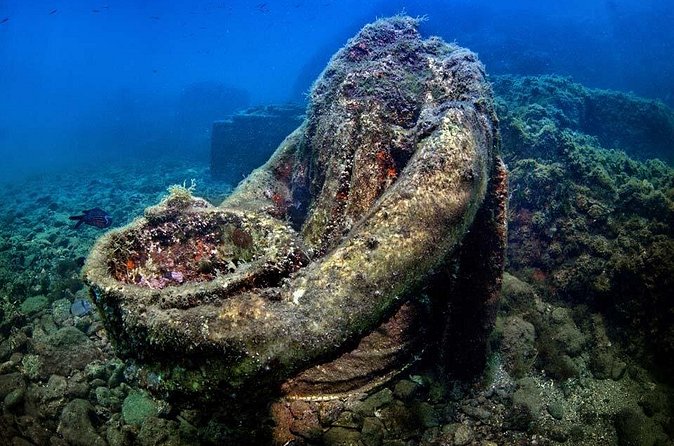
The second underwater focus in the plan points you toward Baiae and Parco Archeologico delle Terme di Baia. If the first session sets the stage, the second typically gives you more context on how the submerged settlement functioned—especially through the lens of sites tied to public spaces and daily life.
The tour format stays consistent: around 45 minutes underwater, plus about an hour on the buoy at the site. That buoy time might sound like waiting, but it’s practical. It gives you breathing room to regroup, re-check your plan, and actually study the site from a stable vantage before and after the underwater portion.
For photographers or anyone who likes to notice textures, buoy time helps you line up your expectations. You can also use it to compare what you saw at the bottom with what you’ll recognize on the surface later (like outlines, site location cues, and the general layout).
As with Tempio di Venere, the payoff is again archaeological. Don’t go hunting for a tank full of wildlife. Go ready to appreciate human-made stonework and floor patterns—because that’s what the area is set up to teach you.
Above-water scenery and cultural stops around Baia
Even though this is built around underwater sessions, the overall plan weaves in famous coastal and volcanic-area landmarks around the Baia region.
You’ll see stops that include:
- Castello Aragonese di Baia
- Rione Terra
- Pozzuoli
- Monte Nuovo
- Campi Flegrei
- Vesuvius National Park
These sit alongside visitor-focused points like:
- Centro Visite AMP Parco Sommerso di Baia
- Baiae (as a named focus)
What this means for you in real terms is that the experience isn’t only underwater “action.” You also get the mental map: you’re diving into a landscape shaped by volcanic activity and a coastline with layers of settlement. Even if your underwater look lasts under an hour each time, the above-water context helps everything connect.
One practical thought: when you’re bouncing between land viewpoints and a water-based schedule, pack for short but changeable weather. Coastal wind can make it feel cooler than expected once you’re out on the rib boat.
The human factor: your guide, the briefing quality, and small-group calm
A standout detail from a winter trip report is how the guide handled the day. Alessandro was specifically praised for a solid briefing and for adjusting the schedule on the boat when another group overlapped at the same time.
That’s not a tiny thing. When sites are limited by weather, logistics, and boat timing, you want an operator that can make real-time decisions without throwing off the experience. A clear briefing also helps you follow along with what you’re seeing, instead of just staring at rocks and mosaics and guessing.
Also, the operator provides gear—so the fitting process is part of the experience, not an afterthought. In January, wetsuit and boots were noted as 5mm and in good condition. That matters for comfort, which matters for safety and enjoyment.
Weather, water temperature, and comfort tips that actually help
This tour requires good weather. If conditions are poor, you’re offered a different date or a full refund. That’s your first planning cue: you can’t treat this like a purely indoor activity.
Water comfort varies by season. In one January outing, the water temperature was reported at about 17°C. If you’re going in cooler months, plan for your hands to feel cold quickly even if the main suit is warm enough.
A very practical tip from that same winter report: consider bringing 3mm or 5mm gloves. One diver reported their 5mm gloves kept hands warm. That’s the kind of small comfort upgrade that can make the difference between a relaxed experience and a fidgety one.
What I’d do based on that: if you’re sensitive to cold, don’t assume your wetsuit alone will solve it. Hands are the first to complain, especially during buoy time when you’re not moving.
Who this is for (and who should pick a different option)
This is for people who are already certified. The minimum requirement listed is Junior Open Water Diver or Scuba Diver. If you don’t have certification yet, you should look at a surface option instead: there’s a mention of an Archaeological Park in Snorkeling program, or a Discover Scuba Diving program.
This is also a good fit if you like:
- Archaeology and underwater ruins
- Controlled, guided scuba pacing
- Small-group instruction in English
If you want a wildlife-heavy trip, you might find this less exciting than places known for reefs and big marine life. Here, the main stars are mosaics, foundations, and site layout.
Price and value: when $144.19 feels like a bargain
Let’s translate the price into what you don’t have to pay separately.
Included items:
- Scuba equipment use
- Rib boat transport
- Archaeological park entrance ticket
- Insurance
- Diving guide
- Showers and changing rooms
- All taxes and fees
That’s a lot of “small” costs that add up fast when you book them separately. If you’re traveling light or you don’t want to manage gear rental, this package becomes even more practical.
Not included:
- Lunch, which can be requested at a partner restaurant for 35 € per person, described as including multiple courses (appetizers, first course, second course), plus dessert, water, and wine.
My take: if you want a smooth day with fewer moving parts, the included setup pushes this into good value. If you already have all gear and you’re the type who prefers to explore on your own, you’ll pay less value-for-money—but you still benefit from local access and expert guidance.
Should you book this two-session Baia program?
Book it if you want a guided, small-group scuba experience focused on sunken archaeology around Baia, with two underwater sessions and enough structured time on the buoy to actually learn what you’re seeing. You’ll also appreciate the winter-readiness details if you’re traveling in cooler months, especially the chance to use a proper wetsuit and boots, plus the advice about gloves.
Skip it or reconsider if your top priority is underwater wildlife variety, or if you know you get stressed by changing conditions. The whole plan depends on good weather, and visibility can vary with seabed work at the site.
FAQ
What’s the duration of the experience?
It lasts about 4 hours.
Where does the tour start and end?
It starts at Via Lucullo, 80070 Baia NA, Italy and ends back at the same meeting point.
Do I need scuba certification?
Yes. The minimum required level is Junior Open Water Diver or Scuba Diver.
What languages are offered?
The experience is offered in English.
How many people are in a group?
This activity has a maximum of 5 travelers.
What’s included in the price?
Included are scuba equipment use, rib transport, archaeological park entrance, insurance, a diving guide, and access to showers and changing rooms, plus all taxes and fees.
Is lunch included?
No. Lunch can be booked on request at a partner restaurant for 35 € per person.
What underwater sites are part of the plan?
The named stops include Tempio di Venere and Castello Aragonese di Baia Napoli, plus Rione Terra, Pozzuoli, Monte Nuovo, Campi Flegrei, Vesuvius National Park, Centro Visite AMP Parco Sommerso di Baia, Baiae, and Parco Archeologico delle Terme di Baia.
What if the weather is bad?
The tour requires good weather. If it’s canceled due to poor weather, you’ll be offered a different date or a full refund.
How should I dress for colder months?
One January report mentioned water around 17°C and recommended 3mm or 5mm gloves. You’ll use a wetsuit provided by the operator (a report noted a 5mm wetsuit).