REVIEW · MONTEGO BAY
Discover Scuba Diving in Montego Bay-ONE Tank (First time Diving)
Book on Viator →Operated by Scuba Diving in Montego Bay - Dive for Fun Watersport · Bookable on Viator
First gear, then instant underwater breathing. This Discover Scuba experience in Montego Bay is built for first-timers: you learn the basics fast, use full equipment, and stay with a PADI instructor the whole time. I especially like the small group size (max 15) because you get real attention, not a “good luck, see you later” vibe. The other big win is that scuba gear and bottled water are included, so you can focus on the experience. One consideration: the sea can be unpredictable, and there are times when conditions turn murky and the activity gets canceled for safety.
I like that the format is short enough to feel doable, but structured enough that you’re not guessing underwater. You’ll start at Sunset Beach (meeting point: F3RF+V58), go through theory and skill practice, then get a guided one-tank open-water session with free time to get comfortable. It’s also a nice “try before you commit” option if you’re thinking about full certification later.
If you’re in good health with moderate physical fitness, this is a solid way to test the sport. If you’re the kind of person who hates cold water, tight schedules, or feeling a bit out of your element, you’ll want to go in with a calm mindset and follow the instructor’s cues.
In This Review
- Key points worth knowing before you go
- How this first-time scuba format actually works in Montego Bay
- Sunset Beach meetup and getting geared up without stress
- Theory and skill practice: the safety part you shouldn’t skip
- The guided one-tank open-water session: what you’ll see and how it feels
- Why the instructor’s style matters (Carl’s calm coaching)
- Price and value: is $169.99 a fair deal for a first try?
- What to bring (and what you don’t have to worry about)
- Weather, water clarity, and when the plan changes
- Who this works for best in Montego Bay
- How to get the most out of your short training window
- Should you book this first-time scuba trial?
- FAQ
- Do I need scuba certification to book?
- How long is the experience?
- What’s included with the ticket?
- Where does the activity start?
- Is transportation provided?
- What happens if weather conditions are poor?
Key points worth knowing before you go
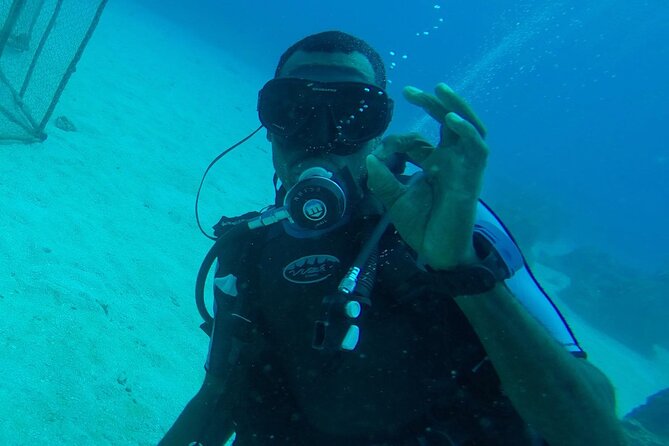
- No certification required: you can try scuba with guided training rather than starting with a long course
- Small group (max 15): more time for questions and hands-on coaching
- One-tank open-water session: real sea time after learning the basics
- Equipment and bottled water included: you avoid extra rentals and small purchases
- PADI instructor stays with you: consistent coaching the whole way
- Weather/visibility matter: plan for the day to shift if conditions aren’t safe
How this first-time scuba format actually works in Montego Bay
Here’s the heart of this experience: you don’t spend weeks in a formal certification course. Instead, you get a condensed introduction that’s focused on what you need right now to breathe underwater safely and comfortably.
You’ll start with the basics of theory and technique. That means you’re not just handed a tank and told to hope for the best. You’ll learn how breathing works with scuba gear, how buoyancy feels, and what to do when something feels unfamiliar. Then you practice the key skills before you’re sent out for open-water time.
For me, the value is that this experience is built around confidence. You get short instruction blocks, then you apply them immediately in the water. That’s how you avoid the two common first-timer problems: getting overwhelmed in your head, and trying to copy what you see other people doing without understanding why it matters.
You should also know that this isn’t trying to turn you into a professional diver. It’s about safe fun and a real look at marine life—so you can decide if full certification is worth your time later.
You can also read our reviews of more tours and experiences in Montego Bay.
Sunset Beach meetup and getting geared up without stress
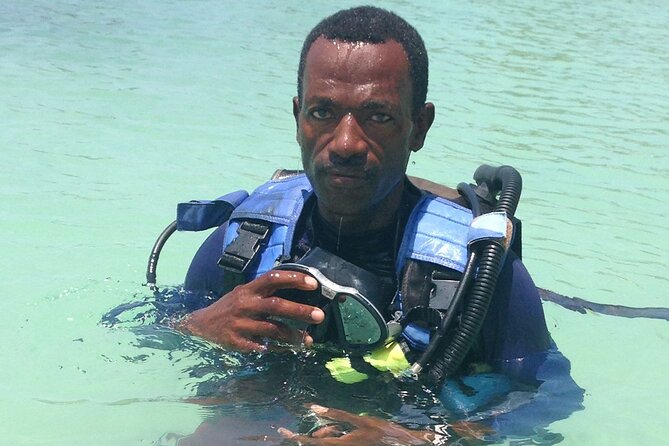
Your day begins at Sunset Beach near public transportation (meeting point: F3RF+V58). The activity runs about 3 hours, and it’s scheduled for Monday through Saturday during the listed window. You’ll also receive confirmation at booking, and you’ll use a mobile ticket.
Why the meetup matters: scuba experiences go sideways when people arrive rushed, missing gear fit time, or unprepared for brief instructions. The small-group setup helps here. With a max of 15 people, there’s less shuffling and waiting.
Once you’re there, you’ll handle equipment fitting and get set up with what you need. The included gear is one of the strongest “value for money” points. You’re not paying to rent or source anything last-minute. Bottled water is included, which sounds minor until you realize how much you’ll appreciate it when you’re gearing up in the sun.
One practical note from how the experience is described: lunch isn’t included. So if you’re doing this as part of a busy travel day, plan to eat before or after so you’re not hungry during your training blocks. Hunger turns concentration into a chore.
Theory and skill practice: the safety part you shouldn’t skip
This is where the PADI instructor earns their pay. You’ll get basic scuba knowledge and technique, then you’ll practice skills under supervision. The goal is simple: you should understand what you’re doing before you’re asked to do it.
In your first lessons, you can expect to cover the core “how”:
- how your breathing should feel
- how to manage yourself in the water
- basic technique cues you’ll need in open water
In a good first-timer experience, you don’t just memorize rules. You connect those rules to physical sensations—what it feels like when you’re breathing steadily, how to relax your body, and how to follow the instructor’s timing.
Also, don’t treat the practice time as a formality. This is the part that prevents most first-timer panic. If you go in curious instead of tense, you’ll do better. If you go in already convinced you’ll mess up, that stress can spread fast. I’d rather you arrive excited and willing to slow down.
The guided one-tank open-water session: what you’ll see and how it feels
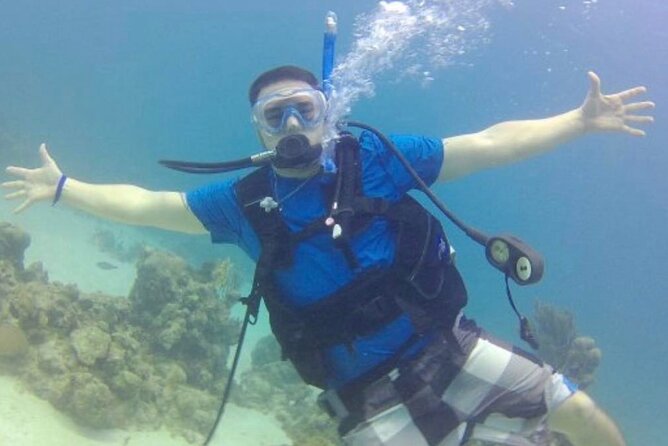
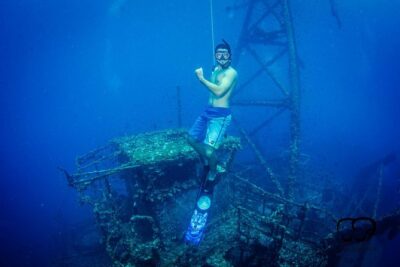
After your basics and underwater comfort time, you’ll head into the open water for your one-tank session. This is the moment most people are waiting for: real sea time, marine life, and the feeling of moving through the water with control.
You get a guided format, so you’re not floating on your own trying to figure out what’s next. You’ll also have a chance for free time to get comfortable underwater before the guided portion continues. That matters for first-timers because the first “new” sensation can steal your attention. Comfort first means you notice more of the ocean afterward.
What about what you’ll actually see? Based on participant feedback, the ocean scene is the payoff. People highlight coral and fish, plus a sense that the instructor kept things slow and paced. One person specifically pointed out patience, timing, and even photos—so there’s likely some attention to capturing moments and making sure you stay oriented.
You might also get a bit more depth than you expect for a first try, since some feedback describes a deeper portion. That’s not a guarantee, but it suggests the course is designed to show you more than the shallowest view—while still staying within a first-timer-friendly structure.
The best mindset: focus on breathing and buoyancy, not on “winning” the experience. When you do that, the ocean becomes the show instead of your nerves.
Why the instructor’s style matters (Carl’s calm coaching)
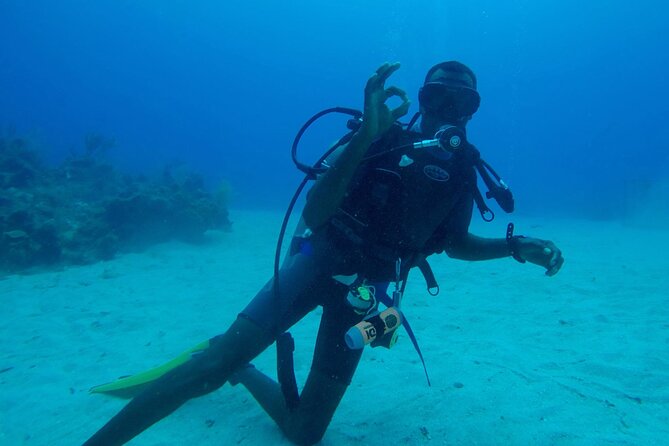
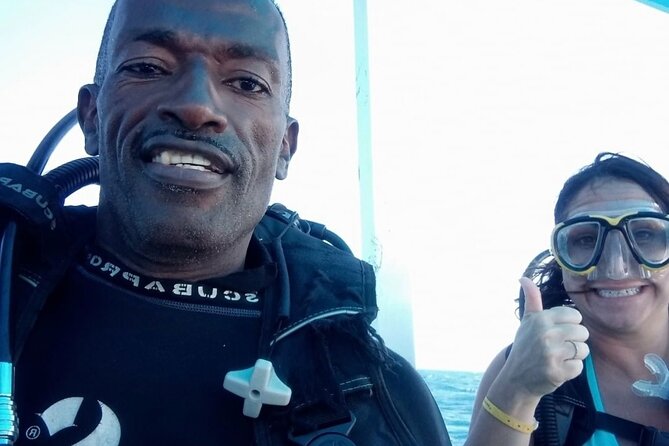
The name that shows up again and again in the feedback is Carl. People describe him as thorough, professional, and excellent at making them feel safe and comfortable.
That matters more than you’d think. On a first scuba trial, safety isn’t just equipment and procedures—it’s how you’re guided through uncertainty. If you’re nervous, a clear instructor helps you settle quickly. If you’re excited, a patient instructor helps you pace your energy so you don’t burn focus too early.
In the same vein, multiple comments reference patience and timing. That usually translates to a relaxed flow underwater: you’re not rushed from one step to the next, and you get time to adjust. Some first-timer sessions become chaotic when the group moves like a single organism. A good instructor slows the whole process down for each person’s comfort.
So if you tend to learn best by asking questions and getting direct coaching, you’ll probably enjoy this setup. And if you’re worried about feeling awkward underwater, Carl’s coaching style seems built to reduce that worry fast.
Price and value: is $169.99 a fair deal for a first try?
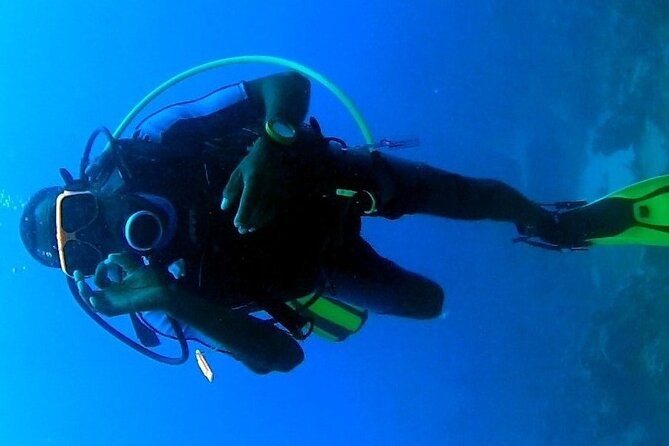
At $169.99 per person for about 3 hours, this is not the cheapest activity in Montego Bay. But it’s priced like something that includes real instruction plus gear—so you should judge it by what you get.
Here’s what’s included:
- scuba equipment
- bottled water
And what you’re paying for:
- a PADI instructor guiding you the entire time
- condensed theory and skill practice
- time in open water with one tank
When you compare that to the cost and hassle of renting gear separately, plus paying for instruction access, the price starts to make sense. The big “value” angle is convenience and safety: you’re not cobbling together scuba pieces on your own.
Also, you’re buying time with an instructor while you’re figuring out whether you even like the sport. If you decide you want certification after this, you’ll have a better idea of what you actually enjoy—so your money can go toward the right next step.
If you already know you love scuba, a full certification course might still be the better long-term investment. But for people who are curious, this trial format is a smart way to spend money efficiently and learn quickly.
What to bring (and what you don’t have to worry about)
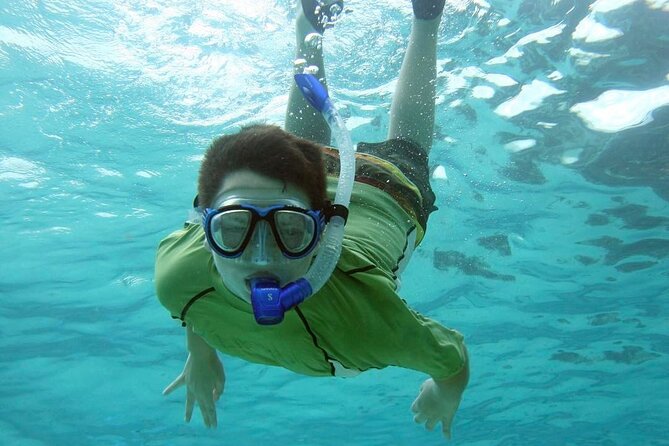
Good news first: you don’t need to worry about scuba gear or bottled water. Those are included.
What you should plan for:
- Lunch is not included, so eat beforehand or schedule afterward.
- Transportation isn’t included by default. Pickup can be arranged for a fee if you want it.
- You should have moderate physical fitness.
Because the exact clothing and personal items aren’t listed here, I’d treat packing as a “check with the provider” situation. The equipment is handled for you, so your packing should be mostly about being comfortable for a beach-based morning/afternoon and ready to follow direction quickly.
Weather, water clarity, and when the plan changes
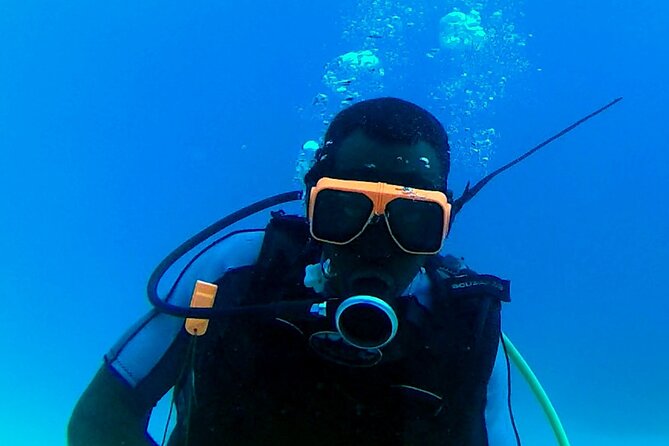
This experience depends on good weather, and conditions matter for safety and visibility. There’s even an example of a past cancellation due to murky water after a storm. In that case, the activity was canceled and no same-day alternative was offered.
That doesn’t mean it happens every time. It does mean you should treat this like a real water activity, not a guaranteed show. If the sea is rough or visibility is poor, your best outcome could be a reschedule or refund.
The upside is that the experience is described as having options if it’s canceled due to poor weather: you can be offered a different date or a full refund. So if you build flexibility into your Montego Bay schedule, you’re less likely to lose an entire day.
My practical advice: keep one less “must-do” plan on the same day. If you’re juggling excursions back-to-back, you’ll feel the stress more when conditions change.
Who this works for best in Montego Bay
This is a great match if:
- you want to try scuba without jumping straight into full certification
- you’d rather learn basics and get real open-water time in one short session
- you prefer smaller groups for hands-on attention
- you’re curious about coral and fish and want guided support
It may be a weaker fit if:
- you’re very sensitive to uncertainty or you freeze when something changes last minute
- you dislike being in water with equipment (because this is gear-based training)
- you’re not comfortable meeting the moderate physical fitness expectation
The session is also a nice option for people who travel with mixed experience levels. Since the course is designed for first-timers, you’re less likely to feel left behind.
How to get the most out of your short training window
You have about 3 hours, and that’s not long. So your best strategy is simple: show up ready, listen closely, and ask questions early.
Here’s how you’ll do best:
- Pay attention during the theory and skill practice. Those cues become your underwater “script.”
- Be honest with the instructor. If something feels hard or unclear, say it quickly so they can adjust.
- Take the free time to get comfortable underwater. Don’t try to rush through that part.
- Move slowly once you’re in the water. Slow usually means less trouble.
- When you notice coral and fish, let yourself enjoy it. A calm body makes it easier to spot wildlife.
One more tip: bring your best “curious beginner” attitude. Most people don’t remember the exact words from the briefing. They remember how safe and supported they felt. The coaching style here seems built for that.
Should you book this first-time scuba trial?
I’d book it if you’re in Montego Bay and you want a safe, guided way to test scuba without committing to a long certification course. The strongest reasons are practical: equipment and bottled water are included, you’re in a small group, and you’re with a PADI instructor throughout. Add the feedback about Carl’s patience and professionalism, and you get a setup that’s built for comfort on day one.
I’d think twice if your schedule is too tight to handle weather changes. Since the experience depends on water conditions, you don’t want to stack your day with plans that can’t move.
If you’re flexible and excited to try something new, this is a very reasonable way to experience Jamaica’s underwater world—without needing to be certified first.
FAQ
Do I need scuba certification to book?
No. This experience is designed for first-timers, and you’ll learn the basics of theory and technique with a PADI instructor.
How long is the experience?
It lasts about 3 hours.
What’s included with the ticket?
You’ll get bottled water and use of scuba equipment. Lunch and transportation are not included.
Where does the activity start?
The meeting point is Sunset Beach, Montego Bay (F3RF+V58). It ends back at the meeting point.
Is transportation provided?
Free transportation is not included. Pickup can be arranged for a fee.
What happens if weather conditions are poor?
The activity requires good weather. If it’s canceled due to poor conditions, you’ll be offered a different date or a full refund.