REVIEW · CURACAO
Curacao Helmet Diving-Walk the Ocean Floor, No Swimming Required
Book on Viator →Operated by Sea Trek Curacao · Bookable on Viator
Ever wanted to walk underwater without swimming? This Curaçao helmet underwater walk lets you follow a guided path over the seabed, with fish food and corals right in front of you. I like that it’s built for real comfort too, not just for confident swimmers—plus the whole setup feels organized from minute one.
–
I especially love the small-group feel. You start with clear instructions in shallow water, then you head down with guide support nearby the whole time. I also like how the marine life shows up close: when fish food goes in, you tend to see more fish than you’d expect from just looking through the water.
One thing to consider: the helmet can feel heavy and a bit tight for some people, and if you’re prone to claustrophobia or motion sickness, plan carefully (more on that later). Some first-timers also report feeling a little off after.
In This Review
- Key Things You’ll Notice Right Away
- How the Helmet Walk Works in Curçao’s Shallow Water
- Getting to Sea Trek: Where to Meet and How Pickup Fits Your Day
- What’s Included (and What’s Not): Water Shoes and the Helmet Reality
- The Underwater Walk Itself: Following the Path, Seeing the Sea Life
- The Photo and Video Option: Worth It, With One Practical Heads-Up
- Who This Tour Suits Best (Non-Swimmers, Families, and First-Timers)
- Potential Downsides: Heavy Helmet Feel, Claustrophobia, and Motion Sickness
- Price and Value: Is $150 Worth It for Curçao?
- Should You Book the Curacao Helmet Underwater Walk?
- FAQ
- What is the duration of the tour?
- Where do I meet for Sea Trek in Curaçao?
- Is pickup available from Willemstad hotels?
- How much does pickup cost?
- Do I need to know how to swim?
- What is the minimum age?
- How many people are in the group?
- What is included in the price?
- Is a towel included?
- Are underwater photos or videos available?
- Can I bring a service animal?
Key Things You’ll Notice Right Away
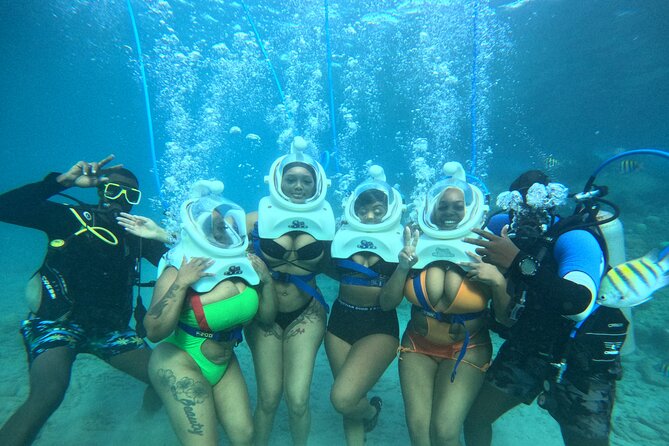
- No swimming required: you walk along the ocean floor with safety staff nearby
- Small groups: max 12 travelers, with a very tight feel in the water
- Fish feeding is part of the show: fish food helps bring marine life closer
- A guided route protects coral: you stay on a pathway instead of wandering
- Helmet fit matters: it can feel weighty, especially for petite guests
- Optional photos/video cost extra: plan for a $50 per-group add-on
How the Helmet Walk Works in Curçao’s Shallow Water
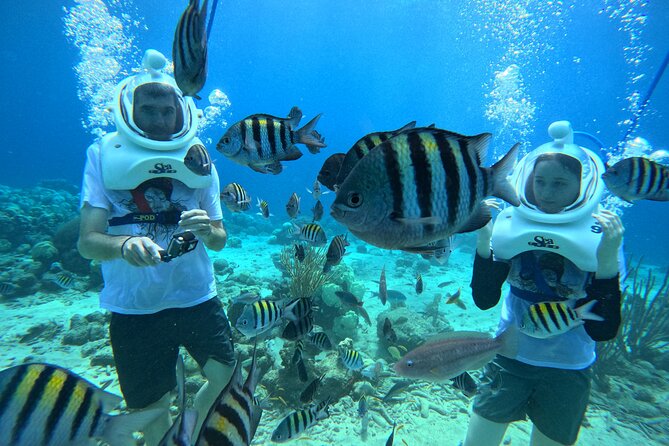
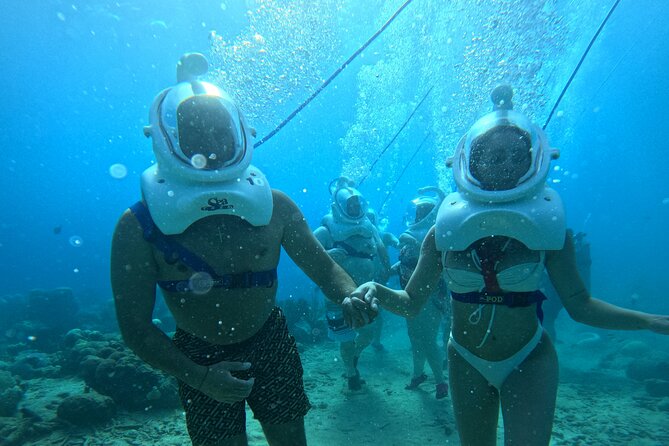
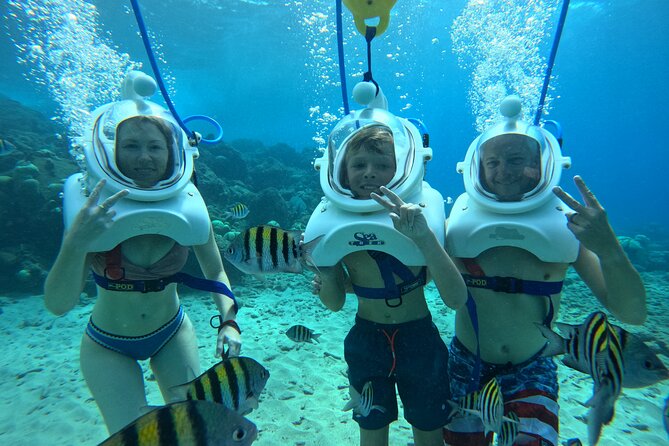
This is an underwater walking tour using a sturdy helmet. You don’t swim or tread water like a typical snorkel day. Instead, you’ll wear the gear, start in shallow water, and move at a guided pace along a marked route over the seabed.
The practical magic is simple: you get to look around from very close range without needing special skills. That means the experience can work for people who enjoy the ocean but don’t want the stress of floating, breathing techniques, or keeping track of fins.
Safety is part of the design. You’re not sent out alone. The guide support is right there during the underwater walk, and the whole experience is paced so you can adjust to the helmet and water rhythm.
You can also read our reviews of more tours and experiences in Curacao.
Getting to Sea Trek: Where to Meet and How Pickup Fits Your Day
Your main meeting point is the Sea Trek Curacao Underwater Walking Tour at Dr. Martin Luther King Boulevard in Willemstad. The activity ends back at the same meeting point, so you’re not building complicated logistics into the rest of your vacation.
If you’re staying in Willemstad and want less hassle, pickup can be arranged from select Willemstad locations for an extra fee paid upon pickup to your driver. If you’d rather keep it simple, you can also go on your own since it’s near public transportation.
Time-wise, expect about 1 hour total for the tour (approx.). One big value point: after the walk, you have the rest of the day to do beaches, town wandering, or whatever your Curçao day plan looks like. This is not an all-day commitment.
What’s Included (and What’s Not): Water Shoes and the Helmet Reality
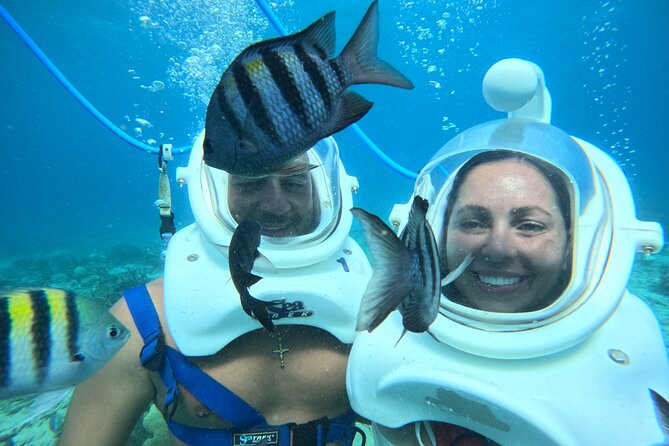
Included: water shoes. That matters because you’ll be walking in the water, and footwear grip helps you feel steady during the route.
Not included: a towel, and the photo/video add-on costs extra. You’ll want to plan for drying off afterward on your own.
Now, the helmet. It’s the whole point of the tour, but it’s also the main “how does it feel” factor. In feedback, some people found the helmet heavy or uncomfortable—especially petite guests. Others felt fully fine after a short adjustment.
If you wear prescription glasses, one guest noted wearing them and described the helmet as having a magnifying effect that helped with viewing. That magnification can be a double-edged sword if you’re sensitive to dizziness, so keep that in mind.
The Underwater Walk Itself: Following the Path, Seeing the Sea Life
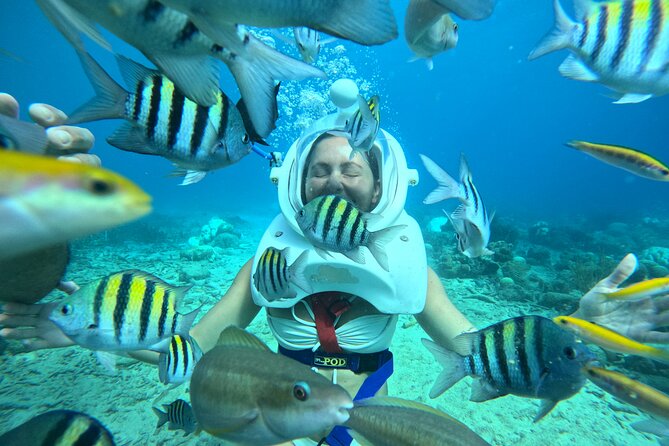
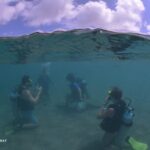
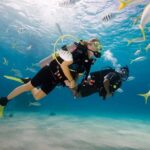
The experience is guided from the shoreline into the shallow section. You’ll get instructions before you go under, and then you follow your guide’s movement as you walk along the ocean floor.
What you’ll see depends on the site and conditions, but the most common highlights include:
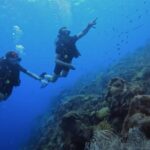
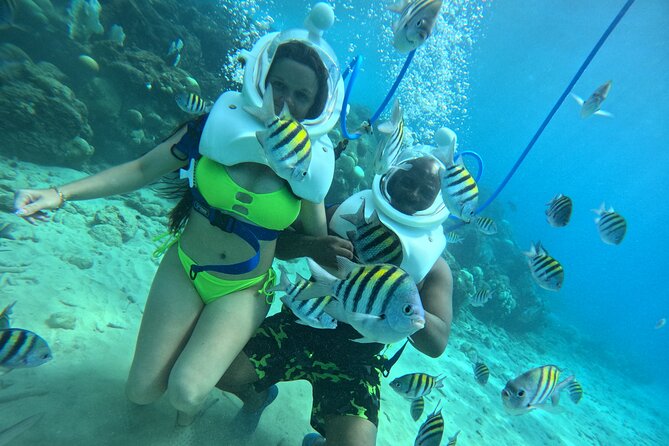
- schools of fish and reef life close enough to feel like you’re in the scene
- corals along the route
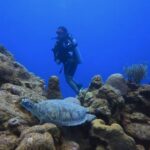
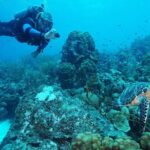
- a chance at bigger sightings like a sea turtle (some trips include it)
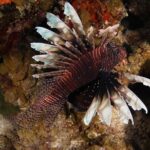
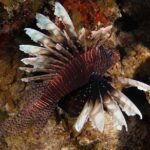
Fish feeding is a key part of the experience. The guides bring fish food, and it tends to draw fish nearer to your walking route. That’s why pictures often look better than you’d expect from “just looking around.” The fish come to you.
You’ll also notice the tour respects the underwater environment. One guest specifically pointed out that you use a pathway rather than disturbing things by wandering. That’s a big deal if you care about coral health and want to keep the experience responsible.
The Photo and Video Option: Worth It, With One Practical Heads-Up
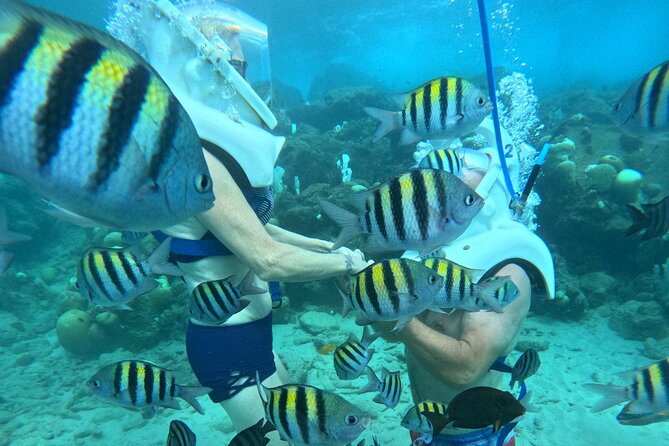
There’s an optional underwater photo and video package for $50 per group. If you like having someone else handle the camera work, it can be a nice add-on—especially since you’ll be focused on breathing, balance, and enjoying what’s around you.
A practical heads-up: one guest felt the pictures could have been better because shots included other people in their group at times. That doesn’t mean yours will be like that, but it does suggest you should set expectations. Think of it as a fun memory capture, not a guaranteed private photo shoot.
If you’re hoping for perfect framing, it can help to accept that the underwater moment is fast and everyone’s moving along the same route. You’ll still see plenty, and you can always plan to take your own photos topside before or after.
Who This Tour Suits Best (Non-Swimmers, Families, and First-Timers)
This is one of the best “ocean experience” choices for people who can’t swim. The tour is designed for guests eight years and older, and the no-swim format is a major reason it sells so well.
It also works for families because the pacing and support are built in. One family experience highlighted how guides checked in carefully with kids before proceeding into the water. That’s reassuring if you’re traveling with teens who are curious but nervous.
If you’re someone who gets anxious around water, the guiding style is often the difference. Multiple guide names came up in feedback for calm, supportive coaching. Miguel was specifically praised for staying close to help a nervous non-swimmer finish and enjoy the tour. Chris also got credit for being professional and fun with safety instructions. Thai was described as scary at first but still manageable once the moment clicked.
This is a good fit if you want a guided underwater experience without the mental workload of swimming technique. You can focus on observing fish and corals instead of worrying about your next breath.
Potential Downsides: Heavy Helmet Feel, Claustrophobia, and Motion Sickness
Let’s talk about the realistic tradeoffs.
First: helmet comfort. Some feedback says the helmet felt heavy and uncomfortable, especially for a petite person. If you’re very small in stature or dislike headgear, it’s worth planning for the possibility that the helmet won’t feel featherlight.
Second: claustrophobia and panic. One guest explicitly said they wouldn’t recommend it if you’re claustrophobic, describing panic feelings during the helmet experience. The guide noticed and helped them focus on breathing, but the key takeaway is this: if tight-space feelings reliably trigger panic, don’t ignore that warning sign.
Third: motion sickness. Another guest suggested taking motion sickness medicine in advance (they mentioned Dramamine) and noted nausea afterward. They also described the helmet magnifying effect as making them dizzy. If you’re prone to seasickness, it’s smart to treat this like an activity that can affect your stomach, not just your comfort level.
Practical help: go slow. Follow instructions. Tell your guide if you feel off early, not after you’ve already got a full panic spiral. The whole system is built around guide support, and that support is most effective when you communicate sooner.
Price and Value: Is $150 Worth It for Curçao?
At $150 per person, this isn’t a budget activity. So you should ask: what are you paying for?
You’re paying for three things that are hard to DIY:
- A real underwater walking experience without swimming
- Small-group guidance with gear coaching and route safety
- Marine-life close-up time, boosted by fish feeding
Compared with many beach excursions that turn into a long wait-and-watch situation, the helmet walk is structured so you’re in the water doing the experience, not just looking from the shore. That’s where the value hits.
Also, it’s only about an hour. You’re not paying $150 for an all-day tour that steals your whole day. You’re paying for a short, focused block of underwater time, then you get the rest of your day back.
If you’re someone who loves marine life, hates swimming, and wants a guided “ocean close-up” with minimal stress, this price can feel fair. If you’re highly sensitive to motion or tight feelings, the value math flips, because you might not enjoy the core part of the experience.
Should You Book the Curacao Helmet Underwater Walk?
Book it if:
- you want no-swim underwater time
- you like guided activities where someone else handles the safety flow
- you’re excited about close fish sightings, and fish feeding sounds like your kind of moment
- you travel with teens or adults who want a water experience but need reassurance
Skip or think twice if:
- you’re claustrophobic or hate the idea of a heavy helmet
- you’ve had motion sickness problems before in water-based activities
- you’re expecting a super long underwater session. This is short and focused, not a full-length ocean adventure day.
If you do book, plan smart: wear comfortable water-ready footwear, bring a towel (since it’s not included), and mention any motion or comfort concerns before going in. With the right mindset, this is one of those Curaçao activities that feels like a real story you’ll tell later.
FAQ
What is the duration of the tour?
The tour lasts about 1 hour (approx.).
Where do I meet for Sea Trek in Curaçao?
The meeting point is Sea Trek Curacao Underwater Walking Tour on Dr. Martin Luther King Boulevard in Willemstad. The tour ends back at the same meeting point.
Is pickup available from Willemstad hotels?
Pickup can be arranged from select Willemstad locations for an extra fee paid upon pickup to your driver.
How much does pickup cost?
Pickup and drop-off service is listed as $15 per person, and a round-trip transfer is listed as $15 per person.
Do I need to know how to swim?
No. Swimming is not required.
What is the minimum age?
The tour is for ages eight years and older.
How many people are in the group?
The maximum group size is 12 travelers.
What is included in the price?
Water shoes are included.
Is a towel included?
No. A towel is not included.
Are underwater photos or videos available?
Yes. Underwater video and pictures are available for $50 per group as an optional add-on.
Can I bring a service animal?
Yes, service animals are allowed.