REVIEW · CAPE TOWN
Cape Town: Shark Science SCUBA Diving Experience
Book on GetYourGuide →Operated by Cape RADD · Bookable on GetYourGuide
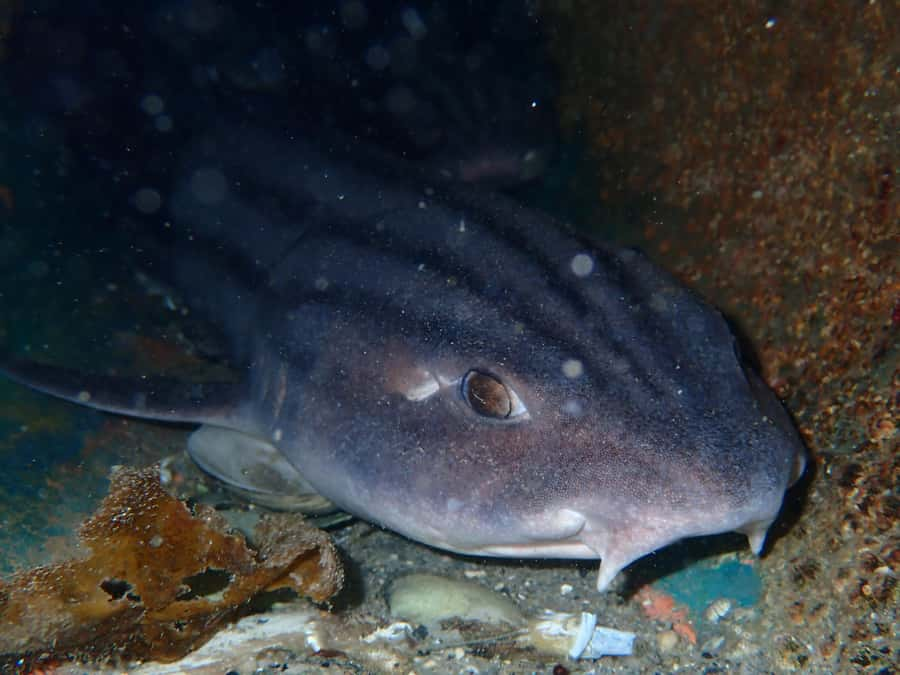
Seeing sharks in South Africa feels like sci-fi. This small-group SCUBA shark-science session from Cape RADD mixes real underwater research with a guided look at the Great African Sea Forest. You’re in False Bay waters, focused on spotting species like puffadder sharks and pyjama sharks, plus rays, sea bream, and octopus.
I especially like that you’re not just watching. You help Cape RADD collect marine citizen-science data, including shark pattern photos that feed into Fin Spotter, and underwater abundance notes using data slates. I also love the human touch—one guide named Mark is described as caring and thorough with equipment checks, which matters when you’re getting ready to go underwater for longer observation.
One thing to think about: this is not a “relax and float” outing. If you’re prone to motion discomfort or have heart or back issues, the physical demands and cold-water gear routine can be a deal-breaker.
In This Review
- Key Highlights You’ll Actually Use
- Why This Shark Science Morning Beats a Standard Ocean Tour
- Ocean HUB in Simon’s Town: Getting Oriented Without the Chaos
- The Great African Sea Forest Briefing: What You’re Looking At Under the Kelp
- From Safety to Water Time: What the Morning Schedule Feels Like
- Citizen Science Underwater: Spot Sharks, Rays, and Fish With Purpose
- Fin Spotter and Data Slates: Turning Photos Into Conservation
- The Gear and Support Setup: What’s Included and What You Need
- Timing, Comfort, and How to Plan Your Lunch Day
- Price and Value: Is $178 Worth It?
- Should You Book Cape RADD’s Shark Science SCUBA Session?
- FAQ
- Where is the meeting point for the Shark Science experience?
- How long does the experience take?
- Is scuba certification required?
- What’s included in the price?
- What should I bring?
- Is lunch included?
Key Highlights You’ll Actually Use
- Small group (max 10) means more hands-on attention and less standing around
- Shore entry SCUBA plus a kelp-forest focus near Simons Town gives you a real ecosystem view
- Shark pattern photos for Fin Spotter help estimate population size and movement patterns
- Underwater data slates support fish abundance counting for conservation
- Preplanned underwater sites improve your odds of seeing penguins and sea otters (not guaranteed)
- Heated outdoor rinse shower and a warm beverage let you recover like an adult
Why This Shark Science Morning Beats a Standard Ocean Tour
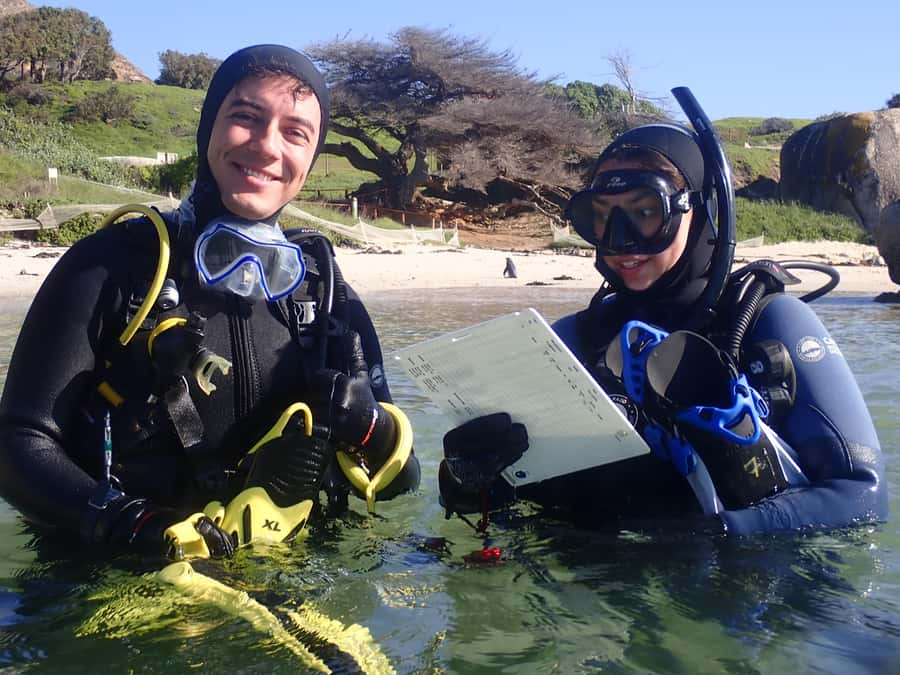
A lot of ocean tours end up being a checklist of what you might see. This one is different because the purpose is science you can contribute to, even if you’re just there as a certified open-water diver.
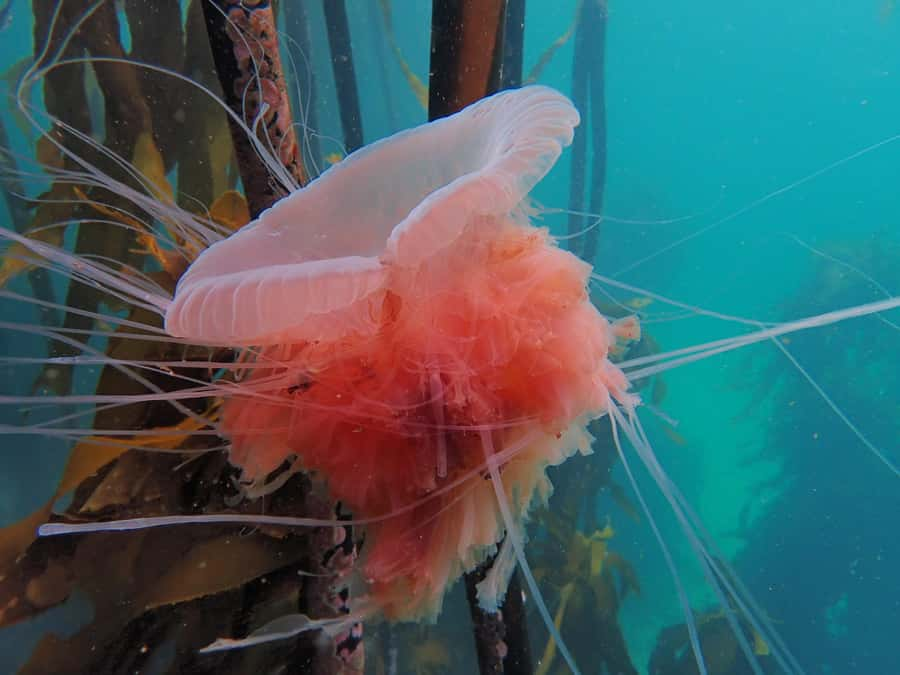
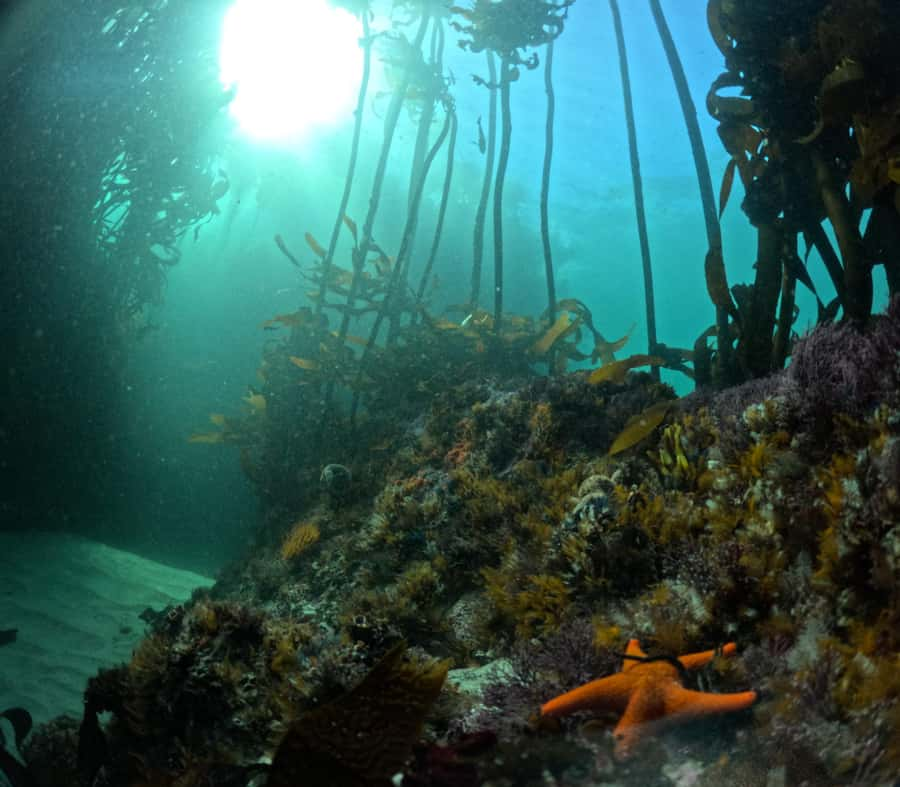
You’ll be working in kelp forests, where the habitat complexity drives the whole food chain. The kelp system around False Bay is part of what’s called the Great African Sea Forest, and the briefing is built to help you understand what you’re looking at: how the sea bamboo and kelp structures create cover, feeding zones, and movement pathways for fish and bigger animals.
The best part, for me, is the “why” behind the activity. When you photograph shark patterns or record fish abundance, you’re doing something that can be used later, not just creating memories that fade after lunch.
You can also read our reviews of more tours and experiences in Cape Town.
Ocean HUB in Simon’s Town: Getting Oriented Without the Chaos
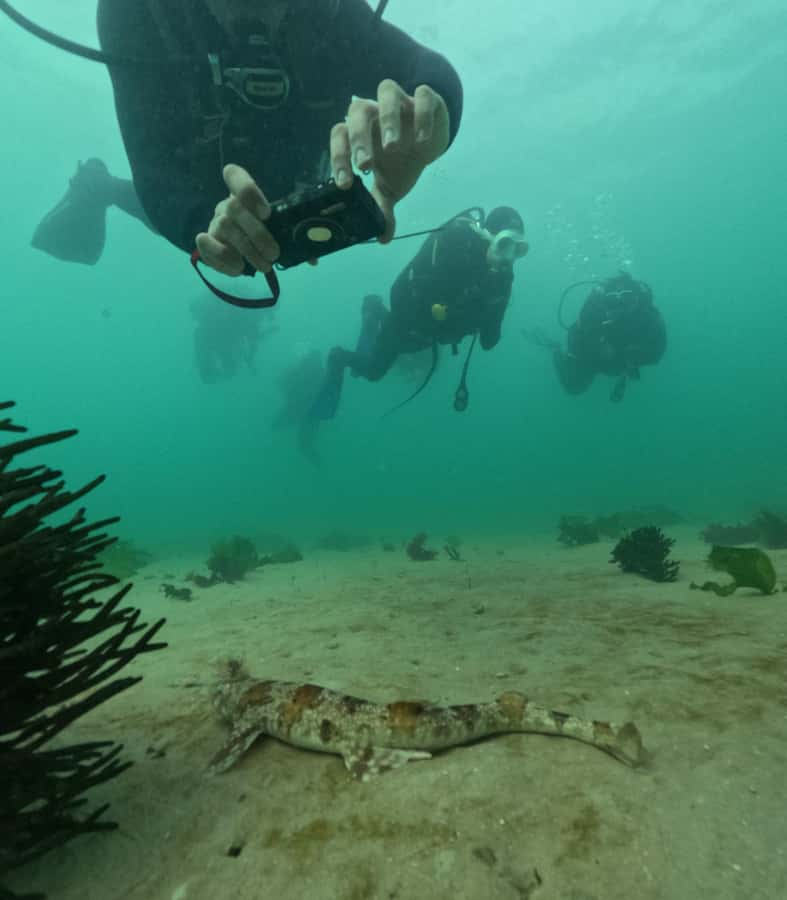
You meet at the Ocean HUB at Simons Town (Cape RADD) around 9:30am. The meeting point is in the parking lot of the False Bay Yacht Club, under the Seven Seas Club building, and you’ll find it at 117 St George’s St area.
Before any water time, plan for a short safety briefing (about 20 minutes). This is a good sign for anyone who wants confidence and clarity. One of the strongest positives in the experience is that guides do careful equipment checks—for example, Mark is specifically mentioned for a proper buddy-check and taking questions seriously.
You’ll also get a warm start with complimentary tea/coffee, which sounds small until you’re doing cold-water prep. Then comes the focus shift: you’ll talk about the day’s dive objectives and the “shark science” angle, so you know what you’re trying to spot and why it matters.
If you’re the kind of person who gets nervous once you’re kitted up, this structure helps. You’re learning the plan first, then doing the work.
The Great African Sea Forest Briefing: What You’re Looking At Under the Kelp
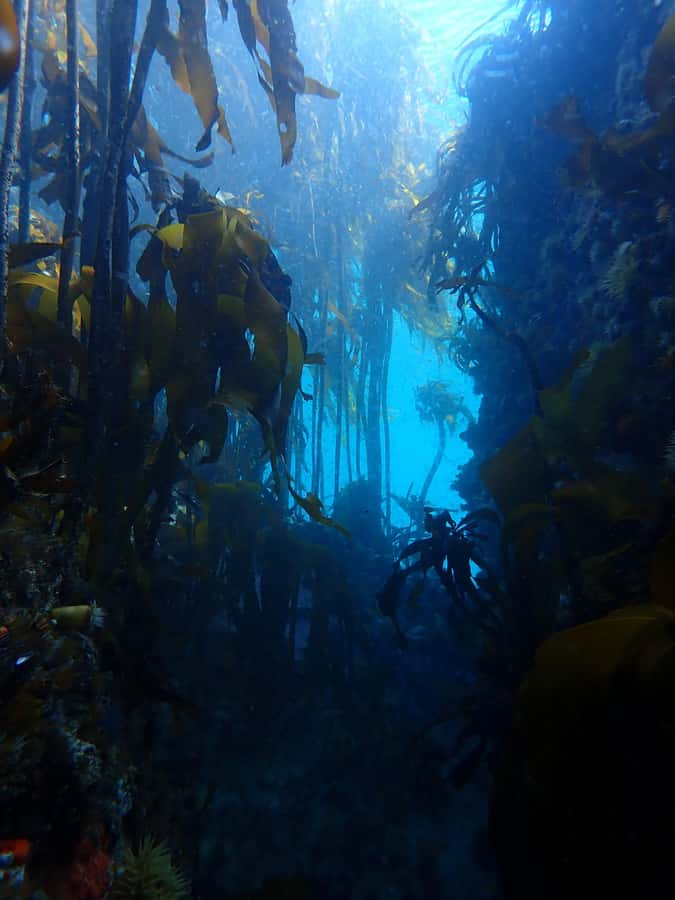
Once you’ve got your bearings, you spend most of your time in the kelp forests near Simons Town. That matters because kelp doesn’t just make the water look cool—it changes the rules of visibility, movement, and animal behavior.
Expect the briefing to connect the dots between habitat and animals. You’ll learn about the kelp forests of South Africa and the broader ecosystem of the Great African Sea Forest. In plain terms, the underwater “forest” creates shelter and feeding opportunities, so the animals aren’t scattered randomly. They cluster around structure, which is exactly what you’ll be scanning for during your time underwater.
Also pay attention to the team’s expectations for how you’ll behave in the water. Touching marine life or plants isn’t allowed, and smoking is not permitted. That sounds like basic rules, but it’s actually part of how you keep the kelp and animals safe while you work.
There’s also a little lightness built into the day. One of the fun details is that you’ll get to enjoy the motion of kelp itself—like dancing sea bamboo kelp—so it doesn’t turn into a lecture marathon.
From Safety to Water Time: What the Morning Schedule Feels Like
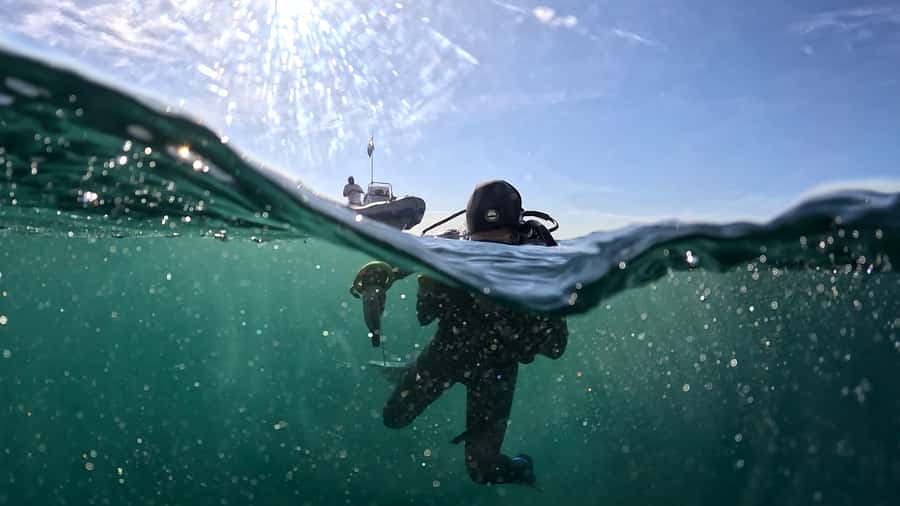
Your total experience runs roughly 3 to 3.5 hours, and it’s designed so you’re done by about 12:30 to 1:00pm, leaving time for lunch.
The morning flow looks like this:
- Safety briefing (around 20 minutes)
- Water time for orientation that includes snorkeling (about 1 hour)
- A coffee break (about 15 minutes)
- Then the main work in the kelp area, using your SCUBA setup from predetermined underwater sites
That snorkeling portion can be especially helpful if you’re a newer diver or just want to get comfortable with conditions before committing to longer time underwater. Even if you’re already comfortable in open water, it’s a calm way to get used to local sights, currents, and how the kelp affects movement.
One practical note: the sites are predetermined. That means you’re not free-roaming, which can feel limiting if you want total exploration freedom. On the flip side, it usually means better planning for both safety and observation goals.
Citizen Science Underwater: Spot Sharks, Rays, and Fish With Purpose
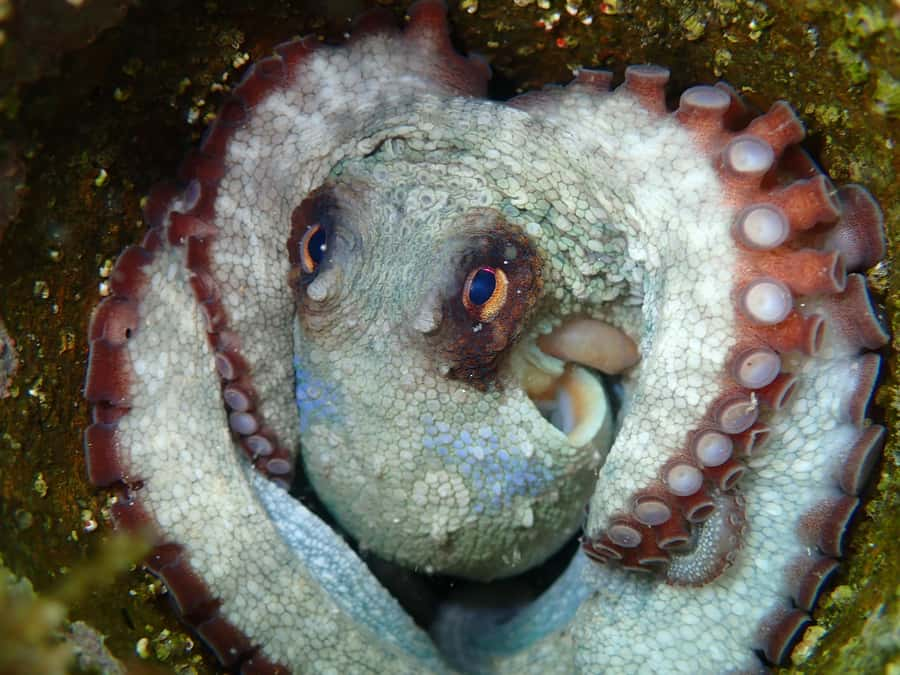
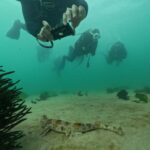
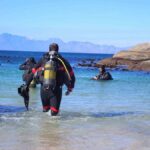
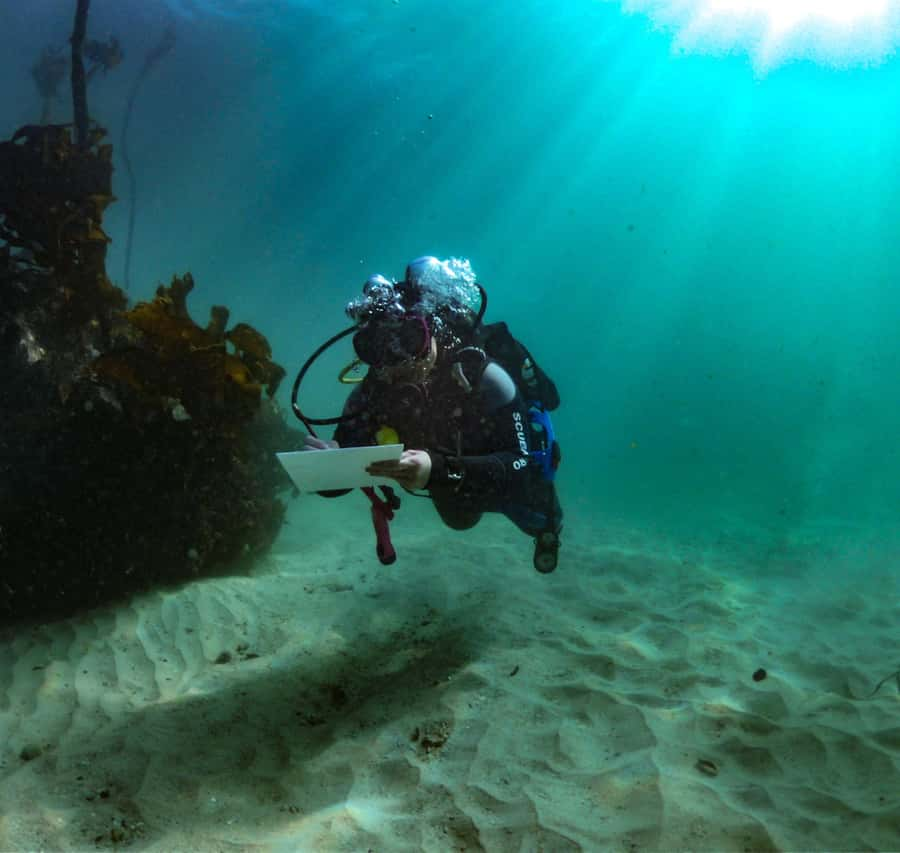
This is shore entry SCUBA work, guided by marine biologists. Your main mission is to search for specific animals like puffadder sharks and pyjama sharks, plus stingrays, sea bream, and more.
What makes this feel valuable is that you aren’t doing generic “just look around” scuba time. The group’s attention is guided toward observation and documentation that helps conservation organizations track what’s happening in False Bay.
You can contribute in one of two core ways:
1) Shark pattern photography
You’ll photograph shark patterns and submit them to Fin Spotter. The goal is to estimate population size and movement patterns based on identification from those patterns.
2) Fish abundance data using underwater slates
If you’re not focused on shark photos, you can collect fish data by recording what you see on data slates. That supports conservation by tracking abundance in the area.
Either way, you’ll be paying attention to details underwater: where animals move relative to kelp structure, what species show up at the same observation times, and how visibility and light affect what you can accurately count.
And yes, it’s still enjoyable. You’re spending real time among kelp and sea life, not sprinting past it. Expect chances to see interesting marine moments, including the possibility of penguins and sea otters at the water site, depending on conditions.
Fin Spotter and Data Slates: Turning Photos Into Conservation
Let’s talk about the part that usually gets glossed over on travel pages: what “submit data” actually means for you.
When you take shark pattern photos for Fin Spotter, you’re helping researchers estimate how many animals are present and how they move over time. That’s the difference between a one-day sighting and something that contributes to longer-term understanding. You’re creating a reusable record, not just a photo you keep on your phone.
For fish abundance data, the work is quieter but just as meaningful. Underwater counting is only useful if observers follow consistent methods, and that’s why guided instruction matters. You’re not just guessing—you’re recording in a structured way using slates.
Two smart things to do on your side:
- Make sure you can comfortably see and photograph what you’re assigned to track, even when the kelp blocks your view.
- Listen for the team’s guidance on how to record counts clearly, because accurate notes are what makes the data usable.
The Gear and Support Setup: What’s Included and What You Need
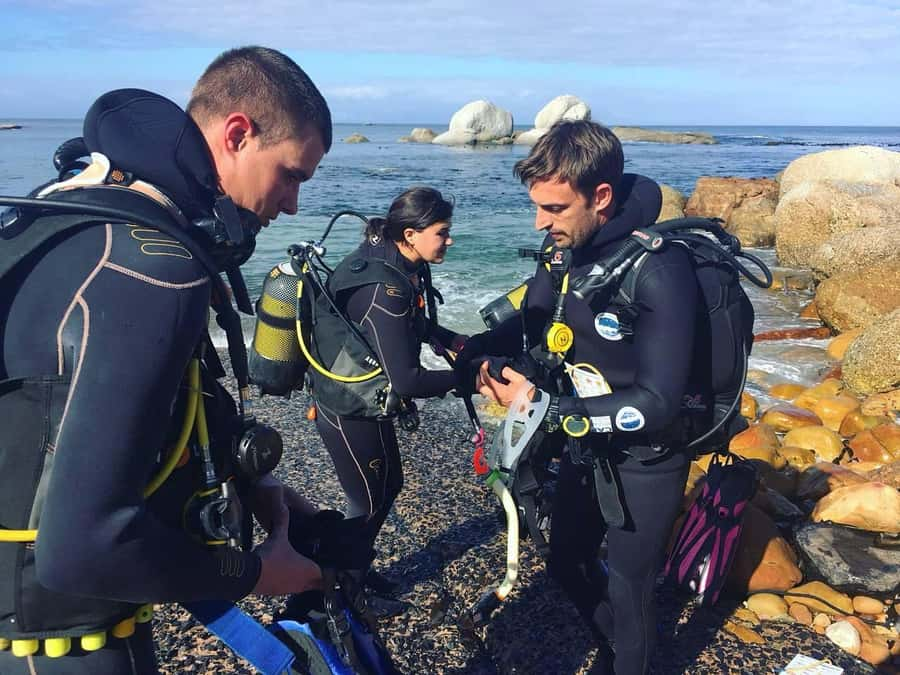
Good news: all diving gear is included. That takes away one of the biggest headaches of SCUBA travel—last-minute rentals and mismatched equipment.
You’ll still need to bring personal items. The essentials are:
- Hat
- Swimwear
- Towel
- Snacks
- Sunscreen
- Water
Also, follow the “no touching” rules. It protects the ecosystem and keeps your dive safer.
A key note from the experience details: this is not suitable for people without proper scuba certification, and it isn’t meant for kids under 10. It also says it’s not for people with back problems, heart problems, wheelchair users, or non-swimmers. If any of those apply, it’s worth respecting the limitation rather than trying to force it.
Finally, the day ends with a rinse and comfort: you’ll come back to Cape RADD HQ for a heated outdoor shower and to log your dive over a warm beverage. That “warmth after water” detail matters more than you’d think.
Timing, Comfort, and How to Plan Your Lunch Day
Because the activity is about 3 to 3.5 hours, you’re not committing your entire day to the water. You’ll be done in time for lunch, which is helpful in Cape Town where travel time and queues can eat your day.
You should still treat it like a morning event. Arrive early enough to settle in and ask any last questions before you suit up. If you’re not great with mornings, pack your snacks and water so you don’t burn energy while waiting.
Also, plan around weather and water conditions. The experience uses predetermined sites and a shore-entry approach, which is a controlled setup, but the sea always has its own mood. If visibility is low, you’ll rely more on guidance and observation priorities.
Price and Value: Is $178 Worth It?
At $178 per person, this isn’t a budget snorkeling outing. The value comes from what’s included and what you contribute.
You’re getting:
- Guided SCUBA time with marine biologists
- A briefing on False Bay’s ecosystem and the kelp forest context
- Gear provided
- A structured way to contribute to science (Fin Spotter photos and/or fish abundance data)
- A small group size limit of 10
If you compare it to tours that only hand you a view and a story, the citizen-science part changes the math. You’re paying for instruction, equipment, and research-aligned documentation—basically paying for a guided path into the ecosystem rather than just drifting above it.
The only “cost” you should mentally budget for is attention and physical comfort. You’ll have to follow instructions, stay aware in kelp, and accept that you’re there to observe and record.
Should You Book Cape RADD’s Shark Science SCUBA Session?
Book it if you want an underwater experience with real purpose. You’ll like this most if you’re curious about the kelp forest ecosystem, you’re comfortable being guided through observation, and you want to contribute to shark and fish monitoring.
Skip it if you’re looking for an easygoing, casual water hangout. It’s structured, it includes data work, and you must be a certified, comfortable open-water diver. If you’ve had trouble with communication after activities before, I’d also note this: one experience included disappointment about not receiving follow-up photos and not getting a certificate, so choose this for the science and the morning experience first, not for guaranteed post-day extras.
If you’re okay with that, you’ll walk away knowing more about False Bay than you started with, and you’ll have helped researchers log what’s happening beneath the kelp.
FAQ
Where is the meeting point for the Shark Science experience?
You meet at the Ocean HUB in Simons Town (Cape RADD), in the parking lot of the False Bay Yacht Club under the Seven Seas Club building, around 117 St George’s St.
How long does the experience take?
The experience lasts about 3 to 3.5 hours, so you should be finished around 12:30 to 13:00 for lunch.
Is scuba certification required?
Yes. The activity is not suitable for people without scuba certification, and it’s intended for qualified open water SCUBA divers.
What’s included in the price?
The guided SCUBA session with marine biologists, ecosystem briefing, opportunity to photograph sharks and submit data, kelp forest exploration, and all diving gear are included.
What should I bring?
Bring a hat, swimwear, a towel, snacks, sunscreen, and water.
Is lunch included?
No, lunch is not included.