REVIEW · BORACAY
Boracay: Introduction to Scuba Diving Experience
Book on GetYourGuide →Operated by BORACAY ADVENTURES TRAVEL N TOURS INC · Bookable on GetYourGuide
Your first breaths underwater can feel surprisingly easy. This beginner Discover Scuba session in Boracay is set up to take the mystery out of gear, breathing, and control, with a guide close by the whole time and a clear finish line in hand. You’re capped at 6 meters for the underwater part, and you get a digital completion certificate plus complimentary underwater photos/videos.
I especially like the step-by-step training: theory on the basics, then hands-on practice in calm, confined water before you go out on a boat. I also love the instruction style—lots of people highlight patient coaching from guides such as Romeo, Roy, Butch, Ben, Luis, and Gary, with a guide-to-student ratio around 1:2 to 4.
One thing to consider: the underwater portion is time-limited for safety and comfort, and the photo/video results can vary in quality. If you’re expecting long, cinematic footage, you may feel it’s a bit short or inconsistent.
In This Review
- Key points worth your attention
- Why Boracay’s beginner scuba session feels manageable
- Getting oriented at Astoria Station 1 (in front of Tiger Sugar)
- Theory and safety briefing: what you’ll actually learn first
- Gear up the right way: included equipment and what to check
- Confined shallow-water training: the confidence-building block
- Boat ride to the beginner-friendly underwater site
- The guided open-water session: staying around 6 meters
- How the guides keep things safe (and calm)
- Photos, videos, and your completion certificate
- Price and value: what $50 buys you in real terms
- Who this is best for (and who should skip it)
- The flying rule you must respect after your session
- Languages and guide support
- Should you book this Boracay beginner scuba session?
- FAQ
- Do I need scuba certification to do this experience?
- What depth will I reach?
- How long does the whole experience take?
- What time options are available?
- Where do I meet the tour?
- What’s included in the price?
- Are hotel pickup and drop-off included?
- Are meals included?
- Who isn’t suitable for this activity?
- Can I fly soon after the session?
Key points worth your attention
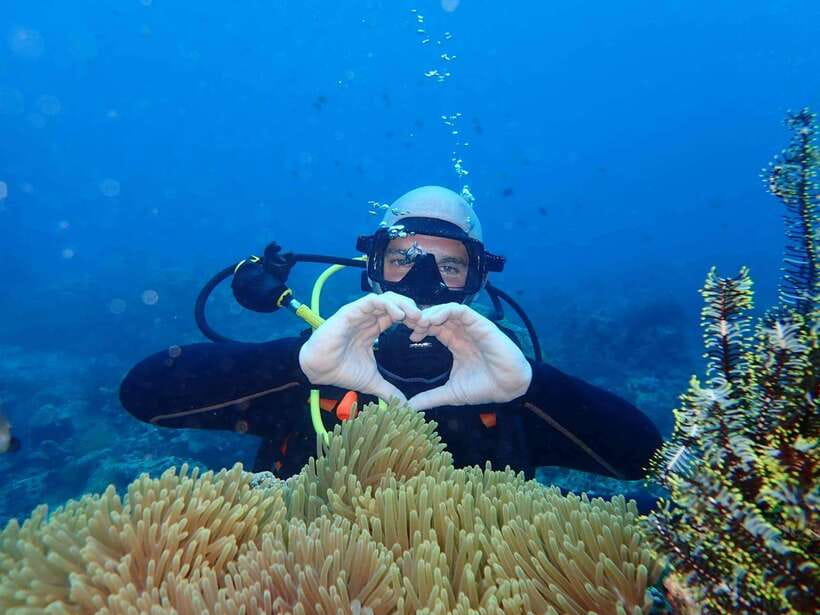
- Beginner-first structure: theory, confined skills, then an instructor-led underwater session.
- Small groups and close supervision: guidance is built around comfort and control.
- Shallow maximum depth: expect around 6 meters for the main experience.
- Photos/videos included: you leave with downloadable underwater media and a completion certificate.
- Real-world safety focus: equalizing pressure, mask clearing, and clear hand-signal basics are emphasized.
Why Boracay’s beginner scuba session feels manageable
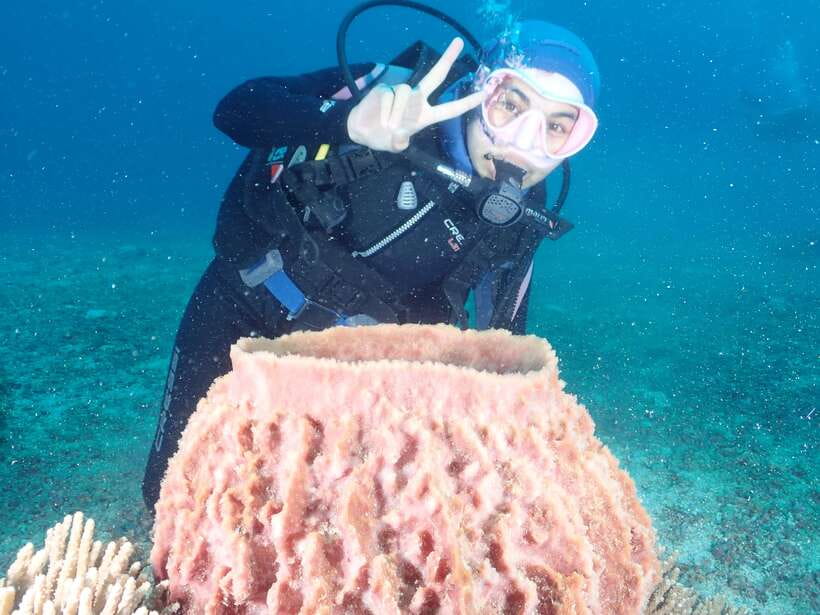
Boracay is famous for its clear water and colorful reefs, but the real win here is the way the experience is paced for first-timers. This isn’t a grab-your-mask-and-go situation. You’ll get your foundation first, then the ocean adds the wow factor.
The promise is simple: you learn the key breathing and pressure skills with professional instruction, then you test them in controlled conditions. That’s how nervous energy turns into steady confidence, even if you’re not a strong swimmer or you’re anxious about being underwater.
You can also read our reviews of more tours and experiences in Boracay.
Getting oriented at Astoria Station 1 (in front of Tiger Sugar)
Your day starts at the Astoria Station 1 Beach Front area, in front of Tiger Sugar Cafe. Look for the Boracay Adventures Guide holding a Get Your Guide sign.
This matters more than it sounds. A clear meeting point reduces stress, especially for first-timers who already feel a little “new gear, new world” jitters. Starting on time also helps because the training plan depends on everyone arriving together.
The experience runs with a morning or afternoon option—9:00 AM or 1:00 PM. The total activity time is listed as about 2–3 hours, with the full slot running roughly 3 hours.
Theory and safety briefing: what you’ll actually learn first
Before you ever go in the water, you’ll get a briefing led by a certified PADI Instructor or Dive Master. You’ll cover the principles of breathing underwater and the key skill of equalizing pressure as conditions change.
You’ll also walk through:
- the scuba equipment you’ll use
- essential underwater hand signals
- the main safety rules and procedures
This is where a lot of first-timers either relax or panic—so the quality of the teaching matters. Many past participants praise the professional tone and how clearly instructors explain what to do if something feels off.
Gear up the right way: included equipment and what to check
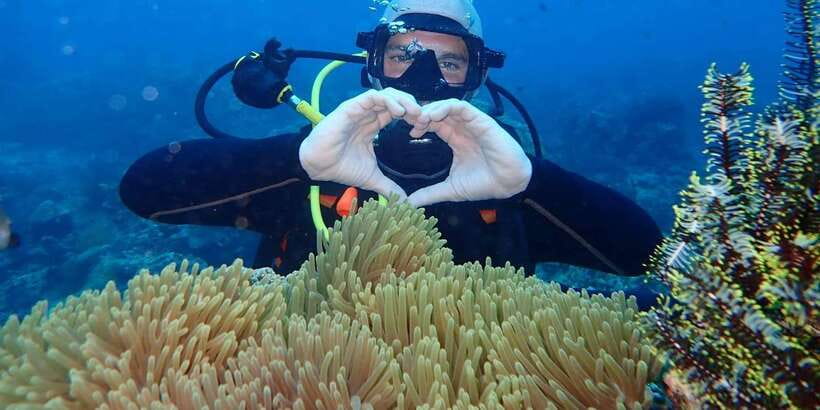
Once the basics are explained, you’ll gear up with expert assistance. The included rental set covers the full system: mask, fins, wetsuit, regulator, and a Buoyancy Control Device (BCD) plus tank and weights. You’ll also have a snorkel included.
The big value here is fit and comfort. With a mask and regulator, small issues can turn into big distractions once you’re underwater. Having staff help you get a comfortable setup early is part of what makes the experience feel safe.
You should also expect regular check-ins during the session. Multiple reviews describe instructors keeping an eye on students and staying close, reinforcing the idea that this is guided, not “go figure it out.”
Confined shallow-water training: the confidence-building block
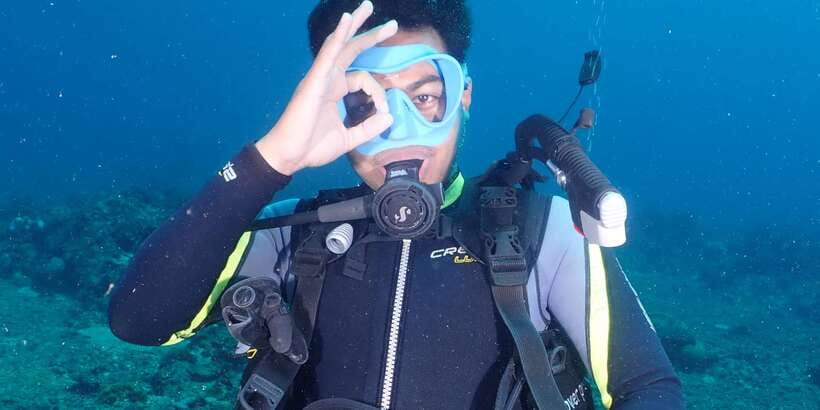
After gear and briefing, the plan shifts to calm, confined shallow water near the beach. This is where you practice key skills that make the ocean section possible—like breathing calmly through the regulator and clearing your mask if water gets in.
You’ll also practice regaining your regulator if it comes loose. That sounds like a “worst case” scenario, but that’s exactly the point: you build muscle memory in a safe zone so it won’t feel scary later.
A common theme in the feedback: instructors take their time with equalizing pressure and staying relaxed. If you’re worried about going down even a little, that slower training stage is the part you’ll be grateful for later.
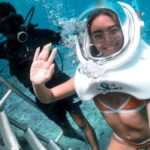
Boat ride to the beginner-friendly underwater site
Next comes the short boat transfer to a beginner-appropriate underwater site. It’s not a long open-ocean grind. You’re there for views from the water and a change of scenery before the main underwater portion.
For many first-timers, the boat ride is the mental bridge between land life and underwater life. You transition from “watching other people” into “okay, this is my turn,” with time to settle in and follow instructions.
The guided open-water session: staying around 6 meters
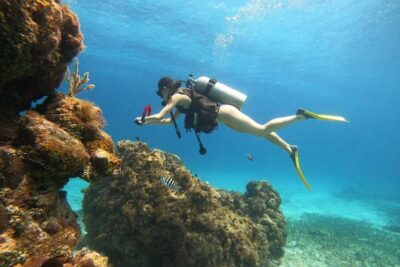
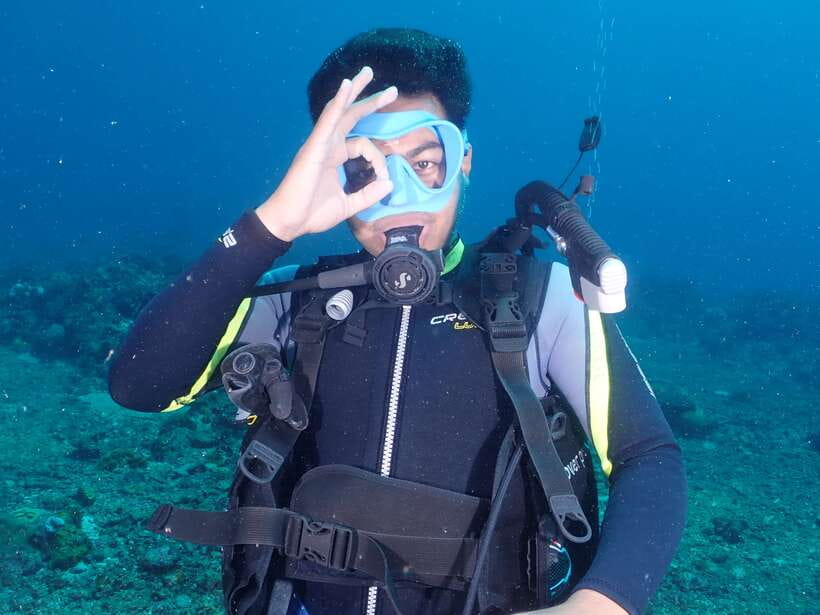
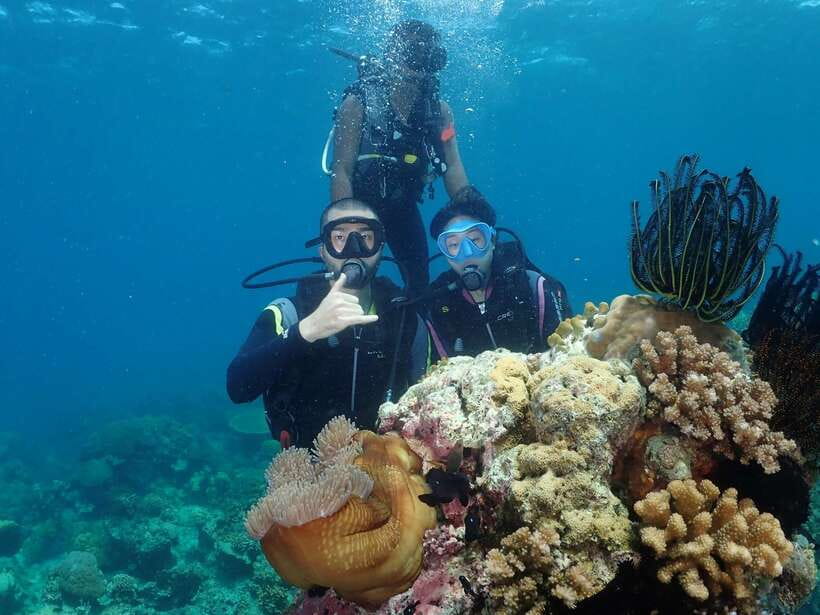
The main underwater portion is instructor-led and capped for beginners. The experience is described as going to a maximum depth of 6 meters / 20 feet for most participants, usually lasting about 30–40 minutes underwater (depending on conditions and comfort).
You’ll descend with your guide, who stays close to make sure you can follow directions and feel steady. The goal isn’t speed or performance. It’s control: breathing steadily, using the hand signals, and equalizing as needed.
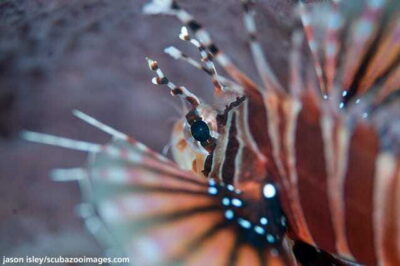
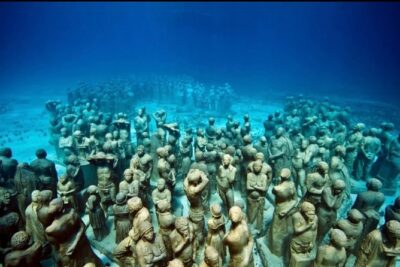
What you might see: coral gardens and a range of reef fish. The materials specifically suggest colorful species such as parrotfish and clownfish, and the story from past participants includes sightings like a large turtle. In real life, that variety depends on the site and day, but the chances of seeing something cool are part of the appeal.
How the guides keep things safe (and calm)
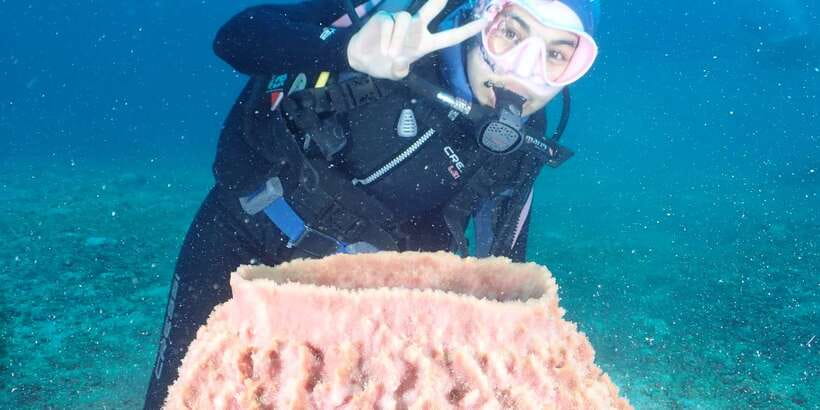
The tone of instruction seems to be a huge part of the success rate. Many reviews mention how instructors are patient with nerves and how they emphasize safety steps like staying with the guide and following instructions closely.
You’ll be reminded to stay comfortable and follow your instructor rather than trying to act independently. Some feedback even notes the exact style of direction, like repeating that you should always follow the instructor.
That “close-by” feeling changes everything for beginners. When you’re unsure what you’re doing underwater, having someone reliable right there turns the experience into learning instead of survival.
Photos, videos, and your completion certificate
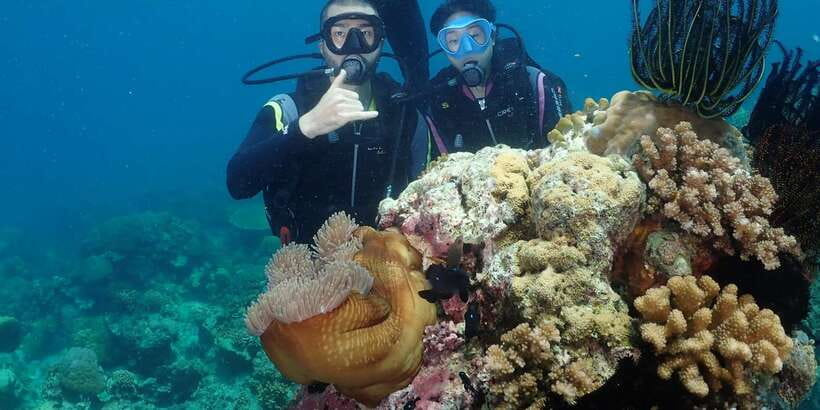
One of the best parts of this package is that it includes complimentary underwater media—photos and/or videos. Multiple reviews mention that a photographer may accompany the group, and that the content is provided to participants at the end of the experience.
You’ll also receive a digital certificate of completion. For many people, that small piece of paper (well, file) is a psychological boost. It marks a real accomplishment: you didn’t just watch from shore—you learned the basics and went underwater with guidance.
That said, one caution from the feedback: photo/video quality can be uneven, and the amount of footage can feel limited. If you’re very picky about media quality, keep expectations realistic.
Price and value: what $50 buys you in real terms
At about $50 per person for roughly a three-hour experience, you’re paying for a lot more than “time in the water.” You’re getting:
- theory and safety briefing
- a professional PADI Instructor/Dive Master
- full scuba equipment rental (mask, fins, wetsuit, regulator, BCD, tank, weights)
- guided shallow-water skills practice
- boat transfers to an underwater site
- a beginner-appropriate underwater session around 6 meters
- a digital completion certificate
- complimentary photos and/or videos
Value isn’t just the sticker price; it’s the package. If you had to arrange all those pieces yourself, you’d likely spend more in time and logistics. Here, you show up, you’re fitted, and you’re coached through the learning curve.
Who this is best for (and who should skip it)
This is built for beginners with no prior certification. If your goal is to try scuba in a controlled, guided way and get a taste of reef life without jumping straight into a full certification route, this fits nicely.
It also seems well-suited for nervous first-timers who need repetition. Past participants often call out how the instructor’s patience helped with breathing and equalizing pressure, and how the guide stayed attentive throughout.
It’s not listed as suitable for:
- children under 10
- pregnant women
- people with back problems
- people with altitude sickness
- people with pre-existing medical conditions
- hearing-impaired people
If any of those apply, don’t try to “push through.” Choose a safer alternative or get advice from a qualified medical professional first.
The flying rule you must respect after your session
There’s an important safety rule about flying after your last underwater activity. You cannot fly if you have a flight within 12–24 hours of your last dive.
This is one of those boring details that protects you. If your schedule is tight, plan your scuba session early enough that you won’t be trapped by a flight next day.
Languages and guide support
The instruction team can be in English, Chinese, or Korean. That’s a practical detail worth paying attention to if you prefer clearer explanations in a specific language, especially for technical skills like equalizing pressure and interpreting hand signals.
Many reviews also describe staff switching smoothly between teaching and support roles, including photography support. It helps because you don’t have to wonder what will happen next.
Should you book this Boracay beginner scuba session?
I think you should book if you want a guided first scuba experience that focuses on safety skills and comfort—not just photos and bragging rights. The structure (theory, shallow skills, then a controlled underwater visit around 6 meters) is exactly what first-timers need, and the small guide ratio is a real confidence factor.
Book with caution if underwater photography is your top priority. The media is included, but quality can be inconsistent, and the underwater time is intentionally limited. Also double-check your health fit and your travel schedule—especially the rule about flying within 12–24 hours.
If you’re ready to learn how breathing and equalizing work, this is a strong way to start your underwater story in Boracay.
FAQ
Do I need scuba certification to do this experience?
No. It’s designed exclusively for beginners with no prior certification.
What depth will I reach?
For beginners, the guided underwater portion is described as a maximum of 6 meters (about 20 feet). The package also notes a maximum of 12 meters (about 40 feet), typically 6 meters for beginners.
How long does the whole experience take?
The activity runs about 2–3 hours total, with a duration listed as 3 hours.
What time options are available?
You can choose a start time of 9:00 AM or 1:00 PM.
Where do I meet the tour?
Meet at Astoria Station 1 Beach Front, in front of the Tiger Sugar Cafe. Look for the Boracay Adventures Guide holding a Get Your Guide sign.
What’s included in the price?
Included are the introductory theory and safety briefing, an English-speaking PADI Instructor/Divemaster, all scuba equipment rental (including BCD, regulator, tank, weights, mask, snorkel, and fins), confined water training, one guided open-water session, boat transfers, a digital completion certificate, and complimentary photos and/or videos.
Are hotel pickup and drop-off included?
No, hotel pickup and drop-off are not included.
Are meals included?
No, meals are not included.
Who isn’t suitable for this activity?
It’s not suitable for children under 10, pregnant women, people with back problems, people with altitude sickness, people with pre-existing medical conditions, and hearing-impaired people.
Can I fly soon after the session?
No. You cannot fly if your flight is scheduled within 12–24 hours of your last dive.