REVIEW · TARIFA
Baptism of diving in the Natural Park of the Strait
Book on Viator →Operated by goDive Cádiz · Bookable on Viator
Tarifa teaches you to trust the ocean. This 4-hour first-timer underwater session pairs a quick safety-and-signs class with calm, instructor-led water time in the Natural Park of the Strait. I like that you get hands-on guidance all the way, and I also like the marine-life focus, not just the gear.
Two things really shine: the training approach (step-by-step, with instructors checking on you) and the clear teaching style. One guide named in feedback is Claudia, praised for explaining things clearly and staying on top of how everyone is doing. One thing to consider: you need good weather, because the whole experience depends on sea conditions.
In This Review
- Key points to plan your underwater session
- Tarifa meeting point and what the start feels like
- The short theory class: signs, safety, and marine life
- Wetsuit, booties, and independent air gear setup
- The water start: controlled entry in sheltering currents
- The underwater tour: spotting marine life in the Strait
- Photos in digital format: bringing home proof
- Price and timing: is it good value?
- Who this fits best (and who might think twice)
- Practical tips before you go
- Should you book this underwater initiation in Tarifa?
- FAQ
- How long is the experience?
- Is this a private tour?
- What language is offered?
- What equipment do you provide?
- Do you take photos during the activity?
- How soon will I get confirmation after booking?
- What happens if the weather is bad, or I need to cancel?
Key points to plan your underwater session
- Theory first, then water: signs, safety, and what you might see under the surface.
- Wetsuit + booties are provided: this helps with both cold and rubbing against gear and rocks.
- Instructor-led, one-by-one entry: you move into the water at a depth where you can get up and out easily.
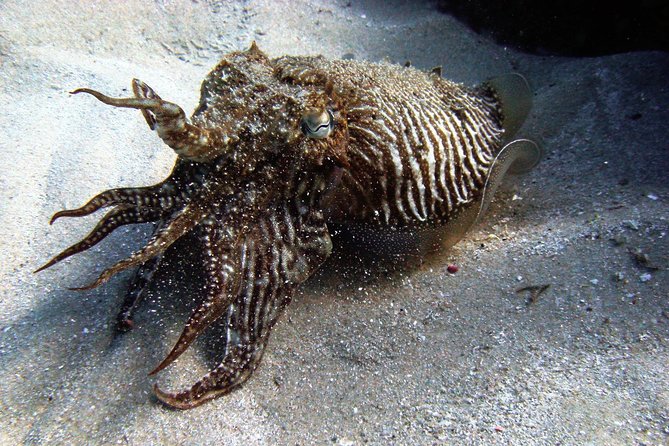
- Underwater spotting in the Natural Park of the Strait: marine life is part of the plan, not an afterthought.
- Digital photos included: you’ll leave with images to share.
- Private format: only your group joins, so you get more attention.
Tarifa meeting point and what the start feels like
The session meets at Esculturas Mar Mediterráneo y Océano Atlántico, Isla de, 11380 Tarifa, Cádiz, Spain, and it ends back at the same place. This matters because you’re not chasing multiple stops or bus schedules. You can show up, get briefed, gear up, and get into the experience without extra hassle.
The area is also described as near public transportation, so you’re not locked into a car. If you want pickup, it’s offered only if there are enough people (pickup from four people, and you should check). For most people, I think the simplest plan is to take public transport or a short taxi ride to the meeting point.
Time-wise, the day runs in a wide window—9:00 AM to 2:00 PM—with the activity offered across a long date range. Since it’s commonly booked well ahead (on average about 74 days), I’d try not to leave it to the last minute if your dates are fixed.
The short theory class: signs, safety, and marine life
Before you touch the water, you get a brief theoretical lesson. It covers three practical things you’ll actually use:
- diving signs
- diving safety
- marine life
That structure is a big deal for first-timers. People often worry the ocean will feel random or chaotic. A little upfront teaching gives you a simple mental system: how to communicate, what to watch, and what you’re there to notice under the surface.
This class also sets expectations about the marine life in the Strait area. You’re not just wearing gear and hoping for the best. You’ll know what you’re looking for when the instructor starts pointing out what’s around you.
Wetsuit, booties, and independent air gear setup
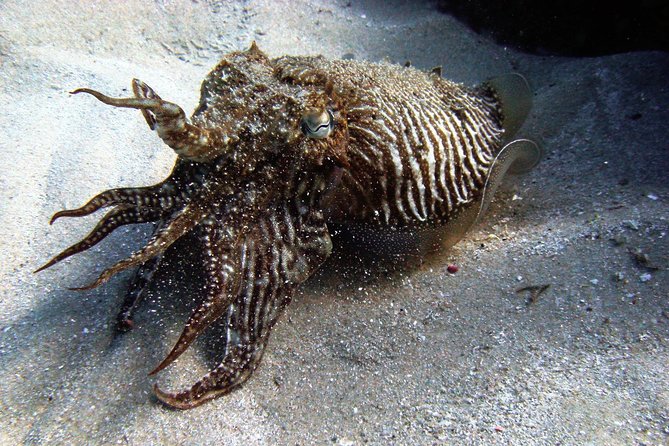
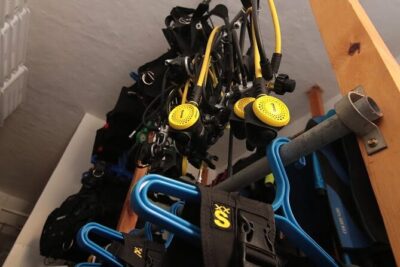
Once the theory is done, the crew provides a wetsuit and booties. The idea is not just warmth. It also helps reduce friction, which matters when you’re getting in and out of the water and handling equipment.
After you dress, an instructor helps you put on the autonomous/independent air equipment. This is one of the most valuable parts for beginners. When equipment fits and sits right, you spend less energy fiddling and more attention on learning what the signals mean and how your body feels underwater.
Also, since this is a step-by-step format, you’re not expected to just “figure it out” alone. That matters in the Strait, where currents and waves can be real factors.
The water start: controlled entry in sheltering currents
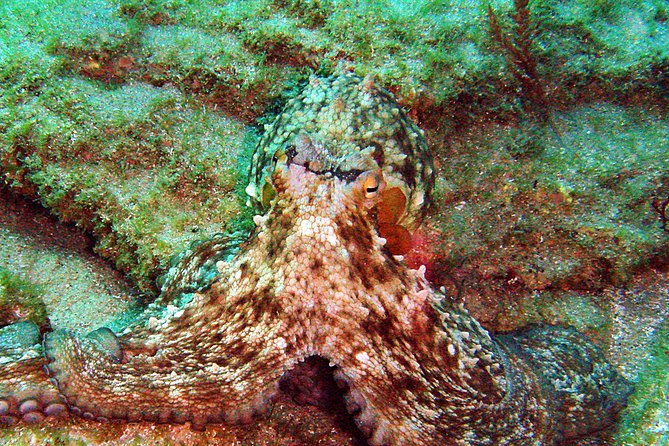
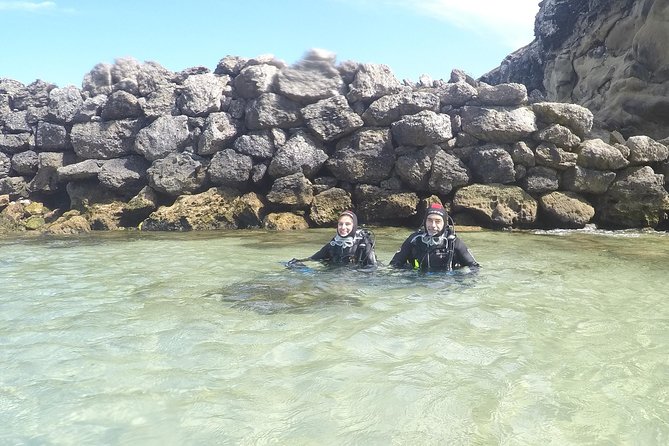
The group heads to the beach together. At one point, you enter the water in the shelter of currents and waves, which is exactly what you want for a first session. This is where instructors turn the theory into real practice.
They remind you of key explanations and then immerse you one by one. You’re guided to a depth that allows you to get up and out at any time. That approach makes the experience feel safer and more manageable. Instead of asking you to push through fear or discomfort, the plan is to stabilize first.
You’ll also get guided help based on your level, since the instructor estimates where you’ll do best. For you, that means the experience should feel like coaching rather than a test.
The underwater tour: spotting marine life in the Strait
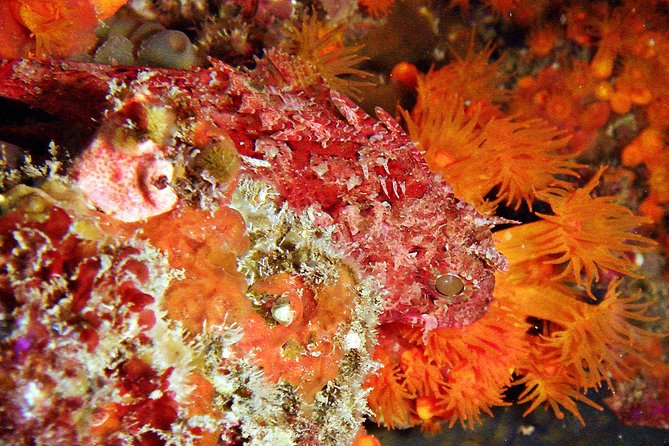
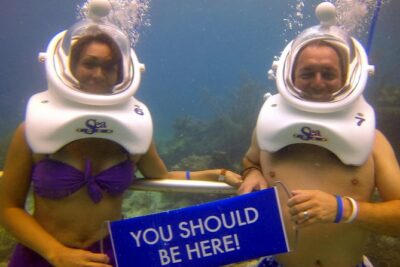
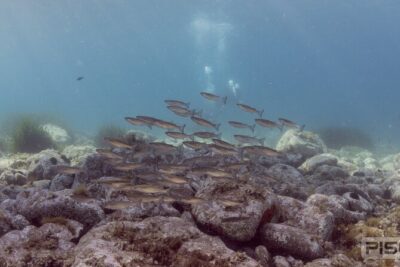
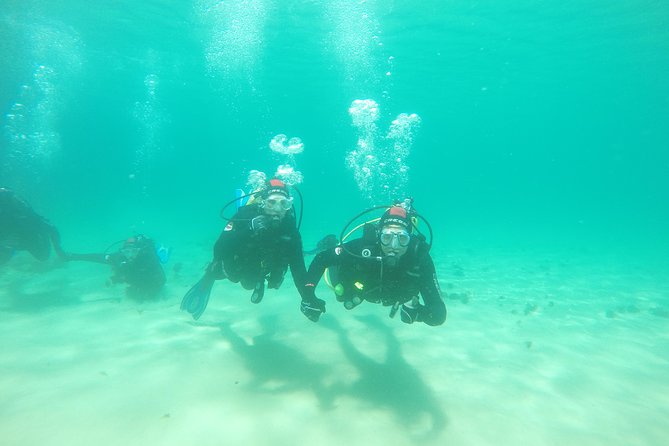
After you’re stabilized at that beginner-friendly depth, the underwater tour starts. This is where the Natural Park of the Strait comes into play. The instructor shows you marine life you can see around you during the tour.
For first-timers, the best part is often not a single big moment—it’s the small ones. You start noticing movement, shapes, and behaviors in a way you can’t from above the water. The guided attention helps you see more of what’s actually there.
One detail worth noting from feedback: this experience may take place on the Atlantic side of the Strait, and at least one person said that portion was especially worth it. I’d take that as a hint of what you might enjoy most, not a promise—conditions vary—but it’s good to know the route can include different sides.
Photos in digital format: bringing home proof
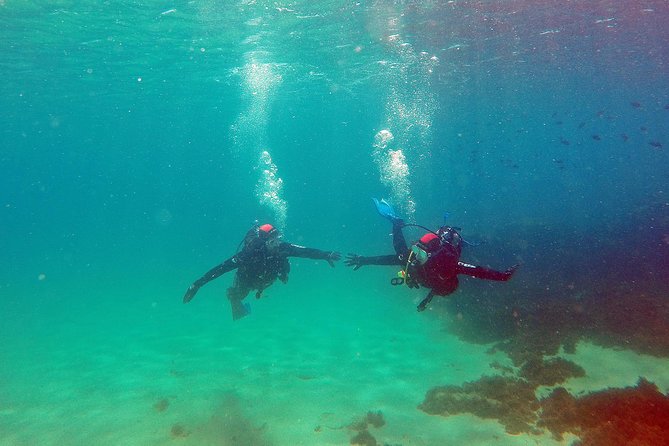
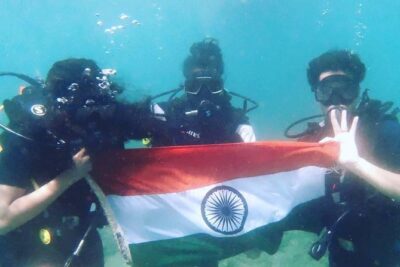
During the session, they take photographs, and you receive them in digital format. That’s a practical perk. Underwater moments are hard to capture yourself, and the photos can help you remember what you learned—like the marine life you spotted and the way the entry and depth training felt.
If you care about social sharing, this is also the easiest way to get decent underwater images without bringing extra gear or gambling on your phone.
Price and timing: is it good value?
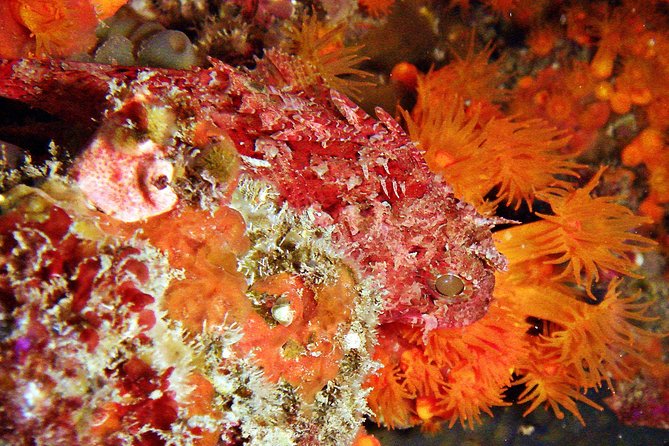
The price is $80.32 per person for about 4 hours. That may sound like a lot until you remember what’s included:
- a theory class before entering the water
- wetsuit and booties
- instructor help with independent air equipment
- step-by-step guided water time
- an underwater tour focused on marine life
- photos delivered digitally
For a first-timer session, you’re mostly paying for safe coaching and time with instructors, plus the provided equipment and planning that goes into sea conditions. Since this is a private format (only your group participates), the value often improves when you’re not sharing attention with a large crowd.
One more timing note: if you’re visiting during a busy stretch, plan ahead. Since it’s commonly booked about 74 days in advance, that “just book when we get there” plan can backfire.
Who this fits best (and who might think twice)
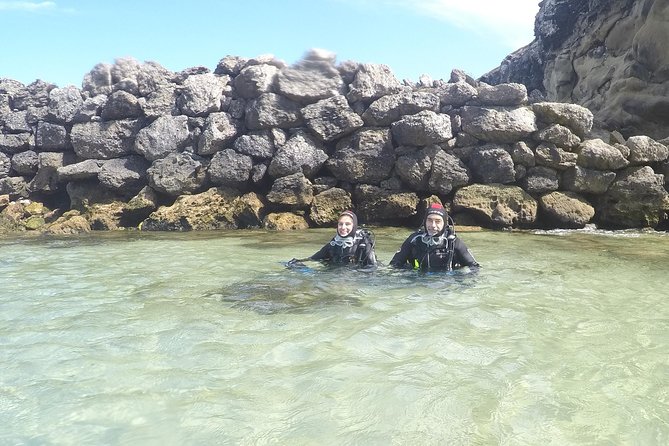
This experience says most people can participate, and that lines up with the staged entry and instructor support. It’s a good fit if you want:
- a guided first underwater training session
- safety coaching plus marine life viewing
- an instructor-led format where you can get up and out at any time
- a private setup with only your group
You might think twice if you’re highly sensitive to cold water. The wetsuit and booties help a lot, but the Strait can still feel chilly. Also, the experience requires good weather. If the sea is not workable, the activity may be moved or refunded.
Practical tips before you go
A few things will make your day smoother:
- Arrive early enough to dress without rushing. Equipment time is part of the schedule.
- Wear clothing you don’t mind getting wet or smelly later, since you’re going into the water.
- Listen carefully during the signs and safety portion. You’ll use those signals underwater.
- If you’re nervous, that’s normal. The one-by-one entry at a depth where you can leave the water helps a lot—go slow and follow the instructor.
If pickup is important, check whether it meets the group requirement (pickup from four people). If not, plan on meeting at the Esculturas spot in Tarifa and arriving via public transport or a short ride.
Should you book this underwater initiation in Tarifa?
I’d book it if you want a first underwater experience that feels coached, structured, and focused on marine life—not just time in gear. The highlights are the approach (the staged entry and safety emphasis), plus the teaching style people call out by name—Claudia is praised for clear explanations and constant attention.
Skip it (or be ready to pivot plans) if weather is a big uncertainty for your travel window. Since sea conditions matter, your day depends on the ocean cooperating. Also, if cold water would ruin your mood, treat that as the one real “watch out” factor.
If you’re flexible on timing and you want a guided start in the Natural Park of the Strait, this is the kind of activity that turns a scary idea into a skill you understand.
FAQ
How long is the experience?
It lasts about 4 hours.
Is this a private tour?
Yes. It’s private, and only your group participates.
What language is offered?
English is offered.
What equipment do you provide?
They provide a wetsuit and booties. An instructor also helps you put on the independent air equipment.
Do you take photos during the activity?
Yes. Photographs are taken during the session and you receive them in digital format.
How soon will I get confirmation after booking?
You’ll receive confirmation within 48 hours of booking, subject to availability.
What happens if the weather is bad, or I need to cancel?
The experience requires good weather. If it’s canceled due to poor weather, you’ll be offered a different date or a full refund. You can cancel for a full refund up to 24 hours in advance.