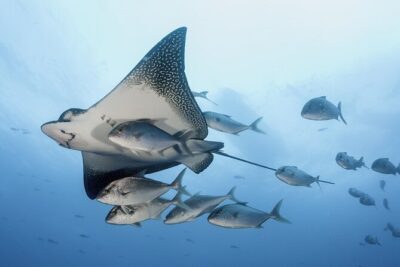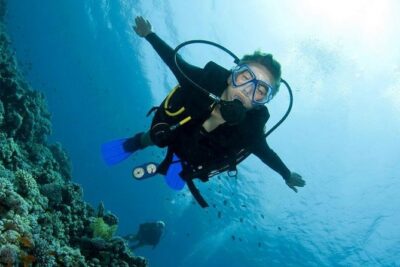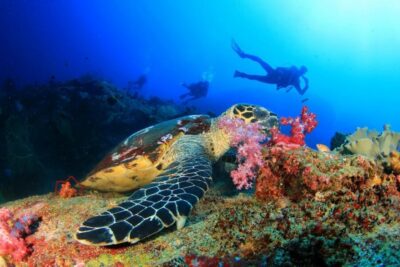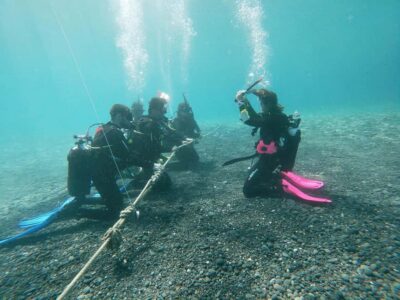
Breath-hold training gets serious fast. This 3-day AIDA 2 beginner course in Pemuteran is built to help you relax, learn safety habits, and gradually reach around 20 meters while holding your breath for over 2 minutes. It’s paced like a real skill progression, not a random try-at-the-water moment.
I love two things about it: first, the structure moves from theory to confined-water drills to open-water practice, so you don’t learn safety “in your head” and then gamble in the ocean. Second, the team keeps the vibe calm and personal—Edi and Putu show up in the feedback as patient, supportive instructors, which matters a lot if you’re nervous starting solo.
One consideration before you book: you’ll need to pass a basic swim standard (200 meters without fins, plus 300 meters with mask, fins, and snorkel), and the whole course depends on good weather conditions.
In This Review
- Key things to know before you start
- AIDA 2 in Pemuteran: what this course is really about
- Price and what you’re paying for ($280 per person)
- Your prerequisites: the swim standard and fitness check
- Day 1: theory plus confined-water sessions that build confidence
- Day 1 practical notes: what to expect from the first water day
- Day 2: open-water practice with equalization, constant weight, and rescue drills
- Why the equalization and technique practice matters
- Day 3: constant weight and buddying with fine-tuning for certification
- Training style and instructors: small team energy you can feel
- Where it starts and ends: timing and meeting point
- Who should book this AIDA 2 beginner course
- Should you book Bali Diving Academy’s AIDA 2 course?
- FAQ
- FAQ
- How long is the AIDA 2 beginner course?
- What does the course include on each day?
- What swim test do I need to do before starting?
- Does AIDA 2 include AIDA 1 so I can skip the earlier try stage?
- What skills will I practice during the course?
- What’s the maximum group size?
- Is pickup available, and where does it start?
- How much does the course cost?
- What happens if weather is poor or I need to cancel?
Key things to know before you start
- Max 4 students means you get more direct attention while practicing technique and safety.
- AIDA 2 includes AIDA 1 content, so you can start the beginner certification without doing the earlier try stage.
- Safety drills are part of the training, including buddying and a rescue exercise, not just time underwater.
- Small, step-by-step progression: theory + confined sessions first, then open-water practice.
- Written exam on Day 2 checks understanding of the skills and safety standards.
AIDA 2 in Pemuteran: what this course is really about
This isn’t a “how deep can you go” stunt. The AIDA 2 beginner path is about learning breath-hold control and the safety habits that let you repeat it without panic. The course starts by focusing on relaxation and getting familiar with how your body reacts, then it builds into breathing and breath-holding exercises before you go into the water with proper technique.
The course also has a clear goal: you become certified AIDA 2 by the end of the 3 days. That means you’re not just having fun with an intro session—you’re working through the steps that a certification expects, including assessment on Day 2.
And one more reason I like it: it’s designed so you can move from land-based learning to actual movement underwater. That matters because breath-hold skills aren’t only mental. Equalization, comfort, and calm pacing come from doing the actions repeatedly while an instructor corrects what you feel.
You can also read our reviews of more tours and experiences in Pemuteran.
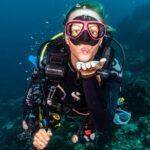
Price and what you’re paying for ($280 per person)
At $280 per person for about 3 days, this course sits in the “serious training” bracket rather than a casual snorkeling add-on. The value comes from three things you can actually feel during the training:
- Small group size (up to 4 travelers): breath-hold skills need coaching cues at the exact moment you’re doing the technique. Smaller groups usually mean fewer long waits and more correction.
- Multi-day progression: theory, confined drills, then open-water practice. You’re paying for coaching time across multiple sessions, not one single jump into the sea.
- Certification pathway: the course includes the steps required for AIDA 2, including a written exam.
You also get a few practical extras: pickup is offered, there are group discounts, and you’ll receive a mobile ticket. Those details won’t teach you safety, but they do reduce friction so you can focus on learning.
Your prerequisites: the swim standard and fitness check
Before you start AIDA 2, you need to demonstrate you can swim:
- 200 meters without stopping and without fins
- 300 meters with a mask, fins, and snorkel
This isn’t random gatekeeping. It’s there because breath-hold training still requires controlled movement in the water and the ability to handle sessions without getting wiped out early. If you can’t meet that swim standard, it becomes harder to learn equalization and technique calmly.
You should also have a moderate physical fitness level. Again, it’s not about being an athlete—it’s about having enough stamina to complete each day’s practice and be receptive to coaching.
Day 1: theory plus confined-water sessions that build confidence
Day 1 is about foundation. You’ll start with a theory session, then move into confined water for the first practice blocks.
Why confined water first? Because breath-hold technique is often counterintuitive at the start. In a controlled setup, you can work on relaxation and breath-holding rhythm while you build comfort with instructor instructions. You’re not guessing. You’re repeating.
Here’s what the course is aiming for on Day 1:
- understanding the basic approach to relaxation
- breathing and breath-holding exercises
- basic skills and safety measures in the water
- setting your mental baseline before open-water sessions
Even if you’re a little nervous, this day tends to matter most. One of the best bits from the feedback: students who worried about learning solo still felt at ease because the instructors kept the pace understandable and the environment supportive.
Day 1 practical notes: what to expect from the first water day
You’ll likely spend a big chunk of Day 1 working technique in shorter, coached segments—less about dramatic underwater time and more about learning what to do and when to do it. That’s where your confidence starts: you can feel your breathing pattern settle, and you learn how to follow the safety setup before open water.
Also, do yourself a favor and plan for the theory material. The course notes say you can contact in advance for the theory material, so try to grab it before you arrive. It makes Day 1 feel less like information overload and more like preparation.

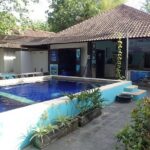
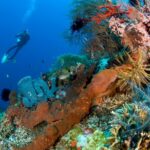
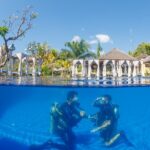

Day 2: open-water practice with equalization, constant weight, and rescue drills
Day 2 is where the course starts turning into real ocean training. You’ll have open water session 1 and 2, plus a written exam.
The open-water sessions focus on practice you can’t fully rehearse on land:
- free immersion practice to work on relaxation while you’re actually underwater
- equalization practice to manage pressure and stay comfortable
- duck-style technique (used to help with getting into the right position and conserving energy)
- constant weight practice
- rescue exercise
- buddying
The written exam is on Day 2, which means you’ll be required to show you understand the safety and procedure side, not just muscle memory. If you hate tests, consider this a good thing: it forces clarity so you don’t leave with half-understood rules.
The rescue and buddying components deserve emphasis. Beginner courses sometimes focus on personal performance. This one builds group awareness—how you pair up, how you stay responsible, and how you handle situations calmly. That’s a big part of why people describe the experience as safe and rewarding rather than intimidating.
Why the equalization and technique practice matters
Equalization isn’t a box-check skill. It’s the difference between feeling pressure and feeling in control. On Day 2, it’s taught and practiced so you can connect the breathing and relaxation work from Day 1 to the real demands of being underwater in open water.
The constant weight work also helps you learn movement efficiency. When you’re learning, you can burn energy fast. Coaching helps you reduce that waste so each practice attempt becomes more productive.
Day 3: constant weight and buddying with fine-tuning for certification
Day 3 is more about refinement than brand-new learning. You’ll run an open-water session with a strong focus on fine-tuning techniques, including constant weight and buddying.
If Day 2 is about learning the “core toolkit,” Day 3 is about tightening it:
- cleaner technique
- better pacing
- more consistent execution while staying calm
- smoother buddying practice
By this point, you should feel more confident following instructions and managing your own mindset. The point of fine-tuning isn’t perfectionism—it’s safer, steadier performance, which is exactly what certification is aiming for.
And because Pemuteran’s reefs can be full of life and biodiversity (based on the experiences shared), Day 3 also tends to feel more like an actual underwater experience—less like training drills happening in a vacuum.
Training style and instructors: small team energy you can feel
The consistent theme in the feedback is that the crew feels supportive and organized. People describe it as easy to learn, with instructors who are kind and patient, and an overall atmosphere that helps you settle instead of forcing you to perform.
Two names come up: Edi and Putu. Putu especially gets praise for making instruction feel strong and clear, which can be a huge relief when you’re trying to coordinate breathing, equalization, and body position all at once.
Also, the course runs with a maximum of 4 travelers. That small-group limit usually means:
- you get more attention per student
- you can ask questions without feeling rushed
- your technique adjustments happen faster, since you aren’t waiting for long turns
Where it starts and ends: timing and meeting point
You start at 8:30 am at the Bali Diving Academy Pemuteran meeting point in Dusun, Pemuteran (Gerokgak, Buleleng, Bali 81155, Indonesia). The activity ends back at the meeting point, so you don’t need to manage a separate drop-off.
Pickup is offered, which is handy if you’re staying elsewhere in the area. And because you’ll have a mobile ticket, it’s easier to handle on arrival without digging through paperwork.
Who should book this AIDA 2 beginner course
This course is a good fit if you want:
- a structured path to AIDA 2 certification
- step-by-step skills progression from theory to real open-water practice
- a safety-first approach with buddying and rescue training
- smaller group attention (max 4)
It’s also a solid match if you’re starting from “not sure I can do this,” because the coaching style described in the experiences emphasizes comfort and clarity.
Who might think twice: if you don’t meet the swim prerequisites, or if you can’t commit to being in good enough shape for multiple practice days with underwater work. Also, since weather is a factor, expect that conditions matter.
Should you book Bali Diving Academy’s AIDA 2 course?
If you’re serious about learning breath-hold skills safely and earning AIDA 2, I’d say this is worth considering. The structure (theory → confined practice → open water), the small-group setup, and the inclusion of rescue and buddying make it feel like real training rather than a one-off “try something cool” experience.
Book it if:
- you can pass the swim standard
- you want certification, not just casual underwater time
- you appreciate patient coaching and clear progression
Consider another plan if:
- you’re not ready for the swim prerequisites
- you know you’ll struggle with a written exam on Day 2
- you’re traveling during a period where weather disruption would be a major problem for your schedule
FAQ
FAQ
How long is the AIDA 2 beginner course?
It runs for 3 days (approx.).
What does the course include on each day?
Day 1 includes a theory session plus confined water sessions. Day 2 includes open water sessions and a written exam. Day 3 includes an additional open water session focused on fine-tuning techniques.
What swim test do I need to do before starting?
You need to swim 200 meters without stopping and without fins, and also swim 300 meters with a mask, fins, and snorkel.
Does AIDA 2 include AIDA 1 so I can skip the earlier try stage?
Yes. The course states that AIDA 2 includes the AIDA 1 level part, so you do not need to complete the try freediving course first.
What skills will I practice during the course?
The course lists relaxation and breath-holding work, plus in-water skills such as equalization, duck-style technique, constant weight, rescue exercise, and buddying.
What’s the maximum group size?
The experience has a maximum of 4 travelers.
Is pickup available, and where does it start?
Pickup is offered. The start meeting point is Bali Diving Academy Pemuteran with a start time of 8:30 am, and it ends back at the meeting point.
How much does the course cost?
The price is $280.00 per person.
What happens if weather is poor or I need to cancel?
The experience requires good weather, and if it’s canceled due to poor weather, you’ll be offered a different date or a full refund. You can also cancel for a full refund up to 24 hours before the experience starts.
###