REVIEW · COZUMEL
2 dives in Cozumel (for certified divers only)
Book on Viator →Operated by Pro Dive International · Bookable on Viator
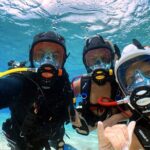
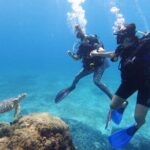
Cozumel turns a few hours into sea time. You get two tanks on a small-group outing built around the marine reserve near Cozumel, plus boat transport and tank-and-weight setup. I especially like the reef talk you’ll get from guides such as Camille and Andres, who focus on what you’re seeing and where it fits in the ecosystem.
The one drawback to keep in mind is timing. Multiple reports point to the trip starting later than the written 12:00 pm time (often closer to 1:00 pm), which can be tight if you’re leaving on a cruise ship by mid-afternoon.
In This Review
- Key things that make this Cozumel scuba trip worth your time
- Cozumel two-tank day: what you’re really paying for
- Certification rules (and the “don’t get surprised” checklist)
- Where you meet and how you get to the water
- The main plan around Cozumel’s marine reserve
- First underwater session: setting expectations and staying on schedule
- Surface interval reality: currents, pacing, and group handling
- Second underwater session: what you’re likely to see and how to handle conditions
- Equipment rental and your best “do not skip this” moment
- For cruise passengers: the timing mismatch you should plan around
- Guide quality and reef commentary: names you might meet
- Who should book this Cozumel scuba tour?
- Should you book this $110 two-tank trip?
- FAQ
- What scuba certification do I need?
- How many tanks are included?
- Is equipment rental included in the $110 price?
- Are there marine park fees?
- What start time should I plan for?
- What if my last scuba session was more than 12 months ago?
- Is it canceled for weather?
Key things that make this Cozumel scuba trip worth your time
- Two-tank underwater plan: one longer morning-to-afternoon window with a chance for real reef variety.
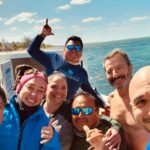
- Small group size (max 6): you’re less likely to feel like a passenger in a cattle car.
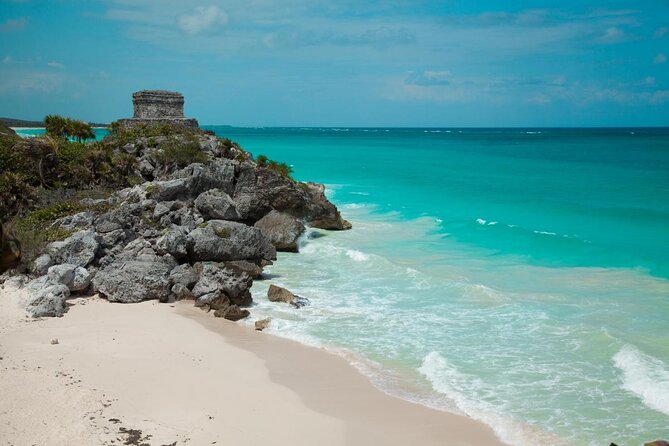
- Marine reserve location near the national park: built to put you where the coral and reef fish hang out.
- Local guide commentary: guides like Camille and Andres are praised for reef knowledge and calm, helpful coaching.
- Boat logistics from Cozumel: included, so you’re not piecing together extra rides.
- Extra costs to budget: equipment rental and marine park fees can add up if you need them.
Cozumel two-tank day: what you’re really paying for
At $110 per person, this is priced like a “straight-up” two-tank scuba outing: you’re paying for the guides, the boat ride, and the two underwater sessions. That’s a solid value if you already own your own gear and you’re diving on schedule.
Where the math changes is if you need rentals and local fees. Equipment rental is listed at USD 42, and there’s also a marine park fee (USD 8/day/person, subject to changes). So if you’re renting, you should expect your total to land closer to the low-mid $150s range before any optional refreshers or add-ons.
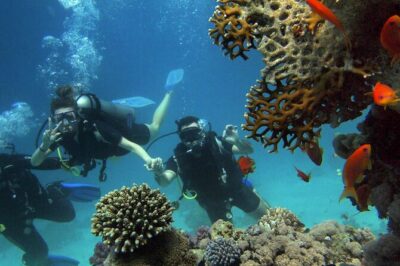
The other value point is that this isn’t a huge operation. With a maximum of 6 travelers, the guides can actually pay attention to individuals, adjust pacing, and keep groups together. In a place like Cozumel—where water conditions can vary—small-group control matters.
You can also read our reviews of more tours and experiences in Cozumel.
Certification rules (and the “don’t get surprised” checklist)
This is only for people holding at least PADI Open Water (or equivalent), and they require proof of your certification before you go in the water.
There are also two practical “read this twice” items that affect real trips:
- Last dive timing: if your last underwater session was more than 12 months ago, you’ll likely need a refresher course first (and there may be an extra charge).
- Health screening: you’ll complete a health questionnaire prior to diving, and some conditions (example given: asthma, heart conditions) may mean you can’t participate. Also, diving within 24 hours of flying isn’t recommended, so plan your travel days carefully.
Minimum age is 10 years. If you’re traveling with kids, confirm that they can meet the certification and medical requirements before you assume it’ll work out.
Where you meet and how you get to the water
You’ll start at Pro Dive International Occidental Cozumel, with the tour ending back at the same meeting point. The actual scuba operation is described as taking place at/around an on-island resort-area setup—specifically an Allegro Cozumel resort location in the south of the island—so you should expect a short transfer from the meeting base to the boat and then to the dive area.
One more logistics note: the group is capped at six, and the tour provides tank-and-weights along with the guide and boat ride. Equipment rental is separate, so if you’re bringing your own gear, you’ll want to plan to check in with your rental-free setup rather than waiting for rentals to be prepared.
The main plan around Cozumel’s marine reserve
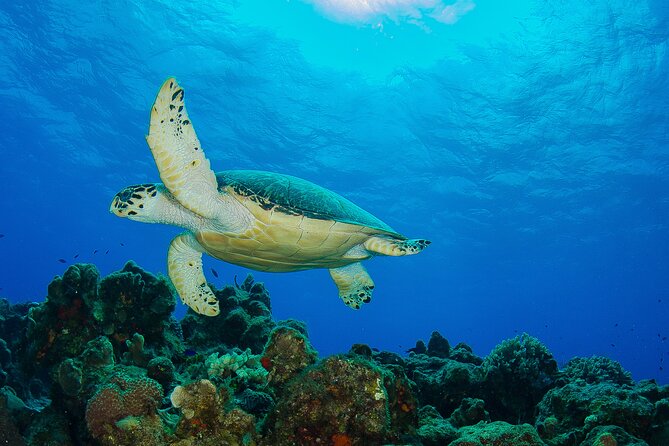
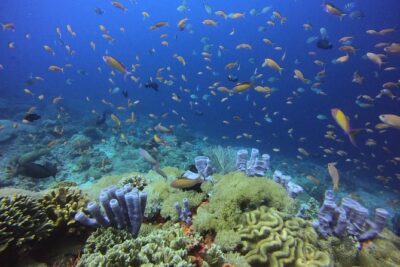
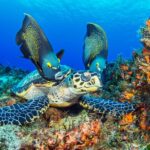
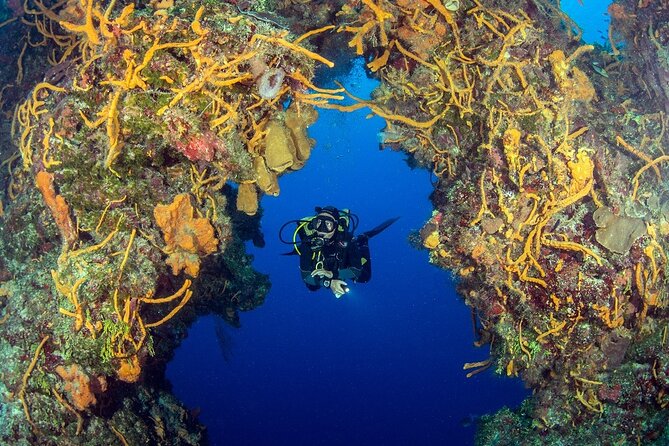
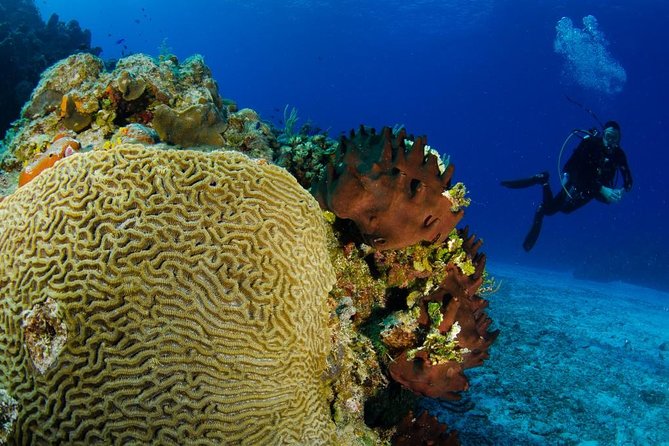
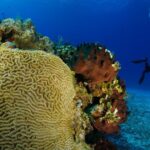
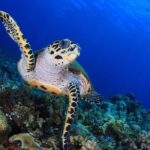
The tour is built around seeing colorful reef fish and coral in the marine reserve area near Cozumel, within the broader national marine park zone.
What that means for you on the water:
- You’re not just “going down anywhere.” This is structured around reef viewing, so you should be looking for coral structure and schools of fish, not drifting around for scenery at random.
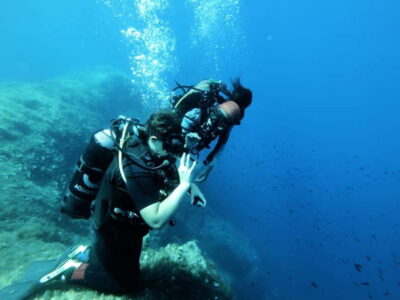
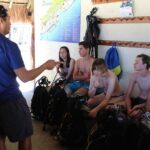
- Your guide’s role is more than traffic control. Several guides are praised for pointing out what you’re actually seeing and tying it back to the ecosystem. That’s the difference between a check-the-box experience and one where you come up with names and patterns in your head.
If you’re a comfort-focused diver (or want that), small groups help. If you’re hoping for big-current spectacle, you should also know that strong currents have been reported. Guides can’t erase conditions, but they can choose routes and pacing that match your group.
First underwater session: setting expectations and staying on schedule
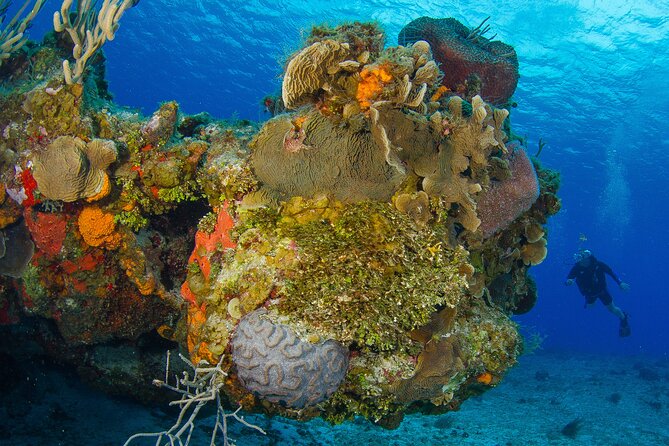
The outing is described as about 4 hours total, but real-world timing can shift. The biggest practical goal for you during the first session is simple: get your buoyancy calm, follow the guide’s pace, and don’t burn time worrying about equipment once you’re underwater.
Here’s what’s worth doing before you descend:
- Check your mask fit and seal. One report mentioned mask leaking that made it hard to see clearly once saltwater got in.
- Confirm regulator and breathing comfort on the boat and right before entry. Another report described a regulator filling with water, which can turn an otherwise beautiful reef into a stressful problem.
The guide experience can make a big difference in the first session. People have highlighted professional, patient coaching from guides like Andres and others named in reports (including Camille). That matters most when conditions get a little spicy, like when currents are stronger than expected.
Surface interval reality: currents, pacing, and group handling
Between the two tank sessions, you’ll have a surface interval, and you’ll be trying to stay warm and focused while the boat crew manages timing. On some outings, pacing gets adjusted to fit everyone back into the day’s constraints.
This is where I’d keep your expectations grounded:
- The tour runs on a schedule.
- Water conditions can change.
- If you’re trying to match the trip to a strict departure window (cruise ship all-aboard time), you’ll want a bigger buffer than you think.
One report mentioned the crew encouraging people to go back in with partially used tanks when time became a factor. You don’t have to do anything you aren’t comfortable with. If you’re feeling off, ask to sit out or end the plan early. Your comfort and safety come first—even if it means your day shifts from “two sessions” to “one great one.”
Second underwater session: what you’re likely to see and how to handle conditions
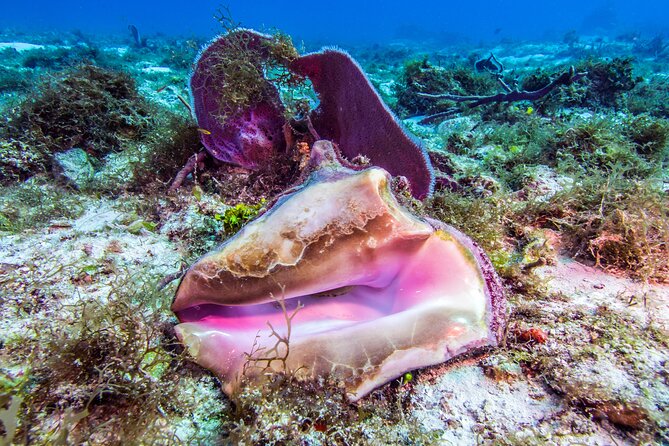
The second session is where you often get the best reward for staying relaxed in the first one. With two tanks, you can cover more reef and see additional coral structure and fish variety.
Several guide-and-route outcomes show up in reported experiences:
- Lots of coral and fish, with good visibility when conditions cooperate.
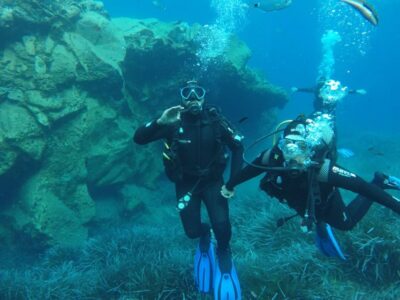
- Occasional wall-style scenery or pass-through swim-through areas, depending on the day’s conditions and where the crew takes the group.
If currents are strong (reported by some groups), the guide’s job becomes risk management and group cohesion:
- Better buoyancy control reduces finning effort.
- Remaining calm prevents faster air use.
- You’ll want to communicate clearly with the guide if something feels wrong before it becomes a problem underwater.
Equipment rental and your best “do not skip this” moment
Equipment rental is not included, and it’s listed at USD 42. If you rent, plan to treat this as your pre-flight check, not as a quick handoff.
I recommend you take 3 minutes for these checks:
- Mask seal (no leaks)
- Regulator comfort (no unusual flooding/gurgling)
- BCD fit and weight comfort
- Quick scan of gear condition (hoses, straps, clips)
Some reports were positive about cleanliness and functioning gear. Other reports mentioned worn or problematic equipment. That’s not something you can predict by reading a description, so checking it yourself is your simplest safeguard.
If you have your own mask or regulator and they fit well, bringing them can seriously reduce stress. If not, at least insist on a functional setup before entry.
For cruise passengers: the timing mismatch you should plan around
This is the part I’d treat as non-negotiable planning.
Although the start time shown in booking details is 12:00 pm, multiple reports say the real start can be later—often around 1:00 pm—and that some groups finished closer to 4:45 pm. For anyone on a cruise with a strict “all aboard” time (example given: 5:00 pm), that can make two-tank completion hard or even impossible.
My advice:
- If you’re on a cruise, ask the operator for the actual pickup/boat timing in writing before you pay.
- Don’t assume you’ll be back at the shop by your ideal taxi deadline.
- Have a backup plan for what you’ll do if the day runs long (even if that backup is simply accepting a shorter on-water experience).
And yes, this is where smaller details matter: crossing time from the cruise terminal to the meeting area and then back again. In Cozumel, that’s not always a straight line, especially with traffic and taxi availability.
Guide quality and reef commentary: names you might meet
One of the best things about this outing is that the guide experience shows up again and again in good feedback: calm instruction, clear reef explanations, and help spotting sea life.
Some of the named guides in reported experiences include:
- Camille (praised for making the experience work well, plus strong reef spotting with clear water)
- Andres (highlighted for professionalism and knowing reef sea life)
- Max (helpful with both new and rusty divers—meaning comfort coaching matters)
- Pepe (called out for an excellent team experience)
- Alicia (helpful with scheduling adjustments when timing was off)
- Nanou and Jolien (described as calm guides, which helps when you’re managing buoyancy and surroundings at once)
- Ducky (praised for pointing out things people might miss on their own)
- Kacie (mentioned as a wonderful dive buddy in a refresher/two-session scenario)
- Louis and Angie are also named in positive experiences
Even if the exact guide isn’t the same for your date, the pattern matters: you’re likely to get reef-focused coaching, not just a check-in and a “good luck” wave.
Who should book this Cozumel scuba tour?
This tour fits best if you:
- Are PADI Open Water certified (or equivalent) and have dived within the last 12 months.
- Want a two-tank reef-focused outing with small-group attention.
- Prefer a trip where the guide actively explains what you’re seeing.
It might be less ideal if you:
- Are a cruise passenger trying to squeeze in a guaranteed return before all-aboard time without buffer.
- Have gear sensitivity and know you react badly to mask leaks or regulator issues.
- Haven’t dived in over a year and would be hoping to avoid a refresher charge.
If you’re a first-timer who just got certified, you’ll want to be especially honest about nerves and comfort. The operation is built for certified participants, but calm coaching makes a difference either way.
Should you book this $110 two-tank trip?
If you’re certified, want reef viewing, and you can handle a schedule that may start closer to 1:00 pm instead of a strict 12:00 pm promise, I’d call this a reasonable choice. The small group size and reef-focused guide commentary are strong positives, and many named guides are praised for doing the job well.
If you’re on a cruise, I’d book only with caution. This is exactly the kind of outing where timing surprises can turn two tanks into one—or threaten your return plan. Ask for the real timing, build a buffer, and be ready with an alternate plan.
FAQ
What scuba certification do I need?
You need proof of certification at least PADI Open Water (or an equivalent certification). Evidence is required for all certified participants.
How many tanks are included?
The tour includes two tank sessions (so you’ll go in the water twice, using two separate tanks).
Is equipment rental included in the $110 price?
No. Equipment rental is not included and is listed as USD 42.
Are there marine park fees?
Yes. There’s a marine park fee of USD 8 per day per person, and the amount can be subject to change.
What start time should I plan for?
The scheduled start is listed as 12:00 pm, but the tour may start later in practice. If you’re on a cruise, plan for the possibility of a later start and a later finish.
What if my last scuba session was more than 12 months ago?
You may be required to start with a refresher course, and it could be charged extra.
Is it canceled for weather?
Yes. The experience requires good weather. If canceled due to poor weather, you’ll be offered a different date or a full refund.