REVIEW · SAO MIGUEL ISLAND
Vila Franca Do Campo: Introduction to Scuba Diving Tour
Book on GetYourGuide →Operated by Azores Sub Dive Center · Bookable on GetYourGuide
Cannon wrecks meet first-time nerves. In Vila Franca do Campo you get a supervised first-time scuba try-out in clear Azores water, with time spent near 16th-century cannons resting in a volcanic cove. The training is built for comfort and safety, but it’s not the right activity if you’re a non-swimmer or you fall into the listed health limits (like heart or respiratory issues, pregnancy, or claustrophobia).
What makes this setup shine is the calm, hands-on guidance once you’re actually in the water. You’ll be assigned a personal guide/buddy, and instructors like Ricardo, Ivo, Rodrigo, and Emmy are known for patience and for doing reassurance checks as you get your bearings underwater.
You’ll also like how the day is paced. A 30-minute safety briefing and a short speedboat hop keep things focused, so you spend most of the 3 hours on the fun part instead of waiting around.
In This Review
- Key things I’d watch for before you book
- Getting ready: the 30-minute safety briefing that sets the tone
- Marina de Vila Franca do Campo: the quick boat ride to the natural reserve
- The islet stop: what the 30-minute underwater session really means
- What you’ll see: marine life plus 16th-century cannons
- Staying comfortable: water temperature, pacing, and nerves management
- Equipment and instructor support: what’s included and why it matters
- Timing: how the 3 hours add up on your day in the Azores
- Price and value: is $154 worth it for a first-time scuba try-out?
- Who this is best for (and who should skip it)
- Should you book this introductory underwater experience?
- FAQ
- How long is the tour?
- What’s included in the price?
- What should I bring?
- Is food or pickup included?
- Who isn’t this activity suitable for?
- Can I cancel?
Key things I’d watch for before you book
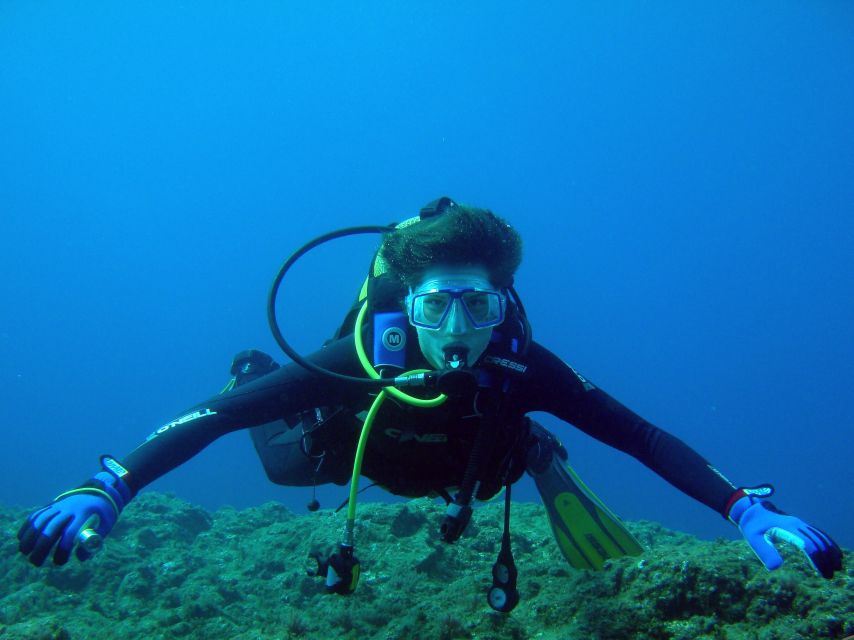
- Historic underwater cannons in a volcanic setting near Vila Franca do Campo’s natural reserve
- First-timer structure: briefing first, then supervised equipment use and controlled underwater time
- Personal buddy system so your guide is actively watching your comfort
- Clear-water odds, plus marine-life spotting (fish, octopus, eels, and more)
- Relaxed pacing with a wait-friendly plan if you go in after others (snorkel option while you wait)
Getting ready: the 30-minute safety briefing that sets the tone
This tour is short—about 3 hours total—so the experience needs to start strong. Before you touch the water, you get a safety briefing for around 30 minutes. This isn’t just rules and checkboxes. You’ll go over the basics you need to feel steady: equipment basics, breathing concepts (including apnea fundamentals), and practical swimming techniques.
If you’re new, this is the part that makes or breaks the day. The guides are used to first-timers coming in with nerves, especially if you haven’t been fitted for scuba gear before. In the feedback from the center, guides repeatedly come across as patient and methodical—people are taught step by step, and you’re not left to figure things out on the fly.
You’ll also learn how communication works underwater. That matters more than it sounds. Underwater conditions change fast, and having a shared set of hand/arm signals reduces confusion and helps you relax.
You can also read our reviews of more tours and experiences in Sao Miguel Island.
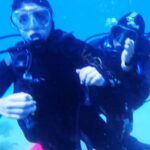
Marina de Vila Franca do Campo: the quick boat ride to the natural reserve
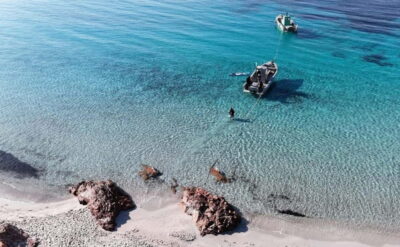
The meet-up point is Marina de Vila Franca do Campo. From there, you head out by speedboat for a quick hop—about 10 minutes—toward the area around the natural reserve and the islet zone.
That short ride is part of why this works well for first-timers. You’re not committing to a long open-water transfer while you’re still adjusting to gear and nerves. Instead, you get a quick transition from land to sea and then move into the controlled training moment.
Also, the pace helps you avoid the usual “tour fatigue.” You start with briefing, then a short boat ride, then the water time. It feels efficient without feeling rushed.
The islet stop: what the 30-minute underwater session really means
The main water time happens at the islet of Vila Franca do Campo. The schedule says snorkeling and marine-life viewing, plus the first scuba try-out within a roughly 30-minute window.
Here’s how that usually plays out in practice: the group is managed in a way that keeps you with a personal guide/buddy. You don’t just get dropped into the water and told good luck. Your buddy will stay close, watch your comfort, help with equipment handling, and point out things as you move through the underwater area.
For many beginners, the biggest confidence boost is realizing how much guidance you get in the moment. Guides such as Ivo, Veronika, Tiago, and Benardo are repeatedly praised for calm instruction and for staying attentive. That’s the difference between a shaky first attempt and one that feels like a controlled lesson.
If you’re not among the first in the water, you may have a snorkel option while others go. That helps keep the day relaxed and gives you a taste of the underwater world before your own turn.
What you’ll see: marine life plus 16th-century cannons
Two things make this underwater experience special: the wildlife and the historic wrecks.
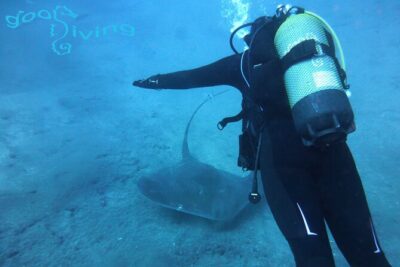
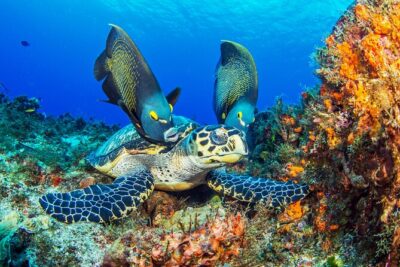
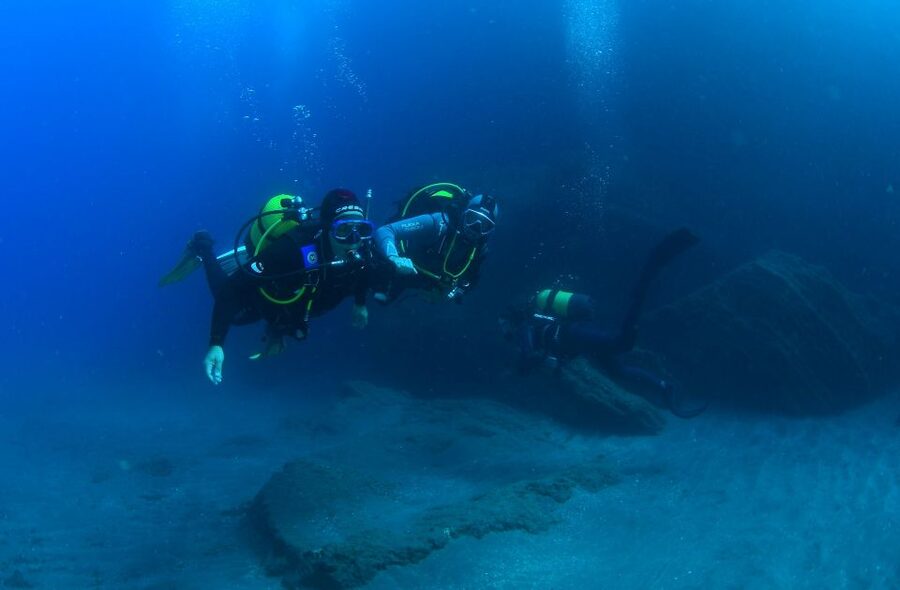
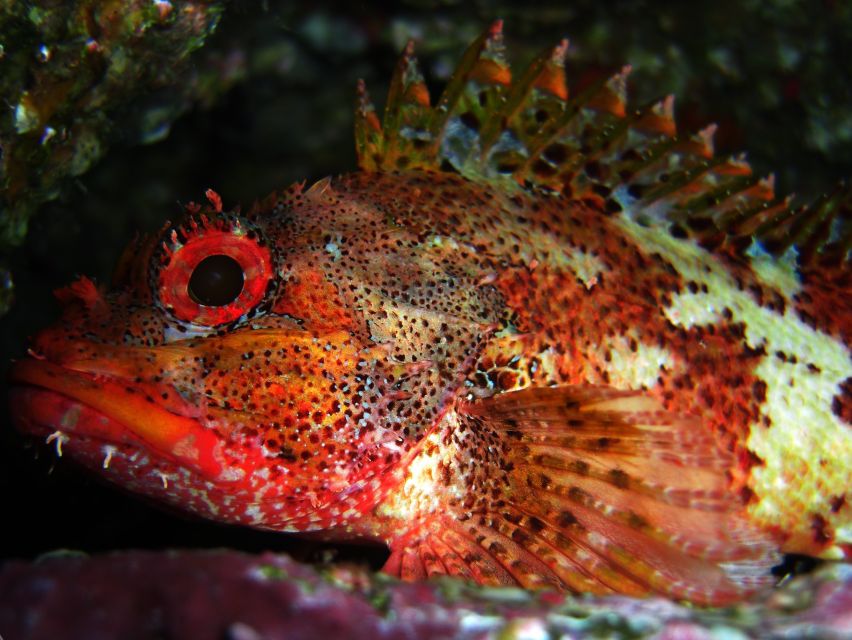
The water in this area is often described as very clear, and that clarity helps you see more than just silhouettes. You can look forward to spotting marine life like octopus and starfish, and you may also see eels and triggerfish. Caves and rocky features are part of the scenery, and guides tend to draw your attention to animals hiding in nooks rather than expecting you to spot everything on your own.
Then there’s the background story underwater. Near this volcanic-cove area, you’ll explore destroyed cannons from the 16th century. It’s a rare mix: you’re not only learning scuba basics—you’re experiencing history in a living, breathing setting.
That pairing matters. When you see the wreck and then notice the marine life around it, the site becomes more than a checklist. It feels like you’re part of the ecosystem, not just visiting it.
Staying comfortable: water temperature, pacing, and nerves management
The tour highlights include pleasant water temperature, and that’s a big deal for a first-time scuba try-out. When you’re comfortable, you can focus on the basics: breathing control, equipment handling, and staying relaxed with buoyancy.
What stands out from the center’s feedback is how seriously the guides take comfort. Instructors repeatedly check in, keep an eye on how you’re doing, and adjust the pace. If you get nervous—especially when you’re adjusting to pressure or the feeling of being underwater—your guide is there to steady the moment and help you move smoothly.
One useful real-world note from the experience style here: some people can feel ear discomfort because of pressure changes. If you’ve had that kind of sensitivity before, go in with patience. Tell your guide early so they can adjust your pace and help you stay calm.
Equipment and instructor support: what’s included and why it matters
You don’t need to source or test gear yourself. The price includes the diving instructor, all scuba equipment, a briefing, a boat trip, and insurance.
For first-timers, this is where value shows up. Custom-fitted or correctly sized gear makes a huge difference in comfort. And having an instructor handling the equipment basics means you’re learning in the right order—rather than spending your precious first session fighting strap placement or confusing controls.
The instruction style also gets attention in the feedback. People highlight that every person is assigned a personal guide/buddy during the session. That one-on-one structure is a practical safety tool, not a marketing line. It means you’re getting real-time help instead of general advice.
Timing: how the 3 hours add up on your day in the Azores
This is a compact experience: about 3 hours total. Your timeline looks like this in chunks:
- 30 minutes for safety briefing
- 10 minutes by speedboat
- about 30 minutes in the water at the islet
- 10 minutes back by speedboat
That leaves a little buffer for getting geared up and transitioning on/off the boat. The main point: you’re not spending your whole day waiting for the next step. It’s a good choice if you also want time in Vila Franca do Campo for a swim on land, a stroll along the coastline, or simply relaxing between bigger excursions.
One more practical advantage: after the session, you’ll have a chance to rinse your gear at the dock in spacious, clean areas. That makes leaving easy, especially if your next stop involves eating or exploring nearby.
Price and value: is $154 worth it for a first-time scuba try-out?
At $154 per person for a 3-hour guided experience, the price is easiest to evaluate based on what’s covered.
You’re getting:
- an instructor-led start-to-finish experience
- all necessary equipment
- boat transport to the site
- insurance
- safety briefing
If you tried to build this day yourself, you’d likely pay for gear rental, instructor time, a boat transfer, and insurance separately. For most visitors, bundling those pieces into one package is what makes the experience feel like a fair deal—especially when you’re new and you don’t want to “learn the logistics” on your first underwater attempt.
Also, the quality signal here is the human side. The guides are repeatedly described as patient and safety-focused, and the buddy system reduces that beginner uncertainty. For a first-time scuba try-out, that’s often worth more than an extra minute of underwater time.
Who this is best for (and who should skip it)
This activity is designed for adults and teens who can swim and handle basic scuba instruction. It’s not suitable for children under 10, non-swimmers, people with respiratory issues, people with heart problems, people with epilepsy, or anyone with claustrophobia. It also lists restrictions for people with recent surgeries, kidney problems, diabetes, high blood pressure, and back problems, plus pregnant women.
One odd-but-important note: the activity is listed as wheelchair accessible, but it’s also listed as not suitable for wheelchair users. If you’re traveling with mobility needs, I’d contact the operator directly and ask how that’s handled on the day.
This is also not a good fit if you have a very low level of fitness or if you’re older than 70 or 95+. Those limits are about safety and comfort, and for scuba, you don’t want surprises.
If you’re healthy, calm in new situations, and curious about marine life plus a historic underwater wreck, this is one of the more sensible first-time options in the Azores.
Should you book this introductory underwater experience?
Book it if you want a first-time scuba try-out with clear water odds, a real guide beside you, and a site that mixes wildlife with 16th-century underwater cannons. The short 3-hour format also makes it easy to fit into an Azores day without turning it into a travel marathon.
Skip it if you don’t meet the health and suitability limits, if you’re a non-swimmer, or if claustrophobia is a strong issue for you. And if you know you have pressure/ear sensitivity, talk to the instructor before the session so you can go in prepared.
If you’re on the fence, this is the kind of tour where the real difference is the attention you get in the water. With a personal buddy and a structured briefing first, you’ll usually get the confidence-building version of a first scuba try-out.
FAQ
How long is the tour?
It runs for about 3 hours total.
What’s included in the price?
The price includes a diving instructor, all scuba equipment, a briefing, a boat trip, and insurance.
What should I bring?
Bring swimwear, a change of clothes, a towel, and sunscreen.
Is food or pickup included?
Food and drinks are not included, and pickup and drop-off are not included.
Who isn’t this activity suitable for?
It’s not suitable for children under 10, pregnant women, non-swimmers, people with claustrophobia, people with heart problems, and people with respiratory issues, among other listed health limits.
Can I cancel?
Yes. You can cancel up to 24 hours in advance for a full refund.