REVIEW · NUSA PENIDA
Try Scuba Diving for Beginners with manta rays (Non – Certified)
Book on Viator →Operated by Sanctum Dive Nusa Penida · Bookable on Viator
Manta rays plus first-time skills. This try-scuba experience in Nusa Penida is built around a simple path: pool practice for neutral buoyancy and breath control, then shallow-water sessions aimed at manta rays. I especially like the small instructor ratio (1:2), which keeps the day calm and safe, and the fact that you’re not left to figure out gear or meals on your own—your equipment and lunch are handled. The one thing to consider is that, like any beginner program, your comfort depends on instructor fit, so pay attention during the pool session and speak up fast if something feels off.
From Sanctum on Nusa Penida, the day runs about four hours total: pool training around 45 minutes, then a boat day with included snacks and nonalcoholic drinks, ending back at the same meeting point. The overall value is strong for first-timers because you get training plus the manta-ray goal, without needing certification. At the same time, the day is weather-dependent, and it’s not meant to be a long, leisurely exploration—think “learn and experience,” not “slow cruise.”
In This Review
- Key highlights you’ll feel right away
- Pool practice in the morning: learning control, not just being brave
- Nusa Penida boat day: why the food and timing are part of the value
- Underwater sessions aimed at manta rays: what you should expect
- Safety and instructor ratio: small numbers, better attention
- Gear and what you must bring: keep it simple
- Price and value: what $122.19 really covers
- Logistics that can trip you up (so you won’t lose time)
- Who this experience is best for (and who should rethink it)
- Weather reality and how to handle it
- The one caution worth taking seriously: instructor fit
- Should you book this manta ray try-scuba day?
- FAQ
- How long is the try-scuba program?
- Do I need scuba certification to join?
- Where do I meet, and what time does it start?
- What’s included in the price?
- What should I bring?
- Is breakfast included?
Key highlights you’ll feel right away
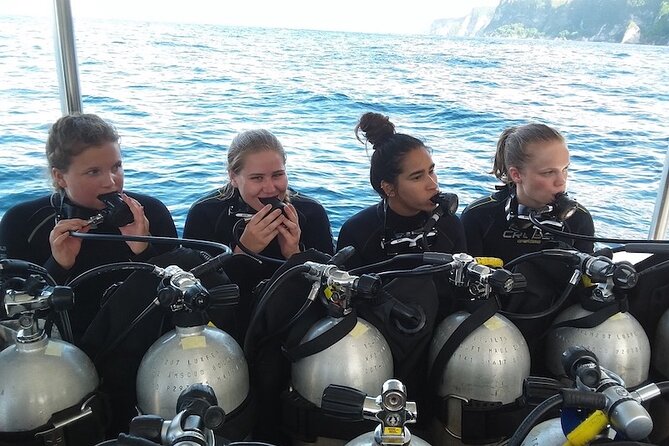
- Pool training for neutral buoyancy so you spend less time panicking and more time moving smoothly
- Max 2 divers per instructor for hands-on attention during your first underwater moments
- Manta-ray-focused shallow-water sessions with a strong chance of seeing these giants up close
- All equipment included, so you can show up with minimal gear (just swimwear and a good attitude)
- Lunch, snacks, fruit, and nonalcoholic drinks on the boat, so you don’t lose your energy halfway through the day
- Small group size (max 10 travelers), which keeps the schedule smooth and less crowded
Pool practice in the morning: learning control, not just being brave
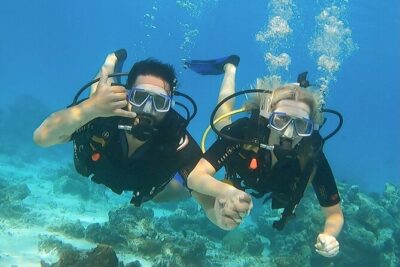
The day starts with pool training—about 45 minutes—designed specifically for non-certified beginners. This is where you learn the basics that matter underwater: breathing calmly, understanding buoyancy, and getting comfortable with the gear while someone is right next to you.
I like that the program doesn’t dump you into open water first. You get a real chance to build muscle memory—how it feels to hold position, how to move without kicking like a maniac, and how to react when things feel unfamiliar. That pool time is also the moment you can judge instructor style. If communication is clear, you’ll glide through the rest of the day; if it isn’t, you’ll notice immediately—so take mental notes and ask questions while you’re still in the pool.
The session is meant to be doable for most people with moderate physical fitness and a healthy mindset. If you’re anxious, the pool is also where you can settle in. Don’t underestimate that part. Your first underwater experience is mostly about calm coordination.
You can also read our reviews of more tours and experiences in Nusa Penida.
Nusa Penida boat day: why the food and timing are part of the value
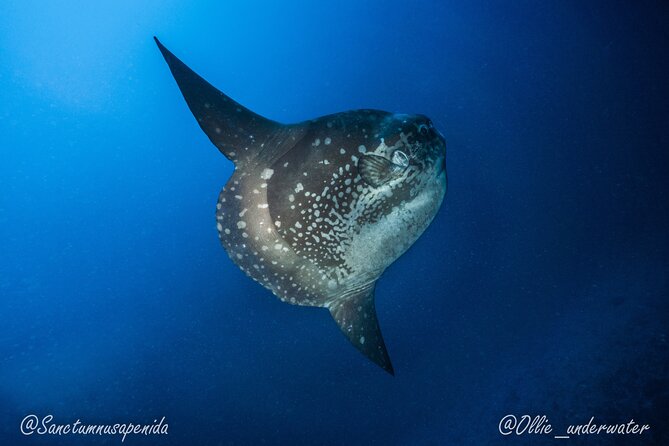
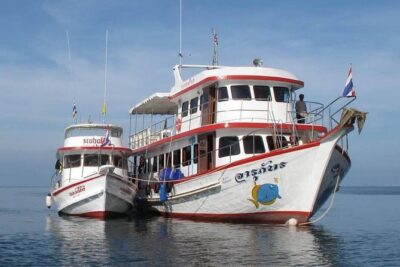
Once the pool training is done, you go out for your underwater sessions around Nusa Penida. The program runs until about 2:00 pm, and the overall duration is listed as roughly 4 hours, so it’s a tight schedule with a morning start and an early afternoon finish.
A lot of beginner water tours skimp on the “in-between” time. Here, the boat experience includes lunch, nonalcoholic drinks, snacks, and fruit, plus coffee or tea. That matters more than it sounds. When you’re learning breathing control and staying focused under water, you burn more mental energy than you expect. Eating and hydrating while you’re still above water keeps your head in the right place for the second session.
Also, because the group is small (and the ratio is instructor-heavy), you tend to spend less time waiting around. That makes the day feel efficient rather than rushed. You’re not just paying for the manta-ray chance—you’re paying for a smooth learning flow.
Underwater sessions aimed at manta rays: what you should expect
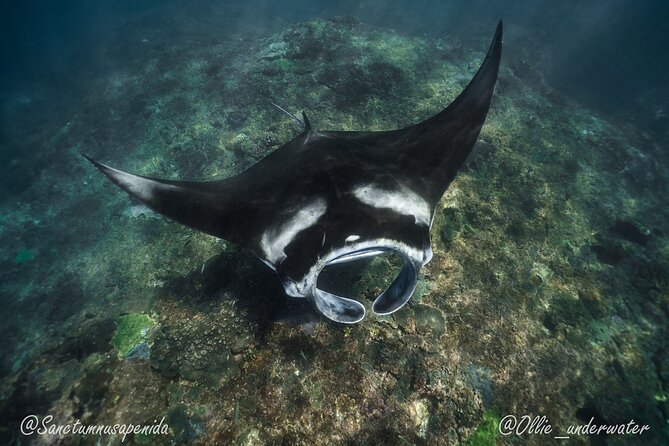
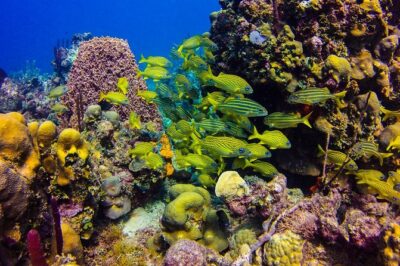
The program is built around shallow-water scuba practice with the goal of encountering manta rays. These animals are often described as gentle giants, and the tour’s plan is designed to give beginners a reasonable shot at seeing them without requiring advanced skills.
In practical terms, your underwater time is about learning how to behave in the water. You’ll focus on staying in control—especially buoyancy—so you don’t drift too fast or kick up sediment. That’s not just for safety. It also affects your viewing experience. Good control helps you stay in place when the manta rays pass by.
The itinerary notes indicate two underwater sessions, which is a big deal for beginners. You’re not just “one shot and done.” The first session lets you settle into the rhythm; the second is often where things start to click, and where you’re more likely to fully enjoy the wildlife moment.
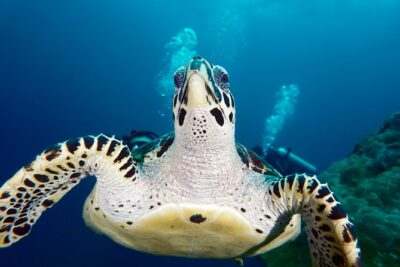
Important realism: the plan says manta-ray sightings are close to guaranteed, but no underwater experience can promise a sighting every time. If you’re going specifically for manta rays, keep your expectations flexible, and focus on the fact that you’re learning in a setting where these animals frequently appear.
Safety and instructor ratio: small numbers, better attention
This is one of the strongest parts of the experience. The program is set up with a maximum of 2 divers per instructor, and that shows in how the day is described and structured. For a first-time scuba try session, the value of that ratio is simple: you get more hands-on help when something feels confusing.
It also helps you avoid the most common beginner problem—getting self-conscious. When there’s enough instructor attention, you’re more likely to ask questions before frustration builds. And when you’re learning buoyancy and breathing, questions aren’t interruptions. They’re part of the skill-building.
There’s also a maximum group size of 10 travelers, which helps with logistics and pacing. Smaller groups usually mean less time herding people, fewer gaps in attention, and quicker adjustments if someone needs extra reassurance.
One caution from the overall feedback: there has been at least one complaint about an unfriendly instructor and poor coaching for a first-timer. The good news is the provider response indicates that they want you to communicate during the pool session so they can change your coach immediately if needed. So here’s my practical advice: go in with an open mind, but don’t “tough it out” if the teaching style is not working for you. Speak up while you still have a chance to adjust.
Gear and what you must bring: keep it simple
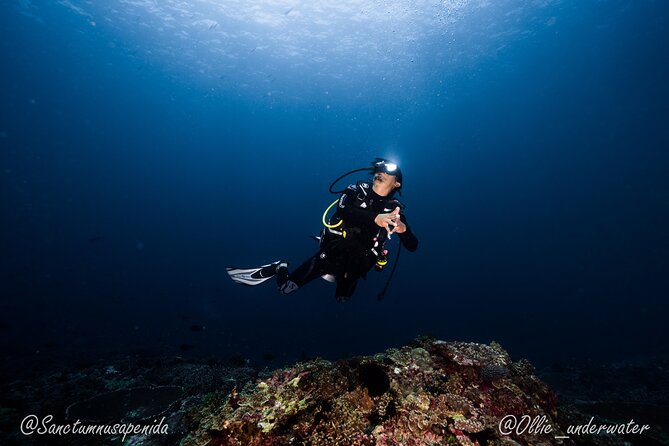
You don’t need to pack a mask or scuba equipment. Scuba equipment is included, which removes a lot of friction for first-time visitors. That’s especially helpful in Bali, where travelers sometimes arrive with gear confusion and end up losing time on rental counters.
What you do need to bring is straightforward: swimwear and a good attitude. The program also asks you to be in good health and mentally ready. This is not a casual “sit there and watch” experience; you’ll be wearing gear, learning breathing techniques, and following instruction.
Because your equipment is included, you also reduce the risk of arriving with the wrong size or a poorly fitting rental. For beginners, fit matters. If your mask doesn’t seal comfortably or your gear isn’t set correctly, you’ll spend energy troubleshooting instead of learning. Having one standardized setup handled by the team helps you focus.
Price and value: what $122.19 really covers
The listed price is $122.19 per person, and locally it’s described as 1,600,000 IDR inclusive of the pool training. That sounds reasonable for a Bali activity, but what makes it feel like good value is what’s bundled.
You’re getting:
- pool training (about 45 minutes)
- the instructor ratio (1:2)
- scuba gear
- the boat
- lunch plus snacks, fruit, and nonalcoholic drinks
- coffee or tea
Many “beginner” water experiences charge separately for equipment, boat time, or basic meals. Here, it’s packaged so you’re not tracking extra expenses mid-trip. That’s especially important if you’re on a schedule and want one predictable cost.
You are paying for two underwater sessions plus the training component, not just for being taken to the water. In other words: you’re buying a structured first-day experience designed to help you feel safe and capable enough to enjoy manta rays.
Logistics that can trip you up (so you won’t lose time)
The meeting point is Sanctum on Nusa Penida, and the start time is listed as 8:30 am. The pool training is scheduled around 8:00 am for roughly 45 minutes. Practically, that means you should plan to arrive early enough that you’re not rushing into a wetsuit-and-gear situation.
Private transportation is not included, so you’ll need to arrange your own way to the meeting point. If you’re staying on Bali island proper (not on Nusa Penida), this matters. Build time into your day so you’re not stressed before you even get into the pool.
The tour ends back at the meeting point. There’s no mention of pickup from multiple hotels, so treat this as a single fixed meeting location day.
Also note: breakfast isn’t provided. Lunch comes after the trip, so don’t plan to rely on an early meal from the organizer.
Who this experience is best for (and who should rethink it)
This works best for:
- first-time scuba learners who want a guided path (pool then shallow-water sessions)
- travelers who care about safety and attention (that 1:2 instructor ratio is a big deal)
- people who want manta rays but don’t have certification
It might not be ideal for you if you:
- want a long, flexible day on the water (this is about a few focused sessions over ~4 hours)
- need a fully private, custom coaching experience (the group is limited, but it’s still a group format)
- know you freeze up when instruction is blunt or unresponsive—because your first session depends heavily on coach communication
The good part is that the provider response suggests they can adjust your instructor if you flag issues during the pool session. So if you’re sensitive to teaching style, you’ll want to be attentive early in the morning.
Weather reality and how to handle it
This experience requires good weather. If it’s canceled because of poor conditions, you’ll be offered a different date or a full refund. That’s common in Nusa Penida, but it changes how you plan your Bali schedule. Keep one day flexible if you can, especially if your trip is tight.
If your priority is manta rays, weather is your biggest external variable. The tour is structured to maximize your chance when conditions are right, but the sea doesn’t follow checklists.
The one caution worth taking seriously: instructor fit
Most of the feedback is positive—94% recommend it, with an overall 4.7 rating from 31 reviews. That’s a strong signal that the program generally delivers on safety, organization, and the manta-ray goal.
Still, one negative report stands out for anyone going for a first scuba experience: a complaint about an unfriendly attitude and inexperienced coaching during the pool training for a beginner. The provider’s response is clear that they want the coach name so they can debrief and improve, and that you can communicate during pool training so they can change coaches right away.
So my practical takeaway for you: treat the pool session as more than training. Use it as a checkpoint. If you’re confused, ask. If you feel uncomfortable, say so right away. You’ll get a better day if issues are handled in the pool, before you’re underwater.
Should you book this manta ray try-scuba day?
If you’re a beginner and your top goal is to meet manta rays while learning real scuba fundamentals with strong safety attention, I think this is a smart booking. The big reasons are the pool-to-water structure, the small instructor ratio, and the fact that food, drinks, and equipment are included in the price.
Book it if you want a single, well-organized morning that teaches you breathing and buoyancy and gives you two chances to see manta rays. Skip it only if you’re hoping for a slow, flexible day—or if you know you need very specialized coaching and you’ll struggle if communication isn’t smooth from the start.
FAQ
How long is the try-scuba program?
It runs about 4 hours total. Pool training is about 45 minutes, and the full program finishes around 2:00 pm.
Do I need scuba certification to join?
No. This is a non-certified beginners program designed to let you take part with instructor support.
Where do I meet, and what time does it start?
You meet at Sanctum on Nusa Penida. The listed start time is 8:30 am, with pool training scheduled around 8:00 am for about 45 minutes.
What’s included in the price?
The package includes pool training, scuba equipment, the boat, lunch, coffee or tea, snacks, fruit, and nonalcoholic drinks. An instructor ratio of 1:2 is included as well.
What should I bring?
Bring swimwear and come with a good attitude. You should also be in healthy body and mind and have moderate physical fitness.
Is breakfast included?
No. Breakfast is not included; the day provides lunch after the trip.