REVIEW · TOWNSVILLE
Scuba Dive the S.S. Yongala Wreck on the Great Barrier Reef.
Book on Viator →Operated by Adrenalin Snorkel and Dive · Bookable on Viator
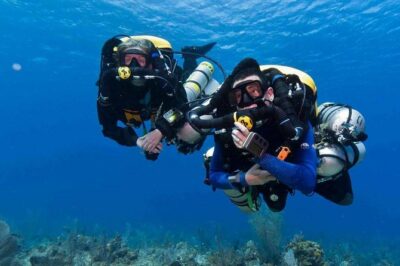
A shipwreck full of living drama. The SS Yongala sits in the Great Barrier Reef Marine Park, and this full-day trip lines up two open-water sessions at classic sites. You get the chance to see big reef animals plus a protected UNESCO wreck that drops from about 15m to 29m.
I especially like that gear is handled for you. No hauling cylinders, weights, or fins through Townsville—your tanks, weights, and scuba equipment are included, and the crew keeps the day running smoothly. I also love that you get a Yongala history talk and environmental education, so the wreck isn’t just scenery.
One thing to plan around: logbook and depth-limit rules. If you have fewer than 15 logged scuba sessions, or your depth limit is under 18m, you’ll need extra paid requirements on the day.
In This Review
- Key things that make this tour worth your time
- Entering the SS Yongala: why this wreck is such a big deal
- Townsville morning reality: transport, timing, and meeting point
- How the two underwater sessions work in one long day
- What you’ll see at 15m to 29m: corals, artifacts, and big animals
- Comfort and “what’s included” on board (so you don’t overpack)
- Price and value: is $350.73 per person fair?
- Skill checks: certification rules that affect your day
- A safety-focused crew with a day that can feel busy
- Who should book this SS Yongala trip—and who should skip it
- Should you book it?
- FAQ
- Where is the meeting point?
- What time does the tour start?
- How long is the full trip?
- What’s included in the price?
- Do I need to bring scuba equipment?
- What certification do I need?
- Is a guide required for less experienced participants?
- What if my depth experience is limited?
- What should I bring?
- What marine life and wildlife can I expect?
Key things that make this tour worth your time
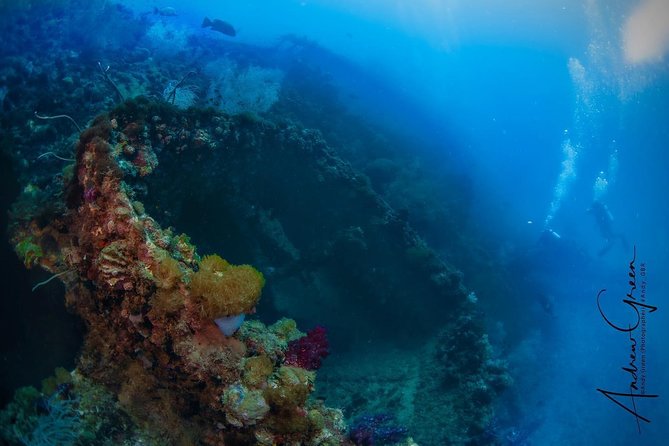
- UNESCO-listed wreck + protection status: SS Yongala is protected under the Historic Shipwreck Act (1976), inside the World Heritage-listed Marine Park.
- Two open-water sessions in one day: you can tick off two underwater stops without losing a whole second trip.
- Equipment included end-to-end: tanks, weights, and scuba gear are supplied, plus drinks and lunch on board.
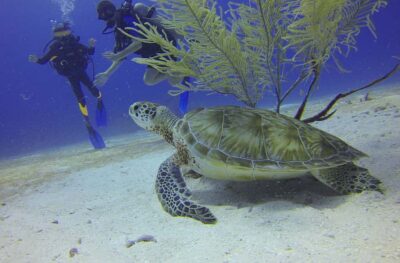
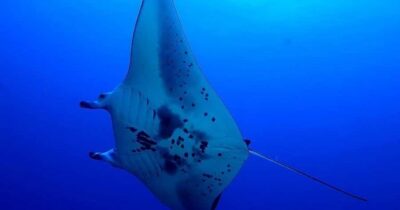
- Serious wildlife on the agenda: turtles, sea snakes, giant trevally, Queensland groopers, eagle rays, manta rays, sharks, and tons of tropical fish.
- Whale season add-on: in cooler months, humpback whales migrate past the area.
- Small group size: capped at 21 people, which usually means a less chaotic day on the boat.
Entering the SS Yongala: why this wreck is such a big deal
The SS Yongala is one of Australia’s best-known wreck experiences, and it earns the reputation for a very practical reason: it’s a major structure in a part of the reef where there aren’t many large “anchors” for marine life. That matters underwater. More structure means more places to graze, hide, and hunt—so you’re not just looking at old metal. You’re watching a functioning reef ecosystem built around the wreck.
The wreck sits within the Great Barrier Reef Marine Park, and it’s also protected as a historic shipwreck (Historic Shipwreck Act 1976). That protection is part of why you can see intact artifacts and still expect active wildlife rather than a “stripped” site. You’re also given a Yongala history talk, which helps you connect what you’re seeing with what happened to the ship.
Depth is another reason people get excited. You’ll be working in a range from roughly 15m down to about 29m, which gives a variety of views on structure, coral growth, and the way animals use different depths for cover and movement. If you like a site that feels layered instead of one-note, this one fits.
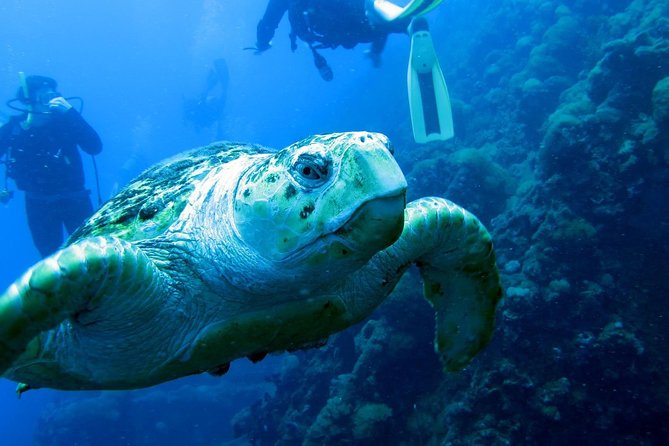
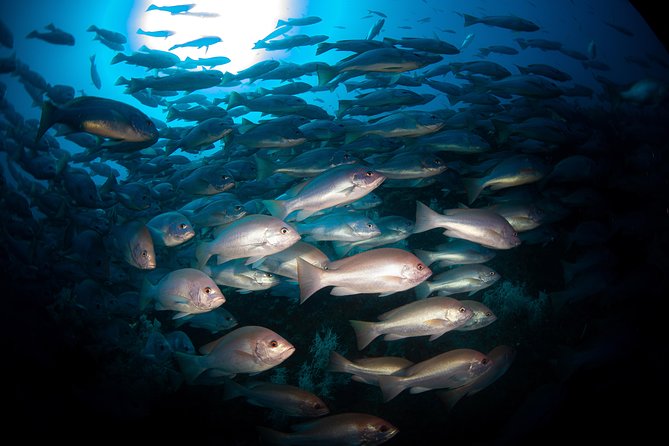
And then there’s the wildlife list. You’re not promised every animal every day, but the typical “hit parade” includes turtles, sea snakes, giant trevally, Queensland groopers, eagle rays, manta rays, sharks, and countless tropical fish. That lineup is why this trip is popular even for people who’ve seen other reef wrecks.
Finally, if you’re traveling in cooler months, the tour notes humpback whales during their migration. Watching whales is one of those “I didn’t plan for that” moments—except here it’s built into the seasonality of the experience.
You can also read our reviews of more tours and experiences in Townsville.
Townsville morning reality: transport, timing, and meeting point
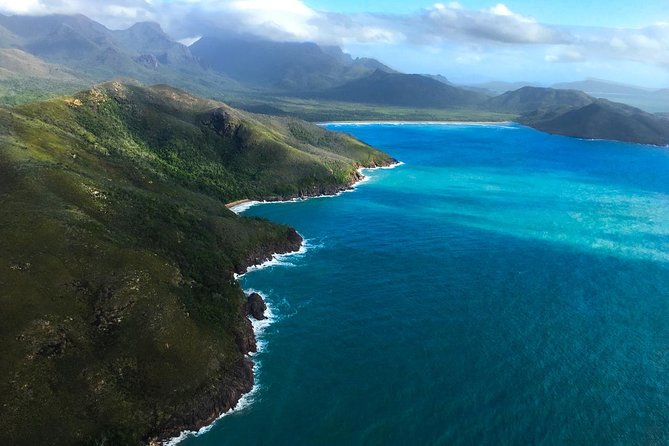
The day starts early. You meet at Fuel Wharf, Mariner’s Peninsula subsidiary (No. 104), 29 Mariners Dr, Townsville City QLD 4810, with a start time of 7:00am. The trip runs about 10 hours total, and the schedule is built around getting to the wreck area while conditions are workable.
This matters because on the Great Barrier Reef, timing affects comfort and visibility. The boat ride is part of the day, and if the surface is choppy, you’ll feel it. One of the most helpful things you can do is show up rested, hydrate before you board, and keep your head clear for the first briefing.
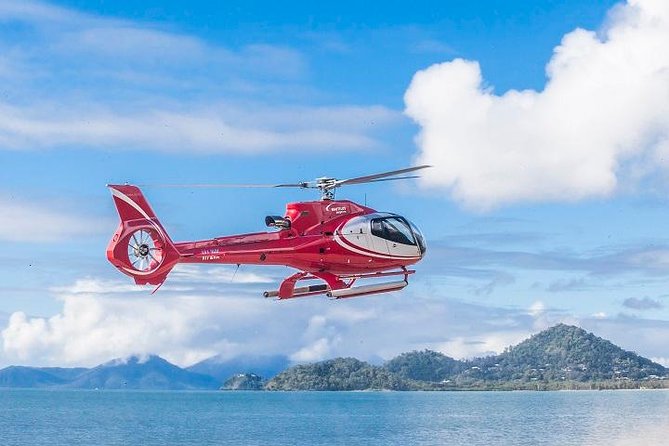
Also note the pickup flexibility. The included transfer covers Townsville and Magnetic Island to the Yongala Wreck. If you’re staying on the island side, this can save you the hassle of figuring out your own transport to the marina.
Your ticket is mobile, and you’ll receive confirmation when you book. Plan to have your details handy, because the day runs with strict checks.
How the two underwater sessions work in one long day
This is a “two stop, one day” format. The trip includes 2 certified open-water sessions, plus a lunch onboard and a Yongala history/environment education talk. The crew’s job is to keep you on schedule while conditions change—wind, swell, and currents can shift.
Here’s what that usually means for your experience:
- You spend the morning getting to the sites and settling in for gear checks and briefing.
- Then you go back into the water for session one.
- You surface, eat, hydrate, and reset.
- After that, you do the second session with another briefing and site focus.
The two-session structure is especially valuable if you’re short on time in North Queensland. Instead of committing to a whole extra day to hit a second site, you pack it into one long day and still get two separate underwater looks. That’s also a practical choice if you want redundancy: if one session is affected by conditions, the second session can still deliver a great experience.
One more scheduling note: some people can get thrown off if briefings feel noisy or rushed while the boat is underway. If you’re sensitive to sound or attention-changes, give yourself a minute to settle before the crew talks through safety and site specifics.
What you’ll see at 15m to 29m: corals, artifacts, and big animals
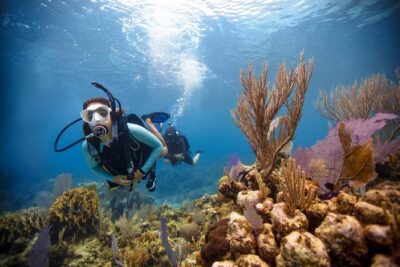
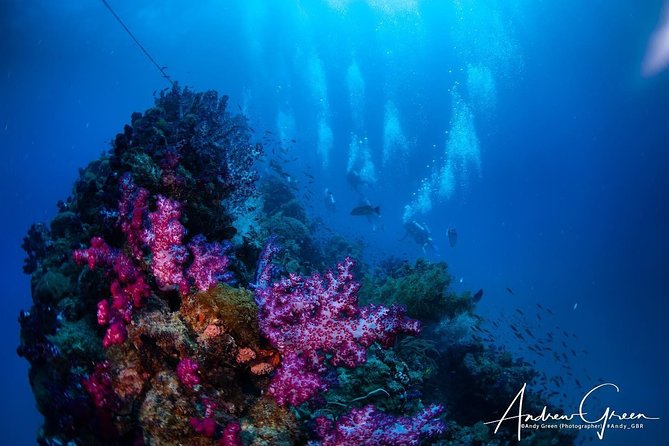
Expect the wreck to be covered in coral growth and to feel like an underwater neighborhood rather than a museum piece. Since the SS Yongala is a large reef structure in the area, marine life tends to use the wreck’s surfaces and contours for shelter and feeding routes. That’s why the site is so famous: you’re looking at both artifacts and living behavior.
You can reasonably plan for a mix of:
- Structure views: the ship’s remains and how coral has taken hold.
- Wildlife interaction: animals moving through the wreck “streets,” rather than just passing once.
- Fish density: countless tropical fish are part of the standard description for this site.
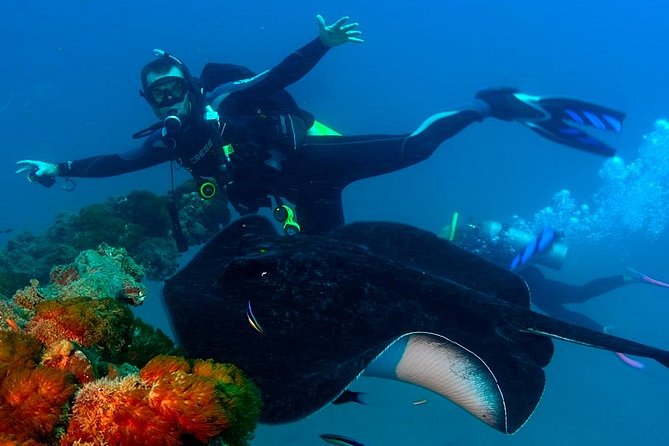
The animal list is a big part of the appeal. Turtles and eagle rays are often what people remember most, and the wreck is also associated with larger predators and scavengers like giant trevally and sharks. Giant trevally are especially interesting because they can be curious and visible when they’re cruising. Manta rays and manta-like sightings can happen too, and the presence of sea snakes rounds out the “reef and wreck” mix.
Depth variety can change the experience. At 15m-ish, you often get easier navigation and a wider view of how animals are spread across the wreck. As you go deeper toward the upper 20s, the water often feels quieter and more “focused,” with wildlife moving in a tighter pattern around the structure and where current brings food.
Whale season deserves a special mention. During cooler months, the tour notes humpback whales on annual migration. If whales are in the area on your date, this can shift the whole day from just an underwater goal to a full reef-and-wildlife outing.
Comfort and “what’s included” on board (so you don’t overpack)
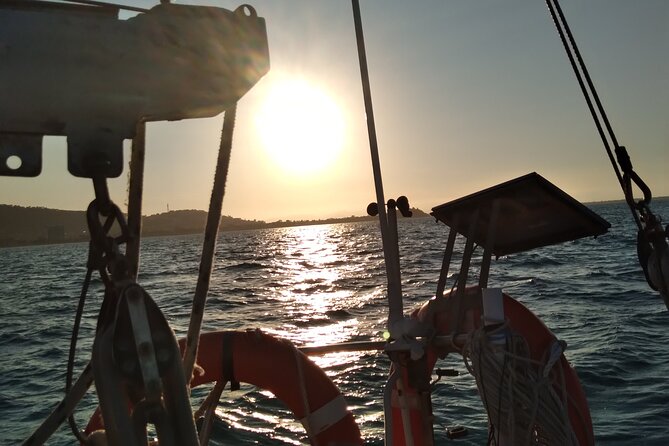
This tour is designed to remove friction. Besides the obvious equipment, you get tanks, weights, and scuba equipment, plus lunch and drinks: iced water, cordial, tea, and coffee throughout the day. That’s a real value add, because you don’t have to buy food or figure out how you’ll keep hydrated during the ride and between sessions.
You should still pack smart for Queensland sun. Wear your swimwear and bring a towel, hat, sun protection, and a light jumper for cooler months. Even if it’s sunny, that wind on a boat can feel sharper than you expect.
A camera is also a good call, especially if you’re hoping to catch wildlife moments. The wreck’s depth and movement can make photos challenging, but having the chance beats wishing you had brought the camera.
Mobile ticket helps with check-in, but you’ll still want to have your certification details ready. Divers must present proof of certification to the crew onboard on the day.
Price and value: is $350.73 per person fair?
The price is listed at $350.73 per person, and the average booking window is about 36 days in advance. That’s a hint that this is a high-demand, limited-capacity trip—especially because the group is capped at 21 travelers.
To judge value, I look at what you’d otherwise pay separately:
- Transport from Townsville (and Magnetic Island) to the wreck area
- Two separate underwater sessions
- Tanks, weights, and scuba equipment
- Lunch and drinks
- History talk and environmental education
When you add those parts up, this price starts to look like more than just a “site fee.” You’re buying a whole day of logistics plus the setup that makes the wreck experience possible without stress.
What’s not included is where you need to pay attention:
- If you have fewer than 15 logged scuba sessions, an additional required guided component applies (A$20.00 per person).
- If your depth comfort limit is less than 18m, you’ll need a mandatory deep add-on (A$35.00 per person).
So the real cost depends on your logbook and depth limit. If you already meet the thresholds, the trip is straightforward value. If you don’t, budget for the extra on-the-day requirements so there are no surprises.
Skill checks: certification rules that affect your day
This trip is for certified scuba participants only, with a minimum qualification of Open Water and a requirement for at least six logged scuba sessions prior to the site. You must show proof of certification to the crew onboard.
The tour also requires you to provide personal details at booking: heights, weights, shoe size, number of logged sessions, and last session date. That’s not admin busywork. It helps the crew size your gear and keep things smooth when you’re rolling through checks on a schedule.
If your logged sessions are under 15, plan on the extra guide requirement. If your depth limit is below 18m, plan on the deep add-on requirement. These aren’t optional requests; they’re tied to how the operator manages the risk at a site that ranges from 15m to 29m.
This is the one place I’d urge you to be honest with yourself. If your depth comfort is uncertain, don’t “hope you’ll be fine.” Getting your gear and training matched to the site will protect your day and your safety.
A safety-focused crew with a day that can feel busy
The operator lists an experienced, professional, fun, and safe crew, and that lines up with what matters most on a day like this. When a site has a depth range and big marine life potential, the crew’s communication has to be clear, and the workflow has to be tight.
At the same time, this is a full-day operation. The boat has moving parts, and briefings can happen while engines are running and the boat feels active. If you prefer quiet, take that into account. You’ll do best if you’re ready to listen, confirm you understand the plan, and then focus on what you need right before your underwater sessions.
The boat’s comfort can also vary with sea conditions. If the water is choppy on your date, expect some bouncing. The upside is that the crew can adjust support and check-ins to keep you feeling okay.
Who should book this SS Yongala trip—and who should skip it
Book it if:
- You’re already certified and you’ve got enough logged experience for this site.
- You want a one-day Great Barrier Reef + wreck combo.
- You like seeing big reef animals around real structure, not just reef coral gardens.
- You can commit to a long 10-hour day starting at 7:00am.
Skip it (or consider another option) if:
- Your logbook and depth limits don’t meet the stated thresholds and you don’t want to deal with the extra required components.
- You’re not comfortable doing two underwater sessions back-to-back with a long boat day in between.
- Early starts make you miserable. This one begins before your holiday brain has fully loaded.
This tour is also a strong fit if you’re traveling with limited time in Townsville. It’s built to stack two underwater experiences into one outing.
Should you book it?
I think this is a good booking if you meet the training/logbook requirements and you want a classic wreck day that mixes history with serious marine life. The included equipment, lunch, and transport take a lot of the usual “scuba admin” stress off your plate, and the SS Yongala’s protection status and wildlife potential are exactly the kind of value that’s hard to replicate on your own.
If you’re on the edge of the experience requirements, don’t panic—just check your logbook and depth limit before you commit. If an extra guide or deep add-on is likely, factor that into your budget and expectations.
FAQ
Where is the meeting point?
You’ll meet at Fuel Wharf, Mariner’s Peninsula subsidiary No.104, 29 Mariners Dr, Townsville City QLD 4810.
What time does the tour start?
Start time is 7:00am.
How long is the full trip?
The duration is about 10 hours.
What’s included in the price?
The trip includes transfers to the Yongala Wreck with 2 certified open-water sessions, a professional crew, tanks/weights/scuba equipment, lunch, and drinks (iced water, cordial, tea and coffee), plus a Yongala history talk and environmental education.
Do I need to bring scuba equipment?
No. Tanks, weights, and scuba equipment are provided.
What certification do I need?
You must be certified, with a minimum qualification of Open Water. The site also requires a minimum of six logged scuba sessions prior to diving the area.
Is a guide required for less experienced participants?
Yes, if you have fewer than 15 logged scuba sessions, a compulsory extra guide fee applies at A$20.00 per person.
What if my depth experience is limited?
If your experience limit is less than 18m, a mandatory deep add-on fee applies at A$35.00 per person.
What should I bring?
Wear your swimwear and bring a towel, hat, sun protection, a light jumper in cooler months, and a camera.
What marine life and wildlife can I expect?
The site is described as home to turtles, sea snakes, giant trevally, Queensland groopers, eagle rays, manta rays, sharks, and countless tropical fish. Humpback whales may also be seen during cooler months when they migrate through the area.