REVIEW · PULA
Pula: Introduction to Scuba Diving
Book on GetYourGuide →Operated by Diving center Orca Pula · Bookable on GetYourGuide
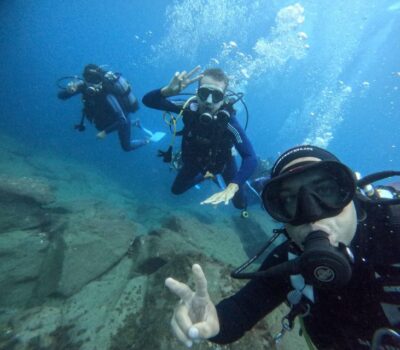
7 meters down can change your whole attitude toward fear. This intro scuba course off Pula’s Adriatic coast gives you a calm, step-by-step start: breathing basics, clear underwater hand signals, and a supervised swim at up to 7–8 meters.
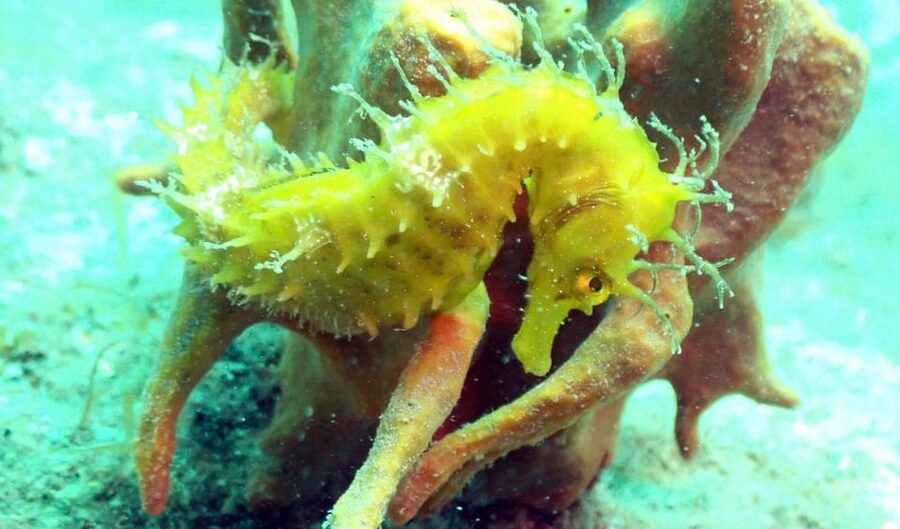
Two things I especially like: you get patient instruction focused on doing the basics right, and you have a real shot at seeing local sea life like octopus and seahorses during the shallow water time. One thing to consider is that the session can change with weather.
At the meeting point in Pula, you’ll fill out a medical questionnaire, get fitted with the necessary gear, and then you’ll ease into the water slowly rather than being thrown in. The whole experience is geared for first-timers, including families with kids minimum age 10 (and kids need to be accompanied by an adult). If you’re nervous, that focus on safety and communication is the point, not an afterthought.
In This Review
- Key Highlights You’ll Actually Care About
- Getting Started at Orca Center in Verudela (What Happens Before You Go In)
- The Skills Lesson: Breath Control and Underwater Hand Signals
- Underwater Time Off Pula: What “Up to 7–8 Meters” Really Feels Like
- Creature Spotting and Calm Observation: How to Make the Most of the Shallow Water
- Gear, Comfort, and the Details That Affect Your Confidence
- Price and Value: Is $100 Worth It for an Intro Course?
- Languages and Instruction Style: Why the Instructor Can Make or Break It
- Weather and Timing: What Can Change on the Day
- Who This Course Is Best For (and Who Might Skip It)
- Should You Book This Intro Scuba Course in Pula?
- FAQ
- What is the maximum depth you reach?
- How long is the underwater part?
- What age is the course for?
- What’s included in the price?
- What should I bring?
- Is it recommended for pregnant women?
Key Highlights You’ll Actually Care About
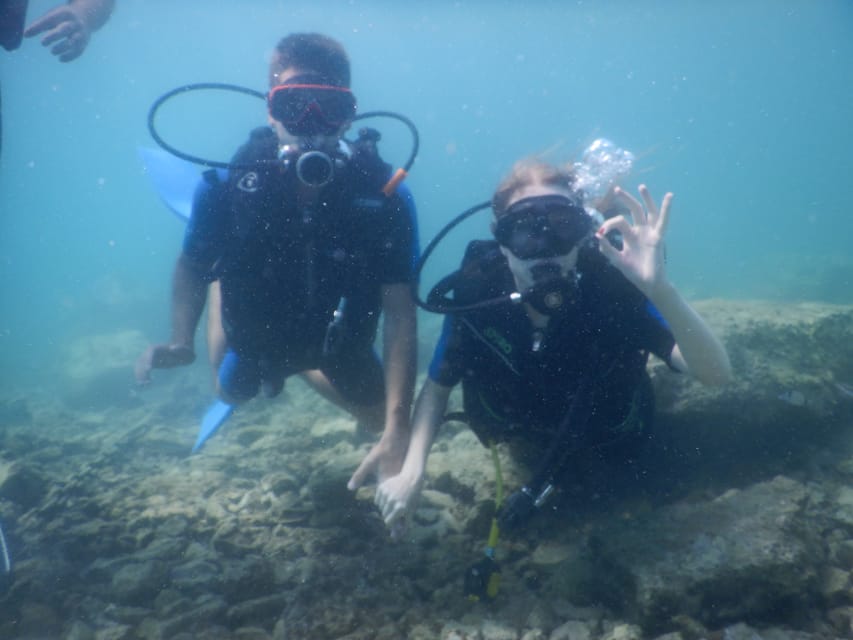
- Up to 7–8 meters with an instructor who teaches you what to do before you go down
- Breathing technique coaching so you know how to control your air and pace
- Underwater hand signals so you can communicate clearly underwater
- Creature-spotting chances in shallow water, including reports of octopus and seahorses
- Multi-language instruction (English, German, Italian, French, Croatian) through the Orca team
Getting Started at Orca Center in Verudela (What Happens Before You Go In)
Your day starts at the Orca center, Verudela 17, in Pula. Plan to arrive ready to move. You’ll do the non-fun but necessary stuff first: a medical questionnaire. It’s there for a reason. Scuba gear changes how breathing and exertion feel, so they want to make sure you’re cleared for an intro session.
Next comes equipment. The course provides the gear and training, so you’re not hunting for rentals, watching random how-to videos, or guessing what fits. The staff setup also matters because a beginner course lives or dies by comfort. If your mask, regulator setup, or buoyancy gear doesn’t feel right, you’ll spend your mental energy fighting equipment instead of learning.
Finally, you’ll get a safety briefing and an intro to the underwater communication system. The key is that you don’t just learn signs as a memorization exercise. The way this is set up is meant to help you use them calmly once you’re actually in the water.
If you’re traveling with family, the age rule is clear: minimum age 10, with kids accompanied by an adult. (There’s a separate kids program for ages 8–10, but you’ll need that specific option.) Also note pets aren’t allowed.
You can also read our reviews of more tours and experiences in Pula.
The Skills Lesson: Breath Control and Underwater Hand Signals
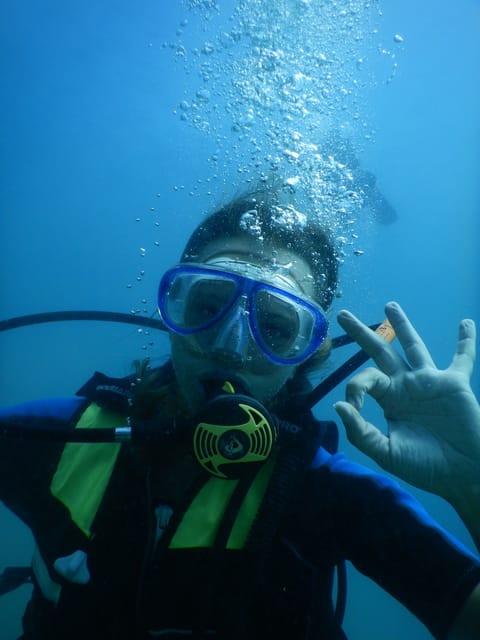
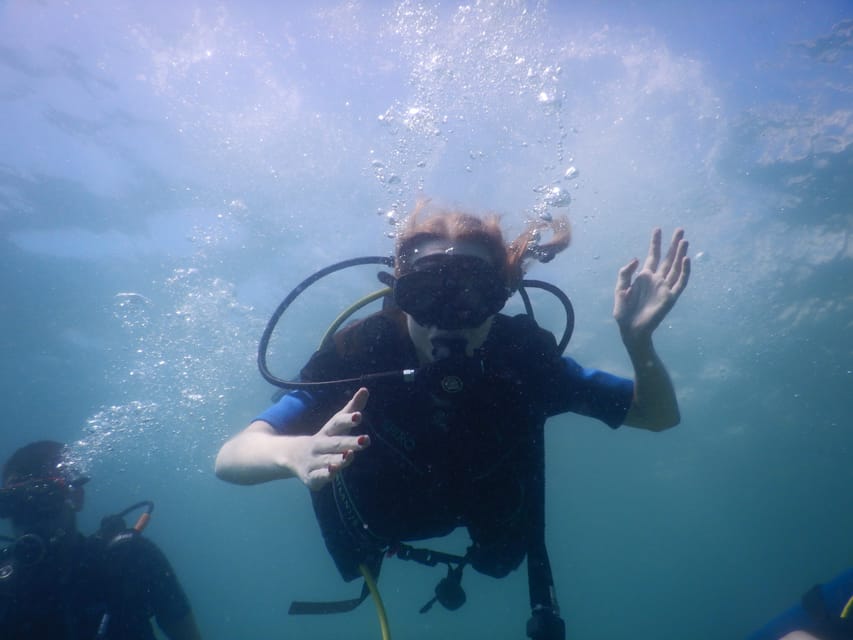
The core of this intro scuba course is the training: breathing technique and underwater hand signals, taught by an experienced instructor. The format is designed for first-timers, so it doesn’t assume you already know how the gear behaves.
This is the part that reviewers rave about. Names like Johannes, Nef, Yoan, Sergei, and Marin show up again and again for a common reason: calm, patient teaching that brings anxious people along step-by-step. One guest described instructions as broken into easy, bite-sized bits. Another highlighted how an instructor’s calm professionalism helped a hesitant partner go from insecure to fully comfortable.
What this means for you: your success depends more on clarity than courage. You’re learning how to:
- manage your breathing at a steady pace
- understand what the instructor expects from you underwater
- communicate with simple hand signals rather than trying to talk
That last point matters more than it sounds. Underwater, your voice goes away, and so does your ability to interpret what you think you hear. With signals practiced in advance, you’re not guessing.
Underwater Time Off Pula: What “Up to 7–8 Meters” Really Feels Like
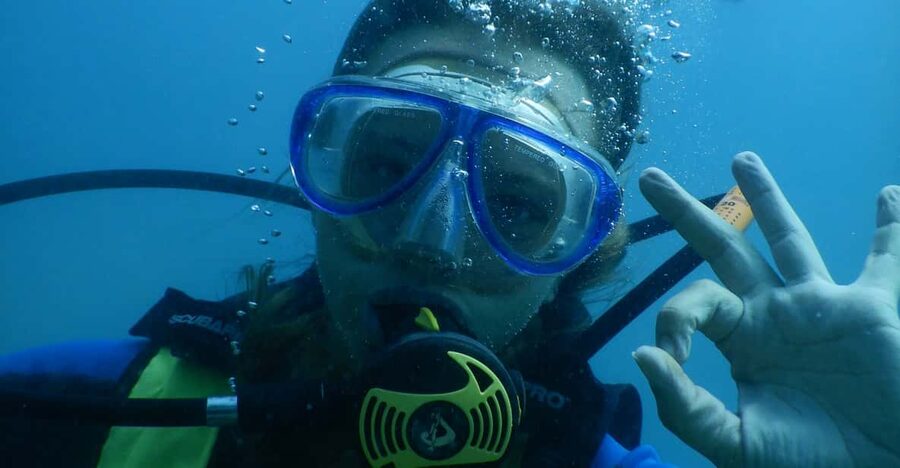
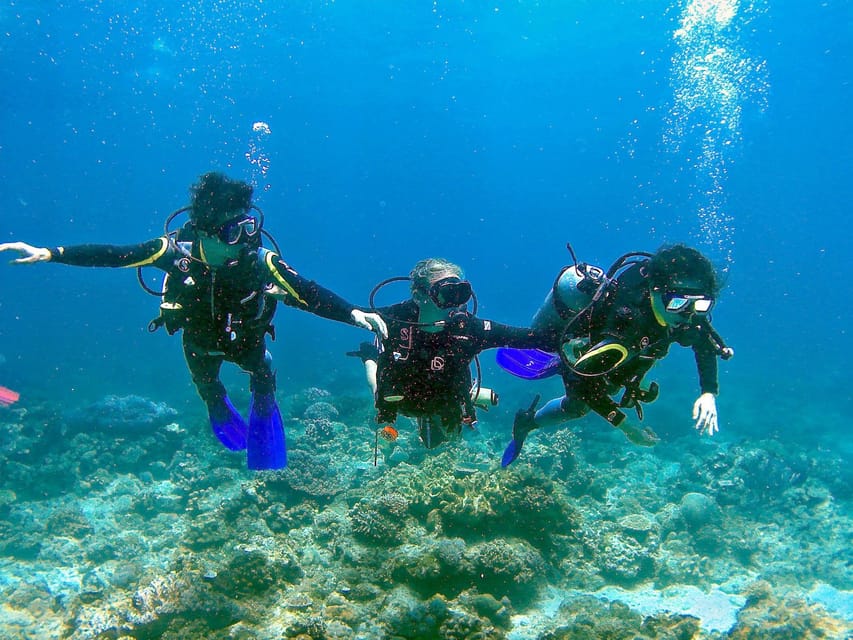
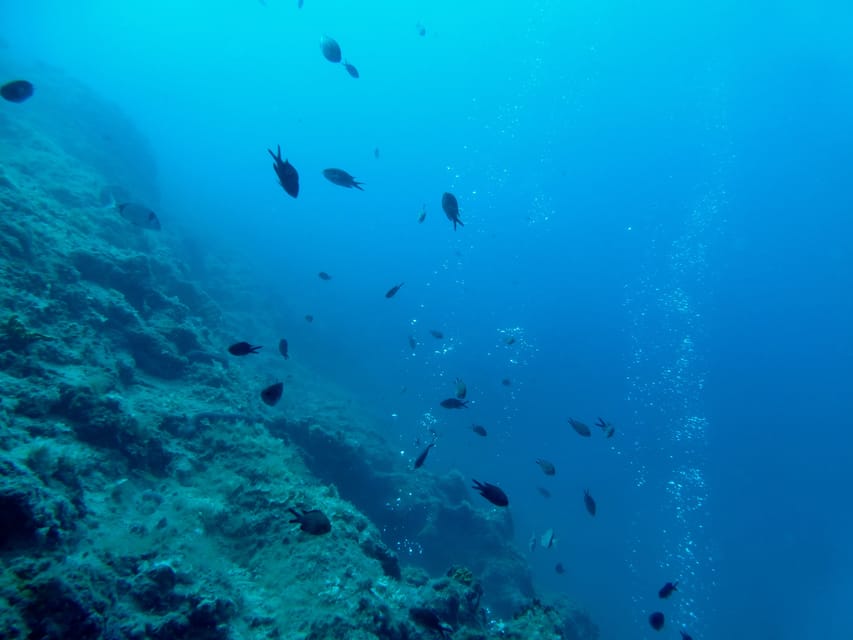
Once you’re ready, the course shifts from lessons to practice. You’ll slowly venture underwater to a maximum depth of about 7–8 meters. Your underwater session has a maximum duration of 30 minutes.
Now, a subtle but important reality check: the number you’ll care about is not just depth. It’s how the whole setup feels once you’re down there. A shallow intro can still be intense for the lungs and mind, especially if you’re excited or nervous. That’s why the course uses gradual progression rather than a sudden drop.
A couple of reviews also suggest flexibility based on conditions and instructor judgment. One guest reported going to about 9.6 meters, and another mentioned spending over 40 minutes in the sea. That doesn’t replace the official limits, but it tells you that the day can run a bit longer depending on how smoothly everyone is doing and what’s happening in the water.
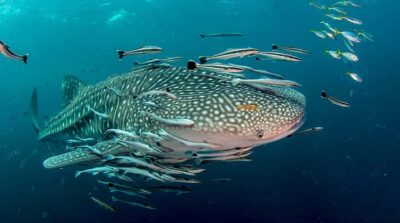
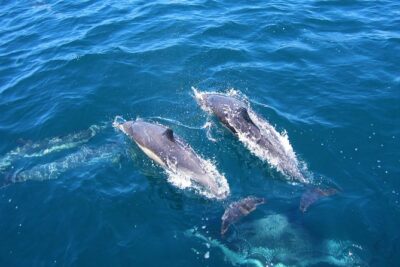
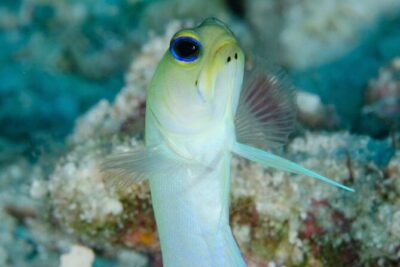
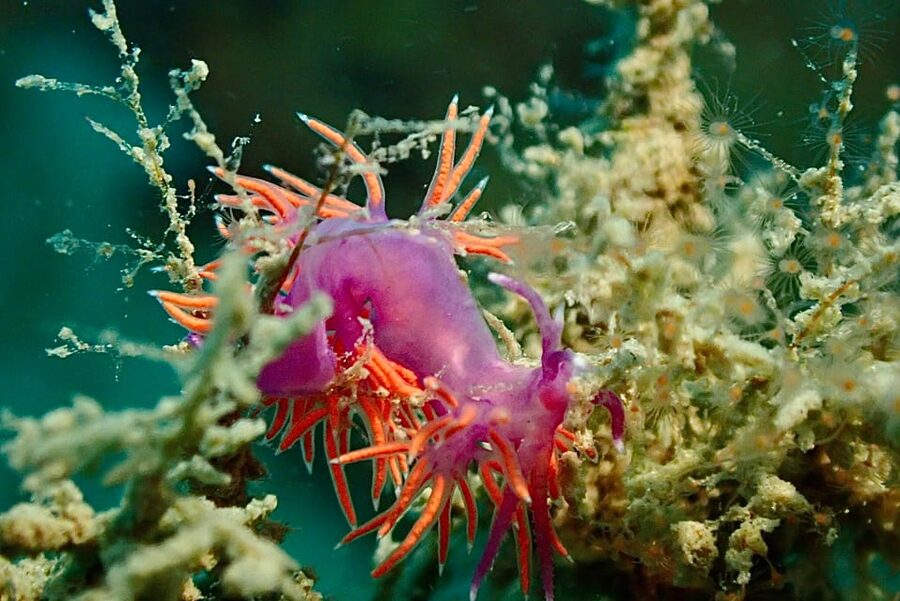
What you’re likely to see is the fun part: local sea life. The course mentions spotting creatures like octopus and seahorses. In practice, shallow water observation is about patient looking. Don’t rush to “find something.” Let the instructor show you how to scan calmly, then give your eyes a moment. For first-timers, that’s when the magic lands.
Creature Spotting and Calm Observation: How to Make the Most of the Shallow Water
This is not a course built around speed. It’s built around controlled, comfortable time in the water, which is exactly what you need to actually notice what’s around you.
Here’s how to think about it:
- If you control your breathing, you’ll move more steadily.
- If you move steadily, you won’t scare off the small stuff.
- If you slow down, you’ll see more than just the biggest shapes.
Octopus sightings tend to be the kind that happen when you stay still long enough. Seahorses are similar: they don’t usually show up because you sprint toward the nearest object. Instead, they’re about slow scanning and respectful distance.
Also remember: your job isn’t to collect proof for social media. Your job is to follow the instructor and maintain your buoyancy and breath. That’s the fastest route to a good experience.
Gear, Comfort, and the Details That Affect Your Confidence
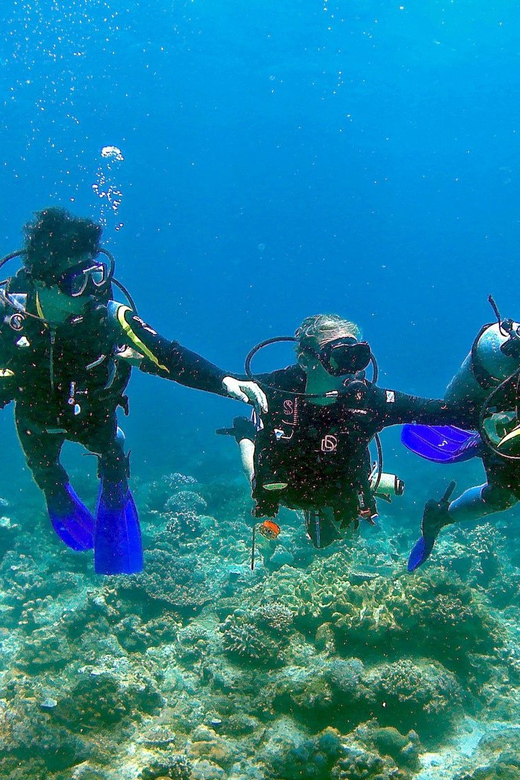
The gear is included, which is a big value point for first-timers. It removes friction. You don’t need to guess what size to rent, whether you understand how it should fit, or how to assemble it.
What you can control is what you wear:
- Bring swimwear.
That’s the only item you’re told to bring, which suggests the center handles the rest.
Also, if you’re going with kids, keep expectations realistic. This isn’t a free swim. It’s a structured lesson with safety boundaries. Kids who do well tend to follow instructions quickly and stay relaxed during the pre-water training.
Finally, be aware of who the course may not suit. It is not recommended for pregnant women. The course structure and safety focus make that restriction clear.
Price and Value: Is $100 Worth It for an Intro Course?
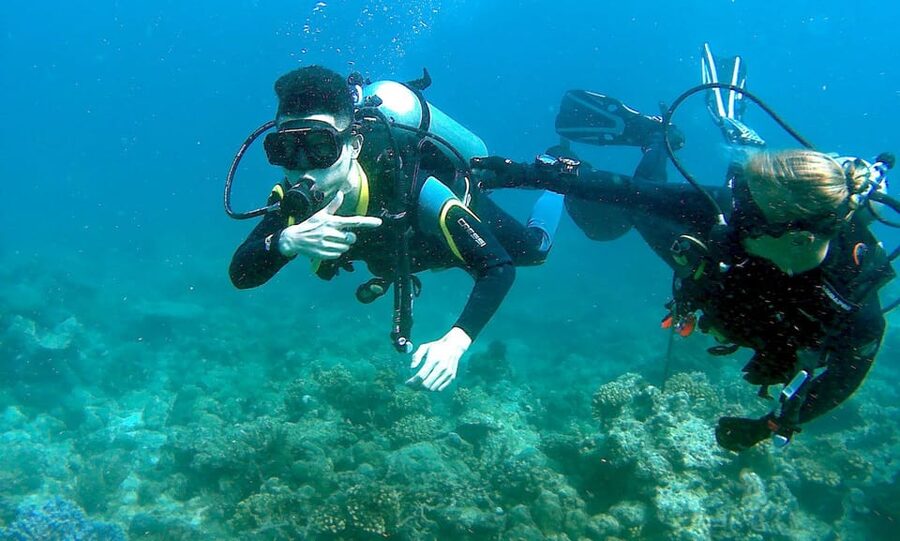
At about $100 per person, this course is priced like a real activity, not a casual tourist taster. The value comes from three things you can’t easily DIY:
- expert coaching on breathing technique
- underwater hand signals and safety practice
- provided equipment plus an instructor-led supervised session
Also, the location helps. Pula is in Istria County, right by the Adriatic coast. That makes the whole day feel connected to the sea rather than a long transfer to a faraway spot.
In short: the cost makes sense if you want a guided start that actually teaches you what to do under supervision. If you’re just trying to snorkel and you’re comfortable learning on your own, you might find cheaper options. But if you want a structured intro with calm instructors, $100 feels fair.
Languages and Instruction Style: Why the Instructor Can Make or Break It
This course is offered with instructors who speak English, German, Italian, French, and Croatian. That’s a practical advantage in Pula, where you may not be the only language group at the center.
More important than language is the teaching style. Many reviews focus on calm professionalism and patience, including how instructors helped someone who was hesitant at the start. That tells me the center isn’t just counting down to the underwater time. They’re trying to get you comfortable before you go in.
If you freeze easily when you’re learning something new, prioritize the instructor vibe. From the repeated names and descriptions, Orca’s team has a habit of staying steady while you learn.
Weather and Timing: What Can Change on the Day
The program is subject to change depending on weather conditions. That’s not a detail to ignore. Wind, currents, and sea conditions affect both comfort and safety at shallow depths.
So here’s a good travel habit: don’t stack too many delicate plans right next to this activity. If you can, keep a little buffer in your schedule. If weather shifts, you’ll want time to adjust rather than panic.
Also note the underwater session has a maximum duration of 30 minutes. You might still be at the center longer because of gear time and training. Plan your day as a “half-day to be busy” kind of outing rather than a quick stop.
Who This Course Is Best For (and Who Might Skip It)
This is a strong choice for:
- first-timers who want to learn the fundamentals in a controlled way
- families traveling in Pula who have kids 10+ and an adult present
- people who want clear safety coaching and simple underwater communication
- anyone who appreciates calm instruction, especially if you’re nervous
It’s not for:
- children under 10
- anyone who is pregnant, since the course isn’t recommended for that situation
If you’re an experienced swimmer but totally new to scuba, you’ll still get value from breathing technique and the hand-signal system. It’s the fastest way to build confidence.
Should You Book This Intro Scuba Course in Pula?
I’d book it if your goal is a safe, guided first taste of underwater life with coaching that doesn’t rush you. The consistent praise for instructor calmness and patience matters, because beginners need steady leadership more than they need bravado.
Skip it (or choose another option) if you can’t follow safety instructions well, if weather would ruin your schedule, or if you fall into the clear restrictions like pregnancy or age under 10.
If you’re in Pula and you want a memorable Adriatic experience that doesn’t require prior training, this is one of the more sensible “learn something real, see something real” activities.
FAQ
What is the maximum depth you reach?
The course takes you to a maximum depth of about 7–8 meters.
How long is the underwater part?
The maximum duration of the underwater session is 30 minutes.
What age is the course for?
The minimum age is 10, and children must be accompanied by an adult.
What’s included in the price?
The included items are the guide, equipment, and training.
What should I bring?
Bring swimwear. That’s the only required item listed.
Is it recommended for pregnant women?
No. The course is not recommended for pregnant women.