REVIEW · MOTOBU CHO
Okinawa: Discover SCUBA Diving 2 Dives at Minna, Sesoko or Motobu
Book on Viator →Operated by TEERA SCUBA VENTURES, OKINAWA · Bookable on Viator
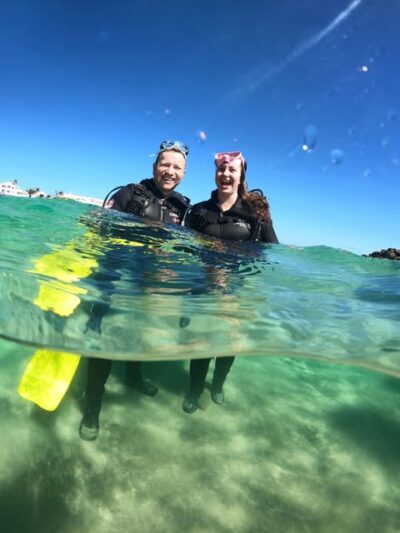
Two scuba sessions in Motobu’s clear water. This small-group course from TEERA SCUBA VENTURES is built around Motobu-cho and max 6 participants to keep your training focused.
I like how photo and movie files are included, so you can keep the best moments without paying later. And the boat ride comes with cookies, seasonal fruit, and drinks, plus a T-shirt as part of the experience.
One note: the exact island stops can shift with weather, since the boat captain chooses the sites day-of.
In This Review
- Key takeaways before you go
- Yamagawa Pier to the islands: why Motobu works so well for beginners
- What the $157.65 price includes (and why it’s not just the instructor)
- The half-day schedule: paperwork, briefing, then two underwater sessions
- Minna, Sesoko, or Sakimotobu waters: how the boat captain keeps you safe and comfortable
- Instructor focus: what “VIP care” means when you’re nervous
- Gear, comfort, and the “small stuff” that keeps you smiling
- Photos and movie files: bringing home proof you did it
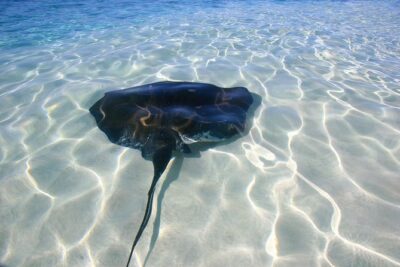
- What you might see under the surface (and why turtle sightings happen)
- Who this is best for (and who should reconsider)
- The one caution I’d respect: site decisions and safety cutoffs
- Value math: paying for gear, boat time, and the photo package
- Should you book this Motobu scuba course?
- FAQ
- How long is the experience?
- Do I choose between a morning and afternoon session?
- How many people are in the group?
- Where do I meet for the activity?
- What’s included in the price?
- Is lunch included?
- What happens if weather or marine conditions cause cancellation?
Key takeaways before you go
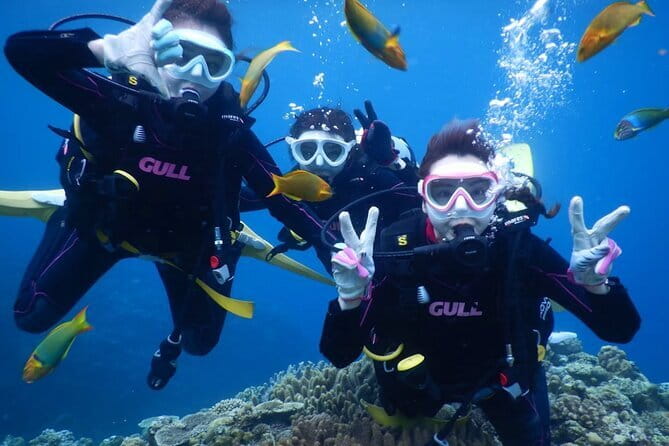
- Small group size for hands-on coaching: up to 6 people, which usually means more attention when you’re learning.
- Two underwater sessions in one half-day: morning or afternoon, with a change of location between the two.
- Boat captain picks the site based on conditions: you may end up at Minna, Sesoko, or around Sakimotobu.
- Included photo and movie data: you bring home digital files without extra fees.
- Beginner VIP care track: experienced instructors run a structured course for new scuba students.
- Snack-forward boat break: tea/drinks plus local cookies and seasonal fruit help you feel human again between sessions.
Yamagawa Pier to the islands: why Motobu works so well for beginners
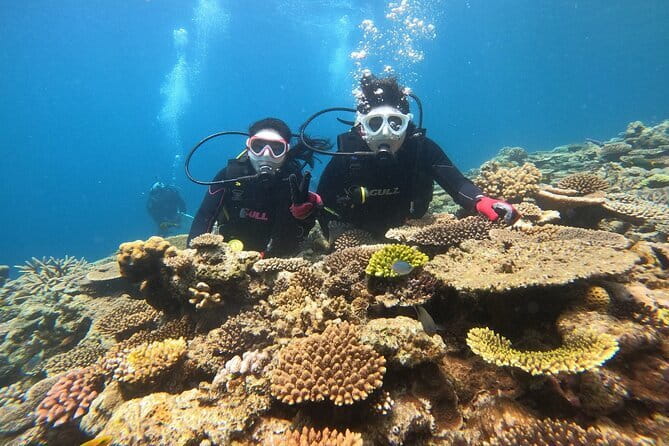
Motobu-cho sits in a sweet spot for first-time scuba instruction. From the meeting point at Yamagawa Pier (山川港ボート乗り場), you’re close enough to several good local areas without turning the day into a long bus-and-boat marathon. The tour is designed around a half-day flow, so you get real water time without feeling exhausted before you even start.
The biggest practical advantage here is the “stay together” setup: a small group (max 6) and a certified instructor means the pace stays manageable when you’re still learning basics like breathing, hand signals, and buoyancy control. If you’re the type who likes clear steps and regular checks, this format fits.
You can also read our reviews of more tours and experiences in Motobu cho.
What the $157.65 price includes (and why it’s not just the instructor)
At $157.65 per person, you’re paying for a package that covers the main costs that often add up on your own. You get:
- Full scuba equipment
- Boat passenger fee
- A certified professional instructor
- Drinks, cookies, and seasonal fruit during the ride
- Digital data of photos and a movie
That combo matters. Many “try scuba” options either make you rent gear separately, charge for photo packages, or leave you to figure out how you’ll get the boat portion squared away. Here, you’re bundled into one price, and the onboard snack plan is included too, which sounds small until you’ve spent a morning prepping and then suddenly need something to steady your nerves.
What’s not included is also clearly defined. You’ll handle lunch and transportation to the pier (the tour notes that you should ask for that if you need help). Also, if you want motion-sickness medicine, it’s available as an add-on: ¥200 per booking.
The half-day schedule: paperwork, briefing, then two underwater sessions
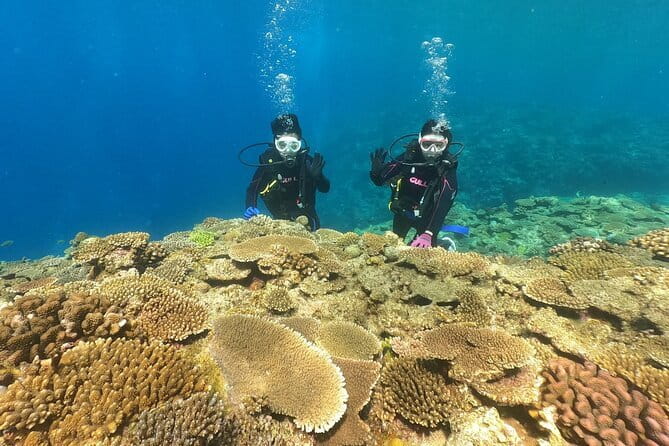
This experience runs for about 4 hours, with two departure options: morning or afternoon. You meet, do paperwork, get a briefing, then head out by boat. The timing is built to give you two separate underwater training blocks without dragging the day.
A typical flow looks like this:
- Meet (either around 08:00 or 12:30), then paperwork
- Briefing roughly 15–30 minutes later
- Depart toward the scuba site
- First in-water session in the morning window (or the afternoon equivalent)
- Move to another site for the second session
- Return to the pier, change clothes, and end back at the meeting point
That “change sites” piece is more than a log-book detail. It increases your odds of seeing more sea life and varied scenery, and it keeps things from feeling repetitive. It also gives you a natural reset between sessions—good when you’re still learning and your brain needs a break between skills.
Minna, Sesoko, or Sakimotobu waters: how the boat captain keeps you safe and comfortable
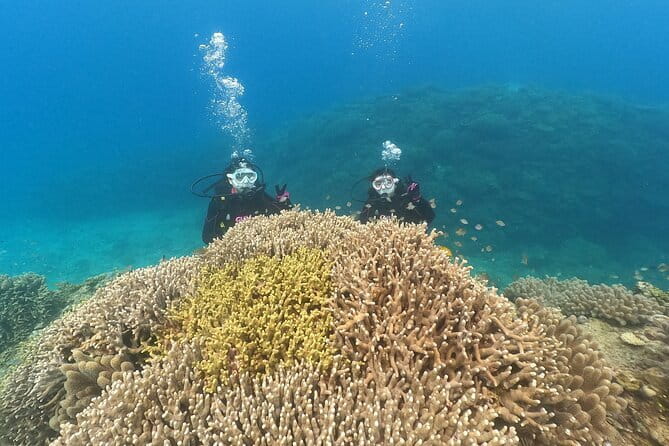
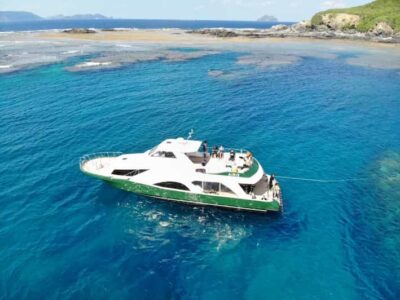
The tour doesn’t promise a single fixed underwater destination. Instead, the boat captain decides the site on the day, based on weather conditions. Your possible locations include Minna Island, Sesoko Island, and areas around Sakimotobu.
For you, that means two things:
- You’re more likely to get calmer, better conditions rather than forcing a specific spot that might be rough.
- You should treat the islands as possibilities, not guarantees.
One review highlighted a plan that worked because the team found fish-filled areas and even spotted a sea turtle resting in place. That’s the kind of payoff you’re hoping for—while still understanding that nature sets the rules.
Instructor focus: what “VIP care” means when you’re nervous
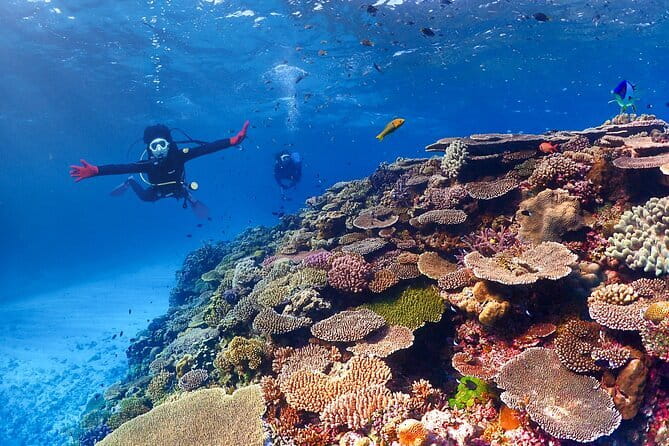
For beginners, instruction quality is everything. This experience is explicitly set up for people who want VIP care for beginners, with an experienced instructor guiding the course and providing a guarantee course approach (as described for that track). Translation: you shouldn’t be tossed into the water with vague instructions. You should get a structured plan and close monitoring.
One instructor name comes up in the feedback: Hisashi-san. In the comments, he’s described as safe, considerate, and patient—especially with people trying scuba for the first time. The teaching style also mattered: the instruction was clear enough to understand even with limited English, and the course felt supportive rather than rushed.
When that combination shows up, it reduces a common first-time problem: panic. Learning scuba is mostly about staying calm, breathing steadily, and trusting your gear. Patient coaching helps you build that trust fast.
Gear, comfort, and the “small stuff” that keeps you smiling
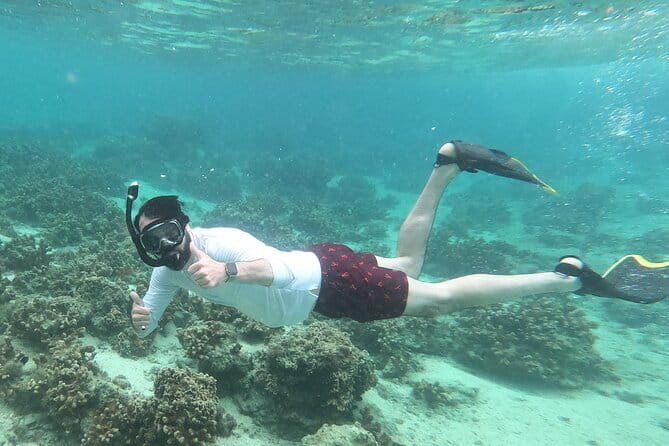
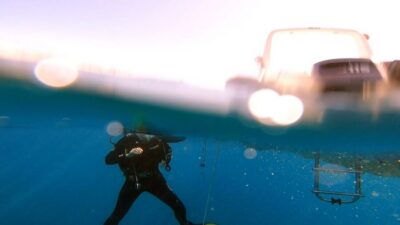
The tour takes equipment seriously. You’re provided full diving equipment, and the tour notes the safety equipment and gear are cleaned and well maintained. That’s not a marketing line you ignore—when you’re learning, you need gear that’s predictable and fits properly.
You’ll also want to plan for comfort. This isn’t framed as a gentle, endless swim. It’s a training experience with two sessions, so it helps if you can handle the sensations of being in cold-less but sometimes cool ocean water, with exposure to wind between boat and water.
A detail I really appreciate from the experience description: the onboard break includes tea, cookies, seasonal fruit, and even snacks. One of the instructor stories mentions iced tea, cut pineapple, and local pastries during the ride. It’s a simple idea—fuel and hydration—but it makes a big difference in confidence.
Photos and movie files: bringing home proof you did it
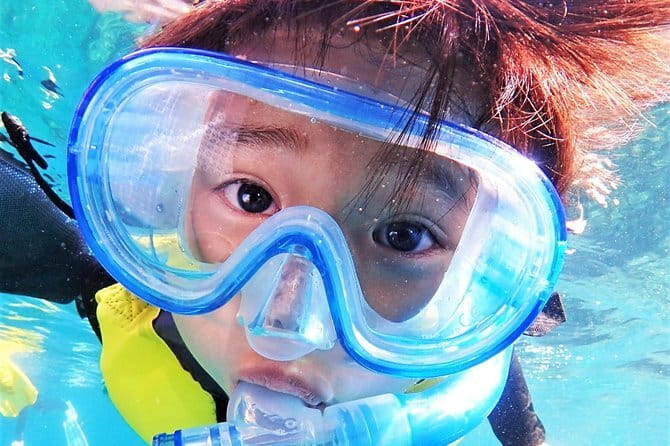
Nothing kills a good memory like losing it to shaky phone footage. Here, you get digital data of photos and a movie included. So you’re not stuck paying extra or hoping your phone captures clear shots through water and bubbles.
From the feedback, the results can be genuinely good—clear enough that people talked about the photo quality positively. If you’re bringing family or friends back home and want a way to show them what the underwater world looked like, this is a real value add.
What you might see under the surface (and why turtle sightings happen)
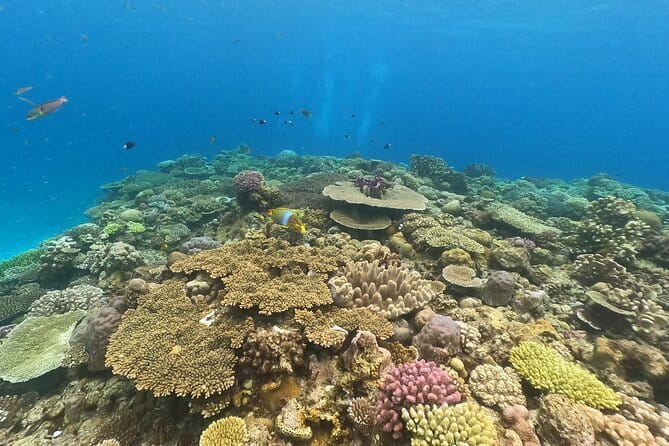
The underwater life will vary by day, but you can plan around the fact that the route targets island and coastal areas known for marine activity. In the feedback, you’ll see two themes:
- Fish-filled spots that make your first minutes underwater feel immediately worthwhile
- A sea turtle sighting, described as a turtle resting in place
A turtle at rest is often one of those “perfect first experience” moments: less chasing, more observation. And it’s exactly the kind of sight that makes beginners feel like the effort was worth it.
Even if you don’t see a turtle every time, the structure still matters. Two sessions at different sites increases your chance of seeing something new in each one.
Who this is best for (and who should reconsider)
This experience is targeted at people with moderate physical fitness and who want beginner-friendly coaching. It’s also only max 6 travelers, which typically helps with slower skill-building and extra checks.
That said, the tour explicitly lists several situations where it’s not recommended, including:
- Respiratory issues
- Epilepsy
- Diabetes
- People prone to seasickness
- High blood pressure
- Recent surgeries
- Low level of fitness
- Lactose intolerance (since snacks are included)
If any of those apply, don’t wing it. Take the health restrictions seriously and ask a clinician if scuba-type activities are appropriate for you.
Also, consider motion and comfort. The tour offers motion-sickness medicine as an add-on, which tells you the conditions can be bumpy for some people. If you’re already prone to feeling queasy on boats, build that into your plan.
The one caution I’d respect: site decisions and safety cutoffs
I’ve got to mention this balance point. The feedback includes one serious complaint about an instructor stopping the course after a trial and concerns about professionalism. The provider responded to the criticism, saying they shared it with the team and will train their staff.
So here’s the practical takeaway for you: before you go in, set expectations. Ask how they evaluate readiness and what “course standards” look like for your situation. If you’re experienced in other water activities but new to scuba, it still helps to ask what air consumption or comfort levels they watch for.
And remember: the captain choosing sites based on weather is normal. It’s part of how safety and visibility get handled. In other words, flexibility is built into the experience.
Value math: paying for gear, boat time, and the photo package
At a glance, the price might feel specific—until you price out the components separately. Here you’re getting:
- Gear rental (included)
- Boat passenger fee (included)
- A certified instructor (included)
- Photos and movie data (included)
- Food and drinks on board (included)
For a beginner, those are the exact items that usually create surprise costs elsewhere. The free digital photo and movie files are especially valuable because the underwater shots tend to be the kind you don’t want to risk with your own camera setup.
Also, there’s a mention of group discounts, which can make it even more cost-effective if you’re going with someone and you meet that booking situation. The tour is booked on average about 16 days in advance, which suggests demand can be real—so if you want a specific slot, earlier usually helps.
Should you book this Motobu scuba course?
Book it if you want a structured beginner setup with two underwater sessions, included equipment, and a built-in photo/video deliverable. I especially think it fits first-timers who benefit from patient instruction and people who like a clear half-day schedule with snacks that keep you steady between sessions.
Hold off or ask more questions first if you’re sensitive to boat motion or any of the listed health conditions apply. And if you’ve got any uncertainty about how instructors handle readiness and course standards, contact the operator with your details before you pay—so there are no surprises once you’re in the water.
If you’re ready for a calm, well-managed first ocean experience in Motobu, this is the kind of setup that turns a bucket-list idea into a real skill—and leaves you with files you can actually show.
FAQ
How long is the experience?
It runs for about 4 hours.
Do I choose between a morning and afternoon session?
Yes. You can choose to do the two sessions in the morning or afternoon.
How many people are in the group?
The tour has a maximum of 6 travelers.
Where do I meet for the activity?
The meeting point is 山川港ボート乗り場MVHJ+8W, Yamagawa, Motobu, Kunigami District, Okinawa 905-0205, Japan. The activity ends back at the meeting point.
What’s included in the price?
Included are full scuba equipment, the boat passenger fee, a certified professional instructor, drinks with cookies and seasonal fruits, and digital data of photos and a movie.
Is lunch included?
No, lunch is not included.
What happens if weather or marine conditions cause cancellation?
If the experience is canceled due to poor weather or marine conditions, you’ll be offered a different date or a full refund.