REVIEW · BAIA
Napoli: Dive or Discover Scuba Diving in the Park of Baia
Book on GetYourGuide →Operated by Sea World Diving Baia · Bookable on GetYourGuide
Roman ruins, then breathe underwater in Campania. I like how this first-try scuba experience leads you straight into Baia’s submerged villas, sitting around 4 meters underwater after long-term earth sinking from bradisism.
You also get full support from instructors who guide you step by step, plus a real Roman-site story that you can’t get from dry land alone. The possible drawback: the water time is relatively short (about 45 minutes), and it comes with clear limits like a minimum age of ten.
I love the way they set you up for confidence. There’s a short theory lesson, a brief e-learning module you keep for later, and then you get all the gear and tank refill with a personal instructor nearby, often literally holding your hand in the water.
I also like the balance here: you’re doing a controlled scuba session, but you’re also learning how the Phlegrean Fields’ volcanic activity and sea preservation kept Roman mosaics and structures in place for you to see.
If you’re expecting a long, free-for-all underwater adventure, this is not that. It’s structured, guided, and time-boxed, so it may feel quick if you want hours in the water. And it’s not suitable for everyone: pregnancy isn’t allowed, and the medical form is part of the process.
In This Review
- Key highlights worth your attention
- Baia underwater: why the setting feels oddly personal
- Getting ready at the scuba center: theory, e-learning, and the medical form
- Via Lucullo to Baia: how the 3–4 hours actually flow
- The boat ride and the surface view: what to notice before you go down
- 45 minutes underwater: safety first, then the ruins and sea life
- Roman history you can feel: emperors, luxury, and how it sank
- The Phlegrean Fields and bradisism, translated for real life
- After you surface: showers, refreshments, and your PADI credit
- Price and value: what $53 includes, and what costs extra
- Who should book this, and who should not
- Booking decision: should you choose Baia’s first-try scuba session?
- FAQ
- Do I need a scuba license for the Park of Baia program?
- What is the minimum age to participate?
- How long does the experience take?
- How long is the underwater part?
- Where is the meeting point?
- What do I need to bring?
- Is the full scuba equipment included?
- What about medical requirements?
- Are there options for certified divers?
- What is not allowed during the activity?
- Who should avoid booking?
Key highlights worth your attention
- PADI-standard first-try program with e-learning you can revisit forever
- Small group size (limited to 4 participants) so you get real instructor time
- Hands-on guidance in the water, with instructors supporting you throughout
- 45-minute underwater route tied to the Park of Baia’s planned viewing areas
- Roman history that’s practical, not just a talk before you go
- Certificate for the PADI Open Water Diver pathway after you complete the session
Baia underwater: why the setting feels oddly personal
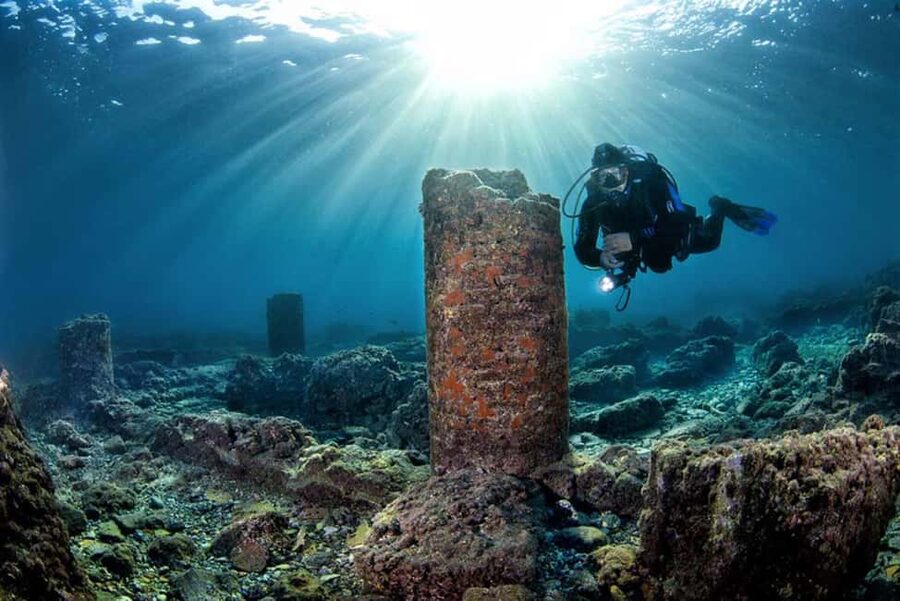
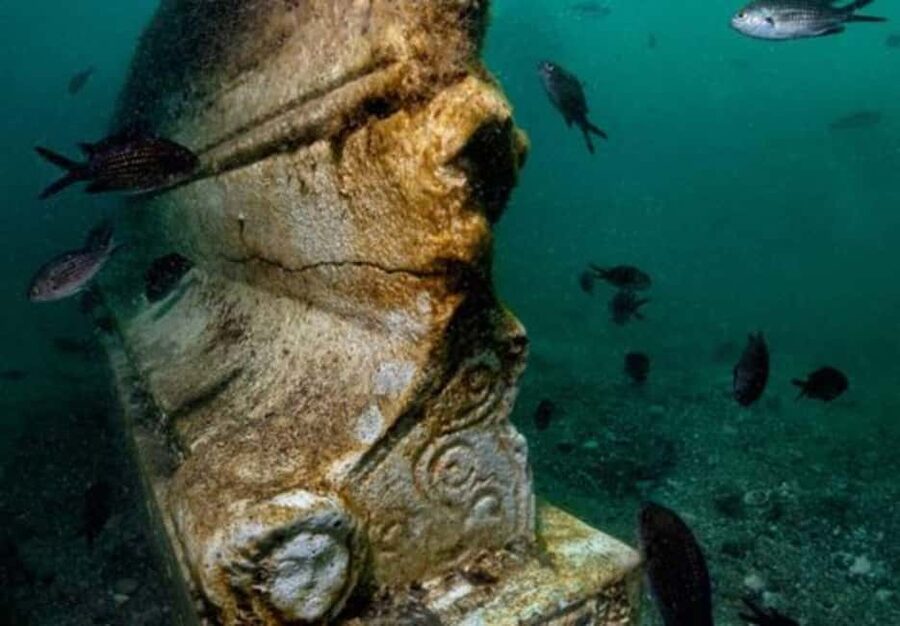
Baia is one of those places where the story is visible, even if it’s under the surface. This isn’t scuba in open water with a random reef. You’re going to a submerged archaeological park where Roman structures—villas and architectural details that were once near the sea—ended up underwater over time.
The key idea is bradisism, the slow, long-term sinking of the earth level in the Phlegrean Fields. Because it happened gradually, and the sea helped preserve what was there, you get that rare wow moment: you can look at the outline of ancient spaces while also watching modern marine life around them. That blend is exactly what makes this experience feel different from typical beginner sessions.
The group also stays small, so the experience doesn’t turn into “follow-the-leader.” You’re there to learn how to manage your breathing and buoyancy safely, but you’re also there to actually notice what’s in front of you—marble floors, mosaics, statues, and the way the ruins sit in the water.
You can also read our reviews of more tours and experiences in Baia.
Getting ready at the scuba center: theory, e-learning, and the medical form
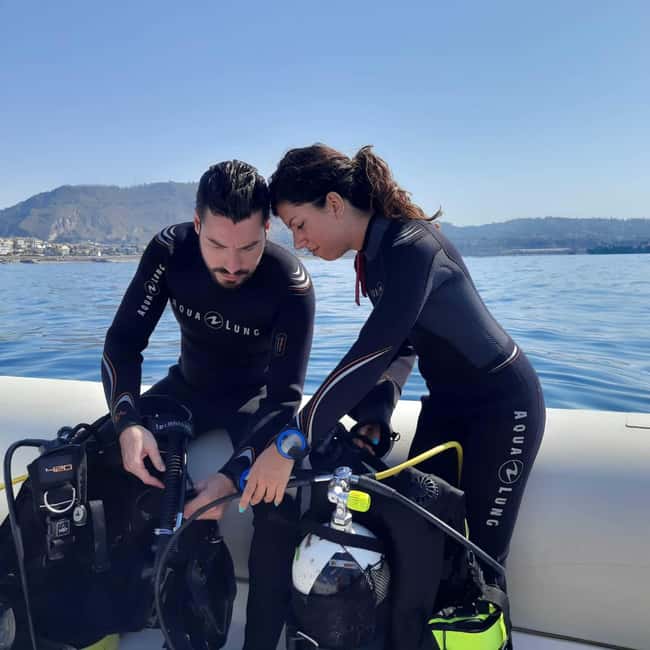
You’ll start at the scuba center near the Baia pier, in the area by the Temple of Venus (the center is easy to spot with PADI flags). Expect a short set of “warm-up” steps before the water.
First, after booking, you’ll receive a link to register and fill out a medical form. If the form shows irregularities, you might need a medical examination. The activity includes personal medical insurance, which is reassuring for a first-time experience.
Before you even arrive, you’ll also have access to e-learning about scuba basics and safety. The important detail for you: it stays accessible to you after the session, so you’re not stuck trying to remember everything with wet hands and a foggy brain afterward.
Then at the center you get a short in-person theoretical lesson. This is where they explain basics like:
- equipment and how it works
- how to behave in the water
- what you need to do to stay comfortable and safe
Also, you only need to bring practical basics: swimwear, a towel, a change of clothes (and you’ll want sun protection like sunscreen and a hat).
Via Lucullo to Baia: how the 3–4 hours actually flow
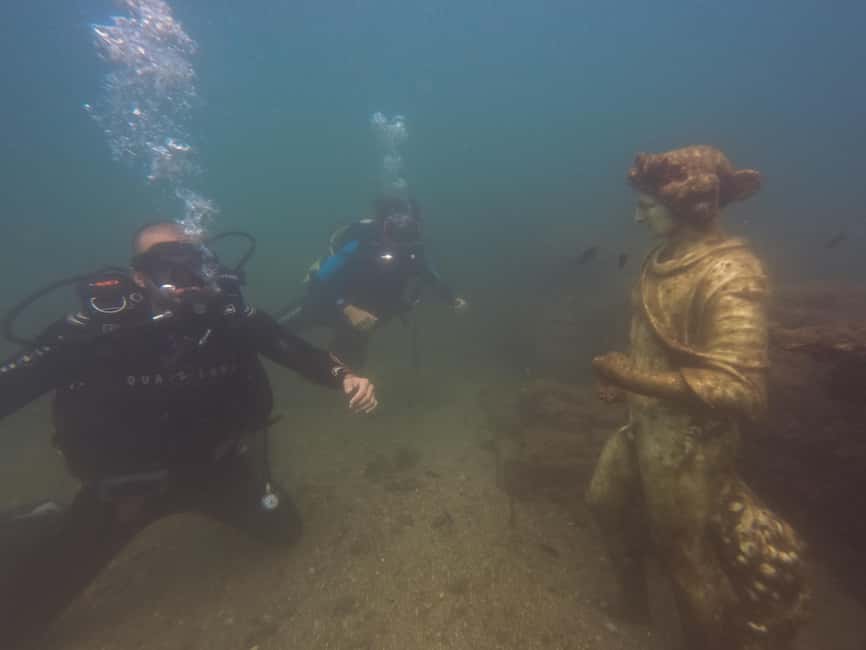
This experience is designed to fit into a half-day without feeling rushed. Your total time is about 3 to 4 hours, and the day is paced so you can absorb the briefing, get kitted up, and still enjoy the underwater moment.
Here’s how it typically feels in real time:
- You meet near Via Lucullo (the starting point is listed as Via Lucullo, 110).
- There’s a class portion (about an hour) focused on scuba basics and good practices.
- You then move to the water area and go by boat to the Archaeological Park of Baia.
- After the underwater session, you get a break period before heading back.
- You return to Via Lucullo, 110.
Boat transfer matters here because it keeps the experience smooth and helps you reach the submerged site without turning it into a logistics headache. It also builds anticipation—Roman mosaics and statues feel more real when you’re already seeing the coast and pier before you head out.
A note to set expectations: the Park of Baia has multiple visit routes, and you’ll do one route at a time (each route lasts about an hour). If you care about which features you’ll see, you should mention your preference ahead of time. The plan can also shift with meteo conditions, since the water is part of the deal.
The boat ride and the surface view: what to notice before you go down
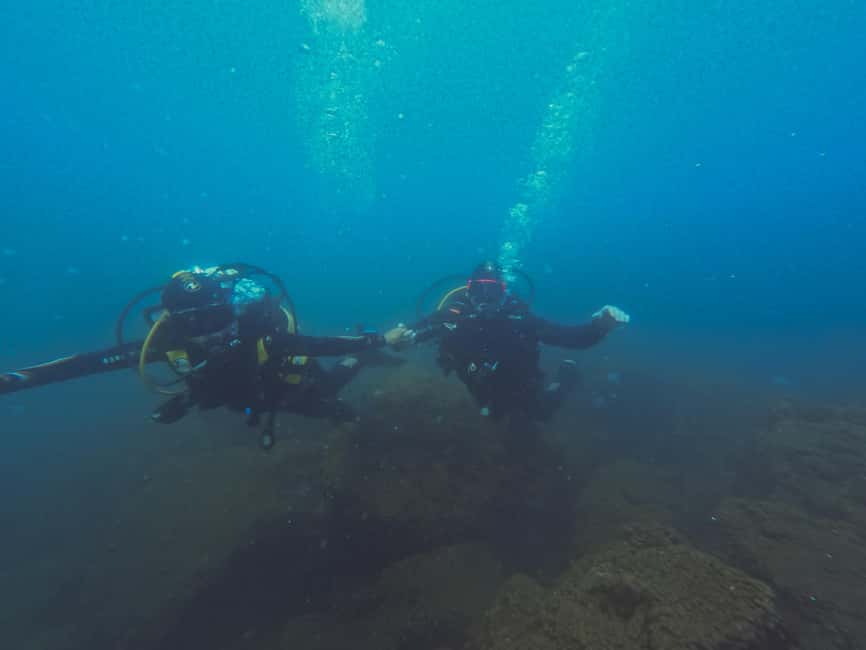
You’ll get time on the surface before the underwater portion begins, and that’s useful. Take those minutes to look at the area and connect it to what you’re about to see below. The submerged Roman city is described as once being a luxury standard zone—beloved by emperors and senators—so the place has a “high status” vibe even before you enter the water.
You’ll also see mosaics and statues from a different perspective while you’re in the broader area, even if you’re not underwater yet. This helps your brain lock onto what counts as “ruin” and what counts as normal rock formations.
Just don’t plan on a long sightseeing detour. The emphasis is the underwater encounter, not a full-day archaeology crawl. If you want extra land-side stops (like the Castle of Baia or the Terme of Baia), those aren’t part of the included stops and come with extra entry costs.
45 minutes underwater: safety first, then the ruins and sea life
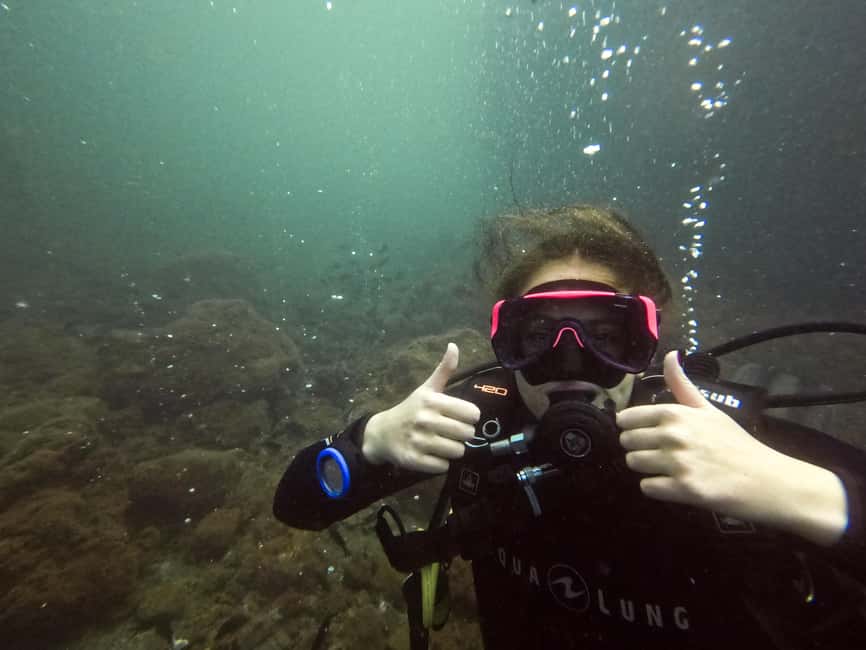
The underwater portion is about 45 minutes, following one of the Park of Baia’s prepared routes. This route system is a big deal for you as a first-timer because it means the experience isn’t improvised. There are established ways to guide visibility and flow around the site features.
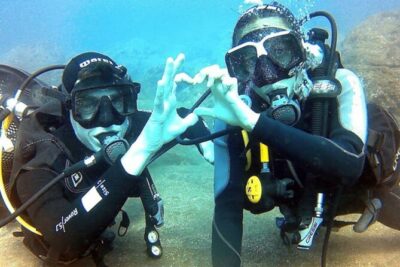
The most reassuring part: instructors stay by your side and support you in the water. The program description says they hold you by the hand. That kind of close supervision is exactly what reduces the “I’m guessing what to do” feeling that scares off many beginners.
In the water, you’ll see a mix of:
- ancient structures and floors (including marble and mosaic patterns)
- statues (including ones that look partially broken)
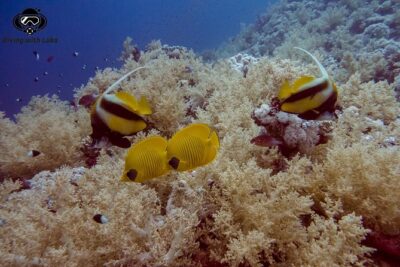
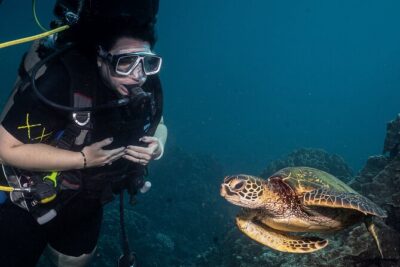
- a variety of sea life moving around the ruins
And yes, the underwater quiet is part of the effect. One of the strongest repeated themes in the feedback is how calm it feels once you’re actually breathing through the equipment and you notice the site rather than worrying about the technique every second.
Because this is structured for first-try participants, your job is not “explore like a pro.” Your job is to follow guidance, manage your comfort, and notice the underwater city.
Roman history you can feel: emperors, luxury, and how it sank
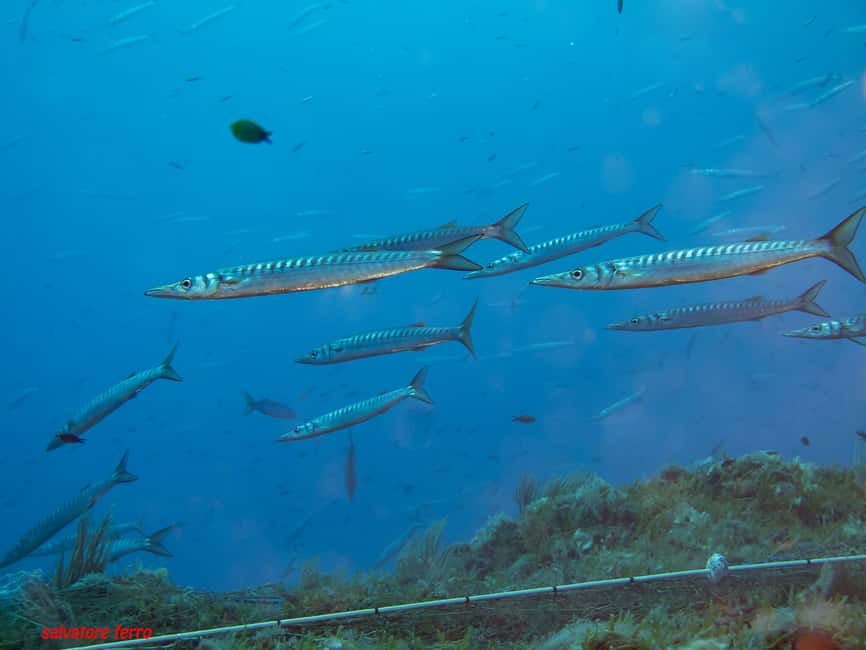
What makes this worth your time isn’t only the underwater scenery. It’s the way the experience connects the ruins to a clear story.
Baia is presented as a Roman luxury hub. The program explains that volcanic activity in the Phlegrean Fields played a role in how the site ended up underwater. Then bradisism slowly lowered the land over time, turning once-sea-facing villas into underwater rooms.
A useful mental picture for you: you’re not just seeing “old stones.” You’re looking at the geometry of daily spaces and wealth indicators—mosaic patterns and flooring details—now sitting beneath the surface, kept in place by the sea.
You also get direct interpretation rather than only a signage reading. The reviews frequently mention history being explained along with the scuba experience. That combo is what makes the session stick.
You’ll likely leave with two kinds of memories:
- the sensory memory (breathing, bubbles, the shape of ruins)
- the narrative memory (why those ruins are there and how long the process took)
The Phlegrean Fields and bradisism, translated for real life
If you’ve ever wondered what bradisism actually means for a visitor, here’s the practical version: it’s slow and it changes your reference point. What was once “by the sea” becomes “meters below sea level.” That shift is why you can find Roman villas now sitting underwater.
The Phlegrean Fields are part of a volcanic/geological zone, and the program frames strong volcanic activity as one of the background forces for how the area changed. The result is that your scuba session becomes a geological lesson disguised as a tourist experience.
For you, the payoff is simple: you’ll understand why the underwater site looks the way it does and why the preservation is so striking. Instead of treating the ruins like a random aquarium set-piece, you’ll connect them to the ground movement and the sea’s role in preserving what stayed.
After you surface: showers, refreshments, and your PADI credit
Once you’re done, you go back to the scuba center. There are showers and changing rooms, which you’ll appreciate more than you think, especially if you plan to keep moving afterward.
You’ll usually get refreshments too. This isn’t a “sit for hours after” situation, but it’s enough to help your body reset.
The other major value item: after you complete the program, you receive a participation certificate that counts as your first step toward the PADI Open Water Diver course. It’s not only a souvenir. It’s a formal way to connect this experience to future training at any PADI diving center worldwide.
Certified divers also have an option for an underwater session in the Park of Baia, so the operator isn’t only aimed at total beginners. That helps if you’re traveling with someone who’s already certified.
Price and value: what $53 includes, and what costs extra
At around $53 per person, the big question is whether you’re paying for the underwater part only—or the whole system that makes it possible.
Here’s what’s included:
- the PADI-standard first-try program
- e-learning (kept accessible to you after)
- in-person theory and safety lesson
- full scuba equipment rental
- tank refill
- personal instructor who follows you through the activity
- boat transfer to the dive site area
- showers and changing rooms
- participation certificate for PADI OWD pathway credit
- post-session refreshments
- personal medical insurance
That package is where the value sits. Beginners often need help with gear, guidance, and insurance more than they need a location. Here, those pieces are bundled.
Not included items you should budget for:
- additional archaeological site entries you see from a distance (example: about 5 euros for places like the Castle of Baia or the Terme of Baia)
- the Temple of Venus is currently closed to public visits
- lunch add-on at a partner restaurant by request: 35€ per person, with ten tastings of appetizers, a first and second course (chosen from options), wine, water, and dessert
- getting yourself to the scuba center (bus/train/taxi options vary)
And one more practical cost note: transport from Naples by taxi can be around 70 euros. There are cheaper public options like bus (about 2.5 euros) or train with a short walk.
Who should book this, and who should not
This experience is built for people who want a safe first scuba session with real structure.
It’s not suitable for:
- children under 10 years old
- pregnant women
You should be a good match if you:
- want to try scuba without holding a license (no license is required for this program)
- like history you can experience in a new way
- prefer a small group (limited to 4 participants) and close instructor attention
- want a formal certificate that connects to future open water training
You might reconsider if you:
- want a very long time underwater (the underwater portion is about 45 minutes)
- are extremely sensitive to medical paperwork and might need a medical exam depending on your form
One more detail that affects your comfort: alcohol and drugs are not allowed. If you’re tempted to treat the day like a party, keep it clean and you’ll have a better time.
Booking decision: should you choose Baia’s first-try scuba session?
If your goal is a beginner-friendly way to see Roman ruins underwater, this is a strong pick. The combination of small-group coaching, a clear safety process, and the setting of the Park of Baia is the winning formula. You’re not just wearing gear; you’re learning and seeing something rare.
I’d book it if you can handle a short underwater window and you fit the age and pregnancy rules. If you’re traveling with someone who’s already certified, ask about the certified option so you can keep the day together.
If you want a full day of land-based archaeology, this won’t replace that. Treat it as the signature experience: a few hours where geology, Roman luxury, and sea life share the same space.
FAQ
Do I need a scuba license for the Park of Baia program?
No license is required for the Discover Scuba option. The experience follows PADI standards for first-try scuba.
What is the minimum age to participate?
The minimum age is ten years old.
How long does the experience take?
The total experience is about 3 to 4 hours.
How long is the underwater part?
The underwater session lasts approximately 45 minutes.
Where is the meeting point?
You meet at the scuba center a few steps from the Temple of Venus, at the entrance to the Baia pier, where you’ll see PADI flags.
What do I need to bring?
Bring swimwear, a towel, a change of clothes, sun hat, and sunscreen.
Is the full scuba equipment included?
Yes. Full scuba equipment rental and tank refill are included.
What about medical requirements?
You’ll fill out a medical form during the registration process. If there are irregularities, a medical examination may be required.
Are there options for certified divers?
Yes. If you are already certified, you can choose an option for certified divers.
What is not allowed during the activity?
Alcohol and drugs are not allowed, and touching marine life is not allowed.
Who should avoid booking?
Children under 10 years old and pregnant women are not suitable for this experience.