REVIEW · LAHAINA
Maui: Intro to Scuba Diving from Shore – Lahaina
Book on GetYourGuide →Operated by Dive Maui/Hawaiian Rafting Adventures · Bookable on GetYourGuide
Your first minutes underwater can feel surprisingly calm. In Lahaina, this shore-based intro helps you learn scuba fundamentals step by step. You’ll get direct PADI professional guidance, plus time in the water to see Maui’s reefs up close.
I especially like two things: the practical safety skills you practice right away (like clearing your mask and recovering your regulator), and the way the experience feels peaceful once you’re breathing underwater. You’re surrounded by coral and tropical fish, and you may even spot turtles.
One big consideration: this program isn’t for everyone medically, and you’ll need to complete the PADI Medical paperwork before you go. If you don’t meet the requirements, you may not be able to participate until you’re medically cleared.
In This Review
- Key highlights you’ll actually feel
- A shore-based intro that teaches safety first
- PADI eLearning and the medical form you should handle early
- Your 30-minute Lahaina class: what you learn before going in
- The 75-minute underwater skills session: mask and regulator practice
- Gear rentals and setup: how you stay comfortable as a beginner
- What you might see: turtles, reef fish, and the no-touch rule
- Price and value: is $160 a good deal?
- Who this Maui shore program fits best
- Should you book this shore-based scuba intro from Lahaina?
- FAQ
- How long is the experience?
- What is included in the price?
- What is not included?
- Do I need to complete eLearning before I arrive?
- What skills will I practice in the water?
- Is this experience suitable for non-swimmers?
- What should I bring?
- Are you allowed to touch marine life?
Key highlights you’ll actually feel
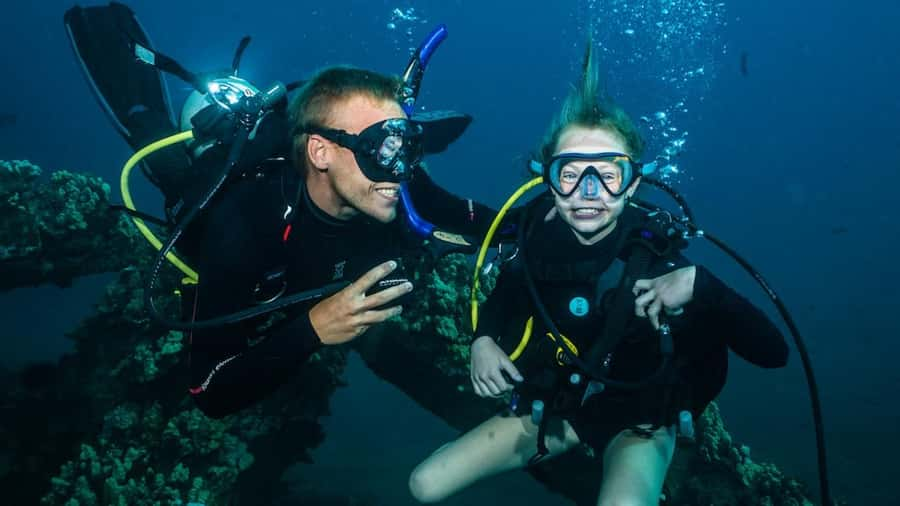
- Small group (max 4) means more attention as you learn the basics.
- PADI eLearning prep keeps the in-water time focused on skills, not long lectures.
- Mask-clearing and regulator-recovery practice builds real confidence fast.
- Supervised shore entry helps you manage your first underwater breaths calmly.
- Maui reef wildlife can include turtles and lots of colorful tropical fish.
- English instruction keeps directions clear and easy to follow.
A shore-based intro that teaches safety first
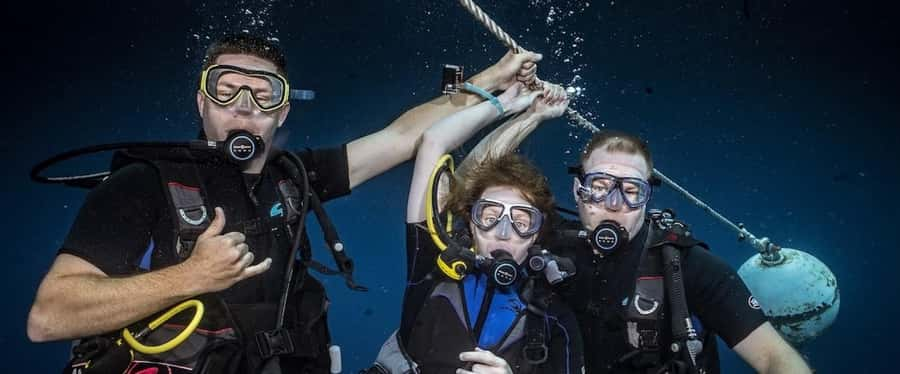
This experience is built for beginners who want a real, coached start in scuba without guessing. You learn under direct supervision of a PADI professional, and the pace is deliberate: classroom first, then skills, then exploration.
What makes it work is the order. You don’t jump straight into sightseeing. You practice the same skills you’ll use on every later scuba outing, so you leave with a mental checklist you can actually trust when things feel new.
From the accounts I reviewed, the teaching style matters too. In particular, instructors such as Matt and Scott have helped students feel safe, including nervous first-timers who worried about sharks. The big payoff is that the underwater portion often feels more peaceful than expected once you’re in control of your breathing and equipment.
PADI eLearning and the medical form you should handle early
Before you arrive, you’ll get an eLearning login. Plan for about 15–20 minutes of reading and videos, and treat it as part of the trip prep, not homework you can skip.
You’ll also need to complete the PADI Medical. Do this as soon as you get your eLearning access, because if you answer YES to any condition, you can’t join the underwater session until a doctor clears you.
That’s the one part that can derail your plans if you leave it late. If you think you might be affected by respiratory, heart, back, or other medical issues, start early so you have time to sort out clearance if needed. It’s not dramatic—it’s just smart travel planning.
Your 30-minute Lahaina class: what you learn before going in
Your day starts at the meeting location in Lahaina for Dive Maui–style training with Hawaiian Rafting Adventures. Expect a smooth handoff into a short class segment (about 30 minutes). This is where the basics get translated into practical steps.
You’ll go over the eLearning material with your instructor and review the equipment you’ll use. That matters more than it sounds. Scuba gear can feel confusing on land, and a clear explanation underwater helps you avoid panic. You’ll also cover what breathing underwater feels like and how your body adapts once you’re under.
You’ll learn the key safety guidelines that guide everything you do next. The goal here isn’t memorization. It’s building trust in your own routine—check, breathe, control, then move.
The 75-minute underwater skills session: mask and regulator practice
After the short class, you head to the water area for your supervised underwater practice. The total water time is about 75 minutes, and it’s structured around skills first, then guided exploration.
Here’s what you’ll practice with your instructor:
- Clearing your mask so you learn what to do if water gets inside.
- Recovering your regulator so you learn how to regain normal breathing calmly.
These two skills are the foundation of beginner comfort. If something unexpected happens, you’re not stuck guessing. You’ve already done the motion once with coaching, so your brain has a script.
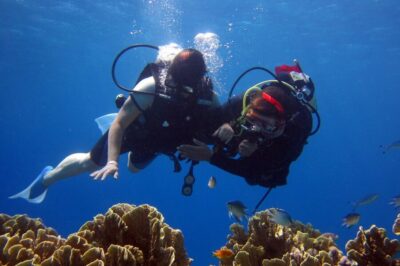
Once you feel confident, you continue with your instructor into a relaxed exploration of Maui’s reefs. This is the part where you get the real payoff: swimming around while you watch coral and fish life instead of only focusing on technique.
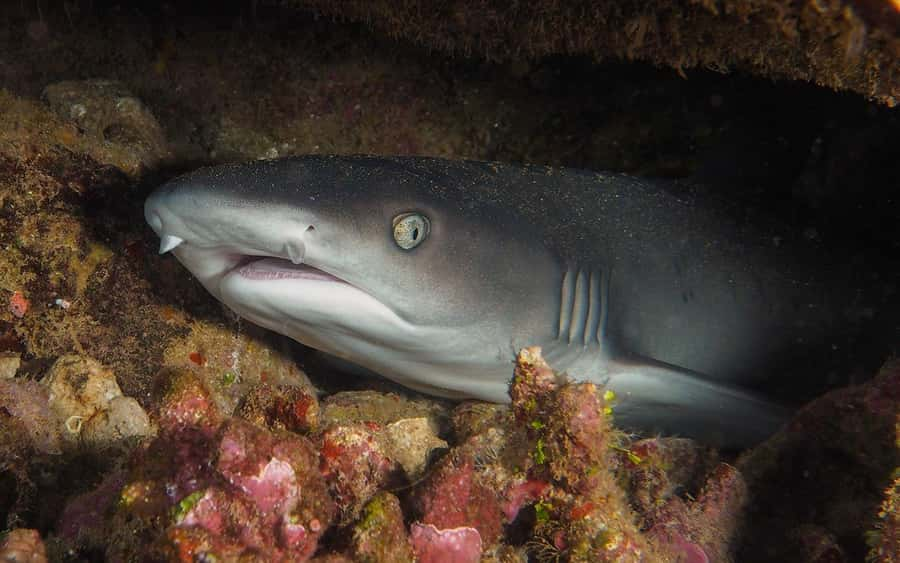
And yes, your instructor may talk about sharks as part of safety education. Even if you’re nervous, that kind of context can help you feel grounded rather than alarmed. One instructor described a similar approach that left students surprised by how calm the water felt after they got comfortable with breathing.
Gear rentals and setup: how you stay comfortable as a beginner
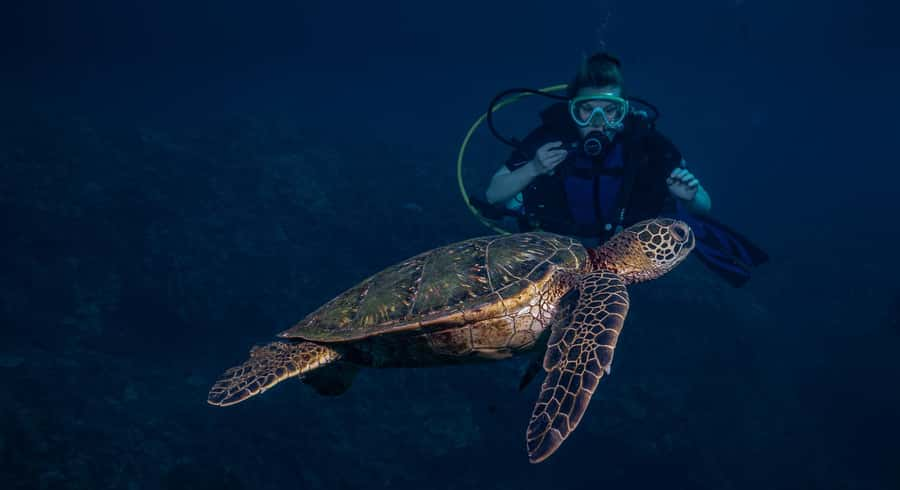
All scuba gear rentals are included, and that’s a major value point. Buying your own gear for a first lesson rarely makes sense—sizes, fit, and comfort are hard to get right without trying.
You’ll get guidance on how to use the equipment while swimming underwater. That includes knowing what each piece does and how it connects into your routine. For many first-timers, the biggest win is realizing you don’t need to be athletic—you need to be methodical.
You should also know the “comfort basics” you control:
- Wear swimwear that lets you move easily.
- Keep your expectations realistic. You’re learning breathing and buoyancy basics while staying relaxed.
- Listen closely during equipment checks. Small adjustments can make a big difference once you’re under.
Because the group is limited to 4 participants, you’re not competing for attention. That helps when you need your instructor to pause, check fit, or re-teach a skill.
What you might see: turtles, reef fish, and the no-touch rule
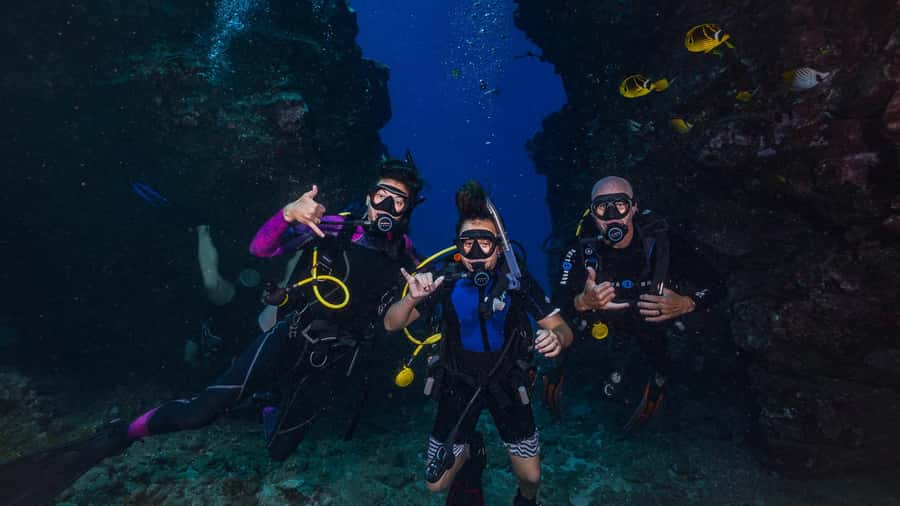
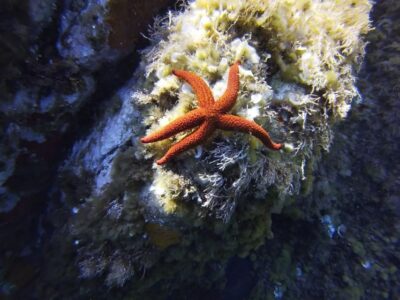
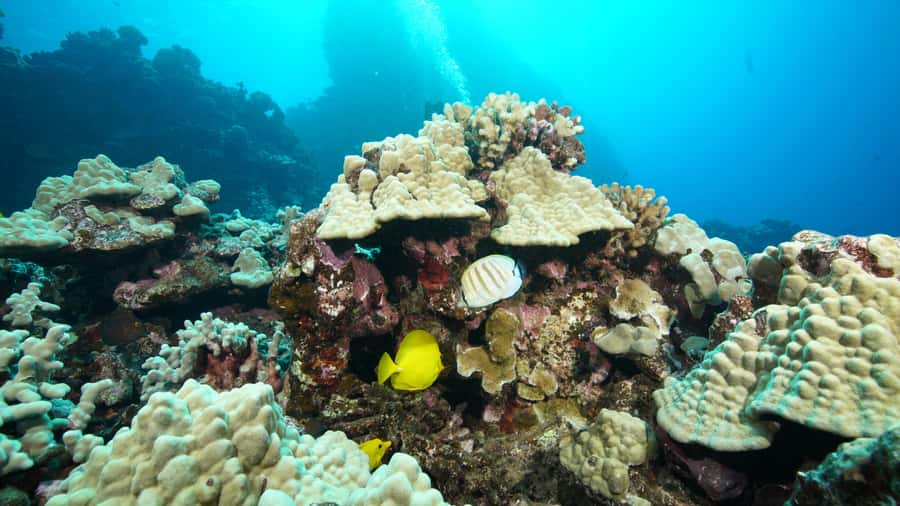
You’re going underwater in Maui for the reason you’re here: living reef scenery. The plan includes time to explore Maui’s pristine coral areas, with a good chance of seeing turtles and plenty of tropical fish.
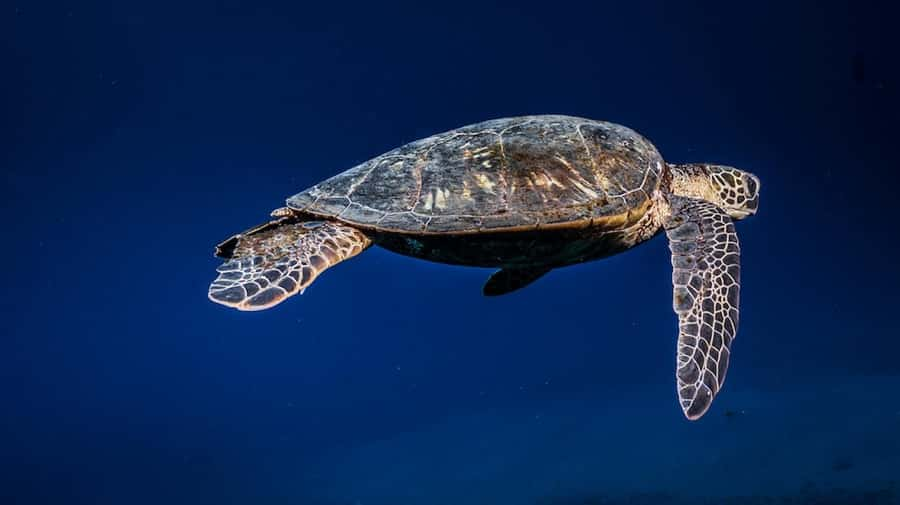
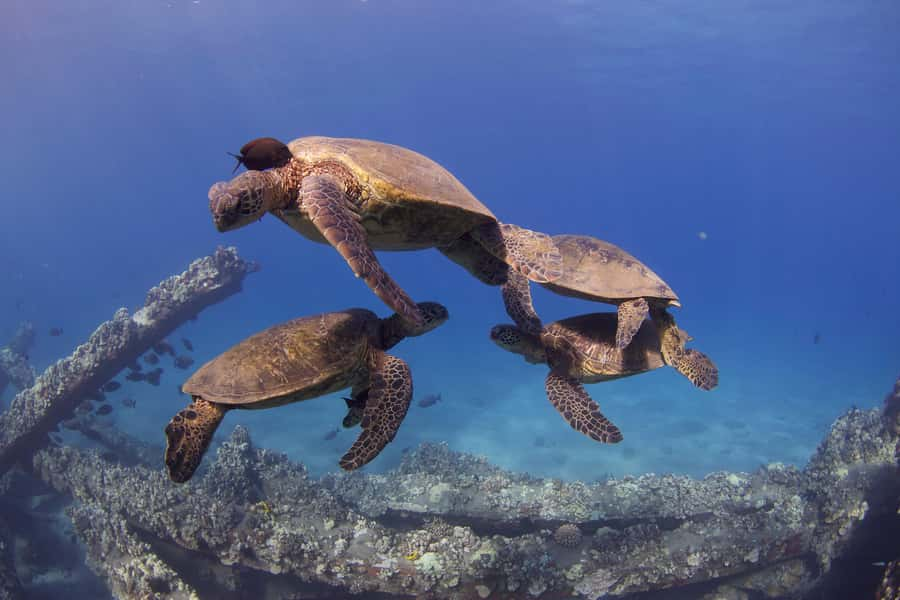
Seeing a turtle is often the moment beginners start to relax. In one group experience, students described spotting turtles in a way that felt like a turtle car wash—lots of them moving around together, which made the reef feel lively rather than just pretty.
You should also expect a clear behavior rule: no touching marine life. That’s not just for the animals. It keeps the experience safer and more sustainable for the reef you’re admiring.
If you’re the type who wants photos, focus on staying calm and controlled first. Your job underwater is steady breathing and good buoyancy, not chasing wildlife.
Price and value: is $160 a good deal?
At $160 per person for about 3 hours, this is positioned as a serious beginner course rather than a quick splash-and-go activity. Here’s where the value comes from.
You get:
- Personalized instruction from a PADI professional
- PADI learning materials (including the eLearning access)
- All scuba gear rentals
That bundle is expensive if you try to assemble it yourself. Gear rental alone can take a big chunk out of a budget, and a guided, supervised skill practice is what turns curiosity into actual capability. The short classroom plus coached water skills is also efficient—you’re not paying for hours of waiting around.
What isn’t included is also worth noting for budgeting:
- Transportation is on you.
- Food is not provided.
So the true cost is the ticket plus getting yourself to Lahaina and eating before or after. If you plan around that, the pricing feels fair for a tightly coached start.
Who this Maui shore program fits best
This experience is designed for beginners, including people who are nervous at first. The small group size helps, and the structure (class, gear understanding, mask/regulator practice, then exploration) gives you a clear path to confidence.
This is likely a good match if you:
- Want a supervised first scuba experience
- Prefer a low-pressure group (max 4)
- Like learning safety skills you can reuse later
- Feel comfortable swimming at a basic level
You should skip it if you fall into the not-suitable categories listed, including:
- Non-swimmers
- Pregnant women
- People with back problems
- People with heart problems
- People with respiratory issues
- People prone to seasickness
That last point matters more than many people expect. If you tend to feel nauseous on boats or in moving conditions, scuba sessions can feel harder than you think—even with shore-based access.
Should you book this shore-based scuba intro from Lahaina?
If you want your first underwater experience to feel structured and safe, I think this is a smart booking. The combination of PADI eLearning, short classroom time, and coached mask/regulator skills helps you leave with more than photos—you leave with fundamentals.
Book it if:
- You’re ready to complete the PADI Medical early
- You can handle the beginner swimming requirements
- You want a small-group experience in Lahaina with a real instructor beside you
Skip it if:
- You’re unsure about medical eligibility and can’t get cleared in time
- You’re not comfortable swimming
- You know you struggle with nausea or have respiratory, heart, or back concerns
If you do book, do the prep fast, arrive with the right mindset, and focus on the skills first. The reefs and reef fish will still be there while you learn to breathe comfortably underwater.
FAQ
How long is the experience?
It lasts about 3 hours total.
What is included in the price?
You get personalized instruction from a PADI professional, all PADI materials, and all scuba gear rentals.
What is not included?
Transportation and food are not included.
Do I need to complete eLearning before I arrive?
Yes. You’ll be assigned an eLearning login and should complete the required reading and videos before you go to the dive shop.
What skills will I practice in the water?
You’ll practice clearing your mask and recovering your regulator under the supervision of your instructor.
Is this experience suitable for non-swimmers?
No. It isn’t suitable for non-swimmers.
What should I bring?
Bring swimwear.
Are you allowed to touch marine life?
No. Touching marine life is not allowed.