REVIEW · MARINA DI CAMPO
Marina di Campo: Try diving on the island of Elba
Book on GetYourGuide →Operated by Spiro Sub Diving di Kammerer Volker · Bookable on GetYourGuide
Your first breath below sea level changes everything. On Elba, this short first-timer scuba session lets you learn the gear and feel weightless in real open water, not a pool. I love that it starts with clear basics (including theory) and then gets you into the sea quickly, without turning it into a long ordeal. Another big plus is the tight instructor ratio, up to 2 people per instructor, so you actually get time to settle in. One thing to consider: it’s an afternoon commitment, and it only works if you meet the health and comfort rules.
In This Review
- Key Details You Should Know Up Front
- Why Marina di Campo Works for Your First Underwater Experience
- Meet Your Instructor and Team, Then Get Your Gear Ready
- The Meeting Point in Marina di Campo: Simple Directions, No Drama
- Theory Online First, Then On-Site Coaching in the Sea
- A Short Boat Ride on MARIANNA: The Calm Before the Underwater Part
- What the 20–25 Minute Underwater Session Feels Like
- The Big Safety Filters: Who Should Skip This (and Why)
- Price and Value: Is $94 Worth It?
- Timing: Monday Afternoon Helps You Continue the Course
- Languages and Group Size: Why That Makes It Easier for Beginners
- Should You Book This Try Underwater Session in Elba?
- FAQ
- How long is the experience in total?
- How much time do you spend in the water?
- Where does the activity take place?
- What’s included in the price?
- What do I need to know or be able to do before I go?
- Who is this not suitable for?
- What languages are the instructors comfortable with?
- Is there free cancellation or a flexible way to pay?
Key Details You Should Know Up Front
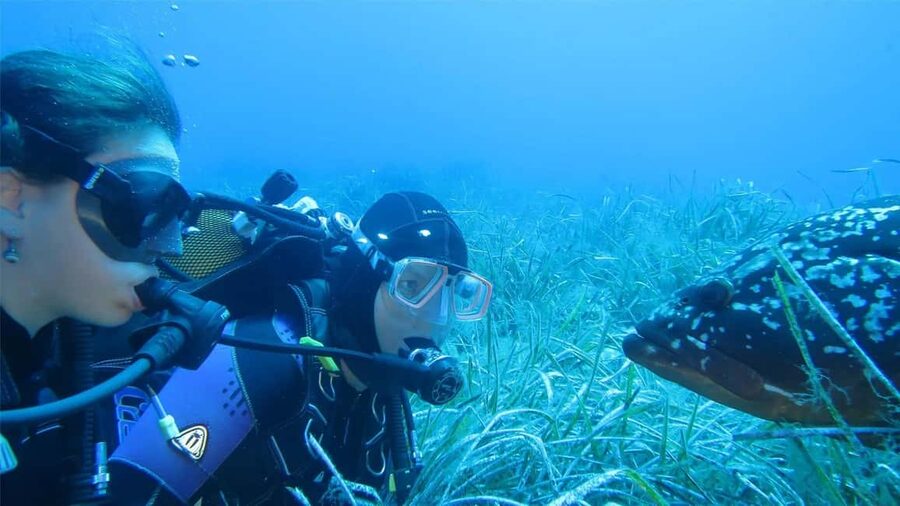
- Small-group coaching: max 2 participants per instructor, so the guide can watch you closely.
- Short, structured session: theory first, then about 20–25 minutes in the water.
- Boat ride on MARIANNA: you’ll go from Marina di Campo to a calm spot near the coast.
- Real open-sea training: not just classroom talk or a pool.
- Built for first-timers: you need to know how to swim and be in good health.
Why Marina di Campo Works for Your First Underwater Experience
Marina di Campo on Elba is the kind of place that makes a first underwater experience feel doable. You’re not heading deep into the unknown. Instead, you’re staying close to shore, on a quiet day and guided by a professional instructor who can slow things down when you need it.
What makes this try session especially appealing is the way it’s designed for true beginners. You get a quick but thorough setup: a bit of theory so you understand what you’re doing, then the equipment fitting, then a short boat transfer, and finally a controlled time in the water. The whole point is to let you experience the underwater world without the pressure of being an experienced scuba person.
I also like the mindset behind it. This isn’t “watch and hope.” It’s hands-on from the start. You’ll learn how to prepare the scuba gear and how to use it, which means you’re not just dropping in and reacting. You’re following guidance and building the skills you’ll need if you decide to continue toward certification later.
That said, you need to treat it like a real activity with real requirements. It’s not suitable for everyone, especially if you have claustrophobia, vertigo, certain heart issues, or you’re dealing with illness like a cold. And even if you’re fit and comfortable, you’ll still need a full afternoon slot because the day’s schedule depends on how many people join.
Meet Your Instructor and Team, Then Get Your Gear Ready
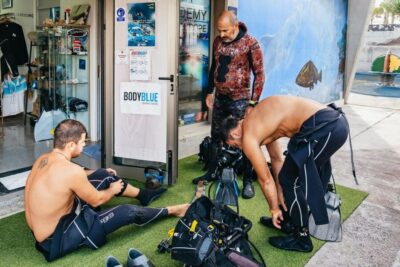
The provider is Spiro Sub (Kammerer Volker), and the vibe from the start is practical. Before you even step into the boat, you’ll do the classroom essentials—about 30 minutes of theory—followed by equipment handling so you know what your kit is and how it works for you.
In a good first-timer setup, the key is not just teaching facts. It’s making sure you understand the gear well enough that you’re not fiddling nervously underwater. That’s why this session includes time to prepare your equipment and learn how to use it. If you’ve never worn scuba gear before, that alone can make the difference between feeling excited and feeling stressed.
A standout detail: instructors run the program in multiple languages—German, Italian, and English—so you’re not forced into one-language-only explanations. That matters for safety and comfort. When you can understand what someone is telling you, you can relax faster.
One review specifically highlighted instructor Viktor as kind and patient, taking time for each person and giving reassurance during the briefing. If you’re someone who needs calm guidance (and most first-timers do), that kind of teaching style is a huge part of why people enjoy this experience.
The Meeting Point in Marina di Campo: Simple Directions, No Drama
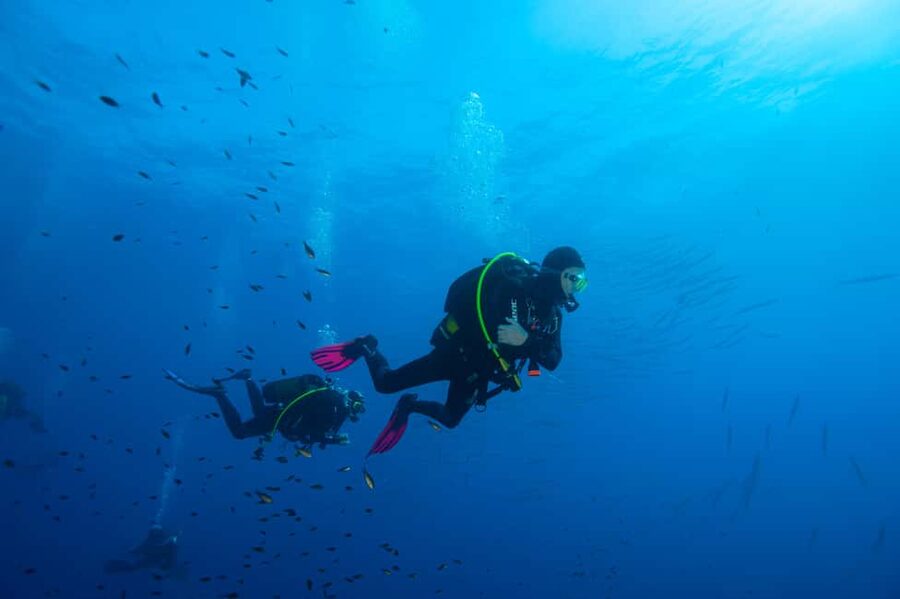
You’ll meet the team at the first possible spot on the left side of the street (as provided for the activity). It’s not the most detailed address, so I’d treat it like this: arrive a few minutes early, look for the operator’s presence, and don’t be shy about confirming you’re at the correct group before you walk away.
Because this is timed with a short afternoon program and a boat ride, showing up late can throw off the whole schedule. Plan to be there on time, even if you’re only coming from a short walk along the seafront.
Theory Online First, Then On-Site Coaching in the Sea
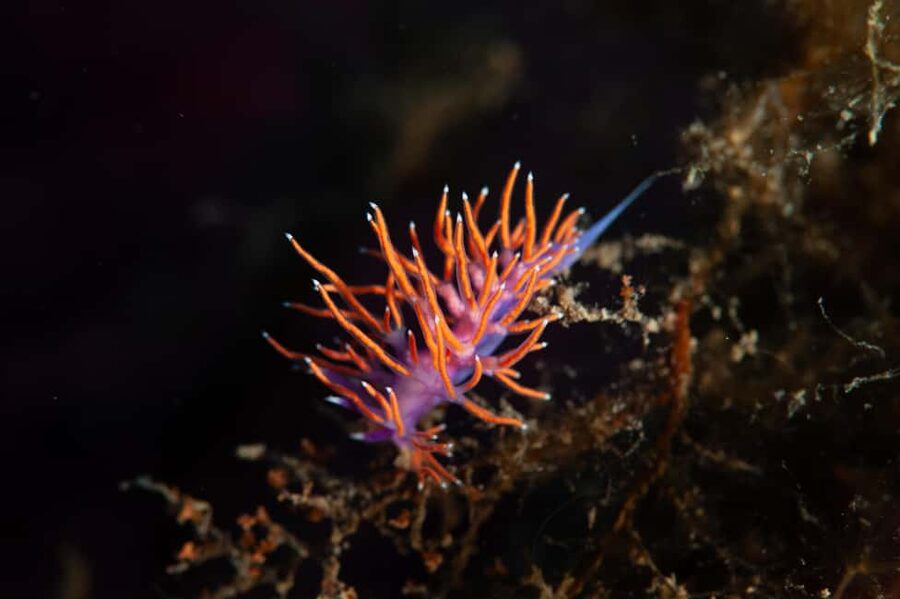
One highlight you’ll hear about this experience is the combination of theory and real water time. The course prep includes online theory, and then you do the practical teaching during your day out.
On the afternoon itself, you’ll get that on-site introduction: the instructor covers the essential basics, then you get your gear. This is where the activity stays beginner-friendly. The focus isn’t on complicated diving theory—it’s on helping you understand what you need to do to have a safe, first-time experience.
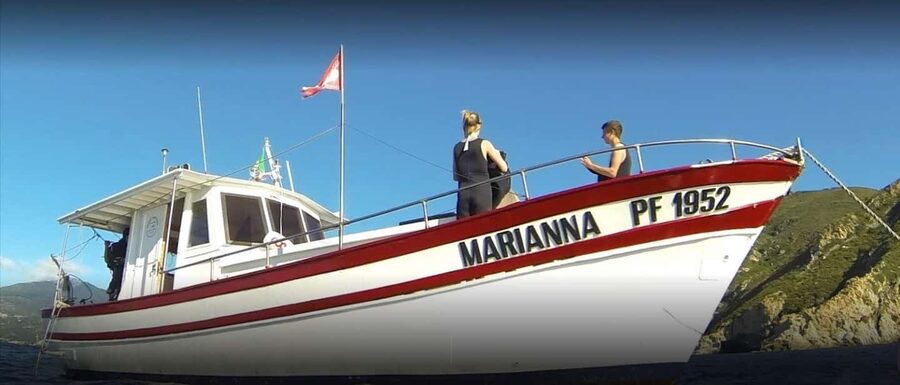
After you’re briefed and equipped, you’ll board a boat named MARIANNA. The plan is to head to a calm spot close to the coast, and you’ll stay in shallow conditions—described as not going deep. That matters because it reduces complexity on your first day underwater. Your job is mostly to follow instructions, manage your breathing, and stay comfortable.
A Short Boat Ride on MARIANNA: The Calm Before the Underwater Part
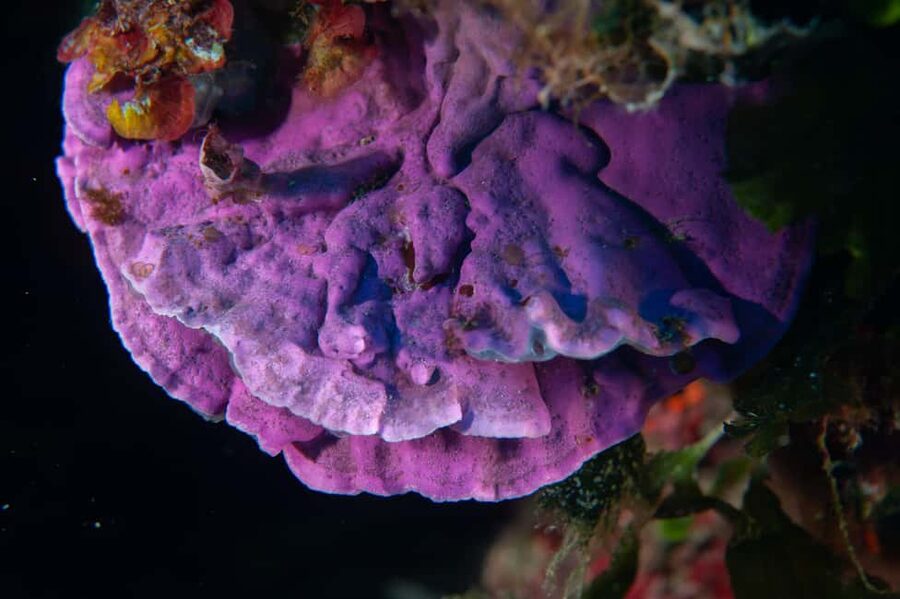
Once you’re on MARIANNA, you’re basically transitioning from “vacation mode” into “student mode” without it feeling heavy. The boat trip is part of the experience, and it also serves a practical purpose: you’re going to a quieter area where the session can run smoothly.
This is not a long open-water expedition. You’re staying near the coastline, which keeps things manageable for first-timers and helps the instructor control the environment. In reviews, people often describe the sequence as clear: board the boat, go toward the diving spot, then get ready to enter the sea.
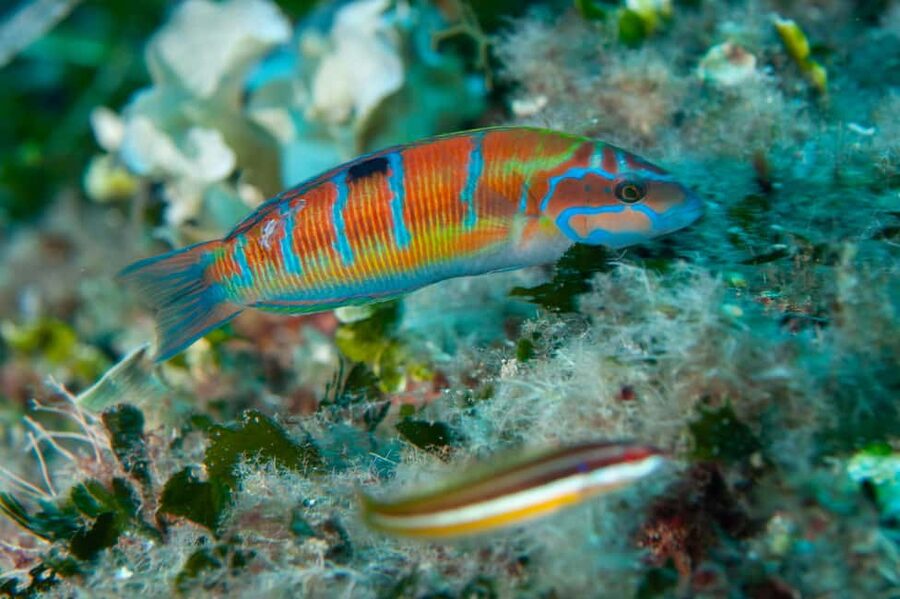
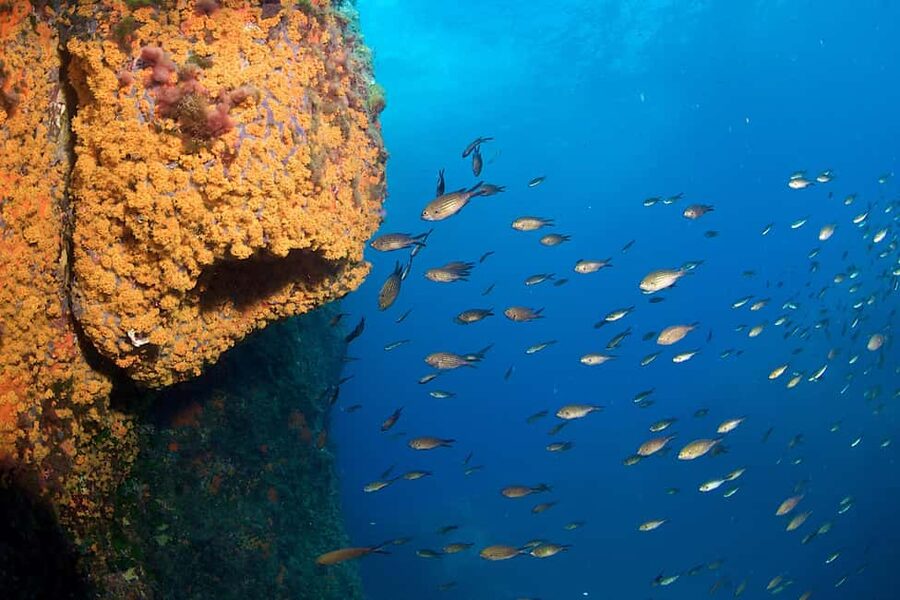
There’s one consideration worth noting. Not every day and not every shoreline spot looks identical. If you get day-of conditions that aren’t as pretty as you hoped, the underwater experience can still be worth it for the learning and the novelty—just don’t assume every location will be postcard-perfect.
What the 20–25 Minute Underwater Session Feels Like
This is the heart of it: about 20–25 minutes in the water during the try session. It’s short by design. When you’re new to scuba gear, the goal is to give you enough time to experience it and understand the basics, without overloading you.
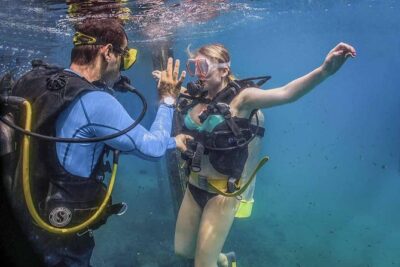
You’ll go with a maximum of 2 participants per instructor, which helps a lot. For a first underwater experience, you don’t want to feel like you’re one of many. You want someone watching closely and able to respond if you’re uncertain.
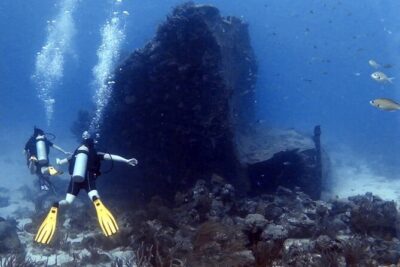
You also need to keep expectations realistic. This is not about pushing limits or exploring a huge area. It’s about getting your first breaths underwater and understanding how the gear feels in motion. The highlight people mention is fascination—feeling like you can move in a new way, almost like you’re flying rather than walking through the world above.
I’d also mentally prepare for the fact that you’re entering a controlled training environment. You can be excited and still focus. If you try to treat it like a carefree swim, you might feel distracted. If you treat it like guided practice, you’ll probably enjoy it more.
The Big Safety Filters: Who Should Skip This (and Why)
This activity has clear limits, and you should take them seriously—not just as fine print. The session requires good health, knowing how to swim, and an age of at least 10 years. It’s also not suitable for several common conditions, including:
- pregnant women
- people with claustrophobia
- people with heart problems
- wheelchair users
- people with vertigo
- non-swimmers
- people with a cold
- people with high blood pressure
- people with low fitness
That’s a lot, but it’s consistent with responsible scuba planning. Underwater activity changes how you breathe and move, and you don’t want a medical or comfort issue to become a problem in open water.
If you fall into any of those categories, skip this option and choose something more appropriate. If you’re on the edge—say you’re not sure about your fitness—err on the side of caution and ask the instructor before booking.
Price and Value: Is $94 Worth It?
At $94 per person for a 4-hour experience, the value comes from what’s included. You’re paying for:
- theory and instruction
- scuba equipment
- a boat ride on MARIANNA
- the guided underwater time (about 20–25 minutes)
In a practical sense, this price covers the hard parts: professional coaching and the gear. It’s also a good fit for people who want a first taste of scuba without spending extra time figuring out logistics on their own.
If you’re the type who hates wasting time, this is efficient: theory first, then equipment, then straight into real open sea. There’s no sense that you’re being asked to do a long training day before you even feel the underwater world.
Where value could feel lower is if your day’s conditions mean the underwater spot isn’t as scenic as you hoped. But even then, you’re still buying the first-timer experience and safety-first instruction. The “pretty bottom” is a bonus; the learning is the main event.
Timing: Monday Afternoon Helps You Continue the Course
A useful detail: these try sessions are mostly on Monday afternoon. The timing is set up so people can finish a diving course later in the week.
That means you should plan your schedule with a real afternoon window. Don’t treat it like a quick add-on. The time you spend depends on how many participants are joining, so the total afternoon can stretch.
If you’re staying in Marina di Campo for only a short time and you hate scheduling surprises, book early and keep a flexible afternoon.
Languages and Group Size: Why That Makes It Easier for Beginners
This is where the experience becomes beginner-friendly in a real way. Instructor language options (German, Italian, English) help you understand what you’re supposed to do. And the small group size—up to 2 participants per instructor—means you’re not stuck guessing.
For someone who’s nervous, that ratio is comforting. You get attention, not just announcements. You also get more chances to ask a question right away instead of waiting for a break in the schedule.
From reviews, people praise how the instructor took time for each participant and delivered clear explanations. That’s exactly what you want for a first underwater session: steady, simple guidance that builds confidence.
Should You Book This Try Underwater Session in Elba?
Book it if you want a real first underwater experience with equipment, boat, and coaching included, and you meet the health and comfort requirements. It’s a smart choice if you like clear instructions and you want to move from theory into open water fast.
Skip it if you’re dealing with any of the stated restrictions (claustrophobia, vertigo, heart issues, cold/illness, non-swimmer, and so on). Also skip if you’re hoping for a long exploration day. This is about your first breaths and a short guided session, not a big sightseeing outing.
If you want the best odds of enjoying it, go in calm and curious. Listen carefully, ask questions, and treat it like practice. The payoff is that moment when the sea feels different—and your brain finally understands what your eyes were seeing above water.
FAQ
How long is the experience in total?
The total duration is about 4 hours.
How much time do you spend in the water?
The underwater session lasts around 20 to 25 minutes.
Where does the activity take place?
It’s in Marina di Campo, on the island of Elba in Tuscany, Italy.
What’s included in the price?
You get instruction and a briefing, all necessary scuba equipment, and the boat trip. The diving activity is included as part of the experience.
What do I need to know or be able to do before I go?
You need to be in good health, know how to swim, and be at least 10 years old.
Who is this not suitable for?
It’s not suitable for children under 10, pregnant women, people with claustrophobia, heart problems, vertigo, or high blood pressure, as well as non-swimmers, wheelchair users, people with a cold, and people with low fitness.
What languages are the instructors comfortable with?
Instruction is available in German, Italian, and English.
Is there free cancellation or a flexible way to pay?
Yes. You can cancel up to 24 hours in advance for a full refund. You can also reserve now and pay later.