REVIEW · KAS
Kas: Scuba Diving Experience
Book on GetYourGuide →Operated by Akhilleus Tourism · Bookable on GetYourGuide
Kas has a way of speeding up your heartbeat. This 7-hour scuba session pairs easy conditions in the Mediterranean with staff who focus on comfort, safety, and making sure you understand what to do once you’re underwater. I especially like the shore-close approach—no long, exhausting run out to remote spots—and I like how the day starts with an ability check and instruction, not assumptions.
One thing to keep in mind: the booking centers on one underwater session, so your time actually in the water may feel shorter than you expect compared with the full day.
In This Review
- Key Highlights You’ll Care About
- Why Kas, Antalya, Feels Like a Friendly First Step
- Meeting at the Port and Getting Set Up Without Guesswork
- The Boat Ride: Relaxed Timing, Unlimited Tea, and No Big Speed-Boat Run
- Your Underwater Session: What You’ll Actually Look For
- Wildlife and Scenery Logic: Islands, Reefs, and Why It Works for Beginners
- If You’re Certified: More Freedom, More Depth Options
- Price and What You’re Really Getting for $100
- Who Should Book This Kas Scuba Session (and Who Should Skip It)
- You’ll probably enjoy it if:
- You should think twice if:
- Tips That Improve Your Chances Fast (No Extra Gear Needed)
- Bring:
- Do this in your head before you go:
- Work with your instructor:
- Should You Book This Kas Underwater Experience?
- FAQ
- FAQ
- How long is the Kas scuba experience?
- Is hotel pickup and drop-off included?
- What’s included in the price?
- Do I need a scuba certification?
- What languages are the instructors?
- What should I bring?
- Is there an extra cost for photos?
- Where do I meet the group?
- Is the experience suitable for pregnant women?
- What is the cancellation policy?
Key Highlights You’ll Care About
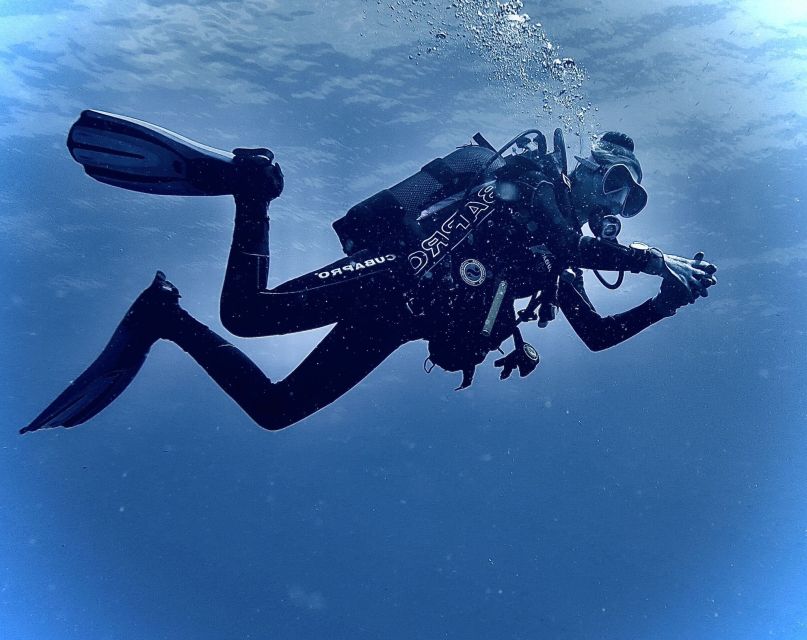
- Shore-close underwater spots around Kas, with no need for a speed-boat scramble
- Ability check first, then instruction that fits first-timers and certified swimmers
- Colorful fish and wildlife moments, including chances for octopus and sea turtles
- Full gear + guidance + full insurance folded into the price
- Unlimited tea on the water, plus you can bring your own snacks
- English or Turkish instruction, including calm, step-by-step coaching you can lean on
Why Kas, Antalya, Feels Like a Friendly First Step
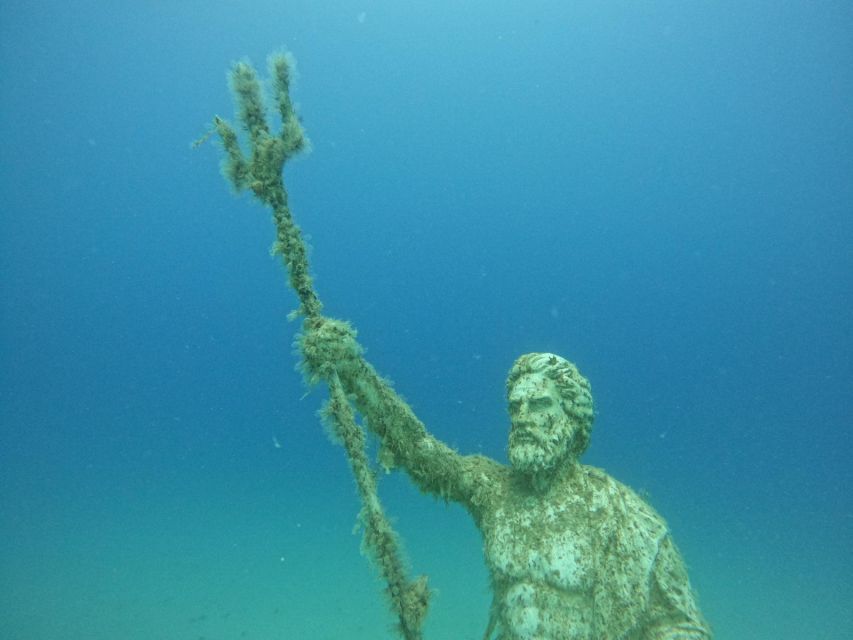
Kas sits on Turkey’s Mediterranean coast, in Antalya Province, where the water conditions often make it practical to try scuba without feeling overwhelmed. The big advantage here is the mix of warm temperatures and slow, gentle currents. That combination matters because it reduces the stress factors that can turn a first experience into a tense one.
This area is also known for having lots of marine life hanging around the islands, reefs, and sheltered coastal areas. In plain terms: you’re not just going to the water and hoping for the best. You’re going where the sea tends to support creatures that you can actually spot—especially if your guide is paying attention and you’re willing to look slowly, not just rush your gaze.
And since the conditions are framed as safe enough for a first underwater experience, you’ll spend more time learning how to move comfortably underwater than constantly fighting for control. That’s the difference between a “tick the box” outing and a day that feels like it belongs on your travel memories.
Meeting at the Port and Getting Set Up Without Guesswork
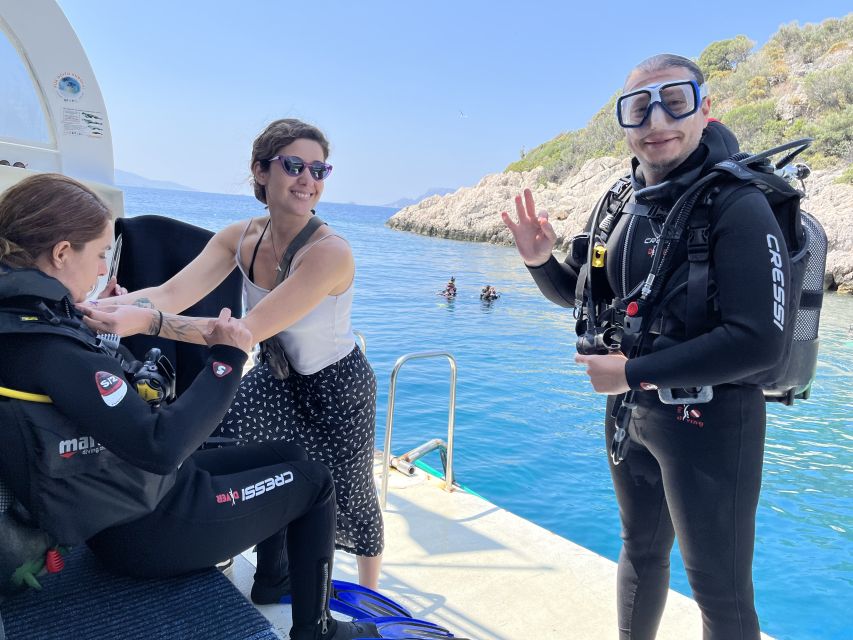
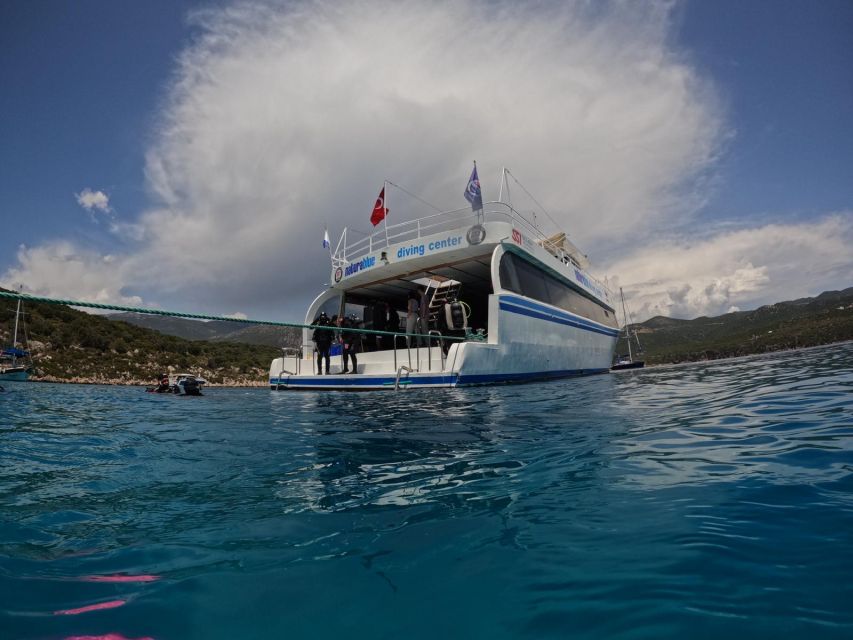
Your day starts at the port, where the team welcomes you, and you head out on the OCEANİS boat. Right at the start, you can expect an ability assessment, because the experience is designed for both brand-new participants and more experienced swimmers.
If you’re certified (PADI, CMAS, or DAN), the instructors will generally take you to more sophisticated and challenging underwater spots. If you’re new, the plan is to support you through the basics and keep the outing more relaxed.
Before you go in the water, you’ll get training and guidance, and all the equipment is included. That matters more than it sounds. Buying or renting your own gear can turn a simple day into a logistics project. Here, it’s handled, and your instructor can confirm everything fits properly before you’re dealing with straps, buoyancy, and breathing at the same time.
Also, you’ll be dealing with real saltwater and a real breathing system for the first time for many people. Having an instructor who explains steps and dos-and-don’ts clearly pays off fast. In one standout example from the instruction style I heard about, Mustafa was described as calm while explaining the process—exactly the kind of pace you want when you’re learning.
The Boat Ride: Relaxed Timing, Unlimited Tea, and No Big Speed-Boat Run
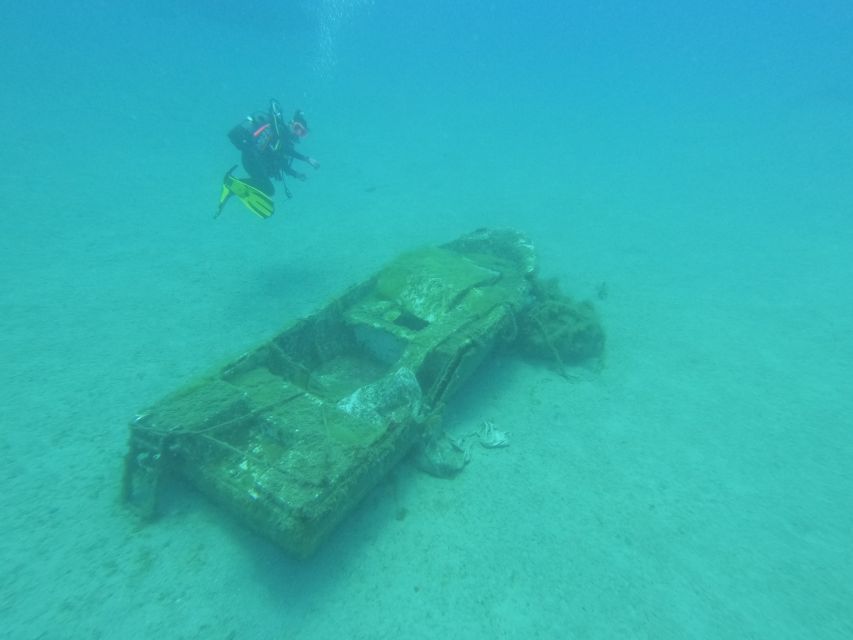
The day runs for about 7 hours, and that time is part of what you’re buying. It’s not just “get on the boat, jump in, done.” You have time to get geared up, get briefed, and settle before the underwater moment.
One practical win: you don’t need speed boats to reach the underwater spots. The sites are relatively close to shore. That makes the ride more comfortable and helps keep the day feeling calm rather than chaotic. If you’ve ever had a bumpy transfer knock your appetite or nerves, you’ll appreciate this.
And yes, there’s unlimited tea included. It’s a small detail, but it helps on a long day. You’ll likely spend stretches on the boat before and between water time, and having something warm and easy to sip makes waiting feel less like punishment.
If you’re the type who likes control over your food, here’s a useful note: you can bring your own food and drinks to the boat. That lets you travel the way you actually eat, instead of hoping the provided options match your preferences.
Your Underwater Session: What You’ll Actually Look For
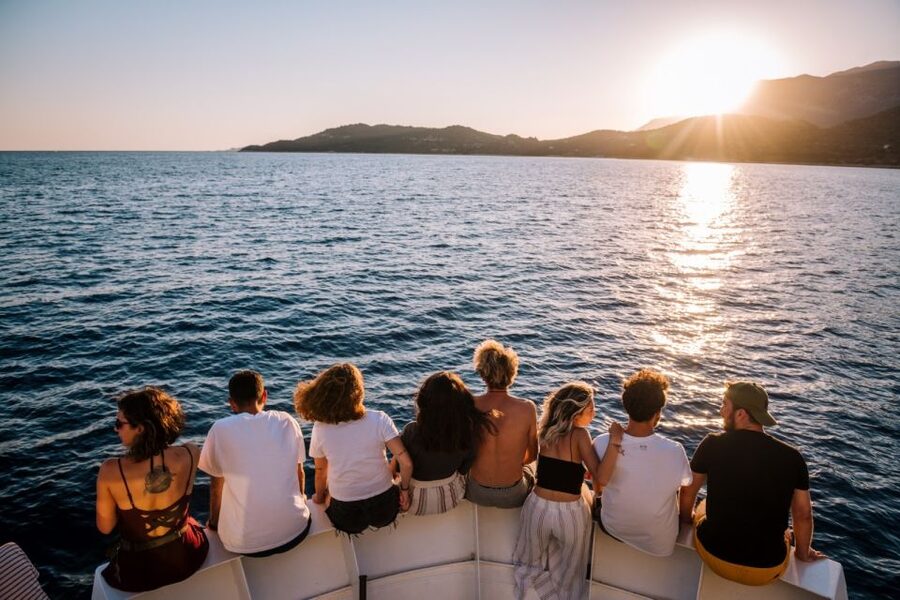
This outing is built around one scuba session (one time in the water), guided by an instructor team. For many people, that’s the sweet spot: you get a real taste of underwater life without committing to a long, multi-session day.
Once you enter the water, you’re in a new world fast. The water around Kas is known for good conditions for spotting wildlife, and your guide is there to help you connect what you see to what it means—like why some areas are busier because islands and coastal shelters protect smaller fish, especially around breeding periods.
Here’s what the experience is aiming to deliver in that underwater window:
- Colorful fish that you may get to hand-feed
- Octopus spotting—your best move is to look slowly and watch for movement in crevices
- Coral reefs as feeding grounds
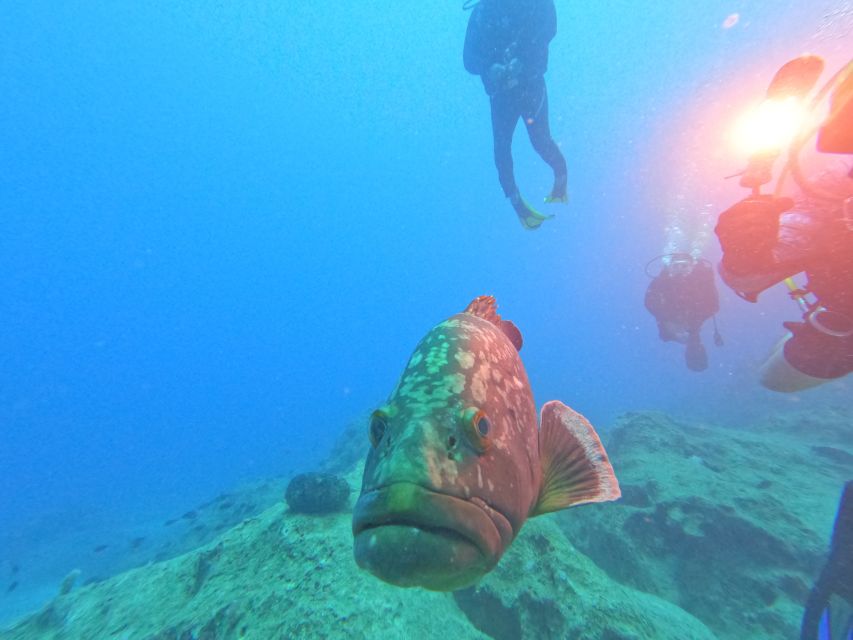
- The chance to see larger creatures, depending on conditions, including lobsters, sting rays, eels, dolphins, and sea turtles
The wildlife list is long, and not every animal will appear on every outing. Still, knowing the “target animals” makes your first underwater session feel focused rather than random. You can mentally switch from “I hope I see something” to “I’ll check the reef line, I’ll watch the sandy edges, I’ll scan for slow gliding shapes.”
One more detail that helps beginners: the currents are described as slow and gentle, which typically makes it easier to float, control your breathing, and avoid feeling like you’re getting pulled around. When you’re learning, the goal isn’t to be a human dart. It’s to move with the water.
Wildlife and Scenery Logic: Islands, Reefs, and Why It Works for Beginners
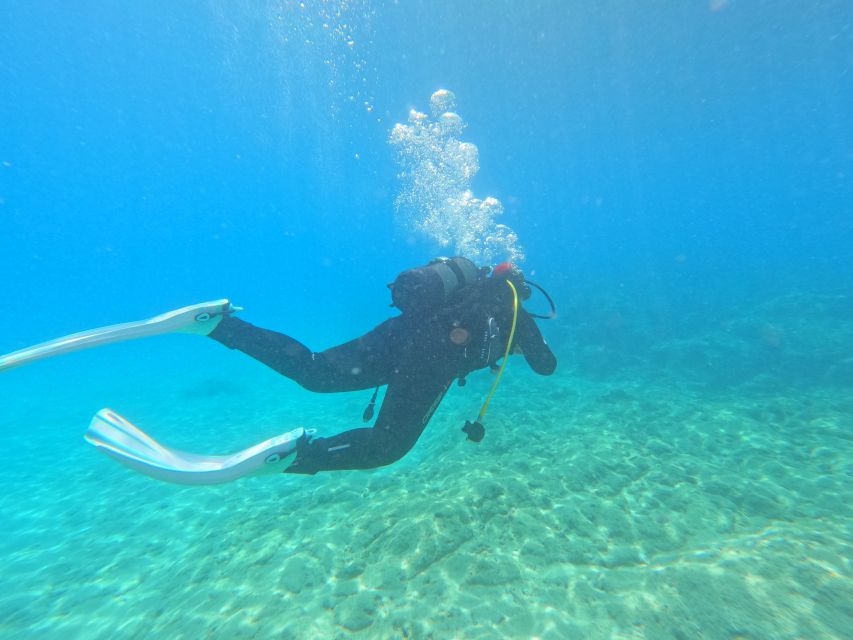
Kas isn’t just about one big dramatic underwater wall. It’s about a system of underwater structures—reefs, coral areas, and islands—that create shelter and food. That’s why the experience description emphasizes islands dotted along the coastline as protective spots for smaller fish and breeding areas.
For you as a first-timer, that kind of environment is ideal. You tend to see more consistent activity because food sources and hiding places are close together. The result is less frantic moving and more “slow watching,” which is exactly what you want when you’re learning buoyancy and breathing.
Also, the area is described as perfect from a safety point of view. That’s not marketing fluff—it’s relevant because calm conditions reduce the workload you need to manage while learning the equipment. You’re focusing on fundamentals instead of constantly adjusting to stressful water movement.
In practice, the guide team helps point things out. That guidance is valuable even for experienced swimmers, because it saves you time figuring out where to look. If you’re on your first underwater session, it’s even more important: you don’t yet know the visual cues that separate “something is there” from “oh, that’s a sting ray shape hiding on the sand.”
If You’re Certified: More Freedom, More Depth Options
If you come with certification like PADI, CMAS, or DAN, the plan is to match your level with more interesting underwater options. The experience notes opportunities for local caves, underwater canyons, and drop-offs—areas that tend to bring more dramatic structure and more concentrated wildlife.
This matters because a first-time experience often focuses on learning and comfort. A certified experience can shift toward exploration within a safety-managed framework. One praised detail in the information I received was the idea that if you’re more experienced, you may get more time to go at your own pace underwater. That’s a real value point: the day feels less like group babysitting and more like a guided outing tailored to your skill.
If you’re certified, I’d also suggest asking your instructor what they expect you to handle during the session. Since the day begins with an ability check, you’ll likely get an honest adjustment.
Price and What You’re Really Getting for $100
At $100 per person for about 7 hours, the value is easiest to see when you list what’s included:
- Scuba equipment
- Guiding service
- One scuba session
- Full insurance
- Unlimited tea
For many travelers, the biggest hidden costs in underwater activities are gear rental, staffing, and insurance. Here, those are built into the price, which usually means fewer surprises. You’re not paying extra just to get the basics off the ground.
What’s not included also shapes the math:
- Hotel pickup and drop-off are not included, so you need to handle your own transport to the port meeting point.
- Photo is extra (+10€). If you care about a souvenir, it’s worth budgeting that now rather than deciding later when you’re tired.
One more pricing reality check: because the booking centers on one underwater session, a portion of the 7 hours is briefing, setup, and boat time. In at least one case shared with me, the actual time underwater was around 20 minutes. So go in expecting a focused window of underwater experience, not an all-day swim marathon.
If you want long water time, you may compare options that include multiple underwater sessions. If you want a guided first experience with solid support and included gear, this price structure can be a good fit.
Who Should Book This Kas Scuba Session (and Who Should Skip It)
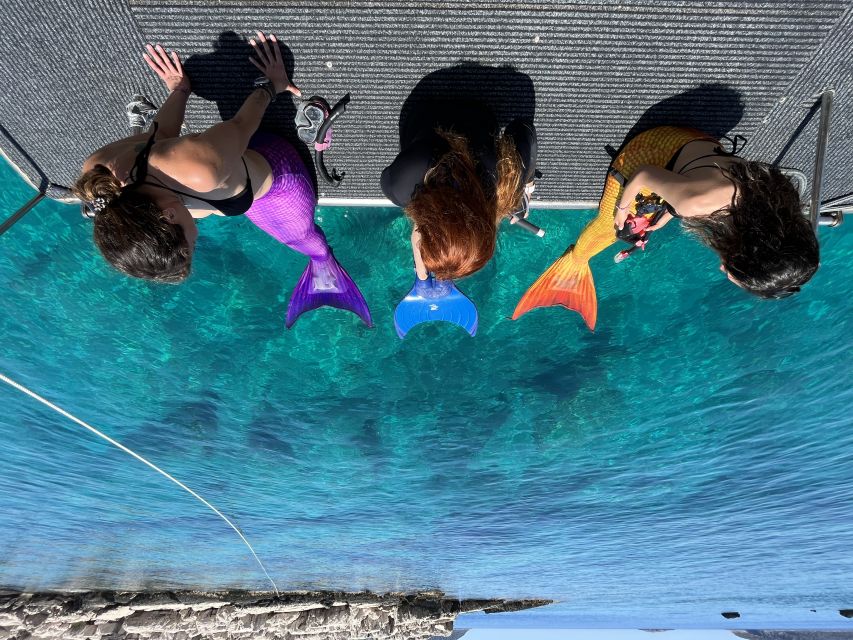
This experience is aimed at a wide range of ability levels. That’s clear from the way the day starts with an assessment and then adapts based on certification status.
You’ll probably enjoy it if:
- You’re a beginner and want clear, calm coaching before you enter the water
- You’re looking for a relaxed schedule with less stress from long boat rides
- You want a guided chance at seeing wildlife like octopus and sea turtles
- You want equipment and insurance handled for you
You should think twice if:
- You want multiple underwater sessions in a single day
- You’re sensitive to the idea that the underwater window can feel short compared to total time on the schedule
- You’re pregnant, since the activity is stated as not suitable for pregnant women
Tips That Improve Your Chances Fast (No Extra Gear Needed)
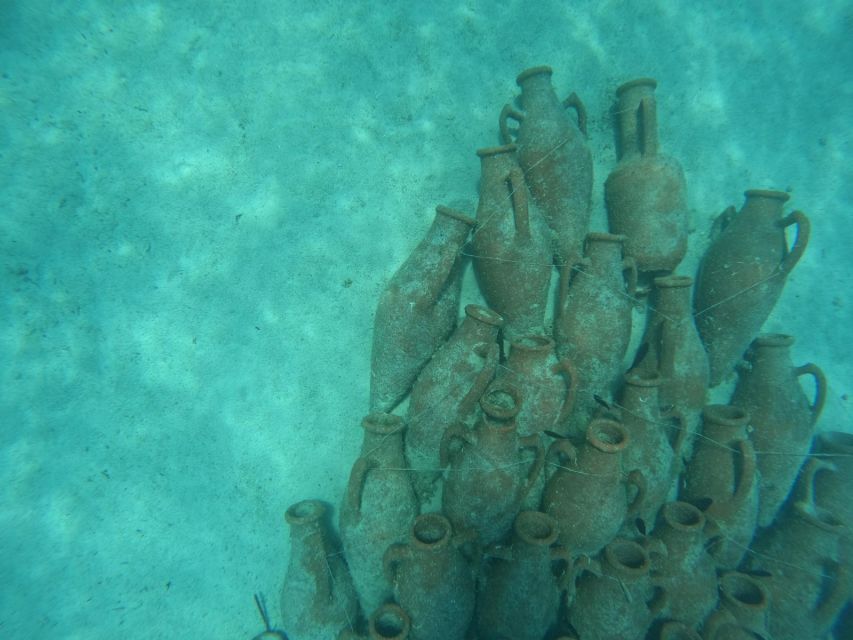
You don’t need to overpack, but a little preparation helps you make the most of your one underwater session.
Bring:
- Swimwear
- A towel
You can also bring your own food and drinks to the boat, which is helpful if you prefer familiar snacks or if you get hungry before long water time.
Do this in your head before you go:
- Plan to look slowly. Underwater animals often show up as motion first, detail second.
- Keep an eye on sheltered spots near reefs and structures. That’s where smaller fish gather, and where octopus-like sightings become plausible.
- If you’re excited about sting rays or sea turtles, watch the sandy edges and the way larger animals move through open space rather than focusing only on the brightest coral patches.
Work with your instructor:
Your instructor team is there to help you get the most out of the experience, and they typically point out what’s worth seeing. If you’re new, it’s okay to ask questions. The calm instruction style described (including the patience credited to Mustafa) is exactly what you want when you’re learning on the spot.
Should You Book This Kas Underwater Experience?
I’d book it if your goal is a guided, beginner-friendly scuba outing in the Kas area that’s built around warm water, slow currents, included gear, and shore-close underwater spots. The included full insurance, equipment, and guiding service make it straightforward, and the unlimited tea plus the option to bring your own snacks helps the day feel manageable.
I’d hesitate if you’re the type who measures success only by time underwater or only by guaranteed sightings of every animal on the wildlife list. With one underwater session, you’re buying a focused experience, not a long underwater marathon.
If you want my quick decision rule: if you want your first (or simplest) underwater scuba day to be calm, guided, and well-supported, Kas is a strong choice—and this format fits.
FAQ
FAQ
How long is the Kas scuba experience?
It lasts 7 hours.
Is hotel pickup and drop-off included?
No. Hotel pickup and drop-off are not included.
What’s included in the price?
Your price includes scuba equipment, one scuba session, guiding service, full insurance, and unlimited tea.
Do I need a scuba certification?
You don’t have to be certified to go. The day starts with an ability assessment, and if you are certified (PADI, CMAS, or DAN), you’ll be taken to more advanced underwater options.
What languages are the instructors?
The instructor team provides English and Turkish.
What should I bring?
Bring swimwear and a towel. You can also bring your own food and drinks to the boat.
Is there an extra cost for photos?
Yes. Photo costs +10€ and is not included.
Where do I meet the group?
You meet the team at the port. The boat is named OCEANİS.
Is the experience suitable for pregnant women?
No. It is not suitable for pregnant women.
What is the cancellation policy?
You can cancel up to 24 hours in advance for a full refund.