REVIEW · HONOLULU
First-Time Scuba Diving in Honolulu + Free Videos
Book on Viator →Operated by Try Scuba Diving-Honolulu · Bookable on Viator
First-time scuba should not feel scary. This Honolulu lesson mixes a safety briefing with shallow-water practice and ends with a GoPro video you can keep. You’ll be guided step-by-step, with the instruction style many people rave about, including instructors like Alex, Nick, Danny, and Rida.
I love how practical the whole setup is. You get fitted with your wetsuit and scuba gear on site, and the group stays small, with a maximum of 16 people per booking. I also like that they focus on reassurance and clear cues for first-timers, not just getting you in the water.
One possible drawback to consider is that conditions can affect what you see. Some people reported murky water and fewer animals when the water wasn’t clear, and the trip length can feel short if you were expecting a longer open-ocean experience.
In This Review
- Key Reasons to Book
- Magic Island Lagoon Start: Getting Ready Without Stress
- Gear Fitting, Wetsuits, and Mask Rules (Contacts vs Glasses)
- Safety Briefing First: How They Build Confidence in Waist-Deep Water
- What You’ll See Off Oahu: Sea Stars, Octopuses, and More
- Ala Moana Beach Park: Why the Second Stop Feels Mellow
- GoPro Video Take-Home: Your Memory in Motion
- Price and Value: Is $89 a Good Deal?
- Who This Honolulu Scuba Session Fits Best (and Who Might Want a Different Plan)
- Booking Smart: Simple Tips Before You Go
- Should You Book This Honolulu Scuba Lesson?
- FAQ
- Do I need scuba certification to join?
- How deep does the water go?
- Do I need prior swimming experience?
- How many people are in the group?
- What’s included for the experience?
- Where do we meet, and where does it end?
- Can I wear prescription glasses or contacts?
- What happens if weather is bad or I want to cancel, and is flying after okay?
Key Reasons to Book
- Small-group coaching for first timers, capped at 16 people per booking
- Shallow start and gradual depth, starting waist-deep with a max depth around 15 feet
- All scuba gear and wetsuit provided, so you’re not hunting rental equipment
- GoPro video and shared photos, shot by your guide during the session
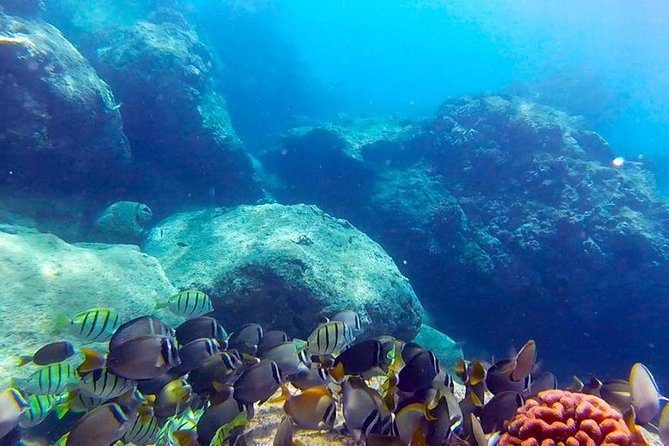
- Honolulu waters with real wildlife potential, including sea turtles, octopuses, and sea stars
Magic Island Lagoon Start: Getting Ready Without Stress
Your experience begins at Magic Island Lagoon in Honolulu, and you’ll finish back at the same meeting point. That matters because it keeps your logistics simple. There’s no hotel pickup or drop-off, so plan to get yourself there (the area is listed as near public transportation).
Expect the day to move with purpose. You’ll meet your guide, get fitted with gear, and then do the skills portion before you go farther down. From what you’re told, the total time is about 1 hour 30 minutes, so it’s not a half-day commitment. If you like quick, focused activities that fit around meals and beach time, this schedule fits well.
The maximum group size of 16 also helps the vibe. In a smaller group, your guide can check your setup and your comfort level more often. That’s a big deal for nervous first-timers.
You can also read our reviews of more tours and experiences in Honolulu.
Gear Fitting, Wetsuits, and Mask Rules (Contacts vs Glasses)
The gear part isn’t just logistics. It’s where your comfort starts. You’ll be fitted with the wetsuit and full scuba equipment, and then guided through what to do once you’re wearing it. People consistently mention that instructors are patient with equipment issues, so if you’re the type who gets flustered with straps and buckles, this is still manageable.
There’s one important visibility rule you should know before you show up:
- Prescription glasses cannot be worn under the scuba or snorkel mask.
- Contact lenses are allowed, or you can go without them.
Also keep in mind that underwater magnification can change how you see things: objects may appear about 25% closer and larger. That’s useful for your expectations. Your brain might think you’re seeing something farther away than it really is.
One more practical point: the tour requires you to be physically able to walk with equipment. You don’t need to be an athlete, but you should be comfortable moving with the gear in shallow areas.
Safety Briefing First: How They Build Confidence in Waist-Deep Water
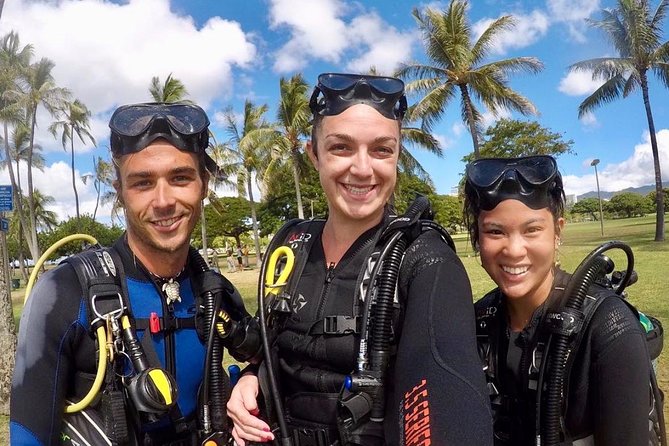
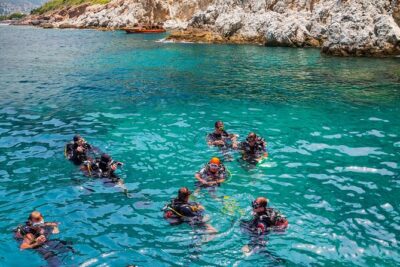
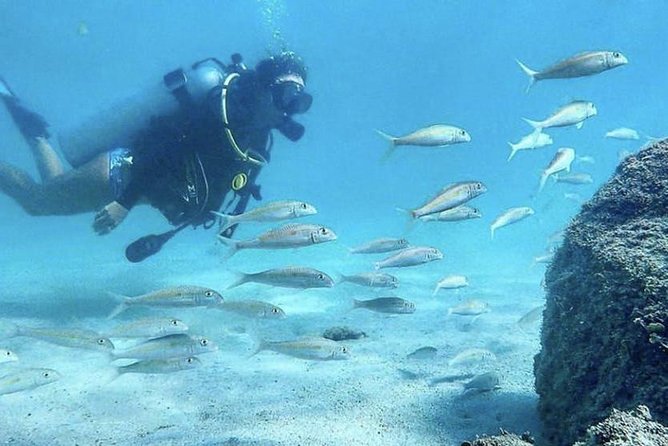
This is a “learn or refresh” style session. You start with a safety tutorial and gear check, then you head into water that’s about waist-deep. That’s where most first-timers can breathe, adjust, and get their balance without feeling like they’ve jumped straight into the deep end.
Your guide stays with you throughout and provides cues on how to handle your equipment and move safely in the water. Based on the feedback you’re given, the instructors are known for making people feel comfortable and safe, with lots of attention to whether you’re doing okay.
Once you’re comfortable, you’ll go deeper gradually. The max depth is around 15 feet, so you’re not dealing with big depth pressure or complicated “how do I get down there” decisions. It’s controlled, beginner-friendly training.
If you’re worried about staying calm, I’d treat the first few minutes as the real lesson. You’re not rushing to see wildlife. You’re learning to trust your gear, your breathing rhythm, and your guide’s instructions.
What You’ll See Off Oahu: Sea Stars, Octopuses, and More
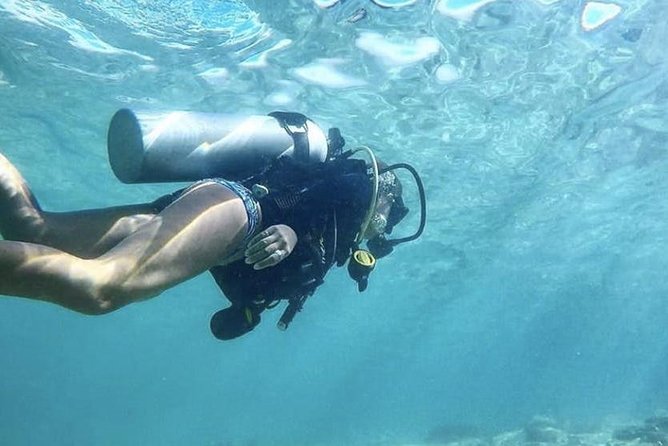
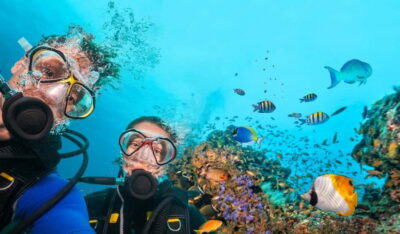
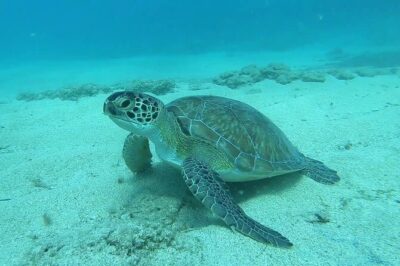
The whole point of this experience is to show you the underwater life of Oahu’s Pacific waters. You’re encouraged to look out for green sea turtles, octopuses, sea stars, and bright tropical fish. Since it’s a relatively shallow experience with a controlled setup, you’re likely to spend more time observing than struggling with complicated skills.
That said, wildlife sightings depend on water conditions. Some reports mention clear, animal-rich moments, while others mention murkiness and fewer creatures when conditions weren’t ideal. If you come in expecting the exact same lineup every time, you’ll be disappointed. If you come in expecting a guided, beginner-focused underwater experience with good chances for marine life, you’ll likely enjoy it more.
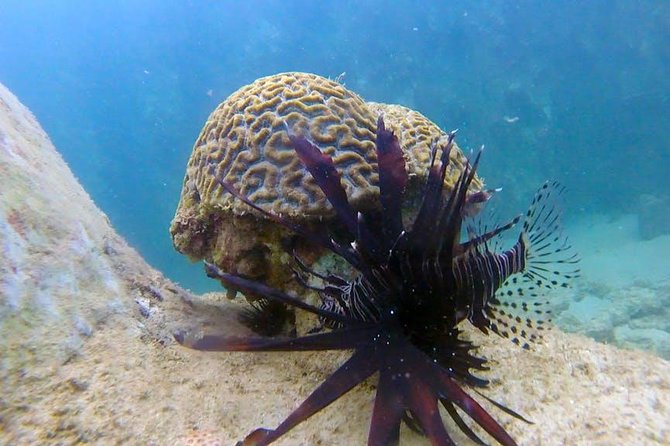
Also remember: one of the small upsides of shallow-water scuba is that you can spot details close up. You’ll get a chance to notice sea stars and other small marine life without having to stretch your comfort zone too far.
Ala Moana Beach Park: Why the Second Stop Feels Mellow
Your schedule includes Ala Moana Beach Park as part of the underwater time. This matters because it gives you a second “view” of the water without turning the outing into a long, complicated travel day.
The goal of the second stop is usually to keep the experience flowing while you practice and explore with your guide. For many first-timers, it also helps to have two phases: one where you focus on getting comfortable, and another where your attention shifts to what’s around you.
One consideration: because this is short and shallow, it can feel more like a focused introduction than a long safari across the ocean. That’s not bad, it just sets expectations. You’re there to learn the basics and see enough marine life to say, yes, I want to do this again.
GoPro Video Take-Home: Your Memory in Motion
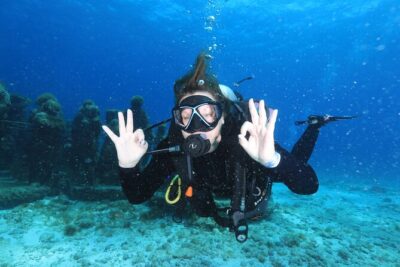
You don’t just get told what you did. You get a visual record. Your guide takes GoPro-style video and additional pictures throughout the session, and you should receive them after.
If you care about posting or saving your underwater moment, this is one of the best parts of the experience. Multiple people mention getting photos and videos quickly (including via air-drop style sharing). That means you don’t have to wait days to remember what you looked like underwater.
There is one fine-print note worth knowing: while the video is included, if the camera malfunctions there is no refund for the tour. It’s rare, but it’s good to know up front.
Also, since your guide is filming while coaching, you can focus on staying comfortable rather than worrying about how to mount a phone or camera. That’s a big value for first-timers.
Price and Value: Is $89 a Good Deal?
At $89 per person for about 1.5 hours, the value comes from what’s included and how beginner-friendly the structure is.
Here’s what you’re paying for:
- Guided coaching with safety instruction
- Gear/equipment and wetsuit provided
- A max depth that keeps the experience controlled
- Underwater GoPro video and photos included
You’re not paying extra for rentals or a private guide. And you’re not required to have prior certification. For many people, that’s the real bargain: you’re buying confidence and a safe first taste of scuba without the overhead.
The only “watch your wallet” detail is tips. One of the notes you’ll see encourages bringing extra cash to tip your instructor. That’s not a rule listed for the tour, but it’s solid travel common sense if you want to reward great teaching.
Who This Honolulu Scuba Session Fits Best (and Who Might Want a Different Plan)
This experience is aimed at beginners and people who want to refresh. You should be comfortable in the water. No prior swimming experience is required, but you do need a moderate physical fitness level and the ability to walk with equipment.
It’s a great pick if:
- You want a low-key, guided underwater introduction
- You’re nervous and want patient, safety-first instruction
- You want a memorable keepsake without bringing cameras or managing gear
It might be a less ideal fit if:
- You’re chasing a long, deep, open-ocean adventure
- You’re extremely sensitive to murky-water conditions
- You plan to fly right after. Flying within 12 hours after the session is not recommended.
If you’re bringing family members, it can work well for kids too, as long as they meet the comfort and water-confidence expectations. One review specifically notes a positive experience with a 10-year-old, which supports that the instruction style can handle younger learners with calm guidance.
Booking Smart: Simple Tips Before You Go
This is a short session, so small preparation details matter.
- Arrive early enough to get fitted calmly. Rushing into gear fitting raises your stress level.
- Plan on a modest physical effort. You’ll walk with equipment and spend time managing your breathing and buoyancy.
- If you wear contacts, bring them normally; you can’t rely on prescription glasses inside the mask.
- Expect changing water conditions. Wind and water clarity can affect what you see.
And one more mindset tip: treat it like a lesson, not like a sightseeing cruise. If you focus on controlling your breathing, staying relaxed, and listening for cues, the wildlife sightings tend to feel more meaningful.
Should You Book This Honolulu Scuba Lesson?
Book it if you want a beginner-friendly underwater experience in Honolulu with gear provided, patient instruction, and a GoPro video take-home. It’s strong value for $89 because you’re not just buying “time in the water,” you’re buying guided safety coaching and a clear path to feeling comfortable.
Skip it or consider another option if you’re only interested in the deepest waters or the kind of underwater visibility that guarantees the same wildlife every time. Shallow conditions are part of the deal here, and sometimes the water doesn’t cooperate.
If you want a calm, structured first attempt in Oahu’s area waters, this one is a sensible choice.
FAQ
Do I need scuba certification to join?
No prior certification is needed. This is designed as a learn-to-scuba or skills refresh experience.
How deep does the water go?
The max depth is listed as around 15 feet.
Do I need prior swimming experience?
No swimming experience is required, but you must be comfortable in the water.
How many people are in the group?
The tour states a maximum of 16 travelers per booking, so it’s a small-group experience.
What’s included for the experience?
You get a guided scuba adventure, all scuba gear/equipment, a safety seminar, and complimentary videos taken during the session. The end result includes GoPro video and photos.
Where do we meet, and where does it end?
You meet at Magic Island Lagoon, Honolulu, HI 96815, and the activity ends back at the meeting point.
Can I wear prescription glasses or contacts?
Prescription glasses cannot be worn under the mask. Contact lenses are allowed, or you may go without.
What happens if weather is bad or I want to cancel, and is flying after okay?
The experience requires good weather. If it’s canceled due to poor weather, you’ll be offered a different date or a full refund. You can cancel up to 24 hours in advance for a full refund; within 24 hours there is no refund. Flying within 12 hours after the session is not recommended.