REVIEW · TETOUAN
Experience the thrill of diving in Morocco Fun Dives
Book on GetYourGuide →Operated by Tanger Med Diving Center · Bookable on GetYourGuide
That car ride turns into ocean time fast. This 4-hour coastal scuba session takes certified divers about 60 km east of Tangier, starting with a boat ride off Belyounech and moving into reefs, caves, and shipwreck country. I really like the way the team keeps it hands-on with experienced instructors and adjusts the plan to your level. I also love the small group size (max 8), which makes the whole day feel unhurried. One consideration: marine life can be hit-or-miss depending on conditions, so if you’re expecting fish-heavy scenes like the very top tropical destinations, you’ll want to keep expectations realistic.
You’ll likely spot octopuses, groupers, and (on occasion) a turtle, plus rock formations that feel full of local stories from centuries past. The organizers run a pre-session briefing and safety checks before anyone enters the water, and the sessions are guided throughout. If you get seasick easily or you have back, heart, or high-blood-pressure issues, this one may not be for you.
The price is $102 per person, and that cost makes sense when you’re looking for guided coaching, included local transport to the water sites, and a proper small-group setup. Still, it’s a “conditions-dependent” experience, so your best odds of satisfaction come from showing up calm, flexible, and ready to look closely rather than expecting a guaranteed show.
In This Review
- Key Things I’d Remember Before You Go
- Tangier’s Coast Is a Solid Choice If You Want Variety
- The 60 km East Transfer and Belyounech Boat Ride
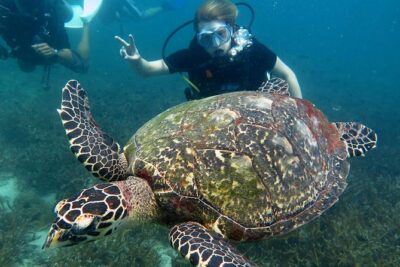
- What You’ll See Underwater: Reefs, Octopus, Groupers, and a Turtle
- Caves and Rock Formations: The “Look Closer” Section
- Shipwreck Time: The Mystery Bonus (If Conditions Allow)
- Instructor Quality: Where This Trip Really Earns Its Price
- Price and Logistics: Is $102 Actually Good Value?
- A Realistic Look at Marine Life Expectations
- Who This Is Best For (and Who Should Skip It)
- Practical Packing List for Your Tangier Water Day
- Should You Book This 4-Hour Coastal Session?
- FAQ
- What is the duration of the Morocco Fun Dives experience?
- Where does the underwater activity take place?
- Do I need to be a certified diver?
- How large is the group?
- What’s included in the price?
- What should I bring with me?
Key Things I’d Remember Before You Go
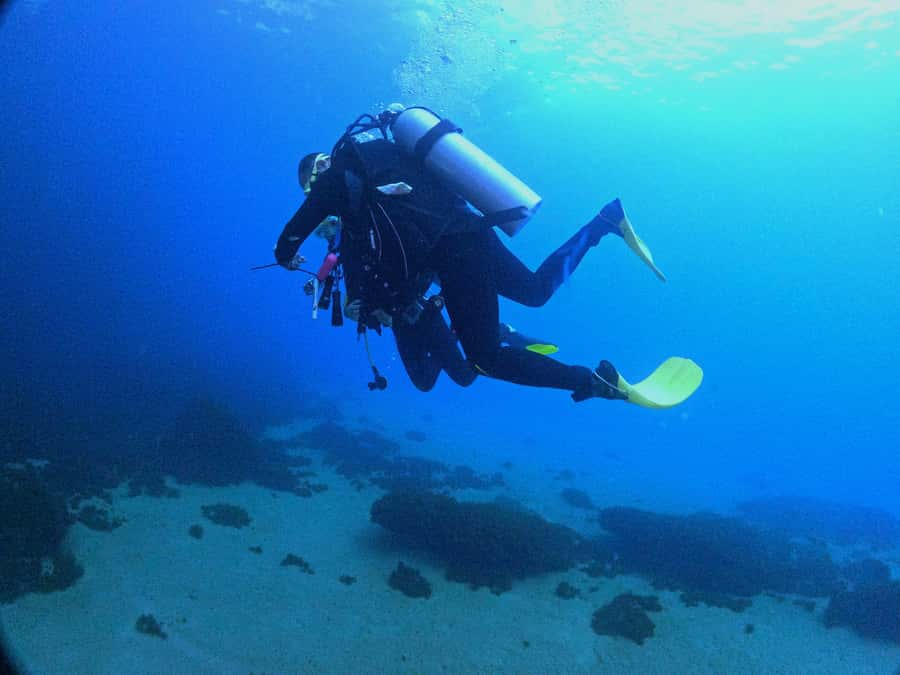
- Certified-diver focus: the session is built for people who already have experience, not first-timers
- Small group of up to 8: easier instruction and a calmer rhythm in the water
- Belyounech boat ride: the day starts with scenery along the coast, not straight into logistics
- Reefs, caves, and shipwrecks: you get variety in underwater terrain, not just one habitat
- Marine life you can actually name: octopus, groupers, and sometimes a turtle
- Instructor support matters: one very positive experience included extra underwater time at no added charge
Tangier’s Coast Is a Solid Choice If You Want Variety
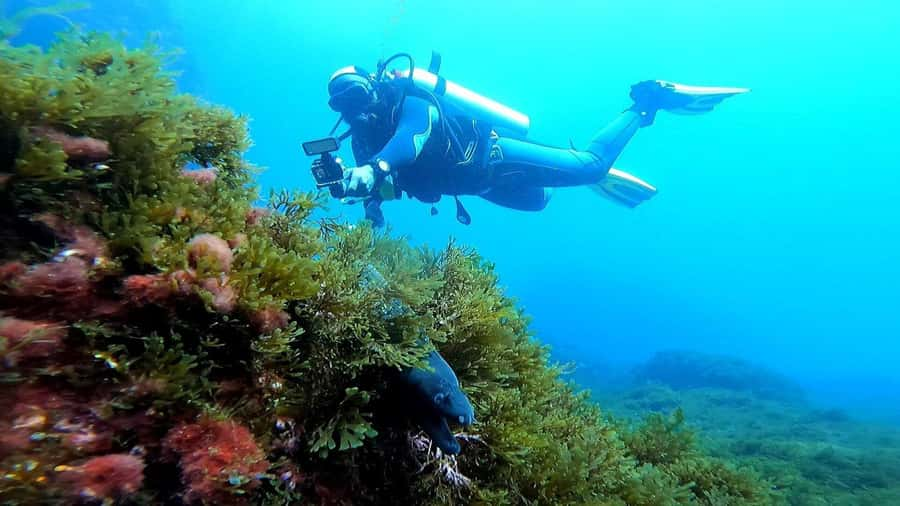
Tangier’s area doesn’t try to copy the Caribbean. Instead, you get a different kind of underwater day: reefs mixed with caves and rocky formations, plus the thrill of exploring shipwrecks at the seafloor. If you like the idea of changing scenery every so often, this kind of route usually feels more interesting than repeating the same stretch.
What makes this option especially practical is that it’s designed around your skill level. You’re not dropped into one “template” plan and told to figure it out. The guides adjust each underwater outing to match experience, which is exactly what you want when you’re traveling and don’t know local conditions.
The 60 km East Transfer and Belyounech Boat Ride
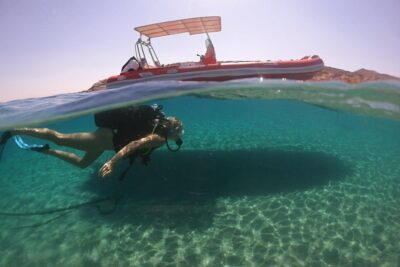
The day starts with a scenic boat ride along Belyounech’s coastline. Before you reach the water, you also get car transport between the meeting point and the start of the sites. For me, this matters more than it sounds: less time juggling local transit usually means more time focusing on the water itself.
That boat segment isn’t just a way to get there. It sets expectations for the rest of the day. Even if you’re not a “sea view” person on land, you’ll likely appreciate the coast scenery before you gear up and go underwater.
Two practical notes based on the rules you’re given:
- If you’re prone to seasickness, this schedule can be a problem.
- If you have back or heart concerns, the activity isn’t considered suitable.
So if you’re on the edge health-wise, it’s worth taking the suitability list seriously rather than trying to push through.
What You’ll See Underwater: Reefs, Octopus, Groupers, and a Turtle
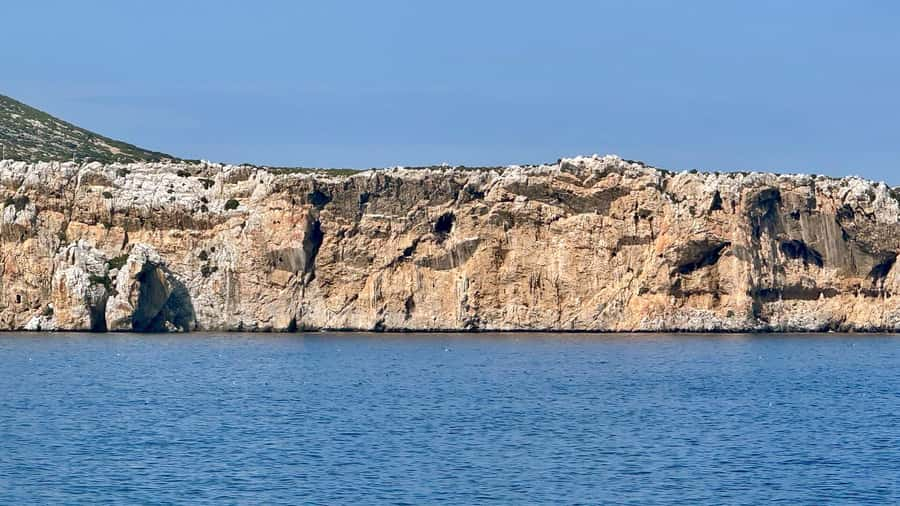
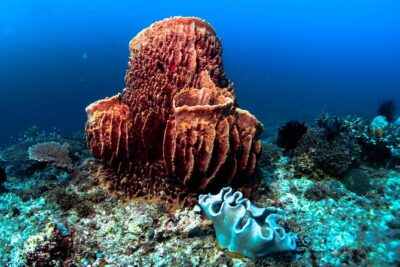
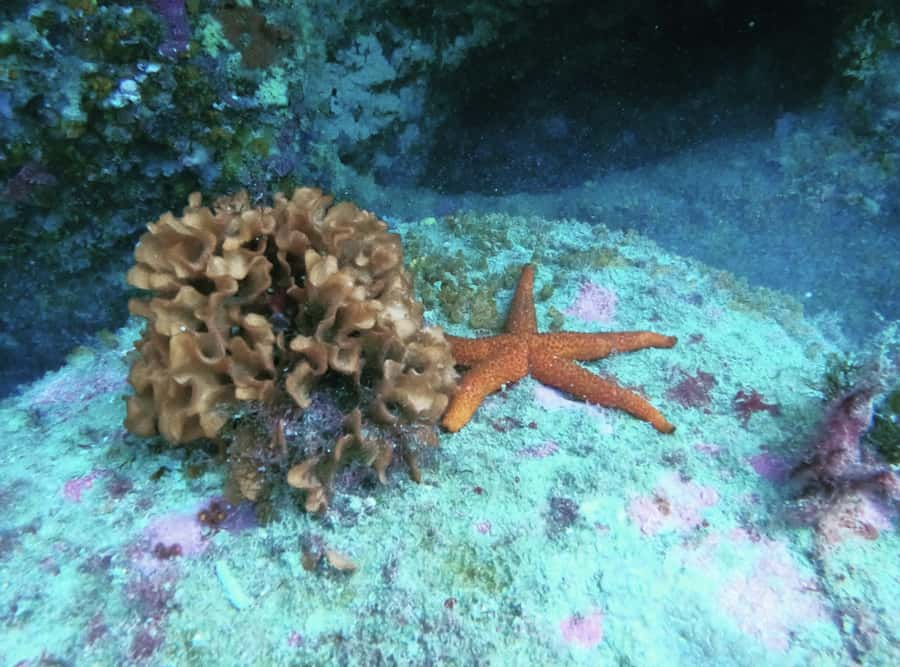
Once you’re in the water, the focus is on colorful reefs and marine life sightings you can actually picture. The highlights include octopuses, groupers, and the occasional turtle. That word occasional matters. Some days you’ll get lucky, and some days you’ll get more “patience rewards” than dramatic encounters.
The reef portion is where you’ll likely spend time most comfortably if you’re mid-level in training. Reefs are generally easier to navigate than complex cave systems, and they also give you plenty to observe slowly: movement, small behavior shifts, and the way fish use structure.
If you’ve done places like the Maldives or Bali and you’re used to high-density fish activity, here’s my honest advice: don’t treat this coast like a guarantee of constant action. Expect something more like a scenic underwater walk where you spot interesting things as you go.
Caves and Rock Formations: The “Look Closer” Section
After the reef portion, the day shifts toward hidden caves and rock formations. This is the part that often surprises people, because caves and rock features change how you think underwater. You start scanning for openings, ledges, and ways marine life uses the structure for shelter.
The formations here are described as carrying stories from centuries past. You don’t need to be a historian to enjoy that. What you need is a bit of curiosity: where did that shape come from, how has it been touched by water over time, and what does it create today for animals to hide and feed?
This is also the section where good guidance helps. Even with experience, it’s easier when someone sets the rhythm and keeps you aware of depth, spacing, and route.
Shipwreck Time: The Mystery Bonus (If Conditions Allow)
There’s also a chance to explore shipwrecks on the sea floor. Shipwrecks add that mix of curiosity and adrenaline that reef-only days sometimes miss. You tend to look at different details: the edges where something broke away, the way life attaches to hard surfaces, and how the wreck changes the local current.
One of the most practical things I like about including wrecks is that they give your attention a “job.” If marine life is slow that day, wreck structure still gives you something to study. And if marine life is active, the wreck becomes a magnet zone, so you may spot animals using the habitat it creates.
Keep in mind the day is still guided and adapted to your level, so you’re not just chasing the wreck for the sake of it. The goal is the right experience for your training and comfort.
Instructor Quality: Where This Trip Really Earns Its Price
This is where the best feedback hits hardest. In at least one experience, the instructor was described as outstanding and stayed encouraging when someone felt panicked at the start of the underwater session. That kind of support isn’t just comforting. It can be the difference between quitting early and finishing your plan.
Even better, that same experience included extra underwater time with no additional charges. Obviously, you shouldn’t treat bonus time as a promise. But it does tell you that the team is paying attention to how the day goes, not just clocking the minimum.
Also, the instructor languages are French, English, and Arabic. If you’re not comfortable in one of those, that’s a limitation you should factor in. If you are, you’re more likely to understand the briefing fully, and that makes everything calmer once you’re suited up.
Price and Logistics: Is $102 Actually Good Value?
At $102 per person for a 4-hour outing, you’re paying for more than a boat and a gear checklist. You’re getting:
- a professional local guide
- a pre-session briefing and safety checks
- car transport to and from the meeting point to the water sites
That combination is where value usually hides. If you’ve ever tried to “DIY” offshore access around the world, you know how quickly time and hassle pile up. Here, the transport piece is partially solved for you, which is helpful if you’re not staying right at the water access points.
What you should know about costs that are not covered:
- Refreshments (water and light snacks) aren’t included
- Transport to the diving center is not included
- Photos or videos aren’t included, though they may be available depending on what’s offered
So I’d treat $102 as a fair price for a guided, small-group, coached session with local transport to the sites. Just don’t assume it will feel like a fish parade every single time.
A Realistic Look at Marine Life Expectations
Here’s the honest balance based on how people’s experiences can differ: the underwater world is never a vending machine. One person can leave satisfied because they saw plenty of marine life, while another can feel let down if fish sightings were low that day.
If you’re the type who needs heavy fish activity to feel it was worth it, this is the biggest “risk factor” in your decision. If you’re more into caves, rock features, wrecks, and you enjoy scanning and slow observation, you’ll probably feel happier with the variety.
My recommendation is to decide what you’re really buying:
- You’re buying a guided coastal experience with structure-rich underwater terrain.
- You’re not buying a guaranteed aquarium show.
That mindset usually leads to a much better trip.
Who This Is Best For (and Who Should Skip It)
This one is not a casual “anyone can try” activity. It’s marked for certified divers, and it also lists people without experience as not suitable. The rules also exclude:
- children under 10
- people with back problems
- people with heart problems
- people with high blood pressure
- people prone to seasickness
If you’re fit, trained, and comfortable in open water, you’ll likely enjoy it. If you’re nervous about being underwater, the instructor support can help, but you still need to be honest about your comfort level.
This is also a good fit if you like small-group days. With a maximum of 8 participants, you tend to get more individual attention and less waiting around.
Practical Packing List for Your Tangier Water Day
The operator asks you to bring:
- Passport or ID card
- Driver’s license
- Towel
- Logbook
- Trekking gear
That combination is a little unusual, but it’s useful. The logbook requirement fits the certified-diver focus. Trekking gear suggests there may be some walking involved before and after the water time, so don’t show up in flimsy sandals only.
Also plan for the fact that refreshments aren’t included. Bring a bottle you can start the day with, and pack anything you personally need to avoid getting run-down before the session.
Should You Book This 4-Hour Coastal Session?
I’d book it if you match the basics: you’re a certified diver, you want a guided day with structure-rich underwater terrain (reefs, caves, and wreck potential), and you’re okay with the fact that marine life visibility varies.
I’d skip it if:
- you’re expecting consistently packed fish like the very top tropical hot spots
- you’re dealing with health issues listed as not suitable
- you know you get seasick easily
- you’re not trained and you don’t have the experience level required
If you’re on the fence, the best way to choose is simple: decide whether underwater structure and guided coaching matter more to you than guaranteed fish volume.
FAQ
What is the duration of the Morocco Fun Dives experience?
The experience lasts 4 hours.
Where does the underwater activity take place?
It’s along the Tangier coast, about 60 km east of Tangier.
Do I need to be a certified diver?
Yes. Certified divers are invited to explore the reefs, caves, and other underwater sites, and people without experience are listed as not suitable.
How large is the group?
The group is small, limited to 8 participants.
What’s included in the price?
Included are a professional scuba guide with local expertise, a pre-session briefing and safety checks, and car transport to and from the meeting point to the dive sites.
What should I bring with me?
Bring a passport or ID card, your driver’s license, a towel, your logbook, and trekking gear.