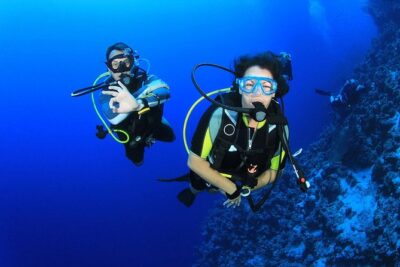
Your first breath underwater can feel unreal. This Discover Scuba experience in Tamarindo lets you try scuba without certification, with hotel pickup and a tight group size.
You’ll start early (around 6:40 am), get fitted with full equipment, and head out for guided underwater time near the Costa Rican coast.
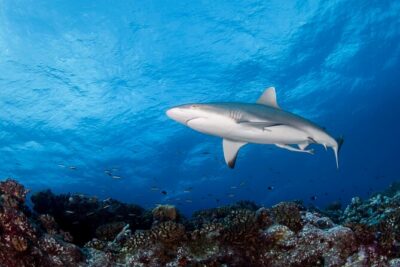
I love two things most. First, the instructors focus on calm, clear steps you can follow fast—regulator handling, basic safety, and staying on track with breathing. Second, the wildlife factor is real: people talk about dolphins, sea turtles, leopard rays, puffer fish, and even a white-tip shark sighting.
The main thing to plan around is conditions and comfort. The experience runs on the ocean’s schedule, and if you’re sensitive to motion or get anxious, rough water or nerves can make the day harder (and there’s a real note to avoid scuba soon after flying).
In This Review
- Quick Takeaways Before You Go
- Tamarindo Morning: What the Start Feels Like
- The early-ride reality check
- Gear Up and Get Your Safety Baseline Right
- You’ll get coaching, not just gear
- If you’re anxious or motion-prone
- From Beach Check-In to the Bigger Boat
- Why this setup can be good
- Out to the Catalina Archipelago: What Happens During the Water Time
- Your group mix (and why you’ll care)
- What you’ll do underwater
- Wildlife Encounters That Make the Trip Worth Waking Up
- What to expect if the day is rough
- Comfort and Safety: The Stuff That Can Make or Break Your Day
- Motion sickness is common—plan for it
- Anxiety can cost oxygen
- Fitness matters—but it doesn’t mean being an athlete
- Flying right before your trip is a bad idea
- Price and Value: Is $195 Worth It for a First-Time Program?
- Why the included gear and pickup matter more than they sound
- Who This Experience Fits Best (and Who Might Want Another Option)
- Should You Book This Discover Scuba Experience?
- FAQ
- Do I need scuba certification for this experience?
- Where does the tour start and what time does it begin?
- How long is the experience?
- What is included in the price?
- Is lunch included?
- What health requirements should I expect?
- Is it recommended to do this right after flying?
- How many people are in the group?
Quick Takeaways Before You Go
- No certification required: this is for trying scuba first, not earning a card
- Small group (up to 10): you get closer attention during training
- Early departure from Tamarindo: you’re on the water before crowds build
- Guided underwater time: guided coaching plus safety checks before you go below
- Wildlife chances near the Catalina Archipelago: turtles, rays, sharks, and dolphins show up
- Bring motion-sickness planning: the boat rides and ocean motion can affect you
Tamarindo Morning: What the Start Feels Like
This is the kind of day that starts before your brain fully boots up. The scheduled start is 6:40 am, and the tour ends back at the meeting point, so you don’t need to figure out any complicated transfers later.
The meeting point is Tamarindo Diving Center Davide Gabbi, about 200 meters east of Restaurante El Chiringuito on C. Cruz, Provincia de Guanacaste, Tamarindo 50309, Costa Rica. If you’re staying in Tamarindo, the included hotel pickup is a big deal because you’ll arrive with one less thing to manage while you’re half awake.
One thing I like about this setup is that it compresses the day. Instead of drifting into “activity mode,” you go straight into gear, briefing, and getting you comfortable. That matters because first-timers often need less time thinking and more time doing the basics correctly.
The early-ride reality check
There’s usually some driving plus boat movement. One review noted it took a while to sort out pickup space (car logistics can get crowded). Nothing dramatic, but it’s a good reminder: arrive ready to wait a few minutes, and expect the day to feel busy even before you hit the water.
Gear Up and Get Your Safety Baseline Right
The day’s structure is built around getting you in the right headspace before you go underwater. You’ll be fitted with equipment, and you’ll complete a health questionnaire before any underwater work. This matters because scuba isn’t just about comfort—it’s also about medical suitability.
The tour guidance also flags that some conditions (examples given include asthma and heart conditions) may prevent you from participating. If you have anything medical that affects breathing, circulation, or heart rhythm, it’s worth talking with your doctor ahead of time rather than guessing.
Another rule to take seriously: scuba isn’t recommended within 18 hours of flying. If you’re coming from somewhere far, plan your travel timing with that buffer. It’s not there to be annoying—it’s a safety-related risk-management step.
You’ll get coaching, not just gear
On this kind of program, what you really want is instruction you can understand quickly. Several reviews praised the way instructors explain what to do with regulators and other equipment and then actively track people during the day.
One reviewer highlighted Mario as an instructor who handled the basics without prior scuba experience. That’s exactly what you want to hear: the plan works even if you don’t already know the terms or motions.
If you’re anxious or motion-prone
You’ll want to be honest with yourself before you book. The training seems designed for nervous first-timers, but the ocean doesn’t care about your confidence level. One review mentioned getting seasick after the first underwater session. Another pointed out that anxiety can drain oxygen faster than expected.
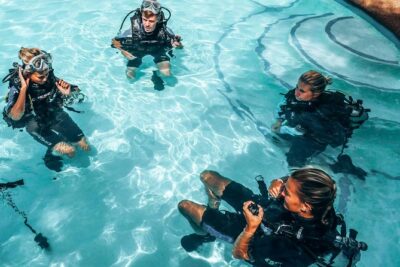
That’s why I’d treat this as partly a mindset experience. If you know you get anxious underwater, consider a more gradual option (the same provider mentions a two-day option with swimming-pool practice for some people).
From Beach Check-In to the Bigger Boat
After pickup, you’ll head to the Tamarindo Diving Center area and get signed up and fitted. From there, expect a short sequence that often looks like this:
- You start on land for setup and fitting
- You move onto a smaller boat for a quick ride
- Then you transfer to a larger boat heading out for the main underwater time
A key detail from reviews: even the boat ride is part of the experience. The transfer to the bigger boat can mean extra motion, and the total ride time toward the Catalina Archipelago can feel long. People also mentioned that January can bring windier, rougher conditions, which affects comfort onboard.
Why this setup can be good
I like the smaller-to-bigger boat rhythm because it often speeds up getting the group positioned for the best water. But comfort depends on the day. If you know you’re sensitive, pack your plan (and consider asking your doctor about medication options—just note you’ll likely be advised to bring your own, since the tour doesn’t provide medication).
Out to the Catalina Archipelago: What Happens During the Water Time
Your main ocean time is focused. Most days include about two guided underwater sessions, and the exact timing can vary with conditions. In reviews, people described two sessions of about 40 minutes each.
Here’s the part that matters for first-timers: you aren’t thrown in with zero coaching. You’ll do a safety and skills walkthrough early, and then you’ll go gradually. In one account, instructors began by holding onto first-timers during the first underwater moment, then increased freedom in the second session after assessing comfort.
That approach makes sense. Scuba requires coordination—breathing rhythm, buoyancy control, and remembering the plan while your brain is adjusting to a new environment. If you’re learning it all at once, starting with very guided movement reduces panic.
Your group mix (and why you’ll care)
Your day may include different experience levels in the same outing. One review described a mix:
- Uncertified first-timers paired with instructors
- Certified divers going deeper
- A snorkeling-only group
This can be a plus. If you’re first-time, you’ll likely get closer attention because the instructors can dedicate time to the group still learning the basics.
What you’ll do underwater
Your instructors focus on core control: regulator handling, safe movement, and basic awareness. Reviews also mention instructors tracking oxygen supply and gear placement closely and keeping people oriented so you’re not trying to figure things out while trying to breathe underwater.
A practical tip: when you feel focused, you’ll do better. One review emphasized that you need to put your attention into breathing and calm thinking because the mask position requires you to really “work” at that focus.
Wildlife Encounters That Make the Trip Worth Waking Up
This experience earns its buzz because the animal sightings are not just a marketing line. Near the Catalina Archipelago, people reported:
- Dolphins seen from the boat
- A sea turtle sighting
- Puffer fish
- Leopard rays
- Eels
- White-tip reef sharks
- Lots of fish and coral life
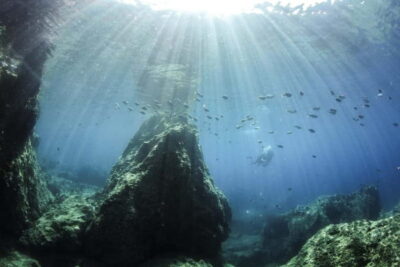
Even if you don’t catch every species, you’ll still get the point: underwater life feels active and close. Several descriptions sounded like the classic Caribbean-style “floating in space” feeling—weightless, slow-moving, and surprisingly calm once you settle.
What to expect if the day is rough
Rough water can limit how long you stay, how easily you move, and how comfortable the group feels. One review noted rough conditions and limited resources onboard (meaning the boat setup can feel stretched when the sea is not cooperating). If you’re going in windy season months, keep your expectations flexible.
Comfort and Safety: The Stuff That Can Make or Break Your Day
Scuba is safe when it’s run properly and you follow instructions. It’s also unforgiving if you ignore comfort issues.
Motion sickness is common—plan for it
More than one review mentioned seasickness. One person even used scopolamine patches through their doctor, and still got sick in open water. That’s an important signal: motion sickness can be stubborn.
So if you’re prone to nausea, plan early. Don’t rely on “I’ll be fine.” On a small boat and during transfers, the motion can hit suddenly.
Anxiety can cost oxygen
A strong safety lesson from reviews: anxiety can make it harder to regulate breathing. One person noted someone used up all their oxygen because anxiety got the best of them. That’s why instructors pay attention and why staying calm is repeatedly emphasized.
You’ll do better if you treat the first underwater session like practice time, not a performance. Follow cues, move slowly, and let the body adapt.
Fitness matters—but it doesn’t mean being an athlete
You should have moderate physical fitness. That typically means you can handle transfers, gear setup, and getting in and out of the water without feeling like you’re gasping. If you have limitations, tell the team during the health check and briefing so they can guide you appropriately.
Flying right before your trip is a bad idea
The warning about not participating within 18 hours of flying isn’t just formality. If you’re doing a big itinerary with flights, schedule your scuba day with buffer time. Your body needs time to settle.
Price and Value: Is $195 Worth It for a First-Time Program?
At $195 per person for about 5 hours, this program can be good value because you’re not just paying for boat time. You’re also paying for:
- Hotel pickup and drop-off
- Equipment
- Snacks during the outing
- Guided instruction designed for first-timers who want to try scuba without certification
Lunch isn’t included. That’s the one clear budgeting gap. If you hate buying food at random, plan to eat before you go—or eat after, once you’re back.
Why the included gear and pickup matter more than they sound
If you’ve ever tried to line up rentals and transport for an ocean activity, you know the hidden costs in time and stress. Here, equipment and transport are handled, and the small group size helps the instructors spend real time coaching you instead of just moving you along.
So the question isn’t only “Is $195 cheap?” It’s “Does $195 buy me a guided, supported first underwater experience without the extra logistics?” For many people, that’s exactly what it does.
Who This Experience Fits Best (and Who Might Want Another Option)
This is a great fit if:
- You want to try scuba without certification
- You prefer a guided, coached first-time setup
- You’re excited about animal sightings like turtles, rays, and sharks
- You can handle early mornings and time on boats
It might be a tougher fit if:
- You know you get severe motion sickness (especially in rough water)
- You have medical conditions that could affect breathing or heart health
- You’re flying in and can’t give your body the 18-hour buffer
- You expect a relaxed, slow-paced day with no ocean movement
If you want the least-stress learning curve, you might do better choosing a multi-day approach with swimming-pool practice first. The program itself does reference that option for people who want extra preparation.
Should You Book This Discover Scuba Experience?
Yes, I’d book it if you want a real, guided first-time scuba experience with pickup, equipment, and a small group that keeps instruction close. The wildlife sightings and the focus on getting you breathing and moving safely are the reasons this works for beginners.
I’d think twice (or at least plan harder) if you’re very sensitive to boat motion or you know anxiety can hijack your breathing. Bring your motion-sickness strategy, arrive rested, and treat the day like training, not a test.
If you’re in Tamarindo with enough time to avoid flying right beforehand, this is a solid way to try scuba on Costa Rica’s schedule—and come home with stories that feel bigger than the effort.
FAQ
Do I need scuba certification for this experience?
No. This is designed to let you try scuba without certification. The goal is experience and training, not certification.
Where does the tour start and what time does it begin?
The meeting point is Tamarindo Diving Center Davide Gabbi, about 200 meters east of Restaurante El Chiringuito on C. Cruz, Tamarindo, 50309, Costa Rica. The start time is 6:40 am.
How long is the experience?
It runs for about 5 hours (approx.).
What is included in the price?
The experience includes snacks, hotel pickup and drop-off, and equipment.
Is lunch included?
No, lunch is not included.
What health requirements should I expect?
You’ll complete a health questionnaire before diving/underwater activities. Certain conditions (like asthma or heart conditions, as examples) may prevent you from participating, so check with a doctor if you’re unsure.
Is it recommended to do this right after flying?
It is not recommended to participate within 18 hours of flying.
How many people are in the group?
The group size is capped at 10 travelers.